
Television series
Wonders of the Solar System
- Light-hearted
Brian Cox guides you through the solar system's most astonishing phenomena with infectious wonder and rigorous science. Visually sumptuous, intellectually generous, and utterly free of condescension. It makes you feel simultaneously tiny and connected to everything. For anyone who's ever looked up and thought *what if I actually understood that?*
Should you watch it?
Watch it if you enjoy big, patient science told with sweeping images and a presenter who clearly loves his subject, the kind of program that makes a dry fact feel like a small miracle.
Skip it if you want hard edges, real people in conflict, or a fast pace; this is calm, reverent and mostly about the view, so the drama is largely the scenery itself.
What it asks of you: Five hour-long episodes, unhurried, with long stretches of wide shots and narration that lingers. You give it an evening's attention and let it unfold at its own steady pace.
Not sure? Find tonight's pick in a minute.
If you liked this
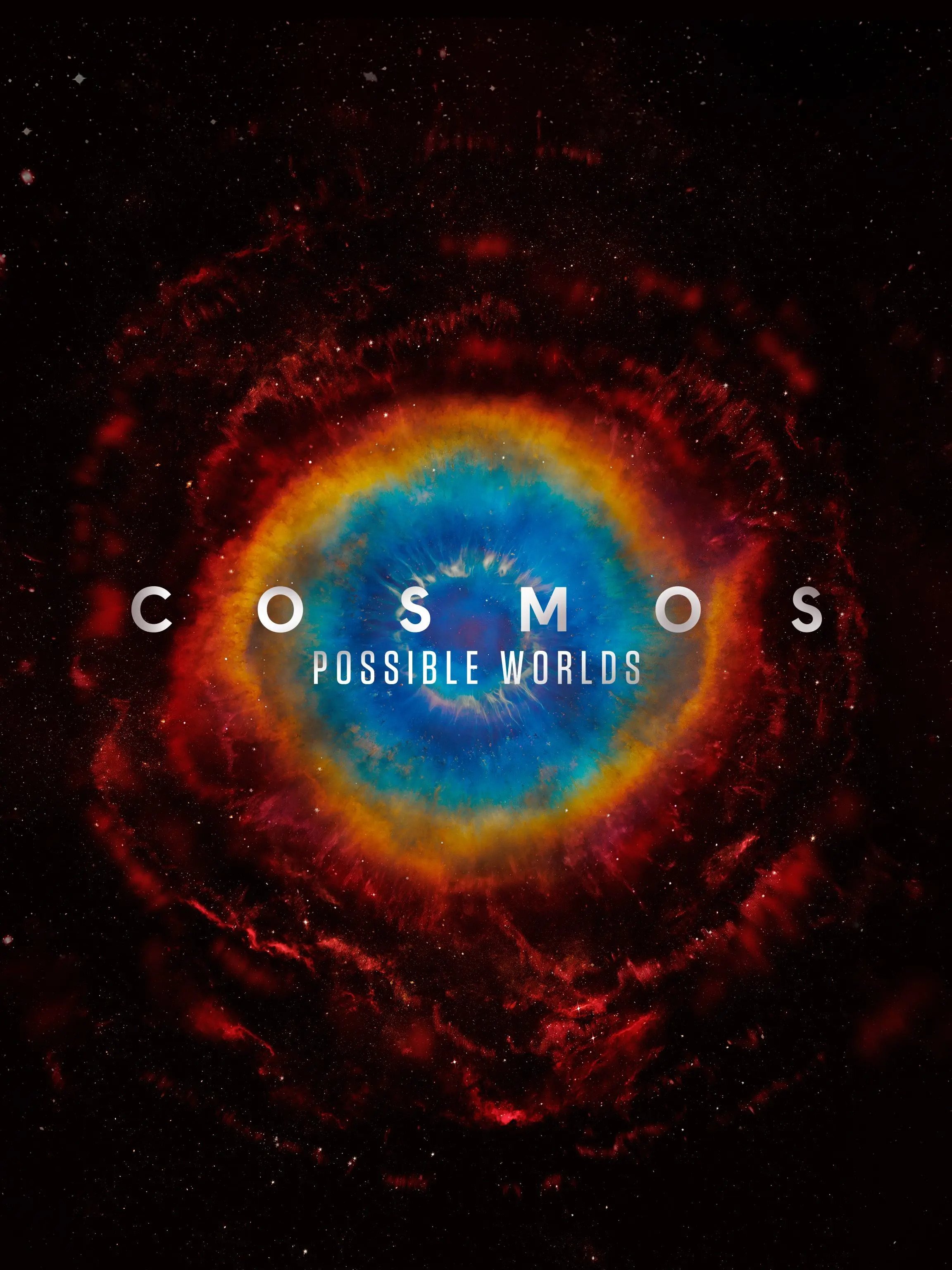
Cosmos1980
Neil deGrasse Tyson carries forward Carl Sagan's vision with the same poetic reach and scientific precision. Each episode unfolds like a grand tour through time and space, making cosmology feel like an adventure rather than a lecture.
But Thirteen hours is a commitment, and the animation can feel heavy-handed compared to Cosmos's lighter touch. Some viewers find Tyson's presentation style less warm than Cox's.
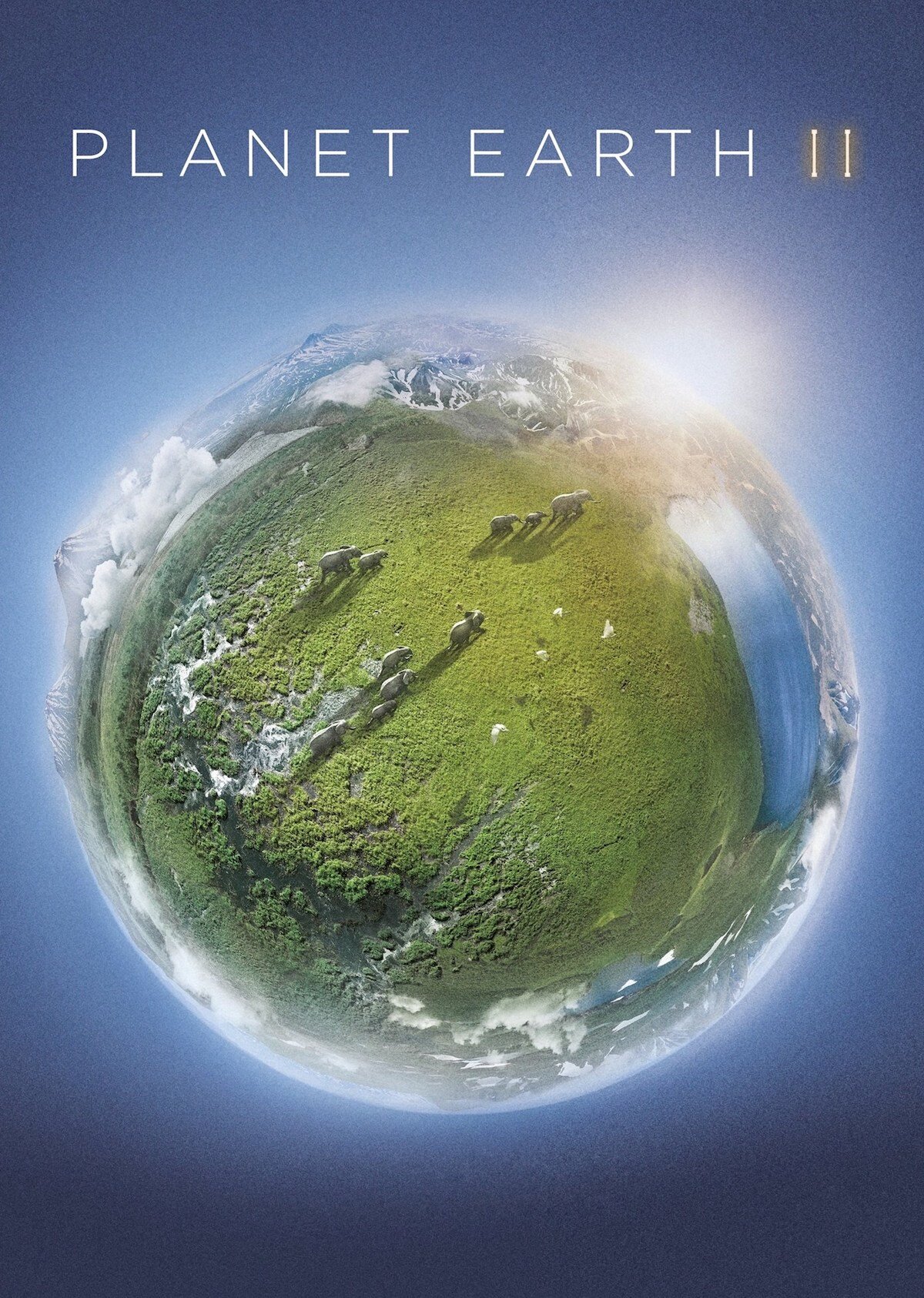
Planet Earth II2016
David Attenborough reveals how planetary systems shape all living things. The cinematography is staggering, and the ecological connections between sky and soil will reshape how you see Earth. Pure wonder without sacrifice of accuracy.
But It's primarily about life, not physics—if you want orbital mechanics and cosmic phenomena, this goes the other direction. The scope can sometimes feel overwhelming rather than clarifying.
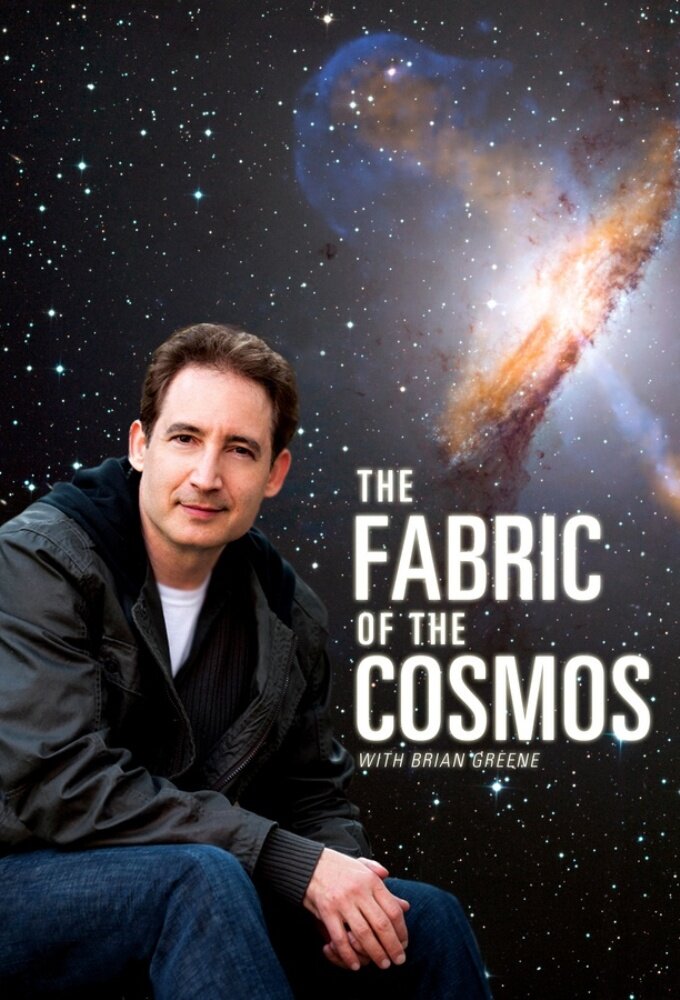
The Fabric of the Cosmos2011
Brian Greene makes quantum mechanics and relativity genuinely graspable through elegant explanations and inspired visual metaphors. Complements Solar System perfectly by diving into the physics that governs everything Cox shows you.
But More abstract than Wonders—no rovers or stunning landscapes to anchor the ideas. Some concepts feel slippery even after the explanations, which may frustrate rather than delight.
Not sure tonight? Get a pick in a minute, starting from Wonders of the Solar System
The wildcard
Something you would not have found on your own.
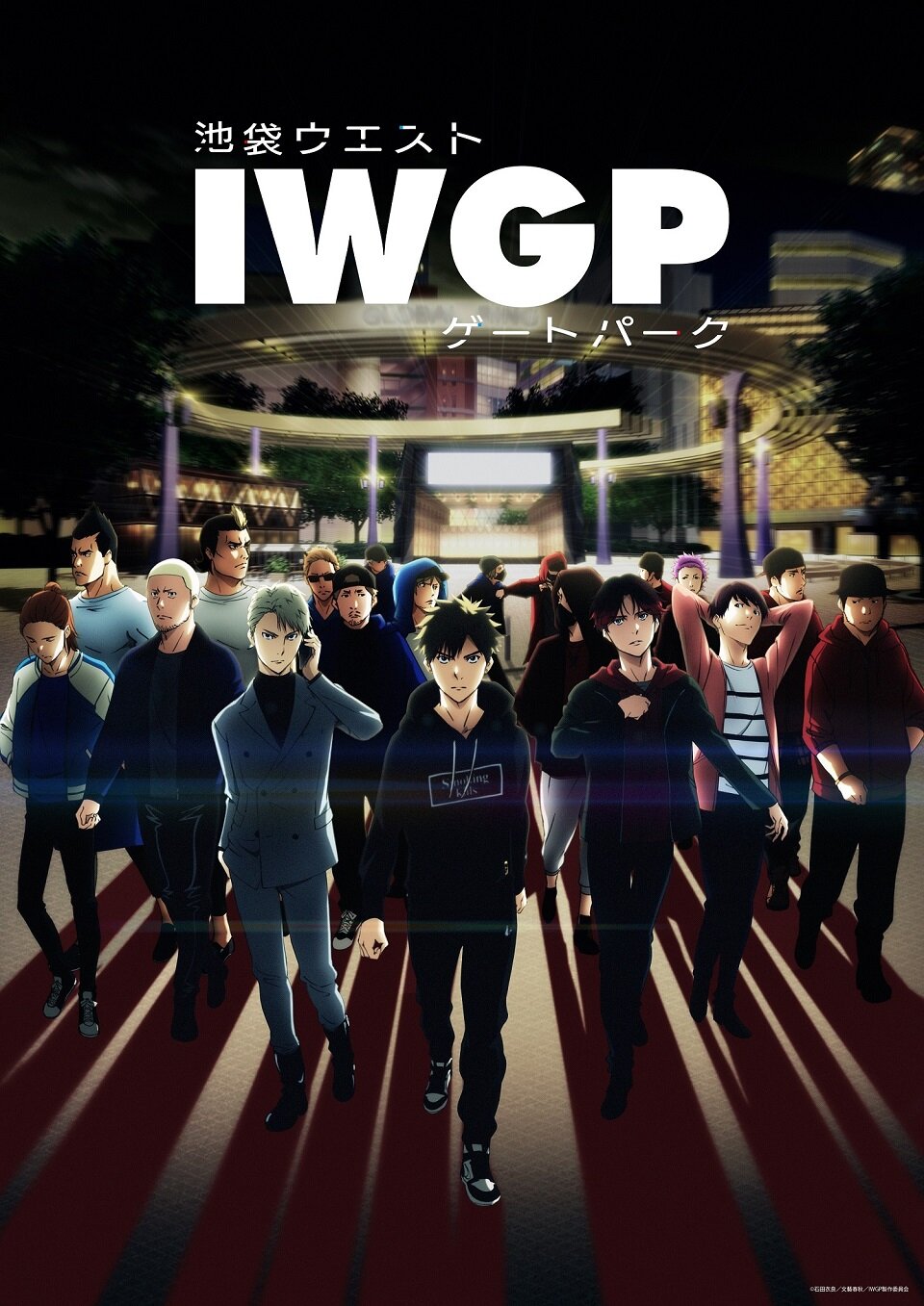
Ikebukuro West Gate Park2020
Both use interconnection as their central theme—one shows how solar system dynamics create Earth's habitability, the other shows how personal choices in one neighborhood ripple through an entire community. The method is inverted, but the revelation is the same: isolation is an illusion.
Radically different context—a gritty Japanese crime drama—but built on an identical structural insight: seemingly disconnected systems are revealed as intimately linked. Each character's arc mirrors a gravitational interaction. The show is tense, intelligent, and darkly funny.
But Crime drama, not science. Subtitled if you don't speak Japanese. The tone is cynical rather than wonder-struck, and violence is explicit. Looks and feels nothing like Wonders.
More like this (5)
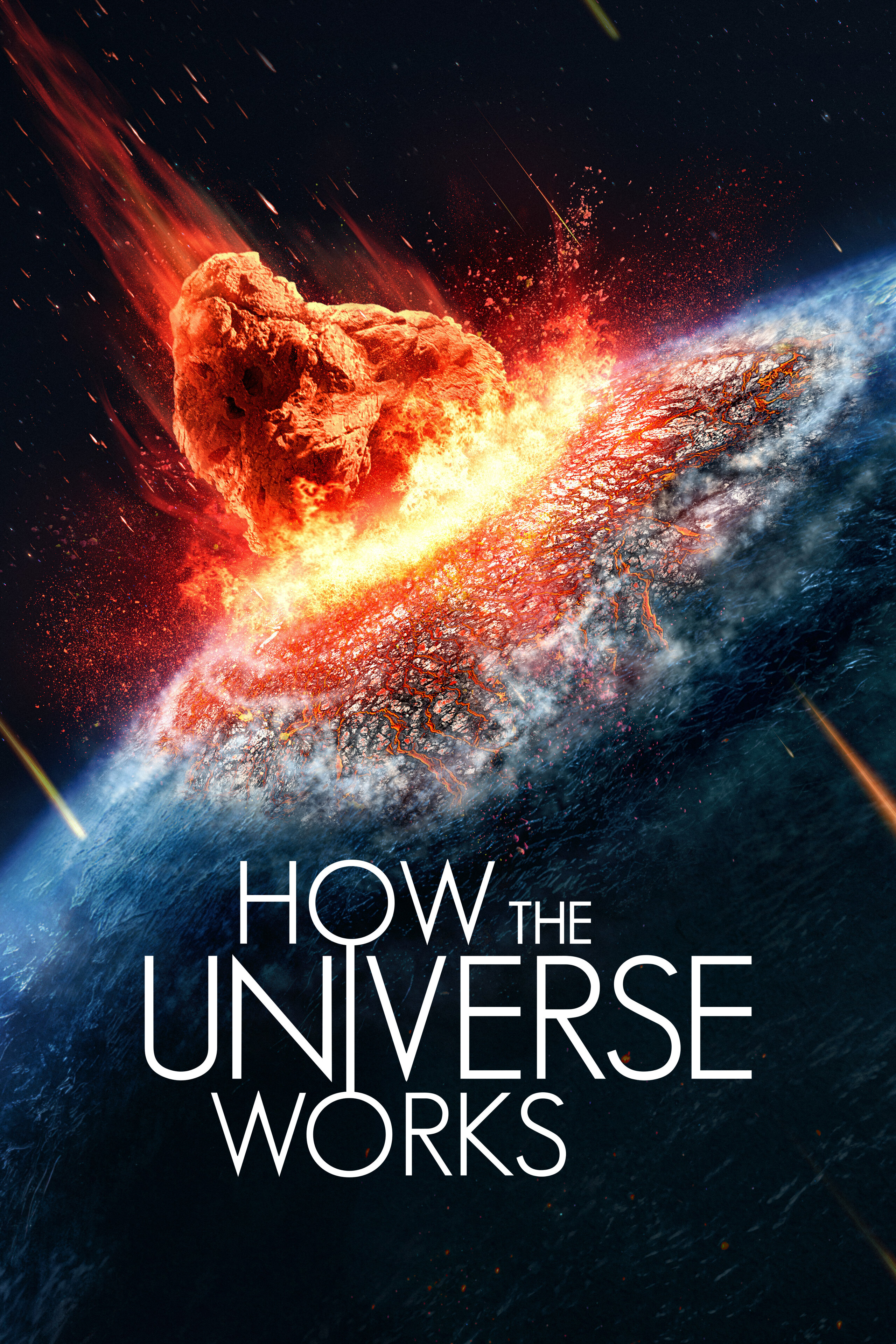
How the Universe Works2010
Runs parallel to Wonders with a slightly different emphasis—less about beauty, more about mechanism. Twelve seasons means endless hours exploring everything from black holes to exoplanets. Mike Rowe's narration is authoritative without pretense.
But Production values are noticeably cheaper, with more CGI and fewer real locations. Rowe's gravitas can feel overwrought compared to Cox's conversational tone.
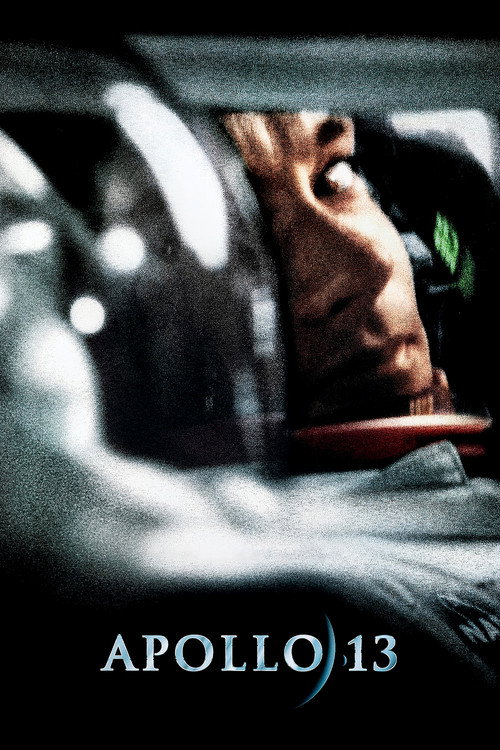
Apollo 131995
Captures human ingenuity confronting the solar system's indifference. The attention to technical detail and the tension between fragility and courage create genuine drama. Pairs beautifully with the wonder of Wonders by showing what it costs to explore it.
But It's a historical drama, not a documentary. The focus is on human problem-solving rather than cosmic phenomena. Some find the sentimentality dated.
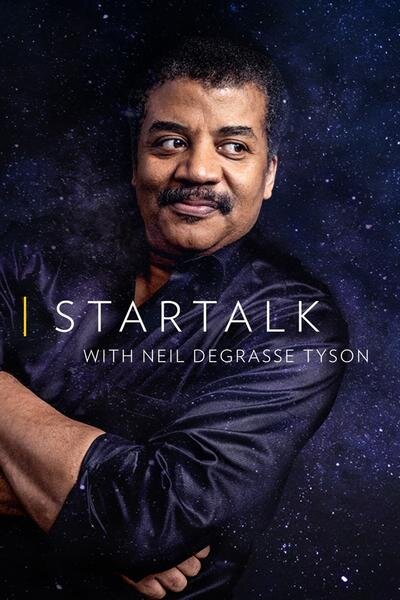
StarTalk2015
Neil deGrasse Tyson interviews scientists, comedians, and celebrities about space and science. Conversational and playful—captures the joy of discovery without the formality. Great for understanding current research and ongoing questions.
But Inconsistent in quality depending on the guest. Can drift into celebrity chat that distracts from the science. Lacks the visual splendor that justifies television over a podcast.
The New Frontier2015
Explores current space exploration programs and future missions with infectious optimism. Complements Wonders by showing how we've learned what Cox explains—the instruments, rovers, and missions that gathered those stunning images.
But Lighter on science, heavier on logistics. Episodes can feel promotional for space agencies. Production is workmanlike, relying on archival footage rather than original cinematography.
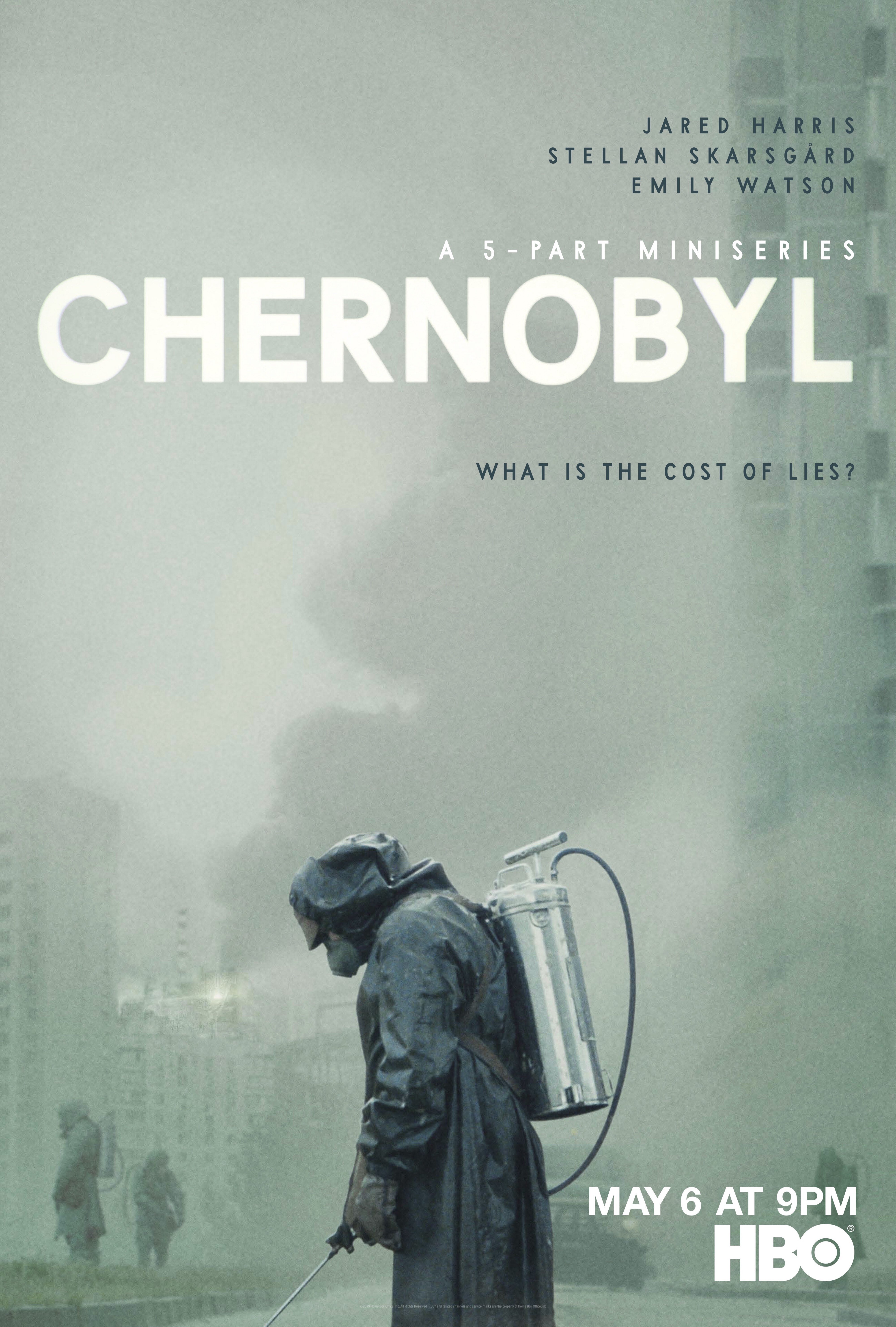
Chernobyl2019
Both are about what happens when humans encounter vast systems we barely understand—one celebrates our capacity for knowledge and connection, the other shows what happens when we're arrogant about it. Together they're a complete picture.
A five-part miniseries that inverts Wonders' entire moral framework. Instead of nature's ordered beauty and humanity's wonder at discovery, it shows human hubris misunderstanding natural forces with catastrophic precision. Technically masterful, deeply unsettling, impossible to forget.
But Bleak, angry, and focused on suffering and failure rather than awe. Some storytelling choices sacrifice accuracy for drama. Watching humans fail spectacularly at understanding systems isn't everyone's idea of entertainment.
People
Cast
 Brian CoxPresenter