
Television series
How the Universe Works
How the Universe Works is a digestible cosmology series that traces creation from the Big Bang onwards. It pairs cutting-edge physics with accessible narration and vivid animation to explain the mechanisms behind stars, black holes, gravity, and everything in between. Perfect for anyone who's ever wondered how things actually work.
Should you watch it?
Watch it if you like patient, visual explainers that unpack big cosmic questions one step at a time, with real scientists talking and a calm, wondering tone that trusts you to keep up.
Skip it if you want a fast-moving narrative or characters to follow, since this is an information-first documentary that spends long stretches on diagrams, simulations and careful explanation.
What it asks of you: Around an hour per episode across many seasons, it moves at a measured pace, so you need to settle in and be willing to let each idea breathe.
Not sure? Find tonight's pick in a minute.
If you liked this
Cosmos1980
Neil deGrasse Tyson guides you through 13.8 billion years of cosmic history with the same clarity and wonder that made the original groundbreaking. Stunning visuals and profound ideas made digestible.
But Tyson's presentation style is so well-known now that some find it dated. The production values, while still excellent, don't quite match modern documentary cinematography.
The Fabric of the Cosmos2011
Brian Greene explains quantum mechanics, relativity, and the nature of spacetime itself without dumbing down. Four hours of ideas that reshape how you see reality, delivered with infectious enthusiasm.
But Heavy on the theoretical. If you prefer concrete explanations to mind-bending abstraction, this gets vertiginous fast. Some sequences linger longer than the ideas warrant.
PBS Space Time2015
Rapid-fire, genuinely rigorous physics explained by someone who loves teaching it. Each episode tackles one idea thoroughly. It's free, it's YouTube, and it respects your intelligence completely.
But Fast-paced and dense. You'll need to rewatch episodes. The production is minimal compared to slick documentaries, so it demands active attention, not passive watching.
Not sure tonight? Get a pick in a minute, starting from How the Universe Works
The wildcard
Something you would not have found on your own.
Arrival2016
Both spend their time on how to understand vast, incomprehensible systems—the universe's or an alien species'. Both believe that knowledge isn't just information but transformation.
A fiction film where the central tension is linguistic and conceptual: learning an alien language forces you to perceive time itself differently. It's about how understanding reshapes consciousness, using SF as the vehicle.
But Deliberately paced and meditative rather than kinetic. If you want excitement over ideas, or prefer narrative that explains itself cleanly, this will feel cryptic and slow. It demands patience.
More like this (6)
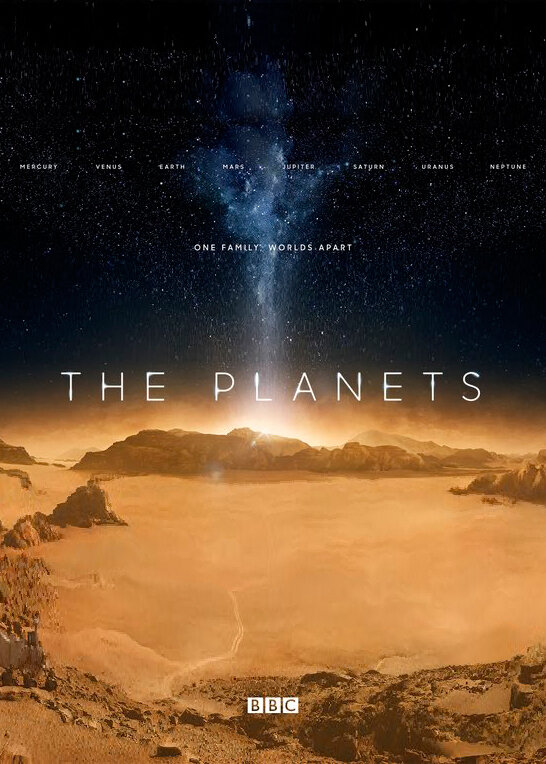
The Planets2019
BBC production values meet planetary science. Each episode is a deep dive into one world, using actual mission footage and new discoveries. Gorgeous and genuinely informative without being shouty.
But Slower pacing than How the Universe Works. If you want big-picture cosmology rather than detailed planetary geology, this will feel narrow in focus.
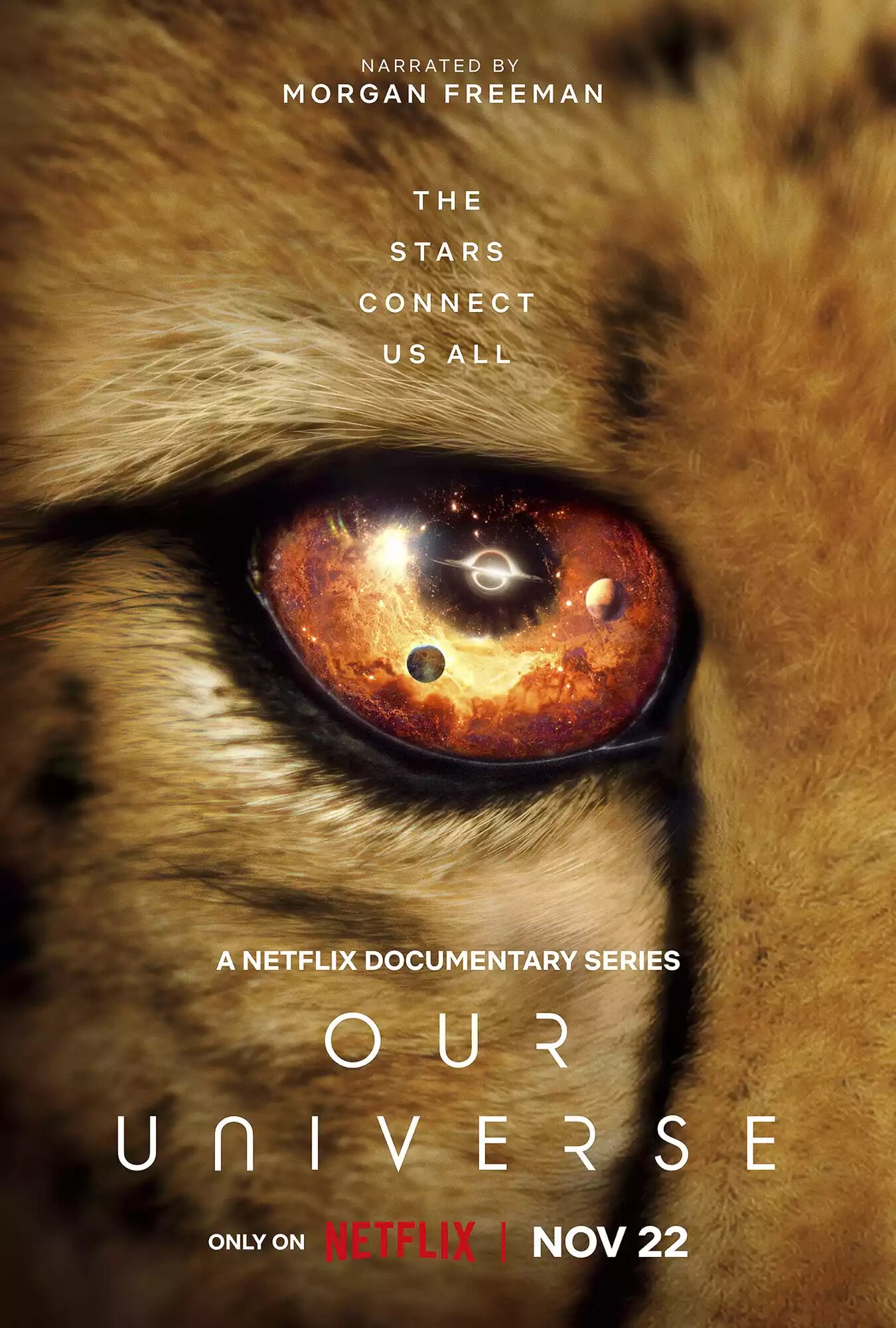
Our Universe2022
Netflix's newer entry into the space-doc arena, with cutting-edge visuals and a focus on recent discoveries. Four episodes covering formation, evolution, and the search for life with real grandeur.
But Only four episodes means it skims rather than explains deeply. Some sequences prioritize spectacle over clarity, and the pacing can feel rushed.
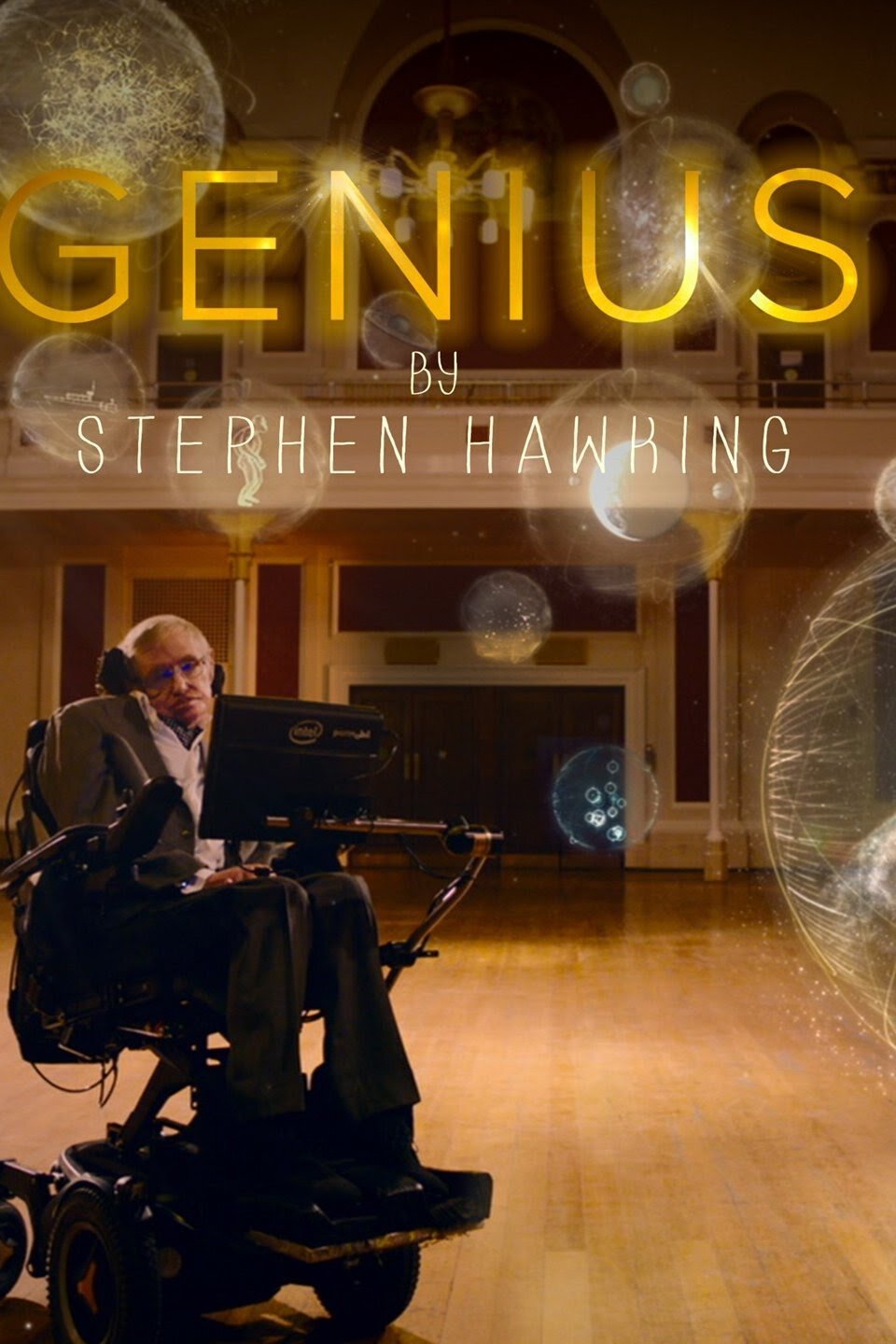
Genius by Stephen Hawking2016
Three episodes exploring black holes, time travel, and the God particle. Hawking's actual voice guides you through complex ideas made visceral through animation and real footage from CERN.
But Dated production style. At only three episodes, it's more appetizer than meal. Some scientific explanations are simplified to the point of distortion.
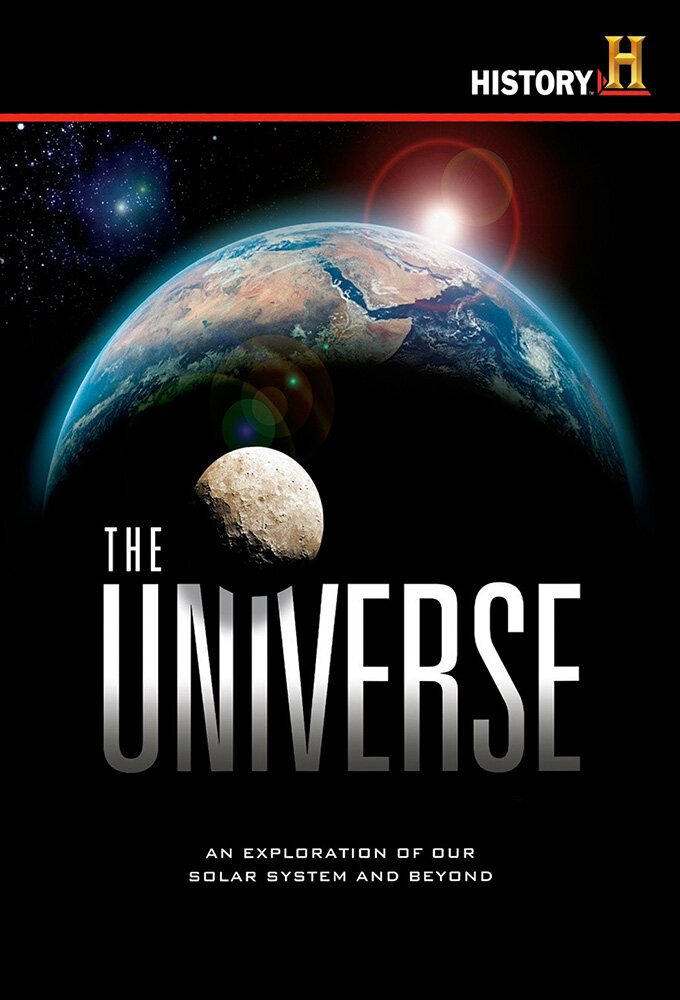
The Universe2007
A sprawling series covering everything from alien life to time travel, zodiac myths, and the death of stars. It has a campy enthusiasm that's genuinely infectious and the scope is genuinely ambitious.
But Prone to speculation presented as science. Pacing is uneven, and some episodes veer into pseudoscience territory that might frustrate anyone rigorous about accuracy.
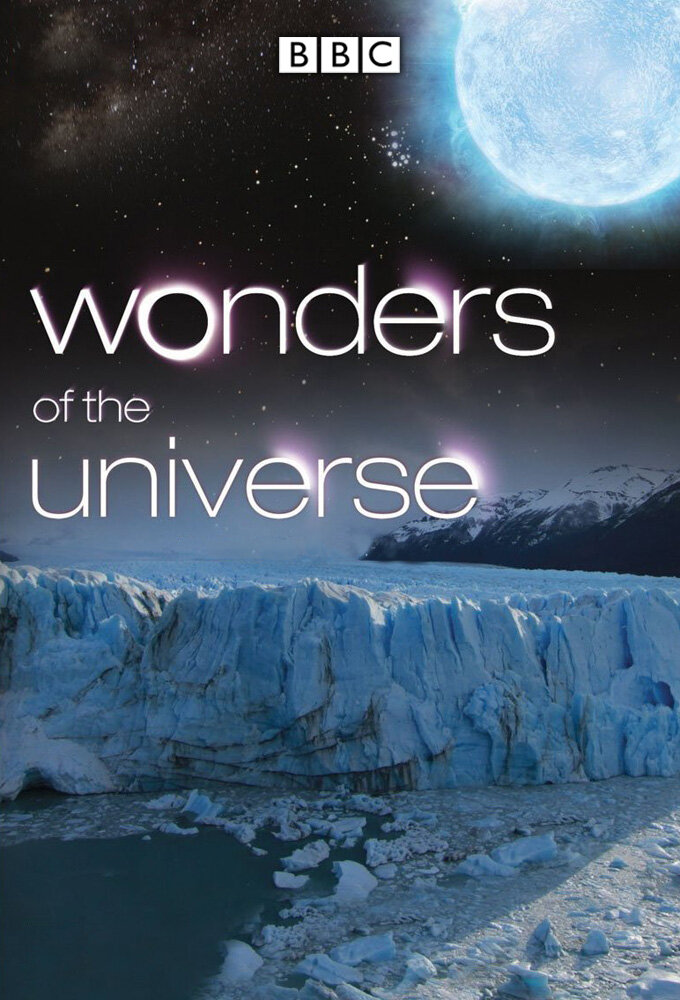
Wonders of the Universe2011
Brian Cox in his prime, explaining dark energy and quantum mechanics while standing in dramatic landscapes. Accessible cosmology with real physics underneath and genuine warmth in the presentation.
But Cox's boyish enthusiasm can oversell simple concepts. The "professor standing in nature" format gets formulaic, and some episodes sacrifice accuracy for metaphor.
The Fountain2006
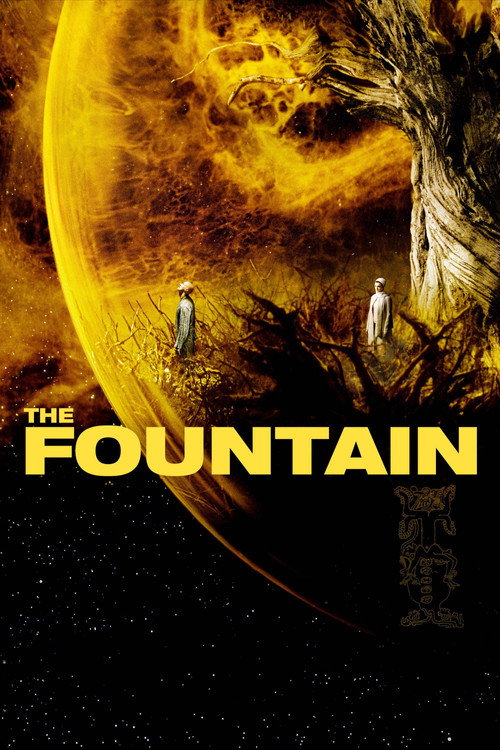
It shares the obsession with cosmological perspective—how human life looks when you zoom out to the universe's scale. The mood is grief rather than wonder, but the question underneath is the same.
Darren Aronofsky's baroque meditation on death, time, and cosmic scale across three centuries. Visually hallucinogenic, emotionally devastating, and deeply concerned with how we fit into an infinite universe.
But Bewilderingly nonlinear and metaphorical. It will not explain itself or offer comfort. Some find it pretentious rather than profound. You may spend the runtime confused and frustrated rather than moved.
People
Cast


 Erik Todd DellumsNarrator
 Mike RoweNarrator
 Richard LinternNarrator






Recommended by
Cosmos, Wonders of the Solar System, Mock the Week, Genius by Stephen Hawking, Strip the Cosmos, Curiosity, Stephen Hawking's Universe, PBS Space Time, The Universe