Television series
Strip the Cosmos
- Mystery
- Dip in and out
Strip the Cosmos uses slick 3D animation to dissect planets, stars, black holes and galaxies layer by layer, revealing their architecture and fate. Each episode peels back a cosmic object to answer visceral questions: what's really happening in a supernova? Can you survive a black hole's pull? It's a visual feast for anyone who loved the wonder of Carl Sagan but wants the answer right now, with gorgeous graphics doing the heavy lifting.
If you liked this
Cosmos1980
Neil deGrasse Tyson guides you through thirteen hours of deep space wonder with the same clarity and scale as Strip the Cosmos, but adds philosophical weight and human history alongside the science.
But Slower pacing and more talk than visuals; some find Tyson's delivery uneven, and it assumes you'll sit with concepts longer than Strip the Cosmos demands.
The Universe2007
History Channel's long-running series tackles similar big questions—neutron stars, wormholes, the Big Bang—with solid production and a documentary's methodical approach to mystery.
But Feels dated now, and occasionally leans on speculation that science has moved past. The pacing is leisurely compared to Strip's punchy format.
How the Universe Works2010
Focused, accessible explanations of cosmic mechanics—from black holes to supernovas—with satisfying CGI and a tone that matches Strip the Cosmos' enthusiasm without talking down to you.
But Less visually inventive than Strip; repeats themes across episodes if you watch back-to-back, which can feel redundant.
Not sure tonight? Get a pick in a minute, starting from Strip the Cosmos
The wildcard
Something you would not have found on your own.
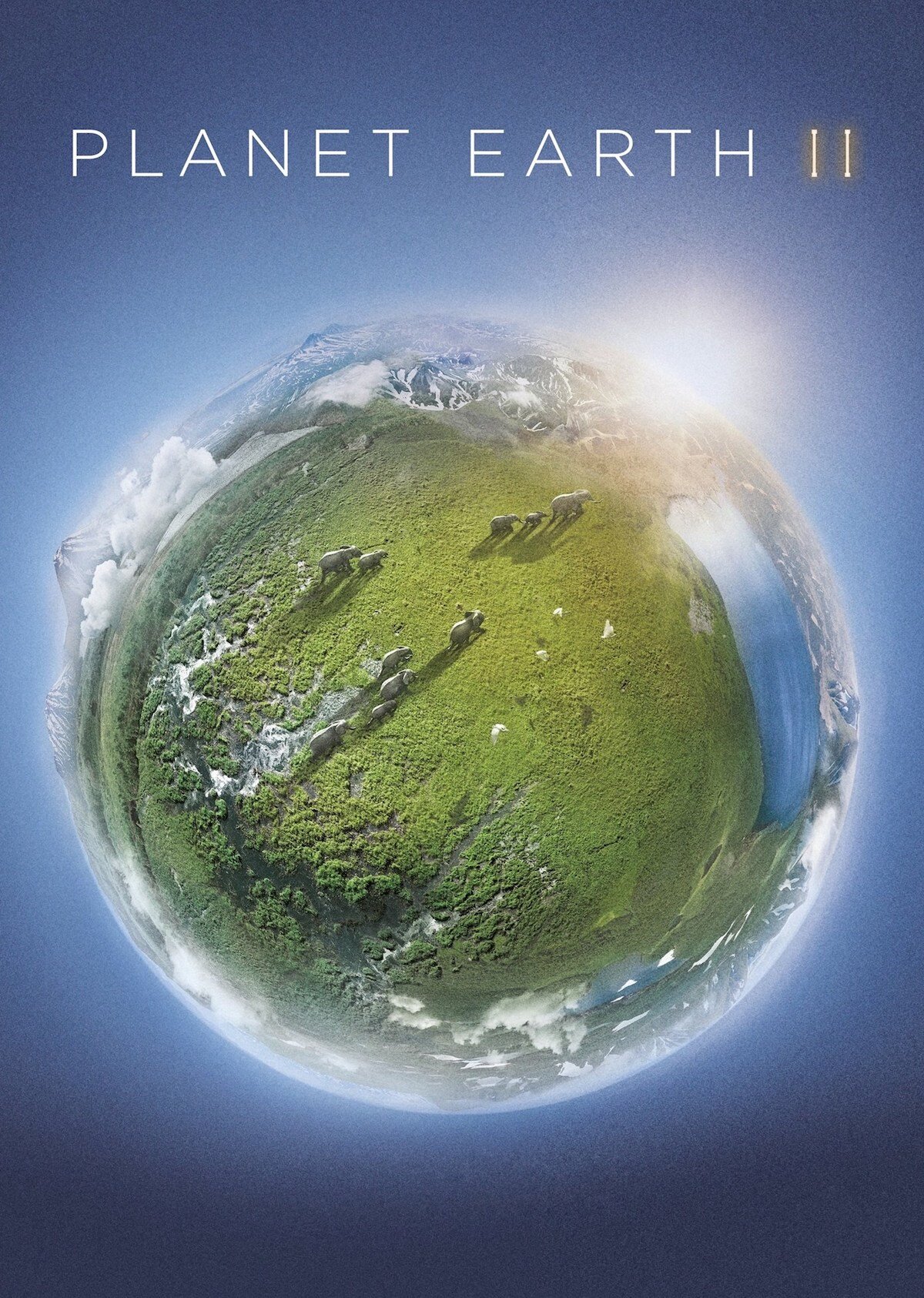
Planet Earth II2016
Both use elegant 3D visualization and cross-section anatomy to reveal hidden architecture. Strip peels away the atmosphere of Jupiter; Planet Earth peels away the crust of our own world. Same method, inverted scale.
BBC's five-part series applies the same layer-by-layer dissection to Earth itself—looking at how our planet was built, how it works, what's inside it. Same visual language, turned inward instead of outward.
But If you want space specifically, this is resolutely terrestrial. The tone is also calmer, more contemplative than Strip's punchy delivery.
More like this (5)
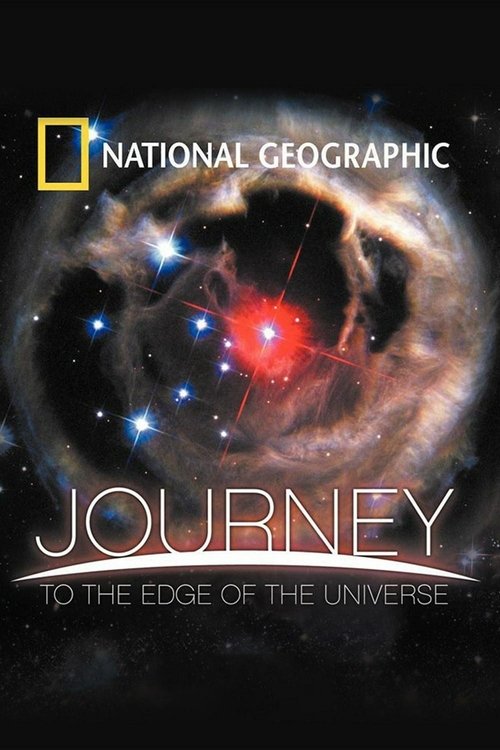
National Geographic: Journey to the Edge of the Universe2008
Stunning 90-minute visualization of a voyage from Earth outward through the cosmos. The animation is beautiful and the scale genuinely humbling without sacrificing accuracy.
But Structured as a journey rather than an investigation, so it's less about peeling back mysteries and more about sightseeing.
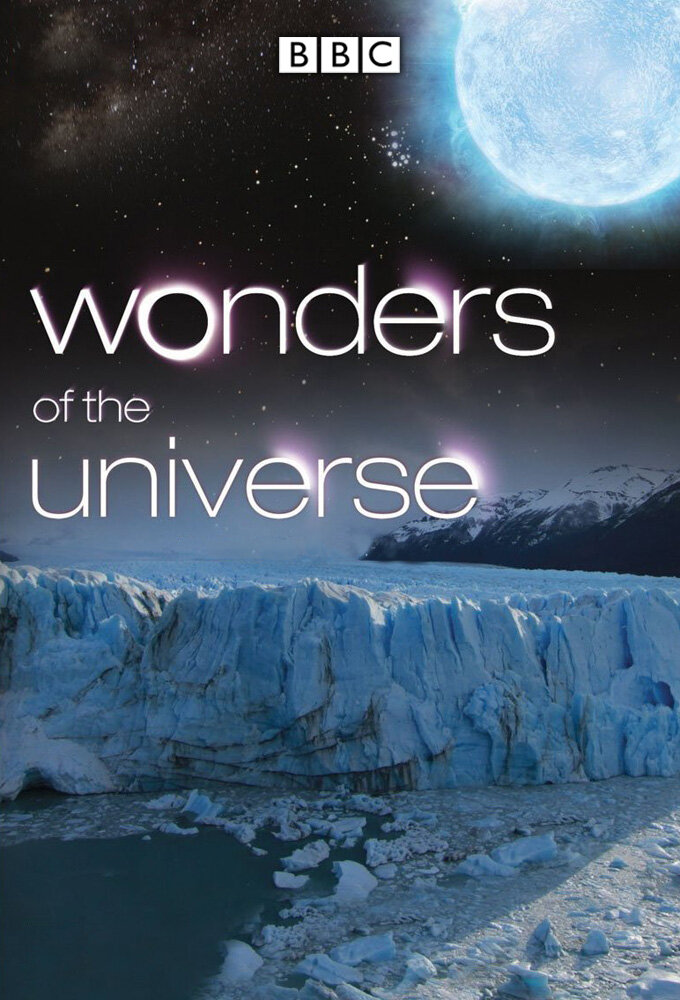
Wonders of the Universe2011
Brian Cox's four-part series uses location filming and animation to explore star formation, time, and the Big Bang with warmth and genuine curiosity. Physics becomes something to fall in love with.
But More focused on majesty than mechanism. If you want technical detail, this prioritizes awe instead.
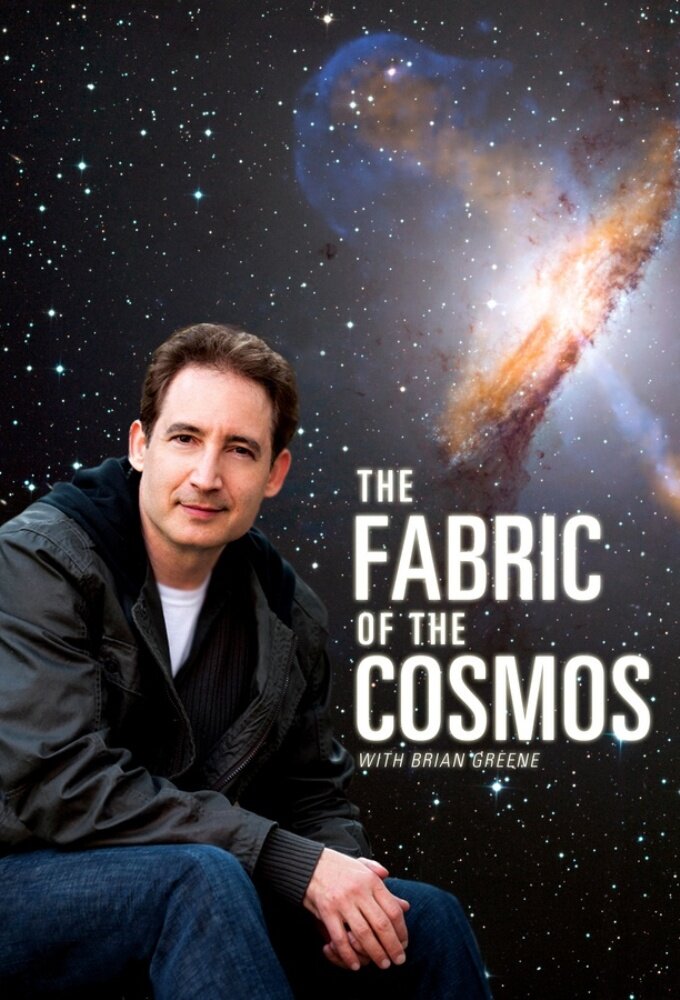
The Fabric of the Cosmos2011
Four episodes tackling space, time, quantum mechanics and the multiverse with Brian Greene as guide. Animation is smart and playful, and the concepts are challenging without feeling alienating.
But Abstract in places; quantum weirdness requires following some counterintuitive logic. May leave you with more questions than answers.
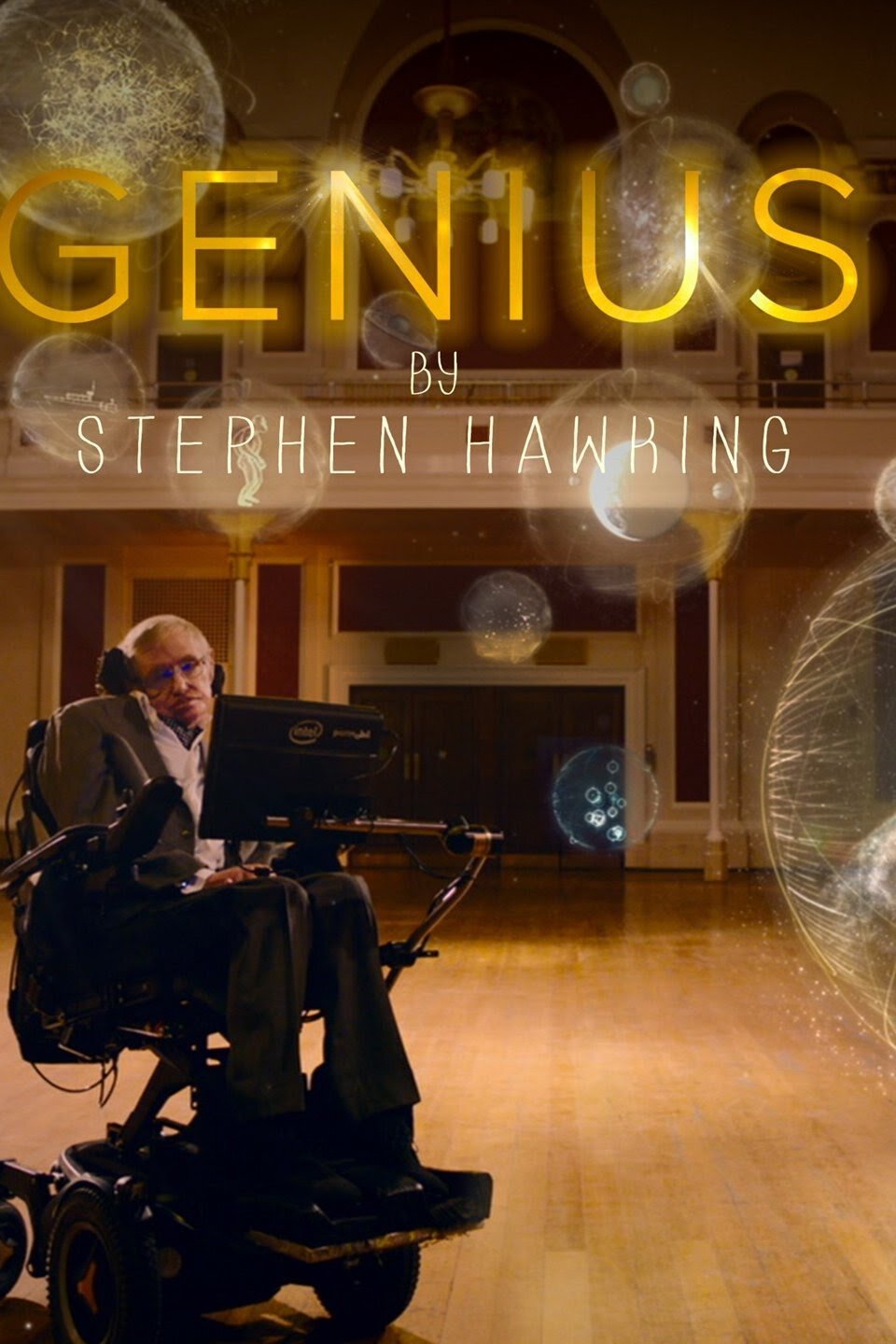
Genius by Stephen Hawking2016
A three-part series exploring black holes, time travel and the origins of the universe. Hawking's ideas meet modern animation, and the scope is genuinely ambitious.
But Hawking's voice synthesizer takes adjustment. Some of the science has moved on since his death, and the tone is sometimes ponderous.
The Outer Limits1995
If you want cosmic scale with storytelling attached, this revival series offers science-fiction scenarios grounded in real physics. Different flavor entirely, but shares the sense of wonder and 'what if?'
But Episodic drama, not documentary, so half the value depends on individual episode writing quality. Some are excellent, others forgettable.