
Film
National Geographic: Journey to the Edge of the Universe
A sweeping cosmic journey that begins on Earth and travels outward to the universe's edge, this National Geographic film renders the incomprehensibly vast into something intimate and graspable. With seamless CGI and a narrative that never talks down to you, it builds awe without requiring a physics degree. Perfect for anyone who's ever felt small under the stars.
Should you watch it?
Watch it if you love big-screen astronomy that makes the scale of everything feel physical, and you don't mind a narrator guiding you through a sweeping, awe-first tour rather than a deep dive into the science.
Skip it if you want hard science, technical detail, or a documentary that argues a point; this one trades explanation for spectacle and can feel thin if you came for the mechanics.
What it asks of you: It runs about ninety minutes at an unhurried pace, asking you to sit back and let the visuals and narration wash over you rather than follow dense information.
Not sure? Find tonight's pick in a minute.
If you liked this
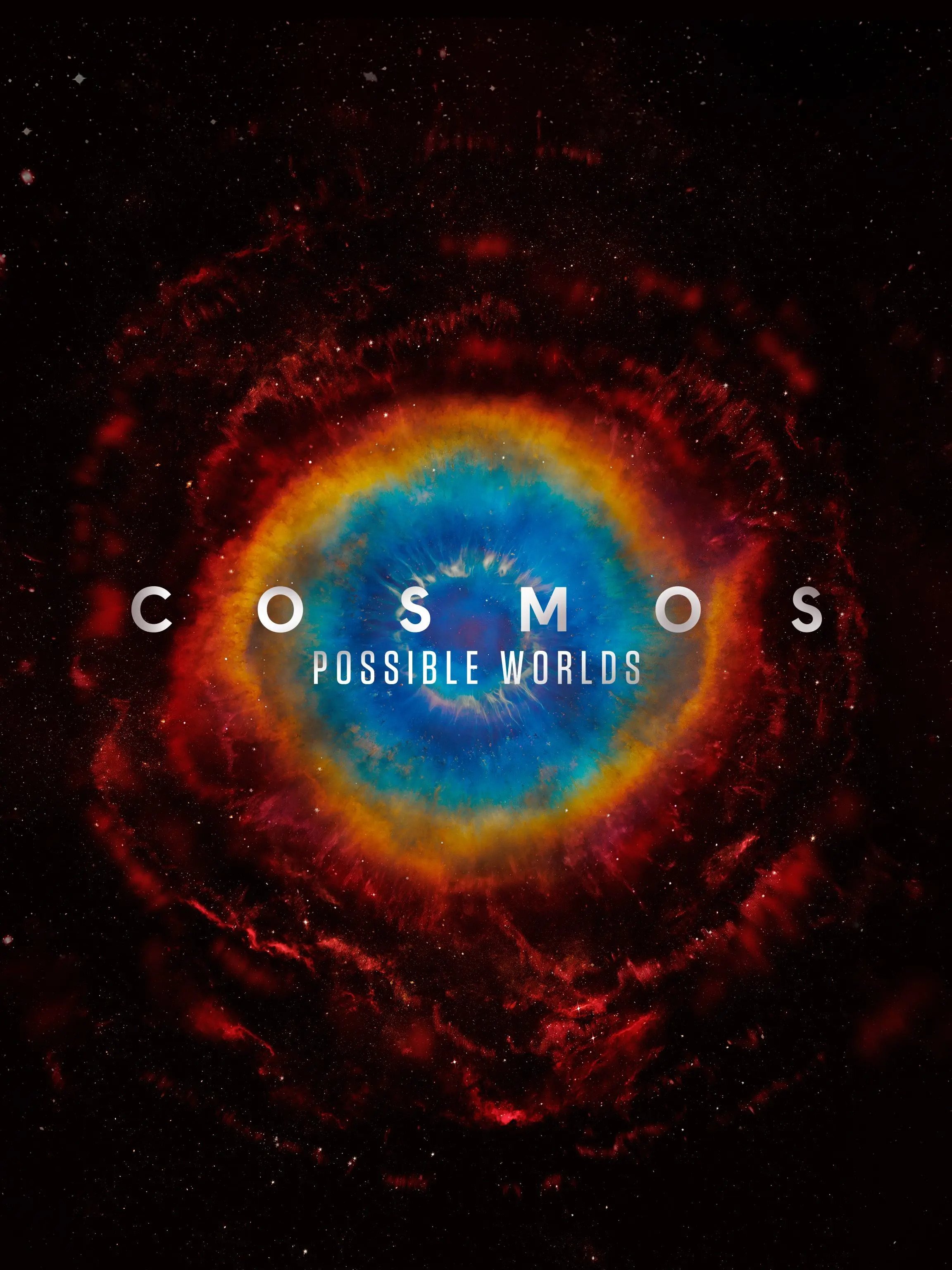
Cosmos1980
Neil deGrasse Tyson guides you through the universe with the same sense of wonder, but adds evolutionary history and deep time. Each episode unfolds like a story rather than a lecture. Visually stunning and endlessly rewatchable.
But The scope is vast enough that some episodes feel thinner than others, and Tyson's tone can be a bit much if you're not in the mood for his particular brand of enthusiasm.
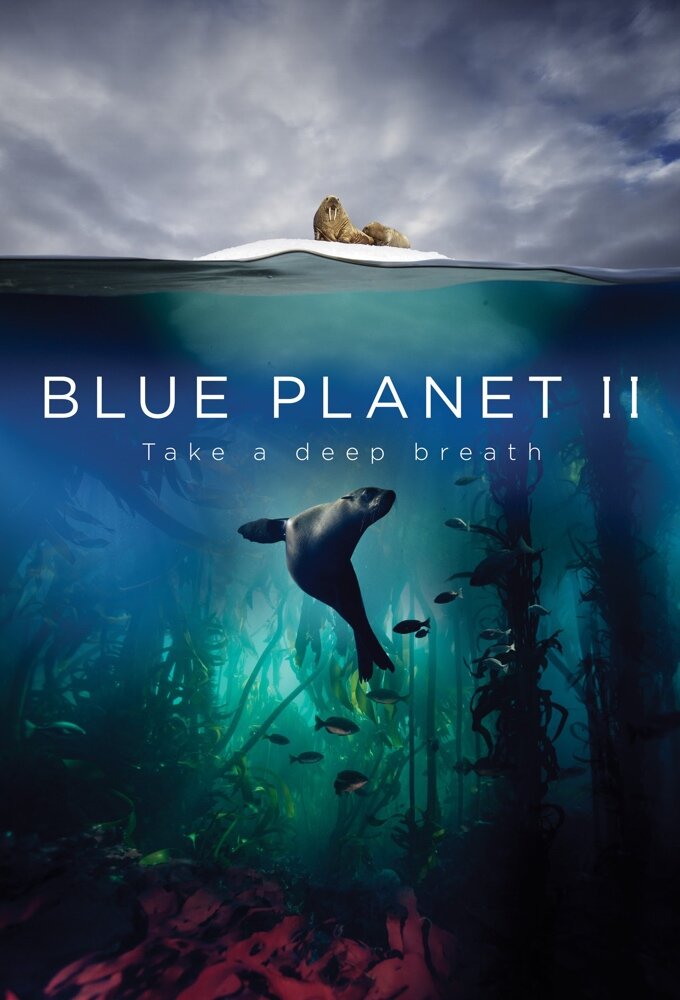
Blue Planet II2017
Same spirit of cosmic-scale exploration, but trained on Earth's oceans instead of space. The cinematography is breathtaking, the creatures are alien, and it carries genuine conservation weight. David Attenborough's narration is immaculate.
But If you're after astronomy specifically, this will feel like a sideways move. Some sequences are deliberately dark and unsettling—beautiful, but heavy.
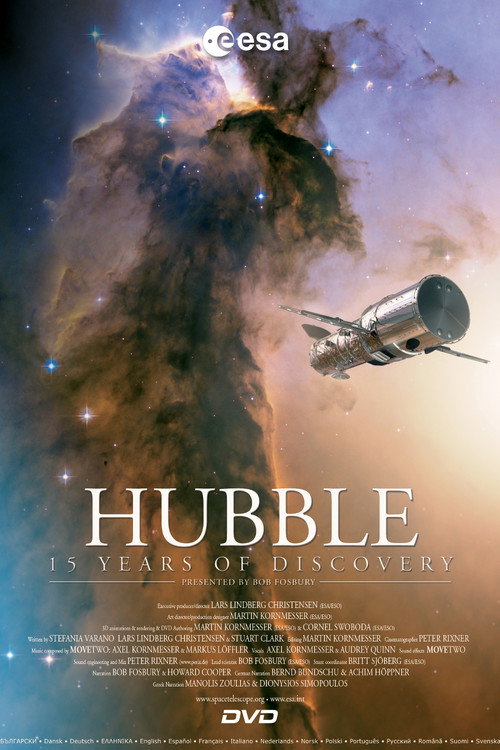
Hubble: 15 Years of Discovery2005
Another National Geographic space documentary, slightly older but equally majestic. Focuses on actual Hubble imagery rather than pure CGI, so you're seeing real cosmos. Awe earned rather than simulated.
But The technical depth varies; some sequences assume more background knowledge than *Journey* does. Pacing is slower and more contemplative.
Not sure tonight? Get a pick in a minute, starting from National Geographic: Journey to the Edge of the Universe
The wildcard
Something you would not have found on your own.
Baraka1992
Both are cosmic journeys filmed as a single, unbroken movement of the eye. One goes outward to the furthest reaches; the other goes inward to the smallest details. Together they're a complete map of scale.
No narration, no plot, just 90 minutes of time-lapse and macro cinematography of Earth seen as a living, breathing system. It's *Journey to the Edge of the Universe* inverted—starting vast and zooming into the miraculous detail of home. Hypnotic and spiritual without being cloying.
But The lack of explanation or structure might feel frustrating if you want information. It's pure visual meditation, which can feel slow or self-indulgent depending on your patience for experimental form.

More like this (7)
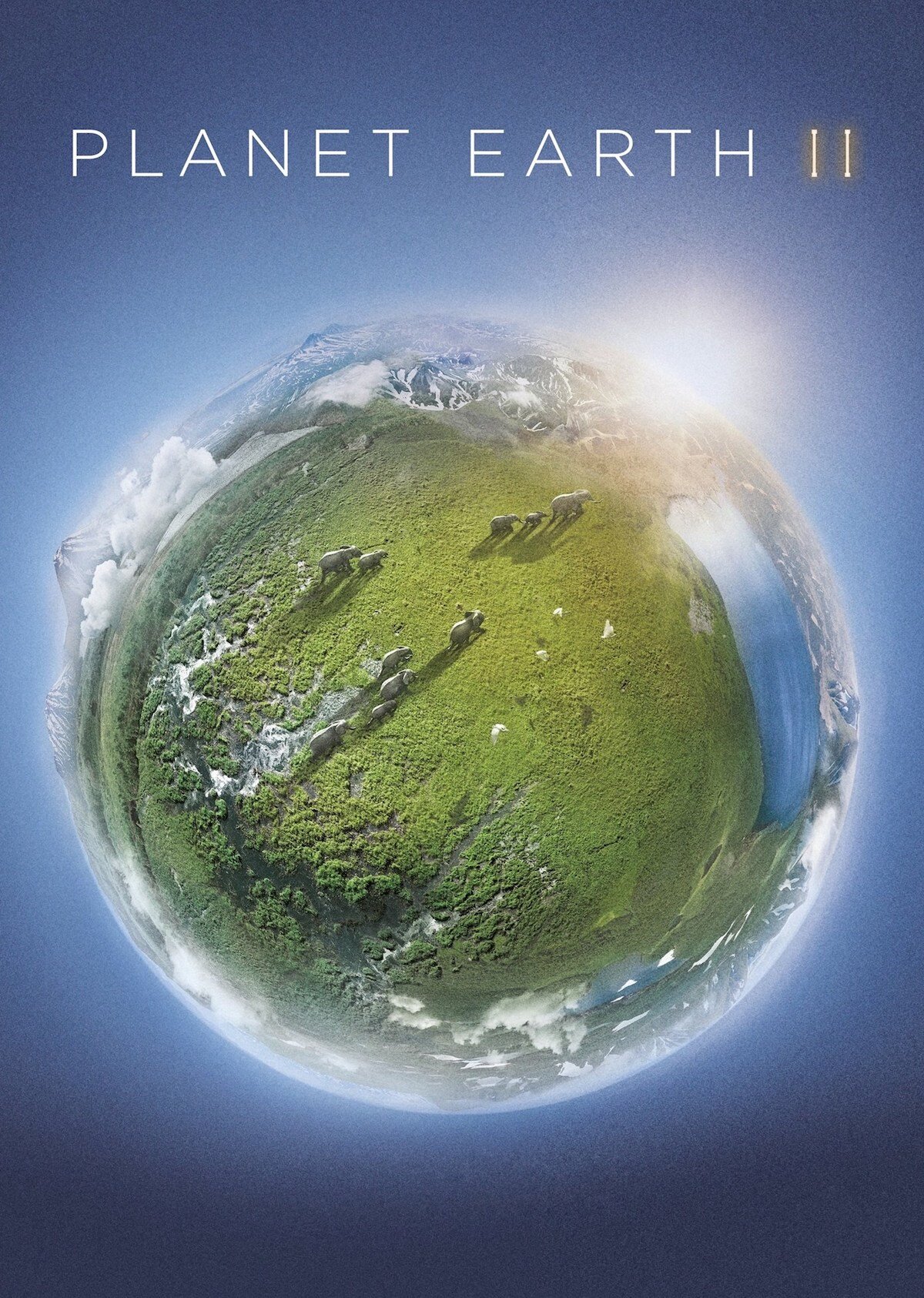
Planet Earth II2016
The same ultra-high-definition, large-scale perspective as *Journey*, but every episode has a different Earth environment as its frontier. Watching creatures in their ecosystems hits different when filmed at this level of detail and scale.
But The thematic scope is narrower—you're staying home, essentially. If you want to feel the vertigo of leaving Earth, this keeps you grounded.
Interstellar2014
The closest narrative film gets to the feeling *Journey* provokes: cosmic scale, real physics (mostly), and a commitment to showing rather than telling. Hans Zimmer's score alone will rewire your sense of space and time.
But Nearly three hours and emotionally demanding in ways a documentary isn't. The plot can feel secondary to the spectacle, which isn't everyone's movie.
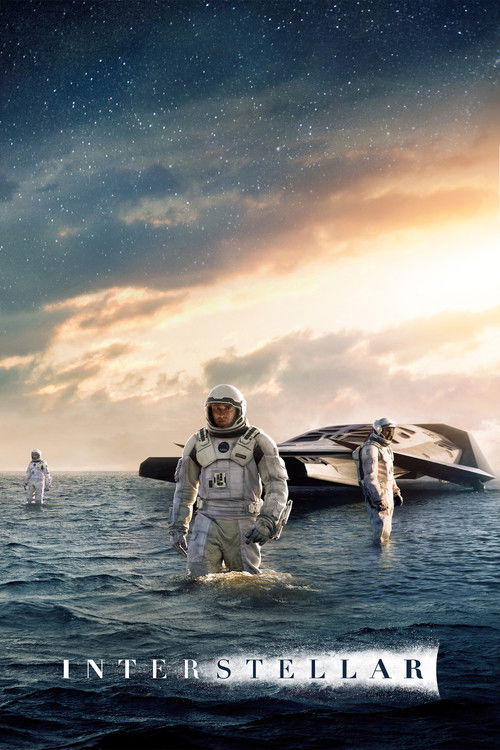
Our Universe2022
A newer National Geographic series that picks up where *Journey* left off, with updated science and footage. Four episodes means each topic gets breathing room. Feels like a natural extension of the same impulse.
But Shorter format means less immersion per episode. The newer production style is slicker but somehow less intimate than the 2008 original.
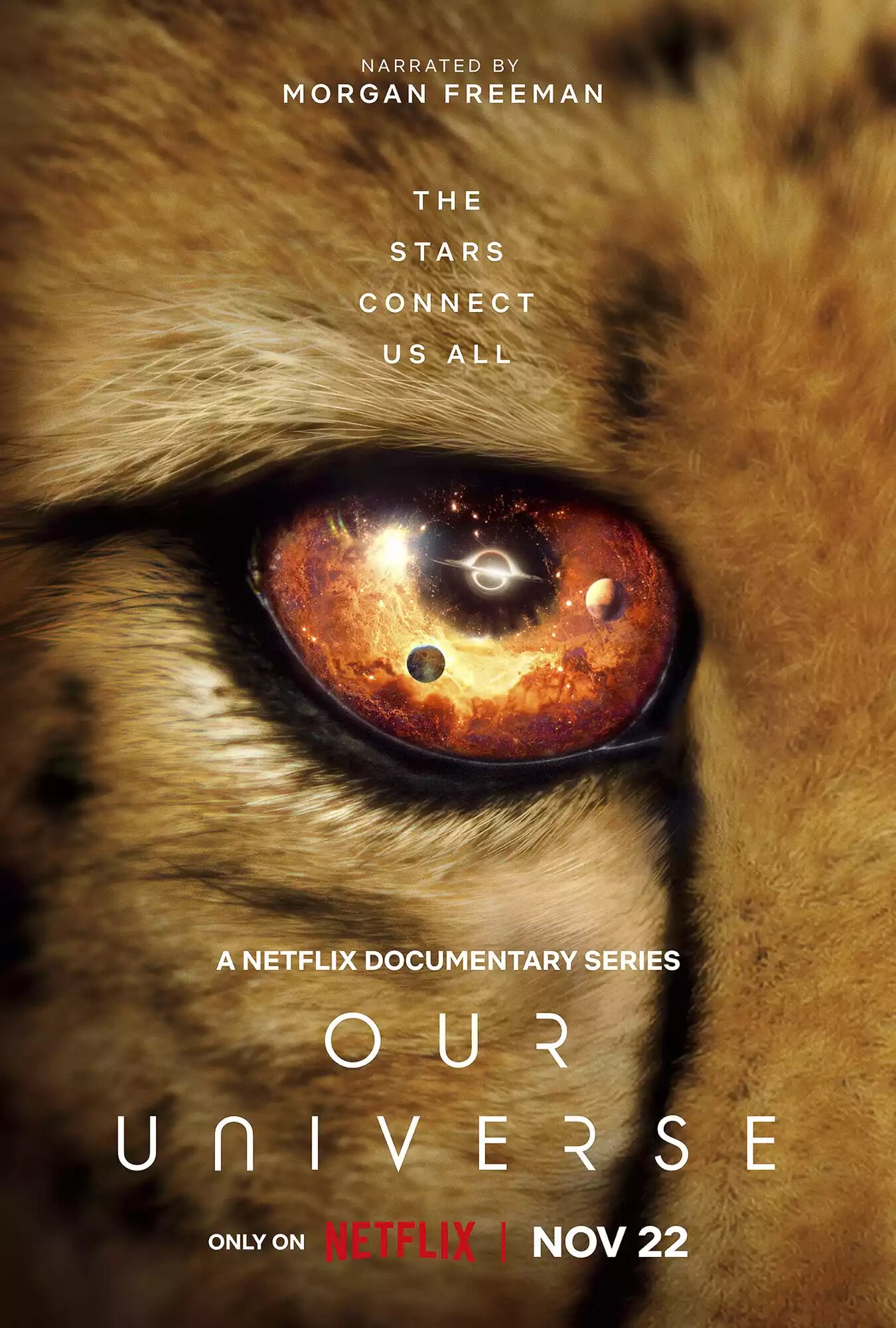
Life2007
Same year as *Journey*, same high-definition ambition, same David Attenborough narration. Instead of space, it's the taxonomy of life on Earth. The filmmaking is technical and innovative—you've never seen creatures move like this.
But It's a BBC series cut into episodes, so the narrative flow is episodic rather than continuous. Some sequences are genuinely disturbing if you're squeamish about predation.

Gravity2013
If you want the visceral, immediate feeling of being in space rather than observing it, Cuarón delivers. One continuous shot (mostly), stunning sound design, and a performance from Sandra Bullock that carries the whole weight. Pure cinema.
But It's a thriller about survival, not a tour of the cosmos. Extremely stressful for 90 minutes, and the science, while beautiful, sometimes bends toward drama instead of accuracy.
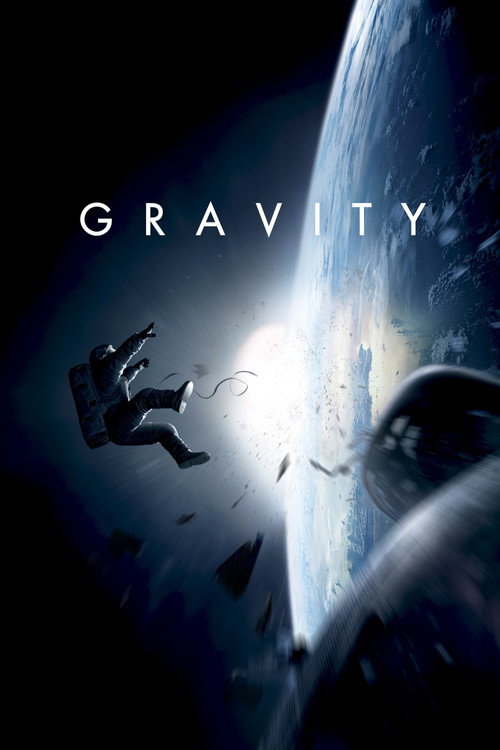
2001: A Space Odyssey1968
Both use state-of-the-art visual effects to make space feel real and present rather than theoretical. But where *Journey* moves through the cosmos briskly, 2001 plants you there and lets you marinate in the silence and scale.
Kubrick built a film that feels like actual space travel—meditative, cold, beautiful, and deeply strange. The long takes of spacecraft and stars are the inverse of *Journey's* hyperactive movement; Kubrick's pace is glacial, and it's hypnotic. Music by Ligeti is unforgettable.
But Three and a half hours, dialogue-sparse, and deliberately cryptic. The middle section is slow enough to test your commitment. Not for anyone seeking conventional narrative satisfaction or quick answers.
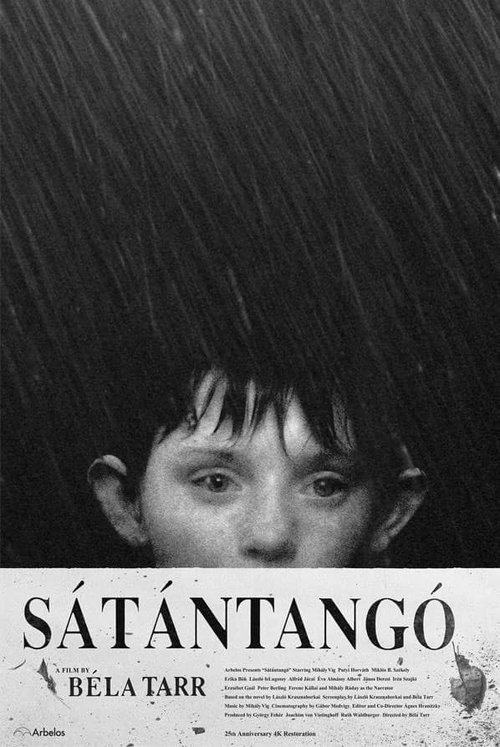
Satantango1994
Both films use a single, extended camera movement as their organizing principle—a journey as the form itself. One moves through space; one moves through time and social geography. Both trust the viewer to stay engaged with the movement rather than cutting to break monotony.
A Hungarian experimental film that has nothing to do with space, but it shares *Journey's* structural DNA: a slow, total journey through a defined geography, where the camera (and your attention) travels from one location to the next without cutting. Seven hours of pure cinema: hypnotic, challenging, deeply rewarding.
But It's bleak, obscure, and demands active watching. The runtime is genuinely daunting. You will need to be in exactly the right headspace, and even then it's not 'entertainment' in the traditional sense.
People
Cast
 Alec BaldwinNarrator (voice)
 Sean PertweeNarrator (voice)
Directing
- Yavar AbbasDirector
Writing
- Nigel HenbestWriter