
Film
Hubble: 15 Years of Discovery
- Light-hearted
A celebration of the Hubble Space Telescope's first 15 years, told through stunning astronomical photography, computer animation, and the stories of discoveries that rewrote our understanding of the cosmos. Sweeping, accessible, and genuinely awestruck—perfect for anyone who's ever looked up and wondered.
Should you watch it?
Watch it if you love sweeping images of distant galaxies and want a calm, awe-struck tour through decades of telescope pictures, with the wonder doing most of the talking.
Skip it if you want a narrator who digs into the engineering drama or the people behind the mirror, since this leans on visuals and a swelling score more than on analysis or argument.
What it asks of you: It runs about eighty-three minutes and moves at an unhurried, drifting pace, asking you to sit back and let long stretches of space imagery wash over you.
Not sure? Find tonight's pick in a minute.
If you liked this
Cosmos1980
Neil deGrasse Tyson guides you through the universe with the same sense of wonder and clarity. Gorgeous visuals, big ideas explained beautifully, and enough personality to keep you leaning forward.
But Thirteen hours is a significant commitment, and some episodes lean more educational-documentary than narrative-driven spectacle.
The Right Stuff1983
The flip side of space exploration: the human drama of the astronauts who risked everything. Thrilling, funny, and gorgeously shot, with a score that rivals Hubble's own.
But At nearly three hours, it's more interested in egos and rivalry than the science—some find it dated now.
Apollo 131995
Flawless tension about a mission that nearly didn't come home. Ron Howard at his most focused; Tom Hanks and the ensemble cast make every second count.
But You probably know how it ends. If you've seen it, there's less to discover the second time around.
Not sure tonight? Get a pick in a minute, starting from Hubble: 15 Years of Discovery
The wildcard
Something you would not have found on your own.
A Brief History of Time1991
Both grapple with the vertiginous scale of the universe and try to make the unmeasurable measurable—but Morris uses surreal imagery and intimate close-ups where Hubble uses cosmic vistas.
Errol Morris films Stephen Hawking explaining the big questions in a way that feels like you're having coffee with a genius. Visually inventive in ways no one else would think to try.
But Hawking's computer voice and the dense physics might feel remote. It's more philosophy than narrative, which isn't everyone's pace.
More like this (7)
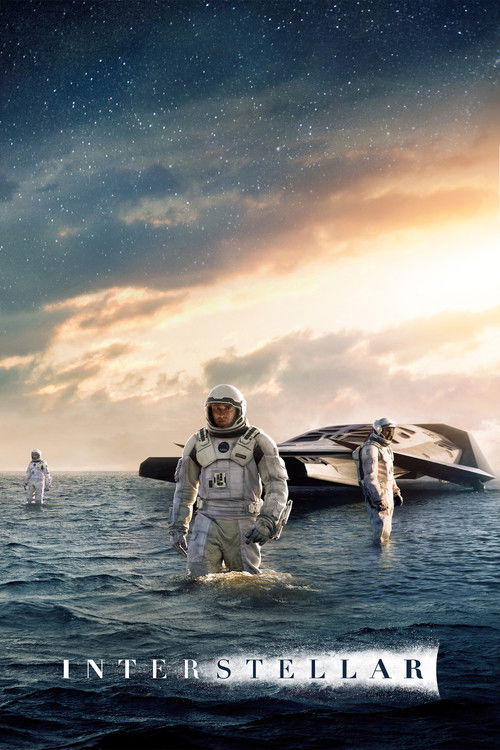
Interstellar2014
Christopher Nolan's three-hour meditation on black holes, wormholes, and love across dimensions. It takes the physics Hubble photographed and asks what it means for us.
But Dense, ambitious, and divisive. Some find it transcendent; others find it self-important and emotionally manipulative.
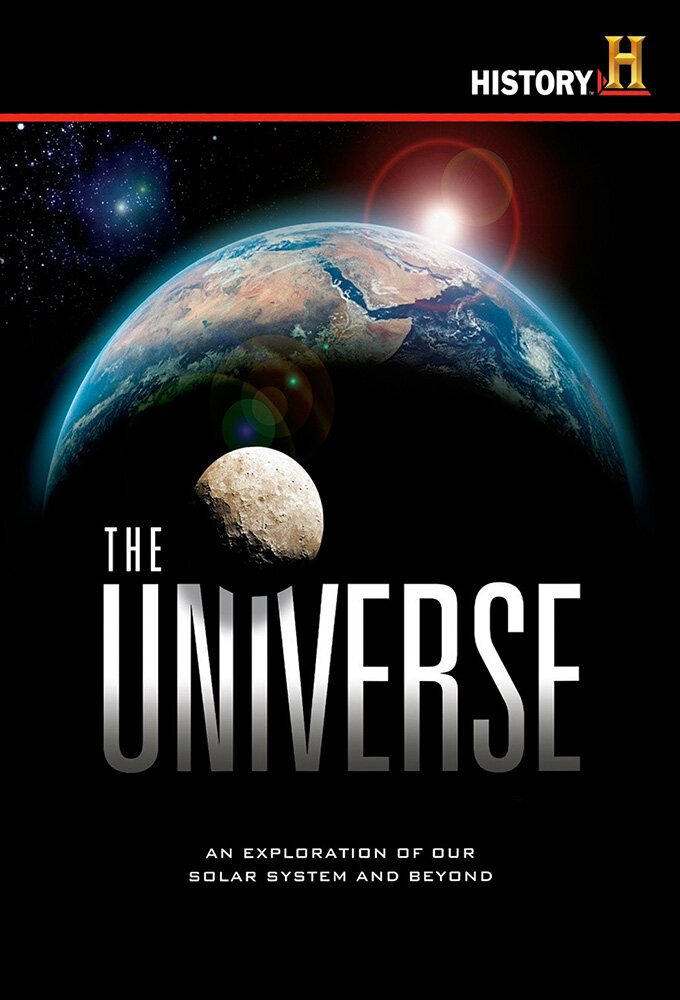
The Universe2007
Each episode tackles a different cosmic mystery—neutron stars, dark matter, the Big Bang—with smart explanations and satisfying visual effects for the time.
But Dated graphics now, and the narrator's dramatic delivery occasionally tips into melodrama.
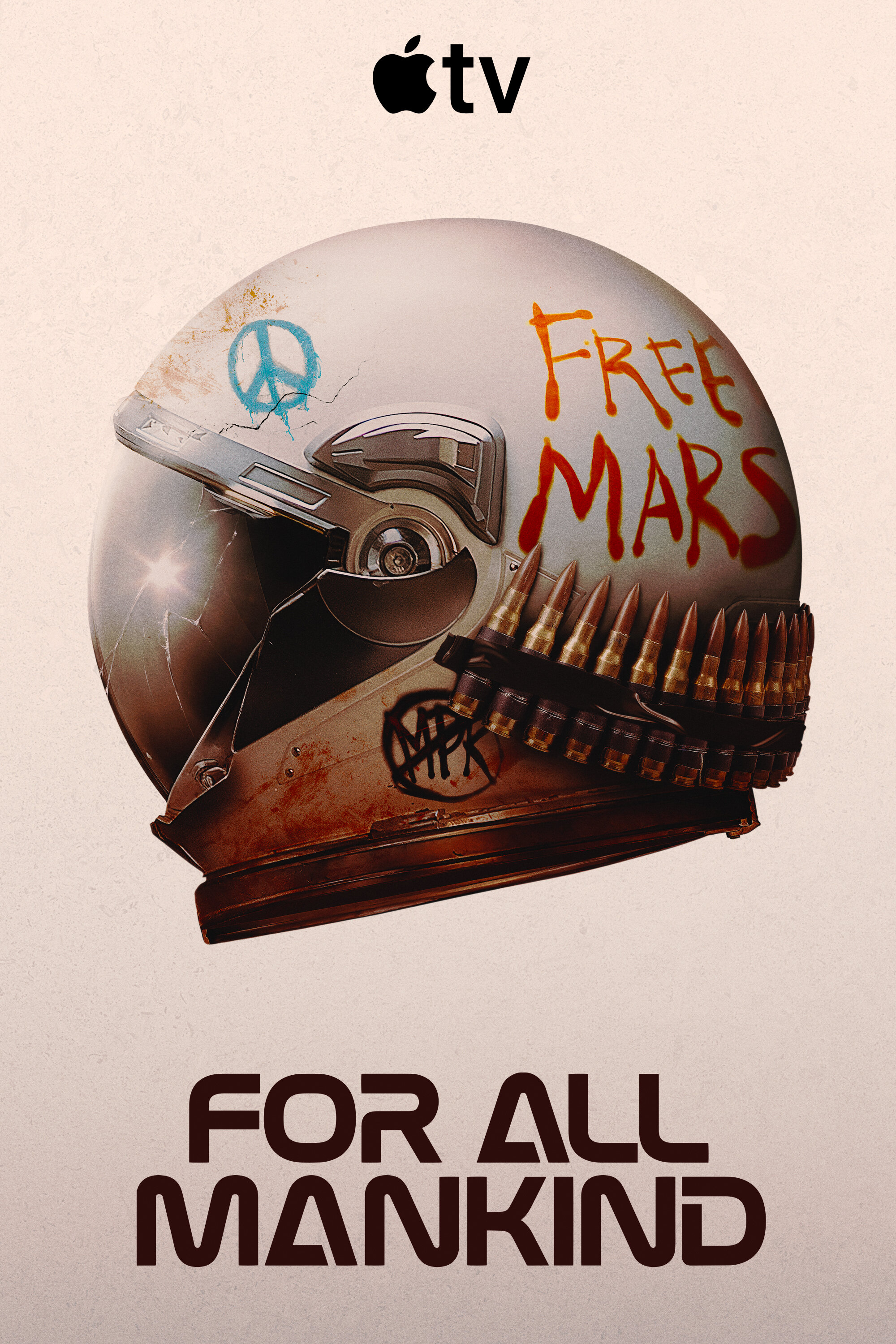
For All Mankind2019
An alternate history where the space race never stopped. Gorgeously designed, earnest, and full of wonder about what we might have achieved if we'd stayed committed.
But The show occasionally sacrifices historical plausibility for drama, and some storylines feel stretched across too many episodes.
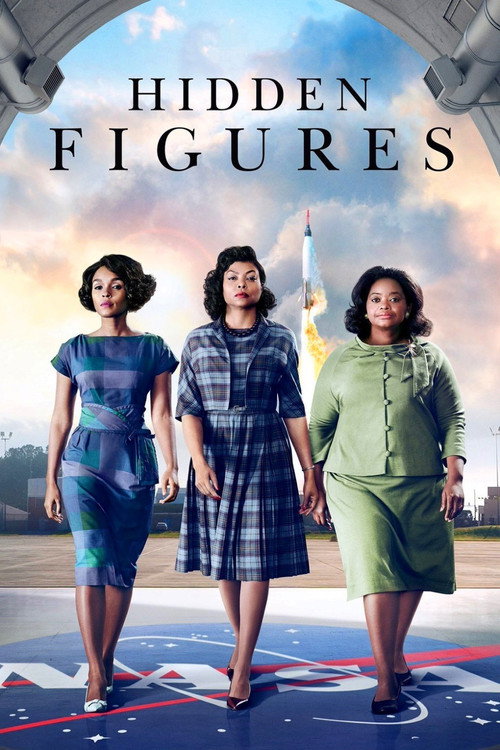
Hidden Figures2016
The mathematicians and engineers—mostly Black women—whose calculations got astronauts to space. Smart, funny, and deeply satisfying. A reminder that space exploration has human heroes we didn't know about.
But The ending softens into inspiration when it could have stayed sharp. Some found the tone too feel-good for the subject matter.
Pale Blue Dot
A short, beautiful documentary about Carl Sagan's famous photograph and what it means to see Earth from so far away. Quiet and meditative where Hubble is grand.
But Only 60 minutes long, and quite slow-moving. If you want spectacle over reflection, this won't satisfy.
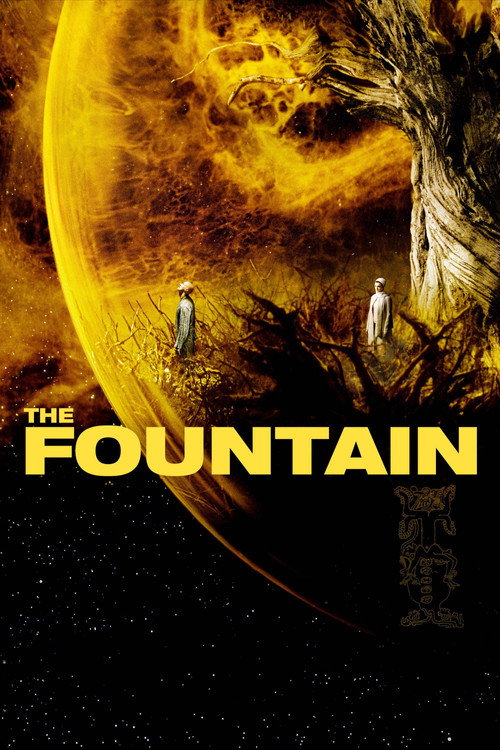
The Fountain2006
Both are love letters to the visual sublime and the attempt to represent the unmeasurable—Hubble through photography, Aronofsky through abstract beauty. Both ask: how do we hold infinity in our minds?
Darren Aronofsky's audacious, visual poem about death, time, and what endures across centuries. Shot on practical effects and driven by score. Profoundly moving if it clicks.
But Deliberately obscure and structurally unconventional. Aronofsky's ambition often outpaces clarity; many find it pretentious or simply confusing.
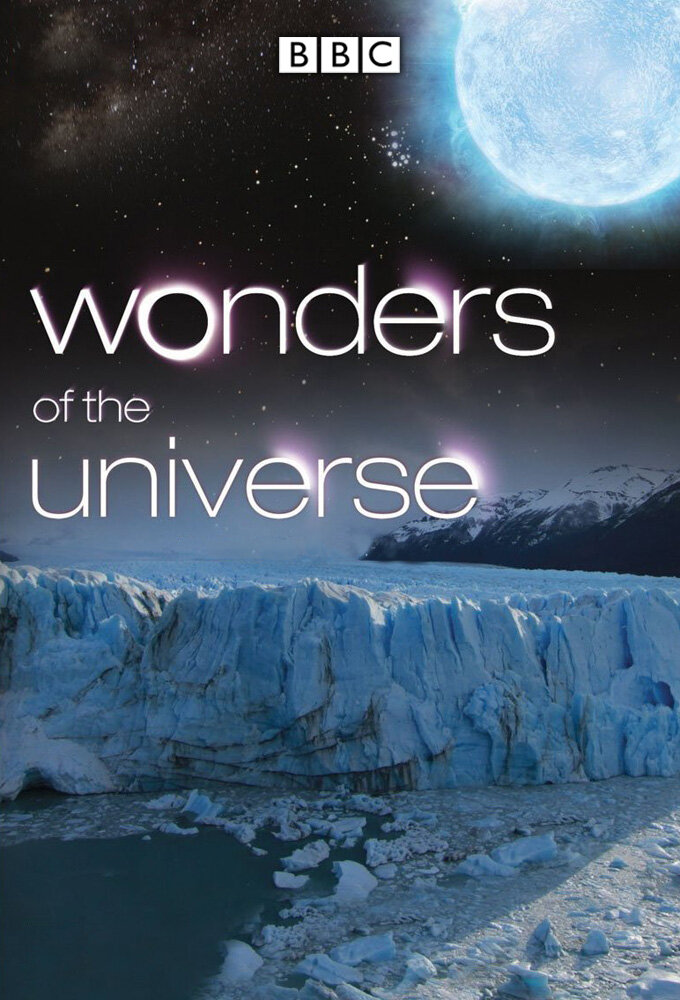
Wonders of the Universe2011
Both treat the universe as a moral and emotional experience, not just a puzzle to solve—but this series is geocentric and earthbound, grounding the cosmic wonder in places you can actually visit.
Brian Cox presents the cosmos from extraordinary locations on Earth—volcanoes, deserts, mountains—tying our planet to the vast machinery above. Intimate and panoramic at once.
But Cox's perpetual amazement can feel performed, and the show prioritizes elegance of presentation over explanatory depth.
People
Cast
- Lars Lindberg ChristensenDirector
Production
- Lars Lindberg ChristensenExecutive Producer