
Television series
PBS Space Time
PBS Space Time is a weekly deep dive into cosmology, physics, and the universe's wildest mysteries. Host Matt O'Dowd makes genuinely difficult concepts—black holes, quantum mechanics, relativity—feel urgent and achievable. Fifteen-minute episodes mean real substance without demanding your whole evening. For anyone who's ever stared at the sky and wondered what's actually happening.
Should you watch it?
Watch it if you enjoy being walked through hard physics ideas by a host who clearly loves them, with quick animated diagrams and a willingness to chase a paradox until it gives up its secret.
Skip it if you want a documentary with real footage, interviews and a steady narrative spine; this is one host explaining concepts at a brisk clip, and the jokes land unevenly for some viewers.
What it asks of you: Each episode runs about fifteen minutes and is dense, so you need to stay alert; it rewards pausing and rewinding more than passive half-attention on a couch.
Not sure? Find tonight's pick in a minute.
If you liked this
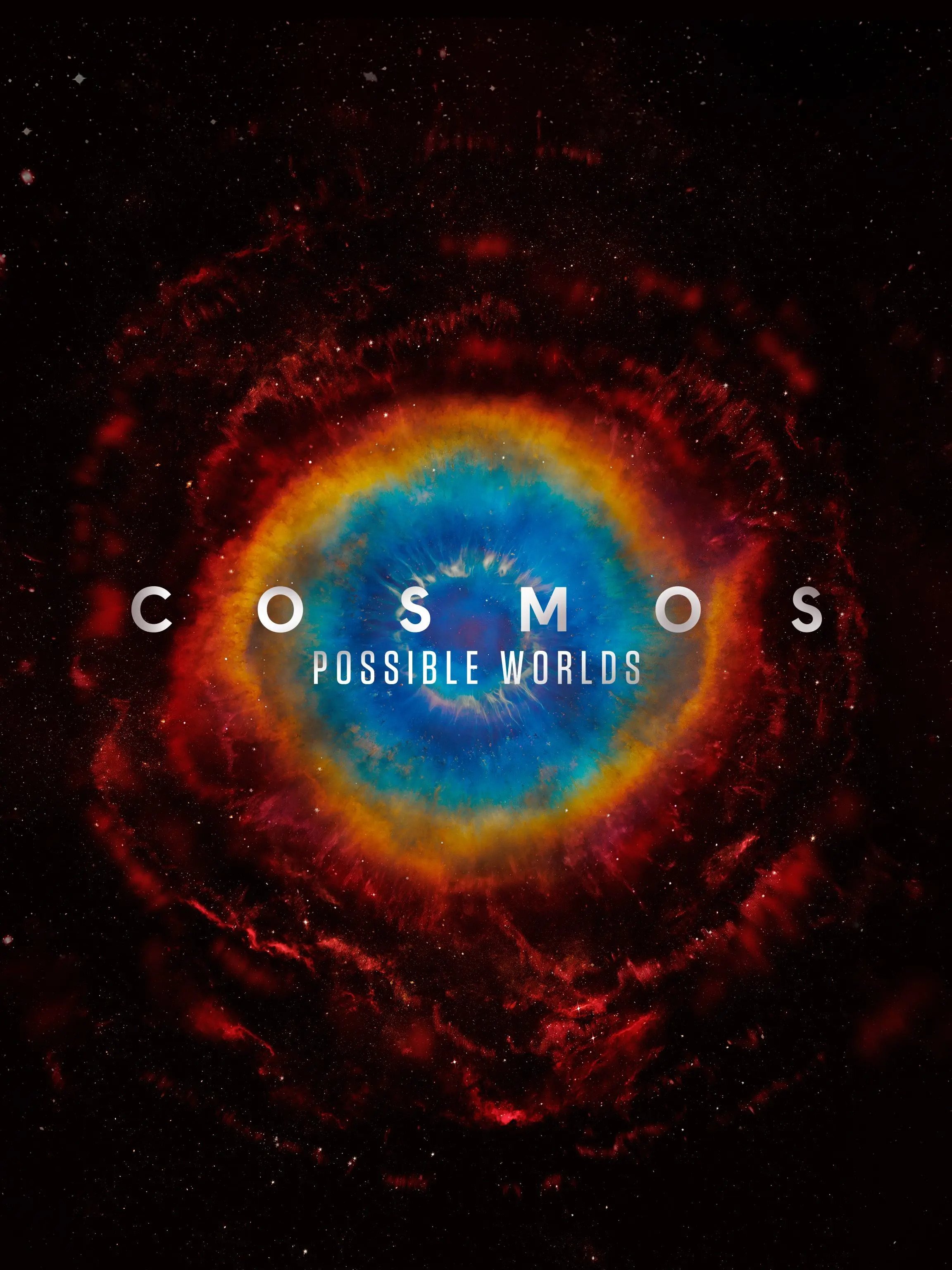
Cosmos1980
Neil deGrasse Tyson's visually stunning tour through the universe hits similar beats: big ideas, accessible language, genuine wonder. Each episode builds confidence in understanding cosmic scales and our place in them.
But Longer format (13 episodes, 40+ minutes each) and sometimes veers toward meditation rather than explanation. Requires more of a time commitment.
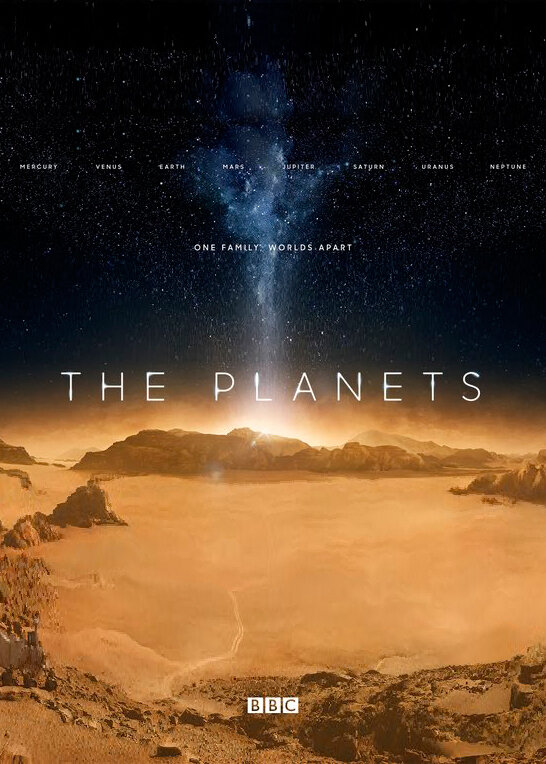
The Planets2019
Documentary series that uses Space Time's core strength—expert explanation—but focuses it on one solar system. Beautiful cinematography, real science, and the chance to feel like an explorer without leaving home.
But More atmospheric than rigorous; it prioritises beauty over the harder physics questions that make Space Time addictive.
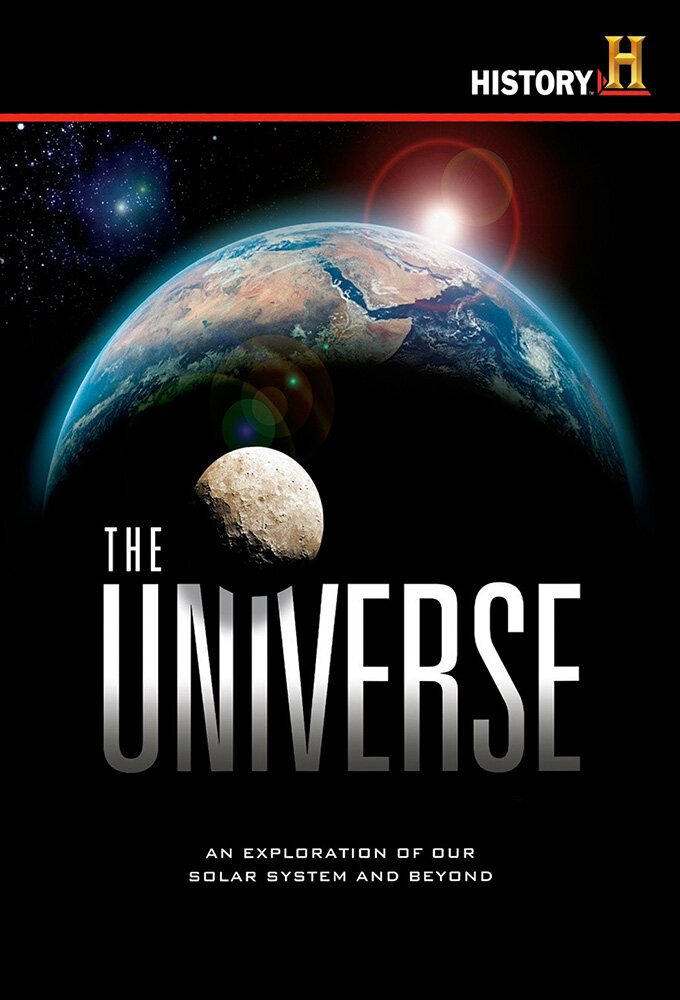
The Universe2007
The History Channel series that made cosmology accessible before YouTube dominance. Each hour builds on real science, with practical explanations and genuine drama in how we discovered what we know.
But Production values feel dated now. Pacing is slower than modern documentaries; less snappy editing.
Not sure tonight? Get a pick in a minute, starting from PBS Space Time
The wildcard
Something you would not have found on your own.
Devs2020
Both grapple with free will, determinism, and what quantum physics means for human choice. Space Time explains the *theory*; Devs explores what it would feel like if it were *true*.
Miniseries that uses quantum mechanics and determinism as the engine for a psychological thriller. Baffling, beautiful, and constantly rewarding rewatches once you understand what it's exploring. Science fiction that earns its science.
But Deliberately obscure plotting. Requires comfort with ambiguity and unanswered questions. Some find it unnecessarily opaque.

More like this (3)
Star stuff2019
Carl Sagan's classic series has aged remarkably well. The philosophical depth alongside the science makes this more than just facts—it's a meditation on meaning through understanding our universe.
But Genuinely slow by modern standards. The 1980 production style is charming but can feel distant to viewers used to sleeker formats.
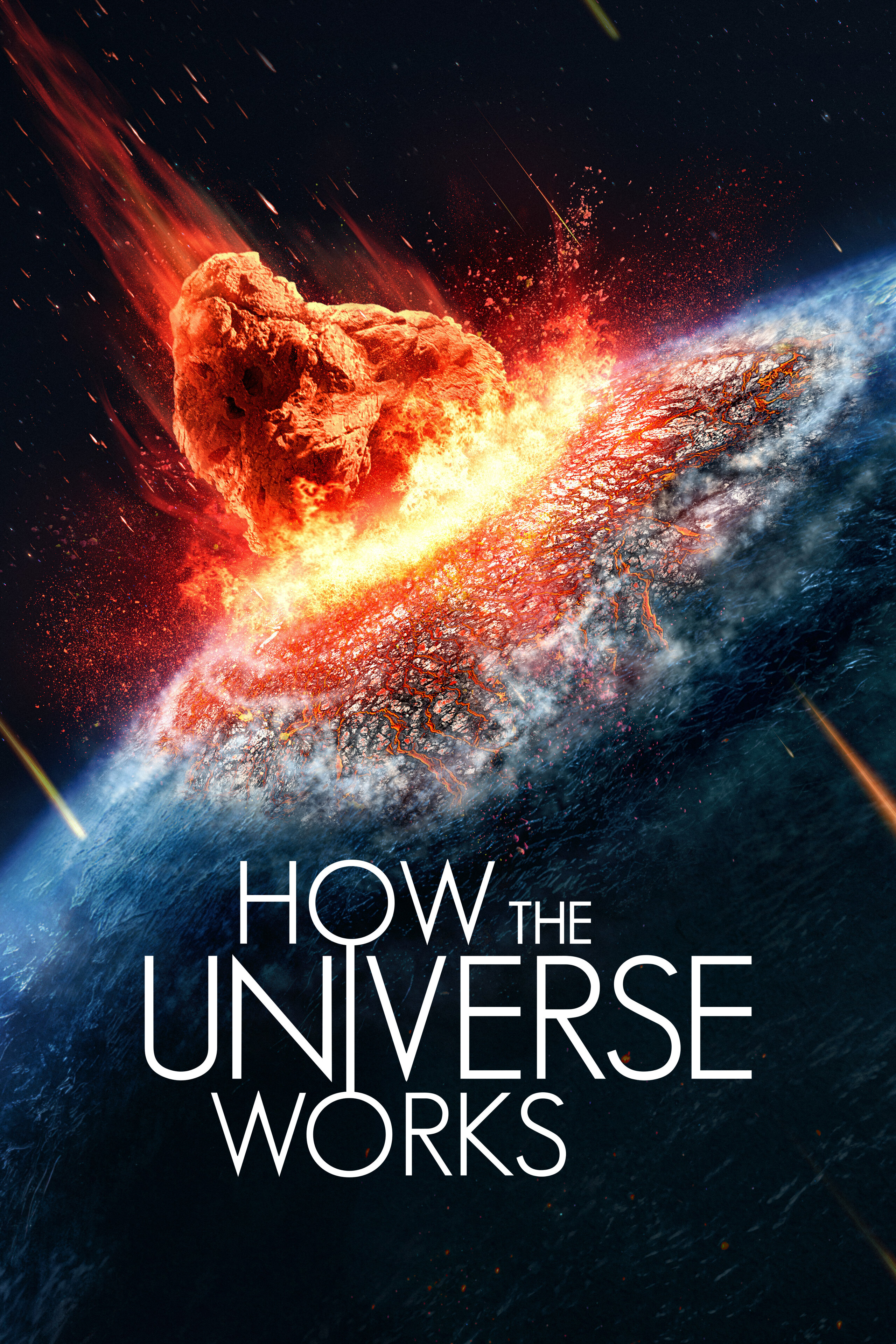
How the Universe Works2010
Discovery Channel's reliable explainer series that covers black holes, dark matter, galaxies, and more. Hosted by Mike Rowe, it's enthusiastic and structured to build understanding episode by episode.
But Relies heavily on CGI that hasn't always aged well. Sometimes prioritises spectacle over rigorous accuracy.
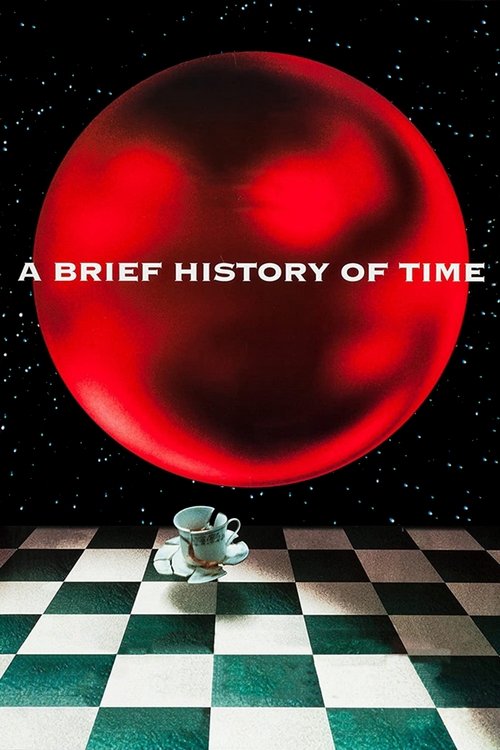
A Brief History of Time1991
Where Space Time treats cosmology as pure discovery, Morris asks: *why* do certain minds feel called to understand it? Both love physics, but this one loves the physicist too.
Errol Morris's documentary profile of Stephen Hawking finds the humanity in theoretical physics. Sees Hawking not as a disembodied genius but as a person fighting through impossible circumstances to understand the universe. Visually inventive, emotionally grounded.
But Dated video effects. Moves slowly and prioritises Hawking's life over deep scientific explanation. Not a substitute for understanding the physics itself.
People
Cast
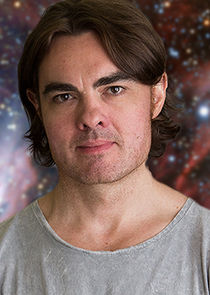 Matthew O'DowdHost