
Television series
Brainchild
- Light-hearted
- Dip in and out
Brainchild is a Netflix science show for kids that uses magic tricks, optical illusions, and hidden-camera pranks to make real physics and psychology tangible and thrilling. Host Sahana Srinivasan asks 'what if?' questions about superheroes, dreams, and social media, then demonstrates the science with playful experiments. It's energetic and genuinely clever—proof that explaining how things work can be as entertaining as the mystery.
Should you watch it?
Watch it if you enjoy hands-on science shows where a magic trick or hidden-camera stunt quietly teaches you how the brain or the world actually works, and you like being asked to guess before the reveal.
Skip it if you want a continuous story or characters to follow, since each short episode is a self-contained demonstration and the host's energy stays bright and bouncy throughout.
What it asks of you: Thirteen episodes of roughly twenty-three minutes each, so it is easy to dip into, and it wants you to play along and stay curious rather than sit back and simply absorb.
Not sure? Find tonight's pick in a minute.
If you liked this
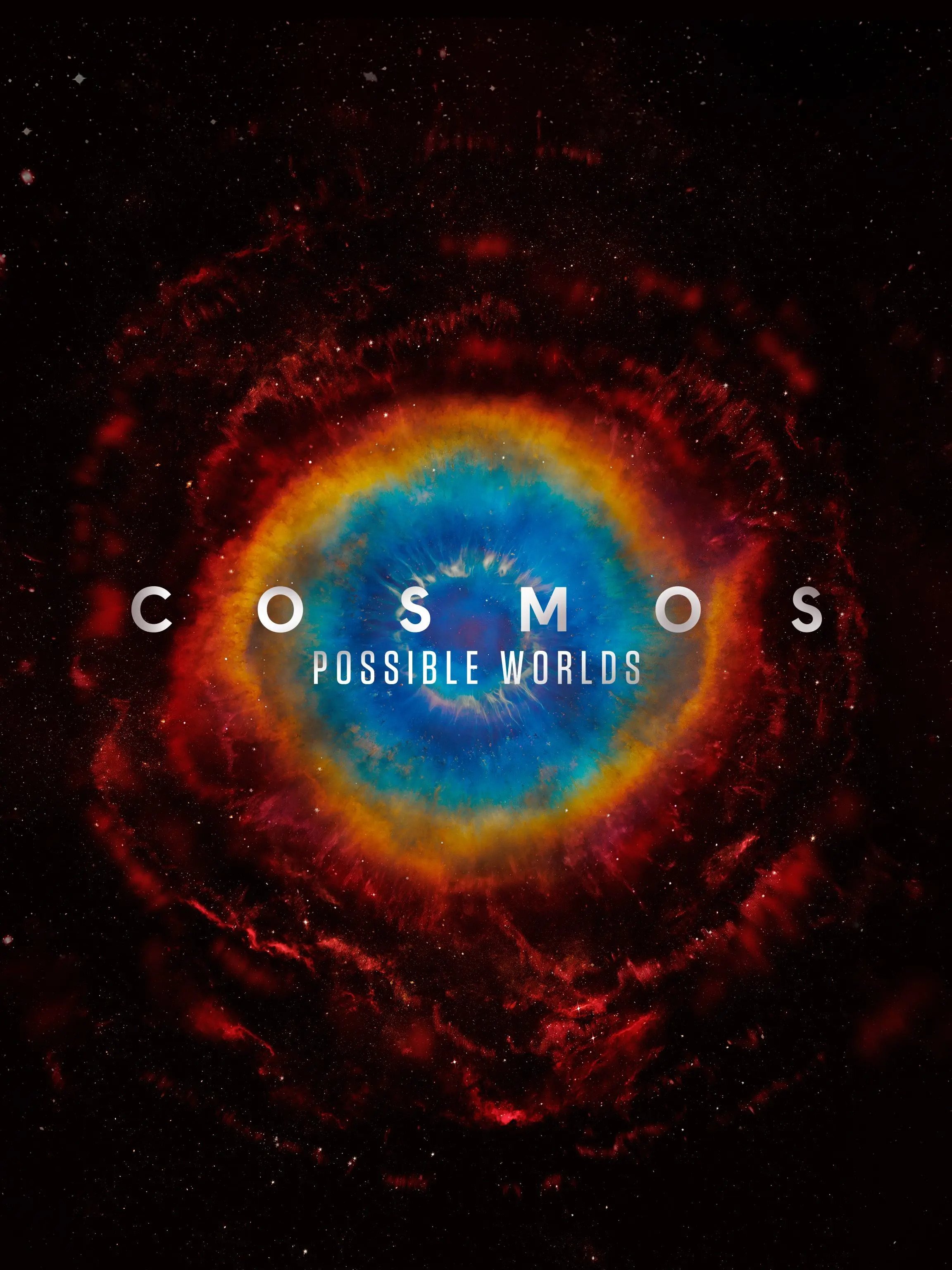
Cosmos1980
Carl Sagan's vision for a new generation, with stunning visuals and an enormous scope that makes you feel small in the best way. Each episode unfolds like a story, not a lecture.
But Thirteen hours is a commitment, and it goes philosophical in ways that younger kids might find slow. Some prefer bite-sized science.
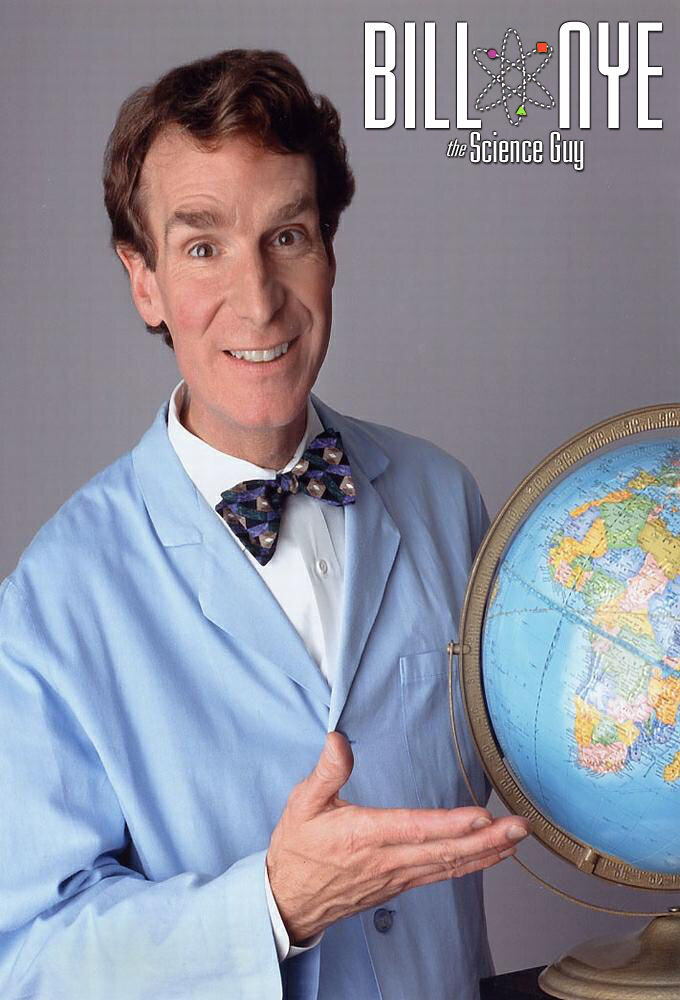
Bill Nye: The Science Guy1993
The template for science edutainment done right: Bill makes chemistry and physics genuinely funny, with experiments you actually want to try yourself. It feels like hanging out with someone who loves this stuff.
But The 90s aesthetic and slightly condescending tone toward kids hasn't aged perfectly. The pacing is relentless—no breathing room.
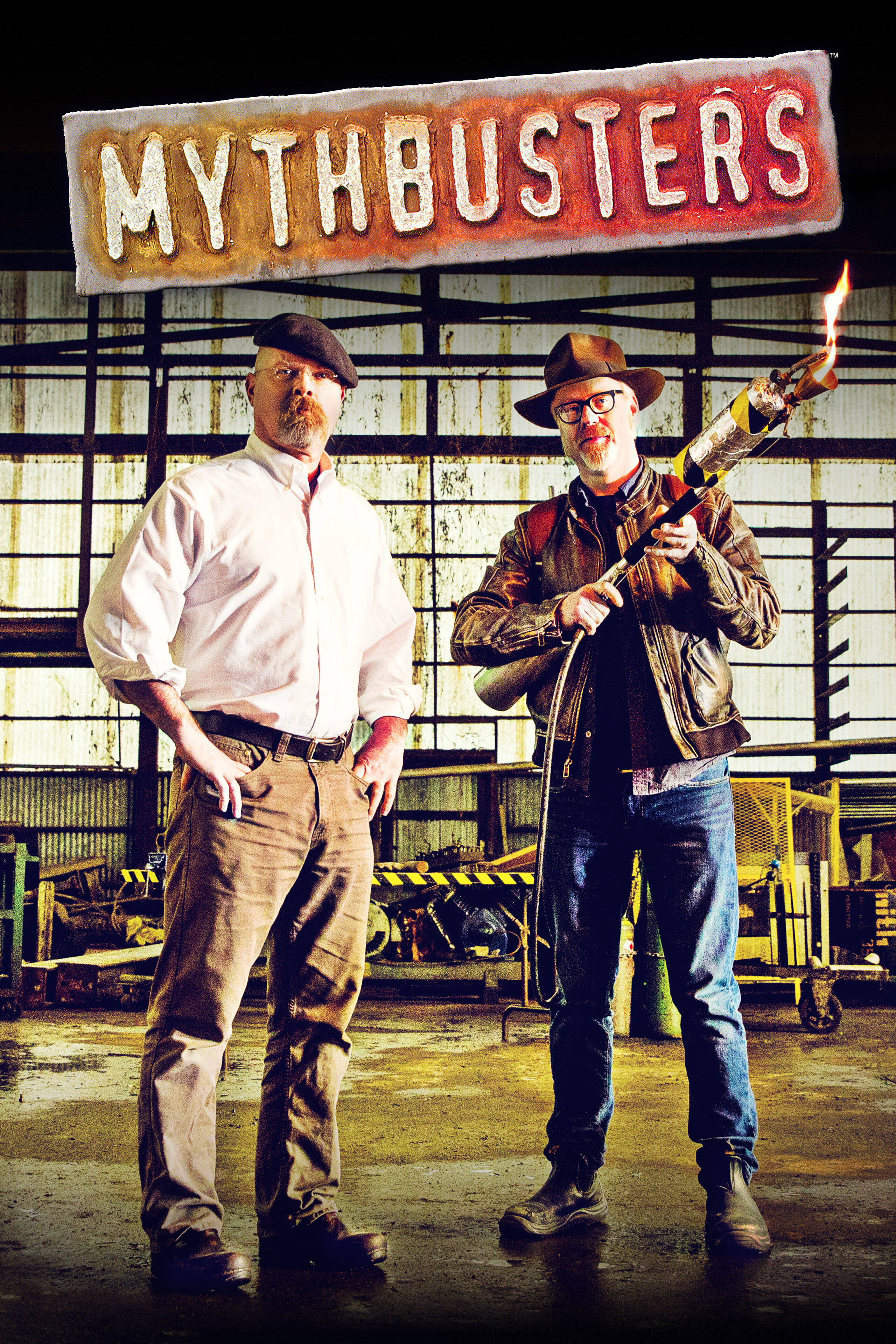
Mythbusters2003
Adam and Jamie blow things up to test whether internet legends are true or false. It's pure curiosity in action—the experiments are the plot, and failure is as satisfying as success.
But Fourteen seasons is overwhelming to start. Some episodes meander. And the appeal drops if you don't care whether that chainsaw actually works.
Not sure tonight? Get a pick in a minute, starting from Brainchild
The wildcard
Something you would not have found on your own.
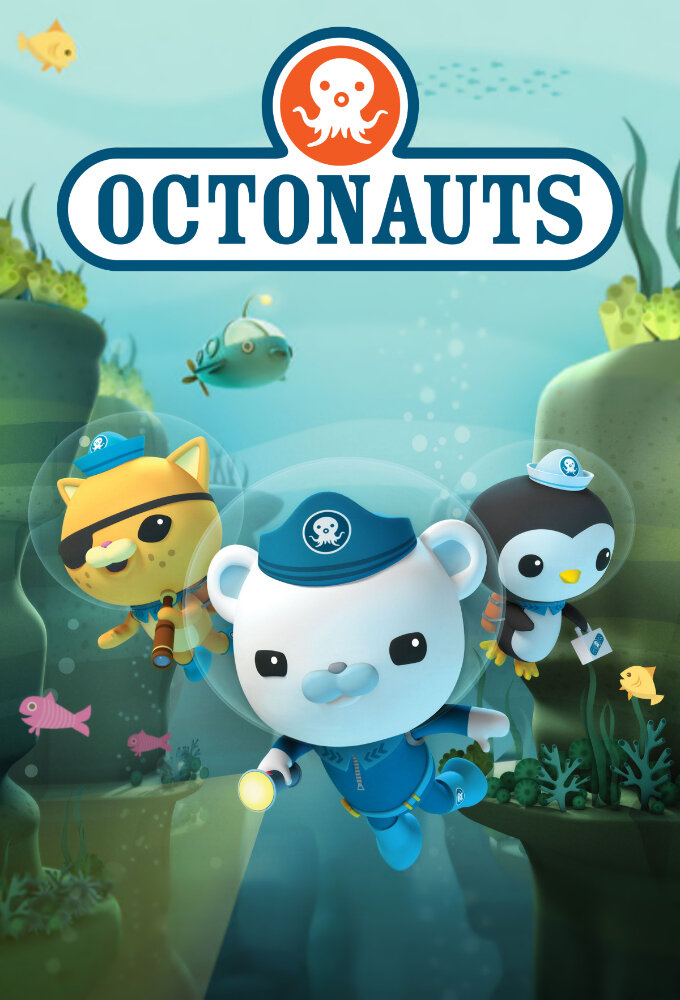
Octonauts2010
Both use spectacle and play to make science feel like exploration rather than instruction—the host/crew is always asking 'what happens if?' and then finding out.
A crew of animal explorers investigates ocean mysteries. It sneaks marine biology into adventure plots, and the character design is irresistible. Kids absorb real facts about deep-sea creatures without realizing they're learning.
But It leans heavily on action and cuteness over explanation. If you want rigorous science, it's too much 'adventure' and too little 'why.' Some episodes are slight.
More like this (4)
How It's Made2001
Pure meditative joy. Watch everyday objects—pencils, batteries, candy—get manufactured in fascinating, repetitive processes. Oddly calming and genuinely surprising.
But It's background viewing, not active engagement. No narrative, no stakes, no explaining the 'why.' Some find it boring on first watch.
The Great British Bake Off2010
Baking is applied chemistry—heat, fermentation, structure, timing. Watching people execute complicated recipes under pressure is genuinely thrilling, and the show treats everyone with kindness.
But It's not explicitly about science; you have to make that connection yourself. If you're not interested in baking, the format won't carry you.
Elinor Wonders Why2020
A curious girl explores nature with her worm companion, asking real questions about ecosystems and animal behavior. Gentle, genuine, and it models intellectual curiosity beautifully.
But Very gentle. Some kids want explosions and pranks, not quiet investigation. Shorter format means less depth per topic.
Bluey2018
Like Brainchild, it believes play is how humans learn. Both trust that joy and understanding go together, and that a curious mind is the real subject.
An Australian show about a dog family playing imaginative games. It teaches problem-solving, physics, and social reasoning through play itself. Exceptional writing for all ages, genuinely moving.
But It's not a science show, so if you're looking for explicit explanation, you won't find it. The emotional maturity might feel slow compared to action-driven content.
People
Cast

Writing
- Adam DavisCreator
- Jerry KolberCreator
Production
- Pharrell WilliamsExecutive Producer