Television series
Celebrity Rehab with Dr. Drew
Celebrity Rehab with Dr. Drew follows real celebrities through residential addiction treatment, documenting their withdrawals, breakthroughs, and setbacks with unflinching honesty. It's simultaneously heartbreaking and oddly intimate—you're watching people at their most vulnerable, guided by Dr. Drew's steady presence. Gripping for anyone curious about addiction's reality or drawn to authentic human drama.
If you liked this
Intervention2005
The gold standard of addiction documentary television. Each episode follows one person's descent and their family's intervention with surgical emotional precision. Rawer and more humanizing than you'd expect.
But Relentlessly bleak. Watching someone deny obvious truth while loved ones plead gets exhausting, and some episodes end badly. Not comfort viewing.

Drugs, Inc.2010
Documentary series that interviews actual addicts and dealers about their lives with anthropological curiosity. Far less judgmental than you'd expect, more illuminating about how addiction operates in the real world.
But Some episodes feel voyeuristic. The access sometimes reads exploitative, and the production occasionally glamorizes the lifestyle it's documenting.

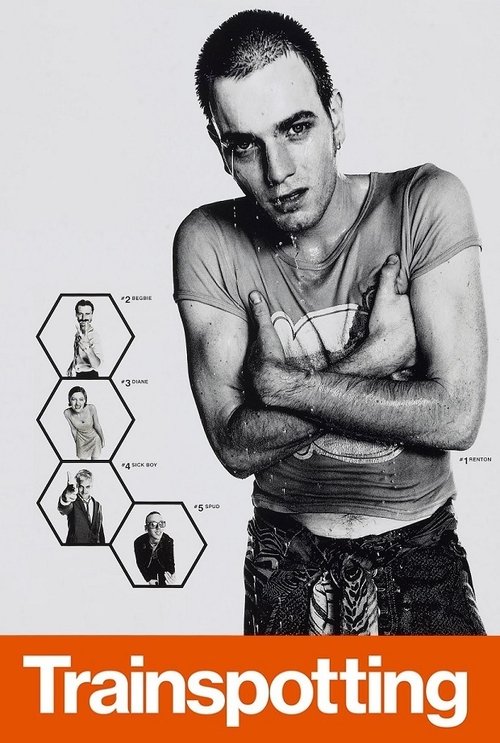
Trainspotting1996
Still the definitive artistic statement on addiction's psychology and social conditions. Kinetic, funny, and completely unsentimental while remaining devastatingly human. A masterpiece.
But Deliberately ugly and abrasive. The famous scene is genuinely vile, the language is brutal, and it doesn't offer comfort or easy answers. Emotionally demanding.
Not sure tonight? Get a pick in a minute, starting from Celebrity Rehab with Dr. Drew
The wildcard
Something you would not have found on your own.
Ozark2017
Explores addiction's psychological architecture through a different lens—behavioral rather than chemical, but the same machinery of escalation and family destruction.
While ostensibly about money laundering, it's really about how addiction to control and chaos mirrors substance addiction—the rush, the denial, the family cost. Jason Bateman's Walter White-adjacent arc shows how Celebrity Rehab's patterns play out across different addictions.
But Extremely dark and slow-burn. The violence is sudden and shocking rather than constant, which some find more disturbing. Also: it's very long commitment.

More like this (7)
The Basketball Diaries1995
Gritty, unflinching account of a talented young man's rapid descent into heroin addiction told in real time. Captures the seduction and self-deception of drug use with brutal clarity.
But Deeply depressing and exploitative in moments. The famous bathtub scene is gratuitous, and the film sometimes seems to revel in degradation rather than examine it.

28 Days2000
Surprisingly intelligent mainstream film about recovery that doesn't condescend or oversimplify. Treats rehab as messy, unglamorous work with real relationships and genuine resistance to change.
But Feels dated now. The tone is occasionally sitcom-adjacent, and some emotional beats land soft when they should land hard.

Skin in the Game2014
Documentary series following actual addiction recovery programs and the people working in them. Patient, unglamorous, and genuinely interested in why recovery fails and occasionally succeeds.
But Deliberately slow-paced. There's no manufactured drama—sometimes an episode is just a person struggling quietly. Patience required.

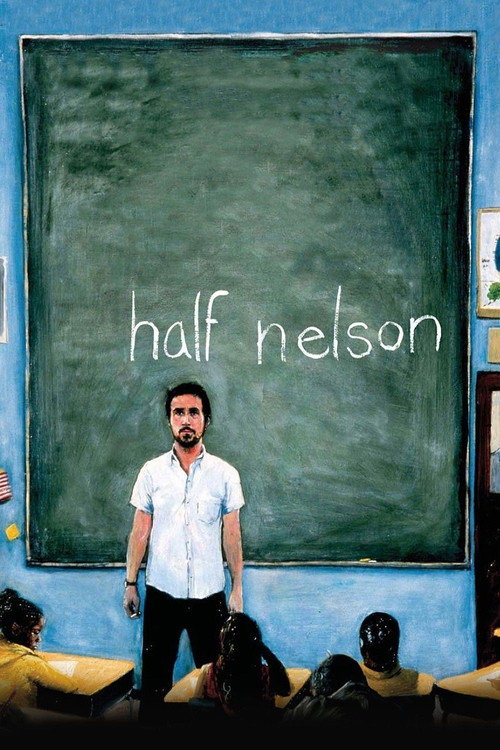
Half Nelson2006
A teacher's cocaine addiction seen through his own denial and the eyes of a young student who discovers it. Thoughtful, small-scale, and refuses the expected emotional climax or redemption.
But Deliberately ambiguous and unresolved. Doesn't satisfy the urge for narrative closure or character transformation.
Requiem for a Dream2000
Parallel stories of four addicts—heroin, amphetamines, prescription pills, food—shown with ferocious visual style. Makes addiction's mechanics visible rather than just describing them.
But Punishing to watch. The sound design is deliberately anxiety-inducing and the film offers no reprieve. One viewing is often enough.

The Man with the Golden Arm1955
Proto-template for addiction narrative—the structure Rehab follows was essentially invented here, but treated as genuine tragedy rather than TV spectacle.
Preminger's 1955 look at a heroin addict returning to Chicago after recovery shows the exact same relapse patterns, shame cycles, and social pressures Celebrity Rehab documents, but with noir gravity and zero sentimentality.
But Seventy years old, shot in black-and-white, moves slowly by modern standards. The dialogue and rhythms feel very period. Requires patience.

Synecdoche, New York2008
Both explore how people create elaborate narratives to avoid confronting their actual behavior—Rehab shows this literally and plainly; Synecdoche shows it through abstract nightmare logic.
Kaufman's baroque, exhausting film about a theater director constructing an elaborate replica of life is really about addiction to control and the fantasy of self-awareness—the exact denial mechanism playing out in Celebrity Rehab but in artistic metaphor.
But Deliberately obscure and self-indulgent. Some find it unwatchable. The structure is a maze, the tone unsettling, and there's no payoff in the traditional sense. Demands active interpretation.