
Film
Crack: Cocaine, Corruption & Conspiracy
A sharp, angry reassessment of the crack epidemic's real history and whose hands shaped the panic. Director Stanley Nelson untangles how race, class, media manipulation and government policy conspired to destroy Black communities while corporate cocaine use went untouched. Essential viewing that corrects the record.
Should you watch it?
Watch it if you want a sober, well-sourced look at how policy and press turned a drug into a crisis, and you like interview-led documentaries that argue a case rather than just narrate.
Skip it if you came for the drug's chemistry or a neutral chronology; this is an argument with a clear point of view, built mostly from interviews rather than archive drama.
What it asks of you: Under ninety minutes, it moves briskly and stays in conversation, so it wants steady attention to names, dates and arguments more than emotional release.
Not sure? Find tonight's pick in a minute.
If you liked this
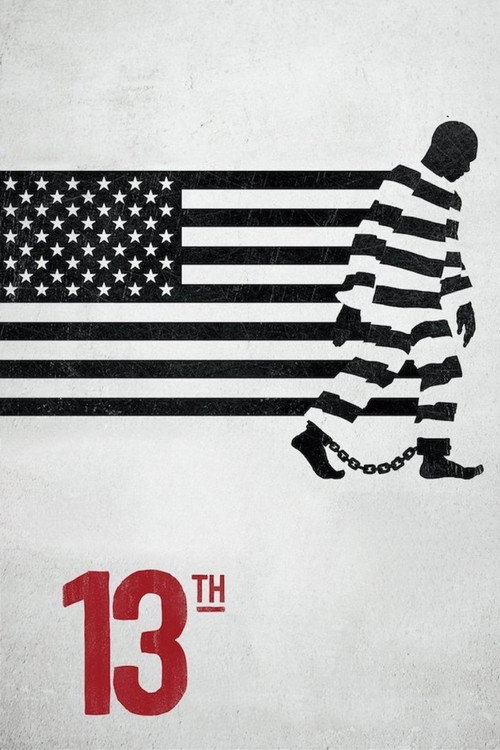
13th2016
Ava DuVernay's documentary traces mass incarceration from slavery through the present, revealing systemic patterns of control and profit. It contextualizes crack within America's longer history of criminalizing Black bodies.
But Relentlessly heavy. No moments of lightness or reprieve—it's designed to unsettle, not comfort.
Killing the Dream2018
Explores the assassination of MLK Jr. through declassified documents and fresh investigation. Shows how government targeting of Black leaders didn't end—it just changed methods.
But Speculative in places. Not all claims are definitively proven, which troubles some viewers.
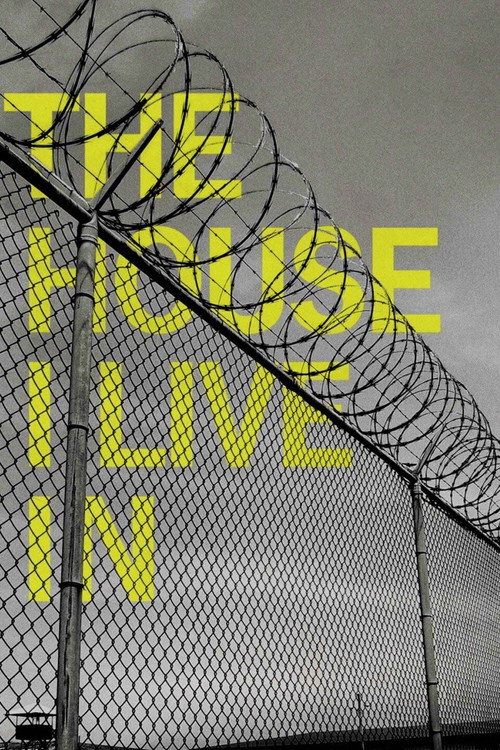
The House I Live In2012
Eugene Jarecki's documentary follows the war on drugs from multiple angles—from street dealers to DEA officials to families destroyed. Humanizes those the system abandoned.
But Covers enormous ground across ninety minutes, which means some threads feel rushed or incomplete.
Not sure tonight? Get a pick in a minute, starting from Crack: Cocaine, Corruption & Conspiracy
The wildcard
Something you would not have found on your own.
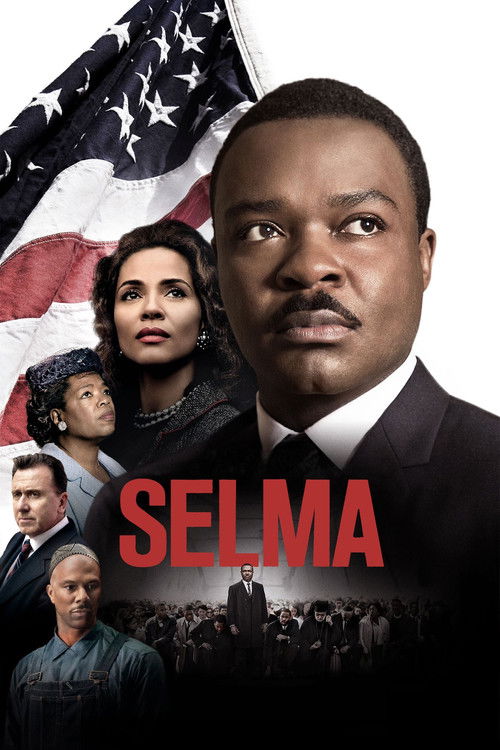
Selma2014
Both expose how American institutions—law, media, government—have systematized the destruction of Black communities across decades. *Selma* is the structural ancestor; *Crack* shows what that legacy looks like in the 1980s.
Ava DuVernay's drama reconstructs the 1965 voting rights march, showing institutional violence against Black Americans fighting for citizenship. It's not a documentary, but it's about the long arc of systemic exclusion that enabled crack's targeting of Black neighborhoods.
But A prestige drama that can feel distant or ceremonial. Some find it less angry than the moment deserves.
More like this (6)
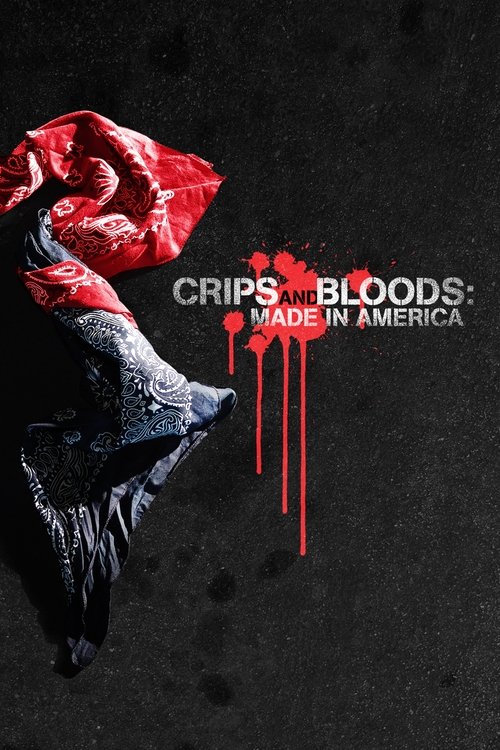
Crips and Bloods: Made in America2009
Documentary examining the Iran-Contra scandal and the CIA's alleged involvement in cocaine trafficking to fund coups. Directly addresses government complicity in the drug trade.
But Demands viewers know historical context. Some segments feel tangential to the main thread.
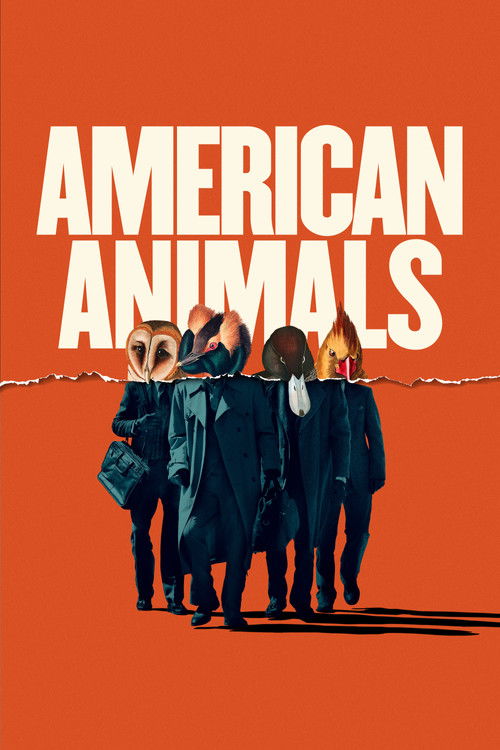
American Animals2018
A heist film that blurs documentary and fiction, using real interviews alongside dramatized scenes. Fresh formal approach to examining how narrative shapes what we believe.
But The tonal shifts between real and fictional confuse some viewers. It's clever-clever, which wears thin if that's not your speed.
Fyre2019
Netflix's documentary deconstructs how hype, media complicity and racial erasure created a perfect disaster. Shows modern systems of manipulation in real time.
But Focuses on a wealthy man's fraud rather than systemic harm. The stakes feel small compared to crack's devastation.

Dopesick2021
Eight-episode series on the opioid crisis' roots in pharmaceutical deception and corporate greed. Shows how a different drug panic followed eerily similar playbook but targeted different communities.
But Spreads its story across multiple episodes when a film might punch harder. Some subplot feel like padding.

Requiem for a Dream2000
Where *Crack* asks *why* we criminalized some addictions and not others, *Requiem* shows *how* addiction destroys without judgment. One contextualizes the hysteria; the other humanizes its casualties.
Darren Aronofsky's narrative film about addiction (to drugs, diet pills, television) across four lives is visually devastating and morally serious. It treats addiction as a human crisis, not a criminal one.
But Relentlessly bleak and formally exhausting. The sound design alone is punishing. Not for viewers seeking escape.

La Haine1995
Both show how state and media conspiracy creates scapegoats from marginalized youth. *La Haine* is European, narrative, and decades earlier, but it's asking the same question: what do we do when institutions are designed to destroy you?
Mathieu Kassovitz's black-and-white film about three young men in a French banlieue under police siege captures the texture of rage and criminalization. Not about drugs specifically, but about being hunted by systems that don't see you as human.
But French with subtitles. The rage is relentless—there's no catharsis, only exhaustion. Some find it repetitive in its despair.

People
Cast
- Carl HartSelf – Neuroscientist
- Koe RodriguezSelf
 Nelson GeorgeSelf
- Corey PeguesSelf
- Samson StylesSelf
 Felipe LucianoSelf
 Ronald ReaganSelf (archive footage)
 Nancy ReaganSelf (archive footage)
 Bill ClintonSelf (archive footage)
 Hillary ClintonSelf (archive footage)
- James TraficantSelf (archive footage)
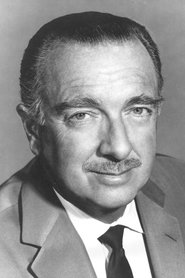 Walter CronkiteSelf (archive footage)
Directing
- Stanley NelsonDirector
Production
- Marcia SmithExecutive Producer
- Cameo GeorgeProducer
- Keith BrownProducer
- Naimah Jabali-NashProducer
- Nicole LondonProducer