
Film
Crips and Bloods: Made in America
- Street-gang crime
- Very dark
Stacy Peralta's unflinching documentary traces the Crips and Bloods from their 1970s origins through decades of Los Angeles gang violence. Built on interviews with former and current members, it investigates how poverty, systemic racism, and fractured communities created the conditions for this specific, devastating form of violence. It's rigorous and human—neither exploitative nor sympathetic to the point of evasion.
Should you watch it?
Watch it if you want to understand the conditions behind a generation's violence, and you would rather hear people explain their own lives than be handed a verdict.
Skip it if you want a fast, plot-driven story, since this is a measured documentary built around testimony and narration.
What it asks of you: Ninety-three minutes, unhurried, with the narrator's voice carrying you through hard material; it wants your full attention rather than background company.
Not sure? Find tonight's pick in a minute.
If you liked this
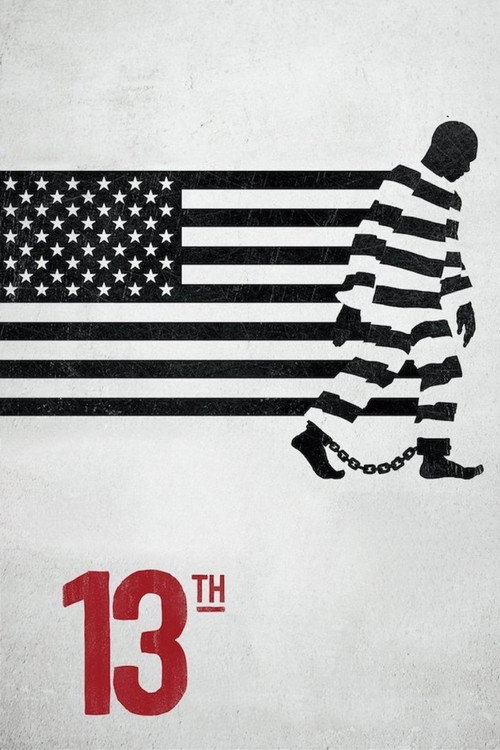
13th2016
Ava DuVernay's essential documentary connecting mass incarceration directly to slavery and Jim Crow. If Crips and Bloods makes you ask why young Black men turn to gangs, this explains the systems that made that choice feel inevitable.
But Dense with archival footage and legal detail—it demands active viewing rather than passive consumption. Can feel relentless in its indictment.
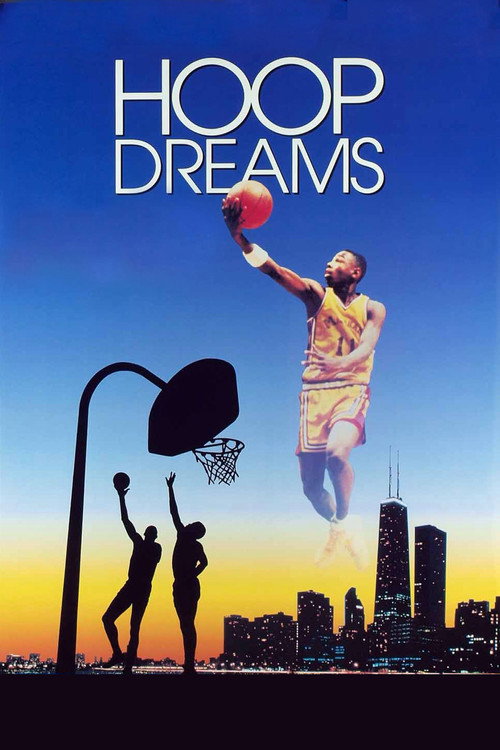
Hoop Dreams1994
A five-year portrait of two Black teenagers and basketball, following them into adulthood. The quiet, patient storytelling shows how systems fail individuals before gangs or crime ever enter the picture. Devastating without sensationalism.
But Nearly three hours and slow-paced. The basketball element is secondary to sociological observation, which not everyone is looking for.
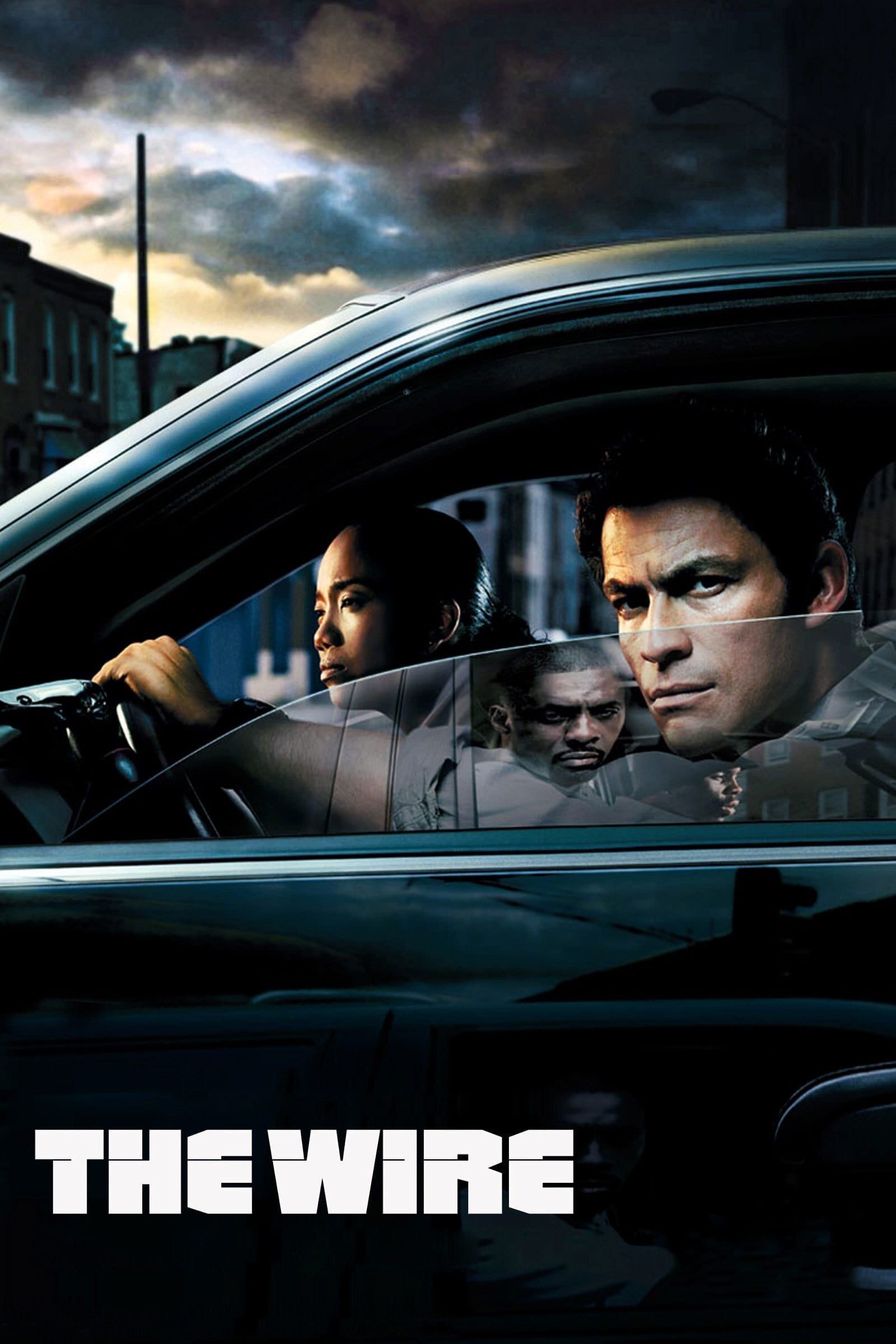
The Wire2002
David Simon's five-season series uses Baltimore's drug trade as a lens into schools, politics, media, and police—structural problems that Crips and Bloods documents at street level. Fictional but forensically accurate.
But Sprawling and demands real attention. Early seasons move deliberately; if you're used to faster television, it can feel slow before it hooks you.
Not sure tonight? Get a pick in a minute, starting from Crips and Bloods: Made in America
The wildcard
Something you would not have found on your own.
The Social Network2010
Both trace how systematic exclusion drives young men to build alternative hierarchies and economies, using the tools available to them.
Same year, same energy: young men with nothing to lose, operating outside systems, building empires from information and relationships. Sorkinese speed masks that this is also about exclusion—who gets in, who's locked out. Peralta shows the lockout; Fincher shows the rebellion.
But Feels tonally opposite—snappy, scored, seductive. Requires you to see the parallelism yourself; film doesn't make it explicit.

More like this (6)
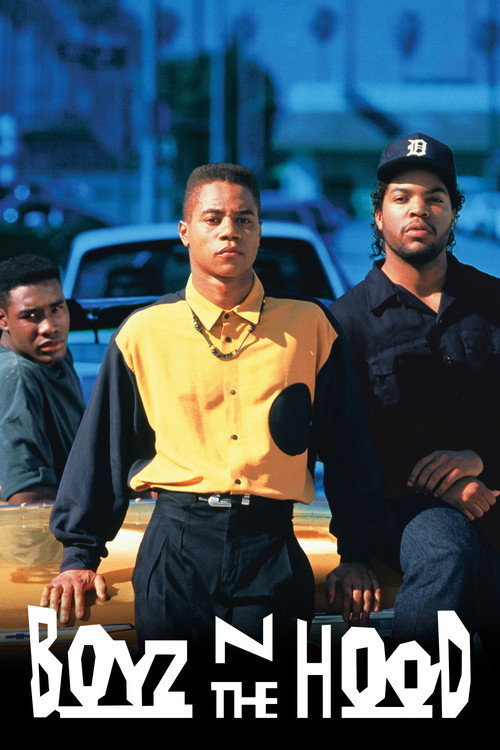
Boyz n the Hood1991
John Singleton's narrative feature about South L.A. youth during the exact period Crips and Bloods covers. It dramatizes the tensions and choices the documentary presents through real people—different approach, complementary depth.
But A 1991 film has a 1991 feel, which some find dated. The handling of female characters is thinner than everything else.
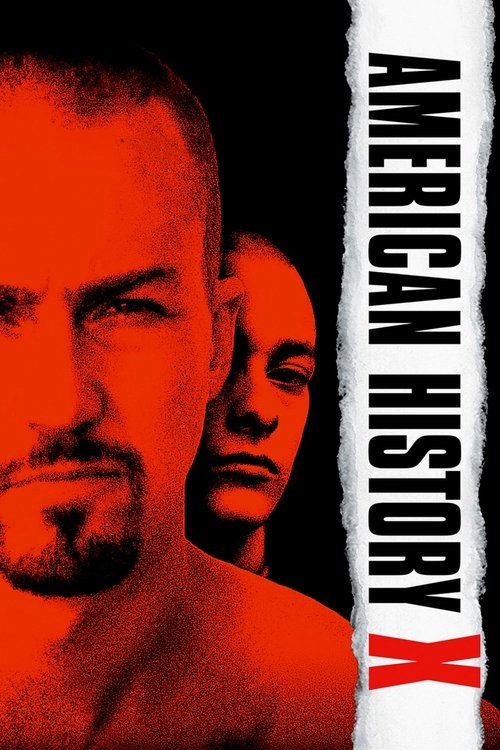
American History X1998
Derek Vinyard's journey out of white supremacy parallels gang defection narratives. A brutal examination of how ideology fills the void left by poverty and powerlessness—the inverse ethnicity, same mechanism.
But Viscerally violent and didactic. The film's moral clarity can feel heavy-handed. Not subtle.
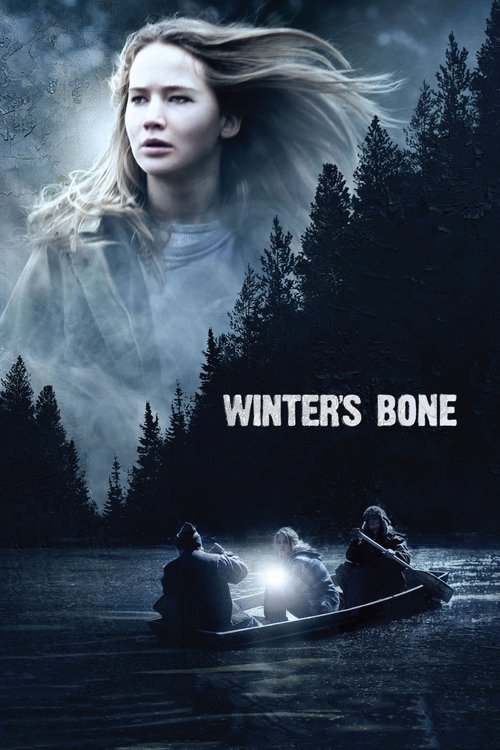
Winter's Bone2010
Ree Dolly navigates her methamphetamine-addicted community in the Ozarks with the same resourcefulness gang members apply to survival. Poverty creates different gang structures; same desperation, different geography.
But Bleak throughout. Quiet and unsentimental in ways that can feel cold. Slow burning.
The Tale of The Princess Kaguya2013
Isao Takahata's animated film about systems that trap and destroy young women parallels how Crips and Bloods shows systems trapping young men. Beautiful illustration of inescapable structural violence.
But Animated and Japanese, which can deter some. The connection is thematic rather than direct; it requires you to make a leap.

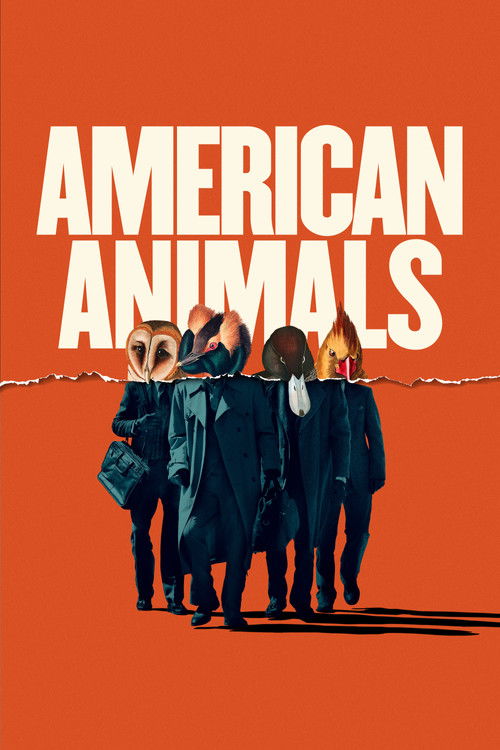
American Animals2018
A heist film that interrogates why young men commit crime when alternatives exist—the inverse question gang documentaries ask. Formally inventive, unexpectedly philosophical about choice and desperation.
But Assumes you're interested in formal experimentation. The tone shifts between frivolous and serious; some find it annoying rather than clever.
Memories of Murder2003
Both show what happens when institutions—police, government, education—stop protecting people, and how that gap fills with violence.
Bong Joon-ho's South Korean serial killer film is ostensibly a police procedural, but it's really about corruption, powerlessness, and how systems fail communities. A detective's rage at injustice mirrors gang members' rage at abandonment. Different country, same mechanism of breakdown.
But Subtitled, lengthy, and structurally unconventional. The 'mystery' is resolved but the film keeps going—some find it frustrating rather than profound.

People
Cast
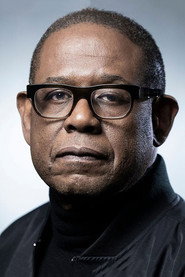 Forest WhitakerNarrator
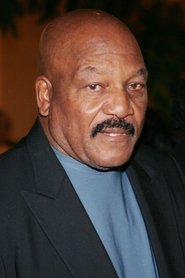 Jim BrownHimself
Recommended by
The Interrupters, Rubble Kings, 80 Blocks from Tiffany's, Crack: Cocaine, Corruption & Conspiracy