
Film
Rubble Kings
- Street-gang crime
- Very dark
Rubble Kings reconstructs the true story of New York's 1970s street gangs through archival footage and interviews, focusing on the real-world Warriors who inspired the cult film. It's a vivid, unglamorous portrait of youth violence in a collapsing city—how survival and belonging looked when the world had abandoned entire neighborhoods. Essential viewing for anyone fascinated by urban history or the gap between myth and reality.
Should you watch it?
Watch it if you love documentaries built from archival footage and first-hand recollection, where the past feels close enough to touch and the city itself becomes a character in the telling.
Skip it if you want a tight, fast-moving narrative with dramatized scenes; this is a patient, talking-heads and found-footage kind of film that rarely reaches for spectacle.
What it asks of you: It runs a brisk seventy-one minutes and asks you to sit with grainy old images and people looking back, letting the picture of 1970s New York assemble slowly rather than hurrying you along.
Not sure? Find tonight's pick in a minute.
If you liked this
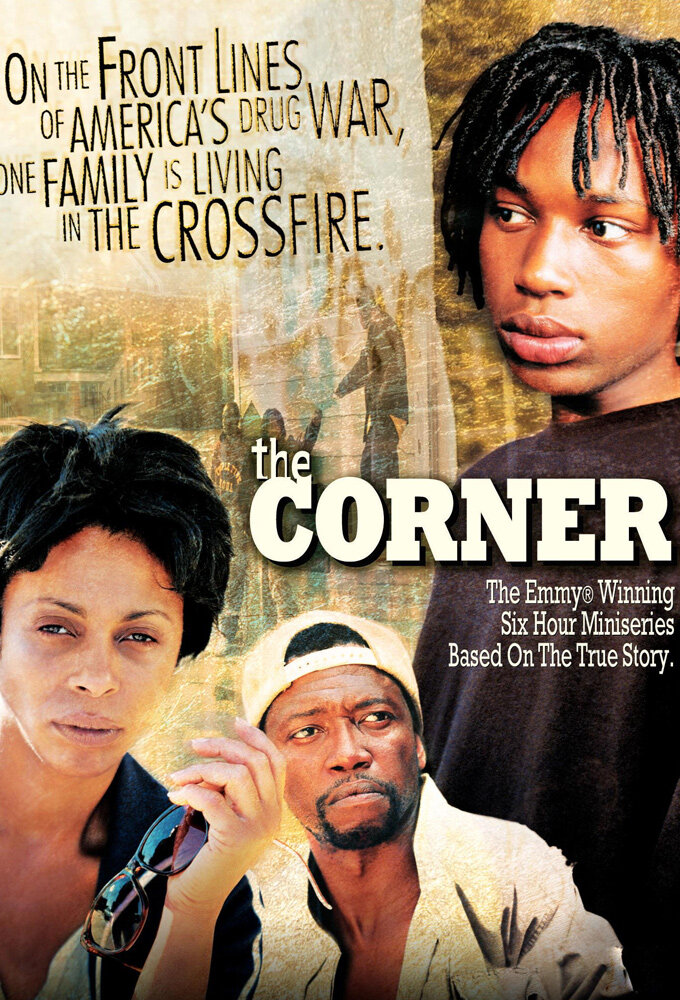
The Corner2000
HBO miniseries capturing Baltimore's drug economy and street life with unflinching detail. Like Rubble Kings, it uses real people and places to show systemic collapse through individual lives, refusing easy answers or sentiment.
But It's bleak and patient—things move slowly, and there's no redemptive arc waiting at the end. Some viewers find it oppressively depressing.
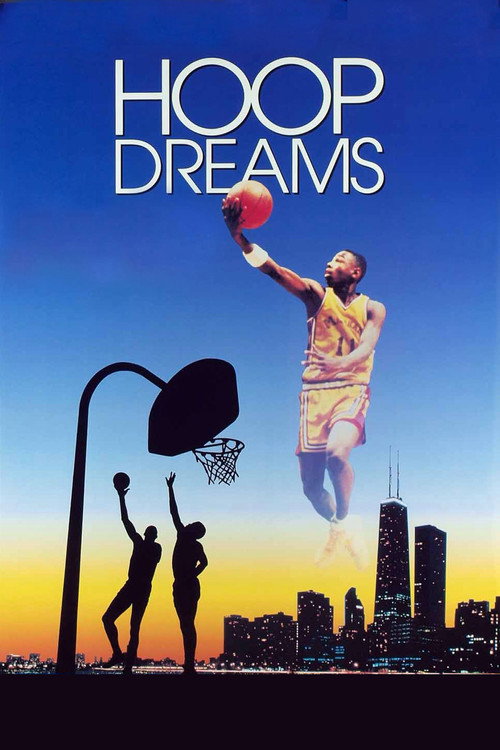
Hoop Dreams1994
Documentary following two Black teenagers pursuing basketball as a way out of Chicago's South Side. It shares Rubble Kings' commitment to showing how class and geography shape young lives, and its refusal to make them into simple heroes or cautionary tales.
But At over three hours, it demands real commitment. The pacing is deliberate and occasionally repetitive, which some find tedious rather than immersive.
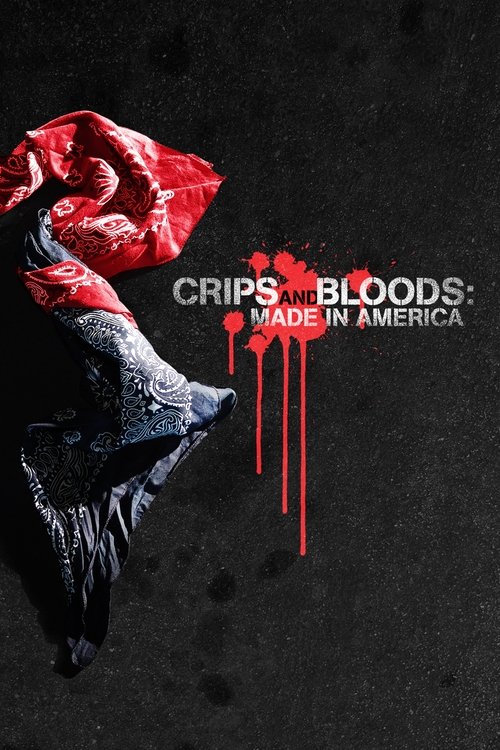
Crips and Bloods: Made in America2009
Stacy Peralta's documentary traces LA gang culture from the 1960s onward through interviews with members and former members. It has Rubble Kings' historical sweep and refusal to judge, showing how gangs emerged from specific conditions.
But It can feel overly sympathetic to gang leadership, and some viewers wish it engaged more critically with the violence itself.
Not sure tonight? Get a pick in a minute, starting from Rubble Kings
The wildcard
Something you would not have found on your own.
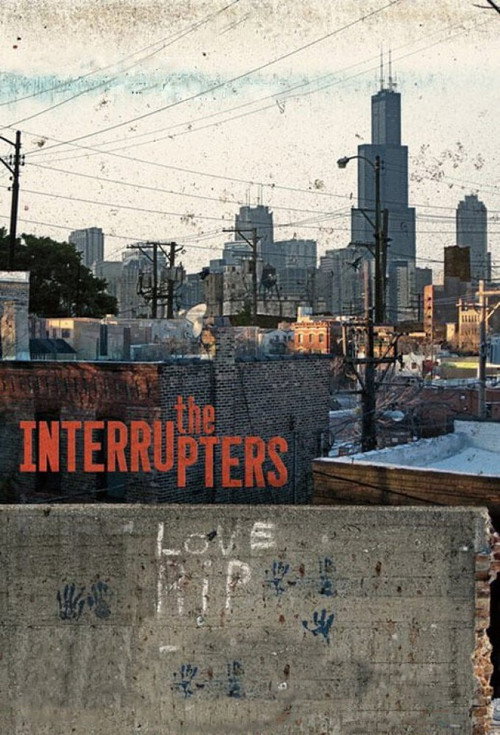
The Interrupters2011
Both films center the agency and humanity of people society has written off. Neither film is about outsiders explaining the problem—they're about the people actually living in it.
Documentary following violence interruptors on Chicago's South Side as they mediate street conflicts in real time. It shares Rubble Kings' unflinching look at gang culture, but inverts the lens—showing not the violence but the people working to stop it from inside the community. Gripping, humane, and rarely condescending.
But Some scenes are genuinely difficult to watch, and the film doesn't always resolve what you want it to. It can feel slow if you're expecting conventional documentary drama.
More like this (5)
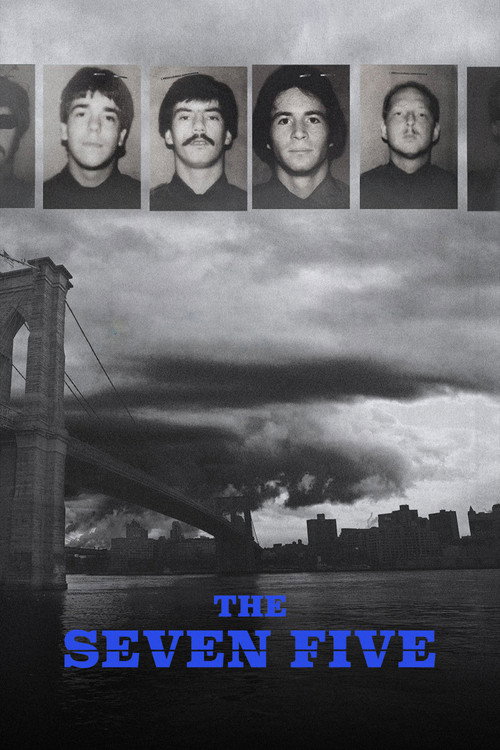
The Seven Five2015
Documentary about corrupt NYPD detectives in 1980s Brooklyn told through interviews with the cops themselves. Pairs perfectly with Rubble Kings as a look at the same era and city from the opposite side of authority.
But It centers the perpetrators' own justifications, which can feel like giving a platform to criminals. Morally disorienting by design.
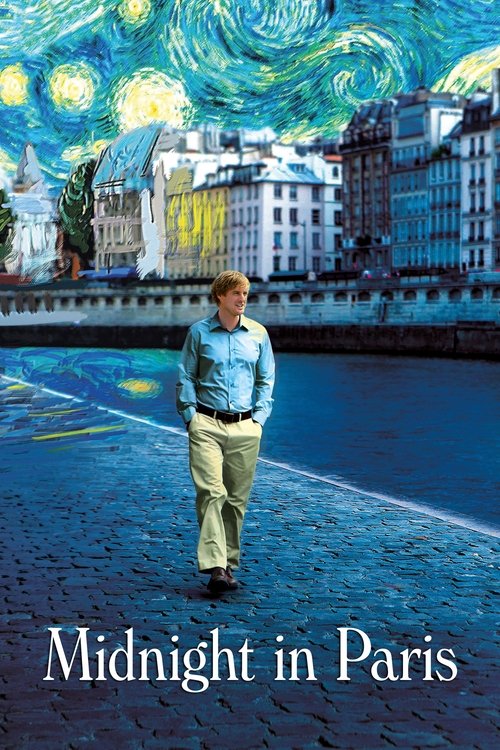
Midnight in Paris2011
Wait—hear this out. Woody Allen's film about nostalgia and mythmaking parallels Rubble Kings' central question: what do we love about the past, and is it real or invented? Both examine how we construct narratives around time.
But If you hate Woody Allen or twee romance, this is precisely not your film. Also it's tonally opposite to Rubble Kings, so the connection only works thematically.
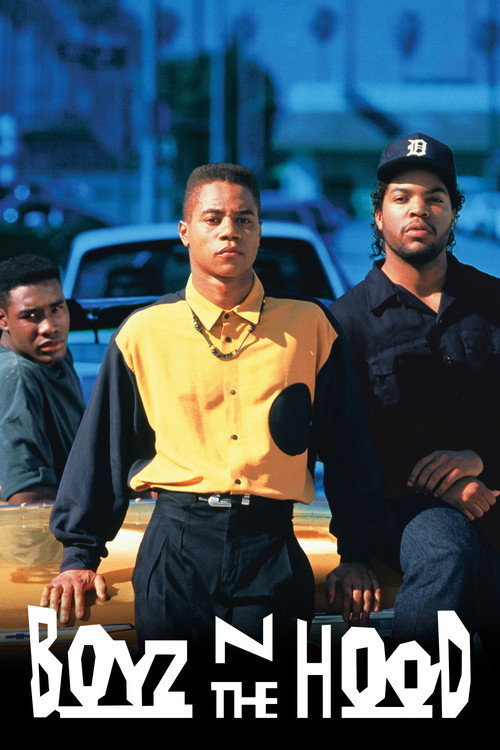
Boyz n the Hood1991
John Singleton's narrative film dramatizes many of the same themes as Rubble Kings: gang culture, survival in abandoned neighborhoods, the search for belonging and manhood. It's the fictional counterpart to this documentary's truth.
But It's more conventionally theatrical than Rubble Kings, which some find melodramatic. And as a 30-year-old film, some of its dialogue hasn't aged gracefully.
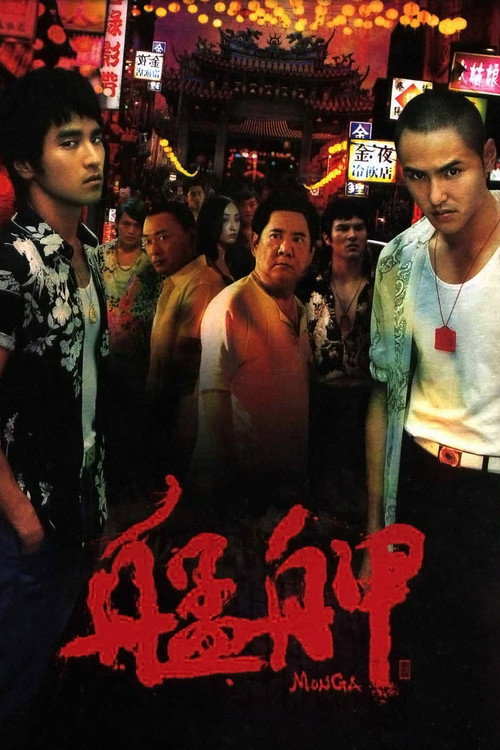
Monga2010
Both examine how young people construct meaning, loyalty, and identity through street codes when legitimate society offers them nothing. Both refuse to judge their subjects as simply criminal—they're engaged in a real economy of honor.
Taiwanese gang film set in 1980s Taipei following young street kids building an identity through violence and loyalty. It's gorgeously shot, operatic, and completely serious about how belonging and honor function in gang life—the same themes as Rubble Kings, but filtered through entirely different geography and cinema language. Visually stunning in ways the documentary couldn't be.
But Subtitled, and Taiwan's gang history won't be familiar to most viewers. It's also a narrative film, so if you came to Rubble Kings for documentary truth, this pivot to stylized fiction might feel like a betrayal.
The Pruitt-Igoe Myth2012
Both films examine how structural abandonment creates the conditions for street culture. Where Rubble Kings shows the human response, Pruitt-Igoe shows the systems that necessitated it. They're complementary investigations of the same historical moment and failure.
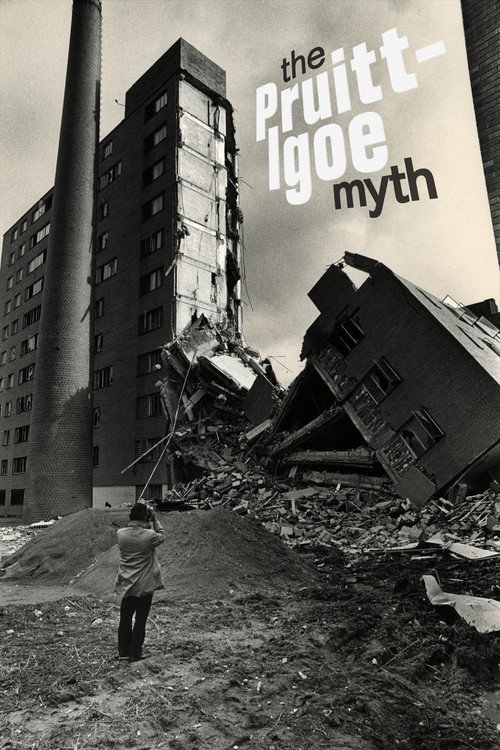
Documentary about the rise and demolition of a St. Louis housing project, using archival footage, photographs, and interviews to show how urban policy created the conditions for the very problems it blamed residents for. Rubble Kings shows gangs as a response to abandonment; this film shows the architecture of that abandonment. Revelatory about how cities deliberately failed their poorest residents.
But It's more sociological and policy-focused than Rubble Kings, which some find abstract or dry. And if you're watching documentaries to feel inspired, this will not do that—it's deliberately angering.
People
Directing
- Shan NicholsonDirector
Production
- Nick QuestedExecutive Producer
- Cristina Esterás-OrtizProducer
- Dito MontielProducer
- Jim CarreyProducer
- Michael AguilarProducer