
Film
The Interrupters
The Interrupters follows three former gang members who now walk into the middle of Chicago's worst flare-ups, trying to talk shooters down before they pull the trigger. Steve James's camera doesn't flinch or moralize — it just watches, patiently, as grief, rage and stubborn hope collide in real time. It's tough, unhurried, deeply human viewing for anyone who wants to understand violence from the inside rather than the headlines.
If you liked this
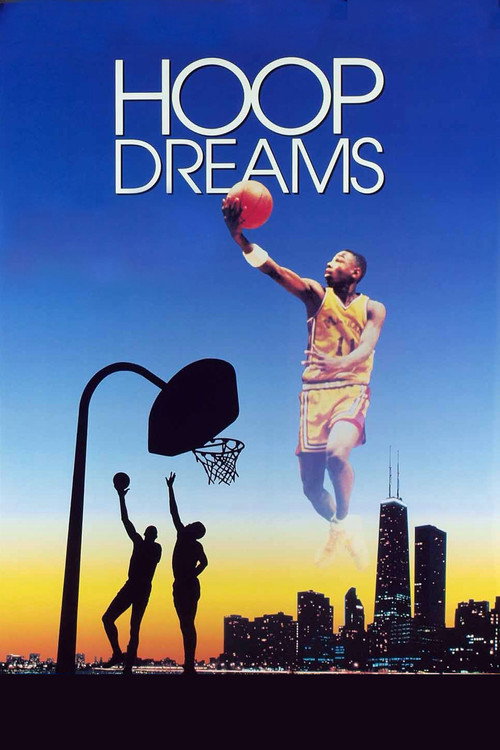
Hoop Dreams1994
Steve James's first great documentary, made nearly two decades earlier in the same city, watching two teenagers chase basketball scholarships out of poverty. It's the same patient, non-judgmental camera, the same refusal to reduce people to statistics.
But It's nearly three hours long, and its wins feel smaller and slower than any Hollywood underdog story you're used to.
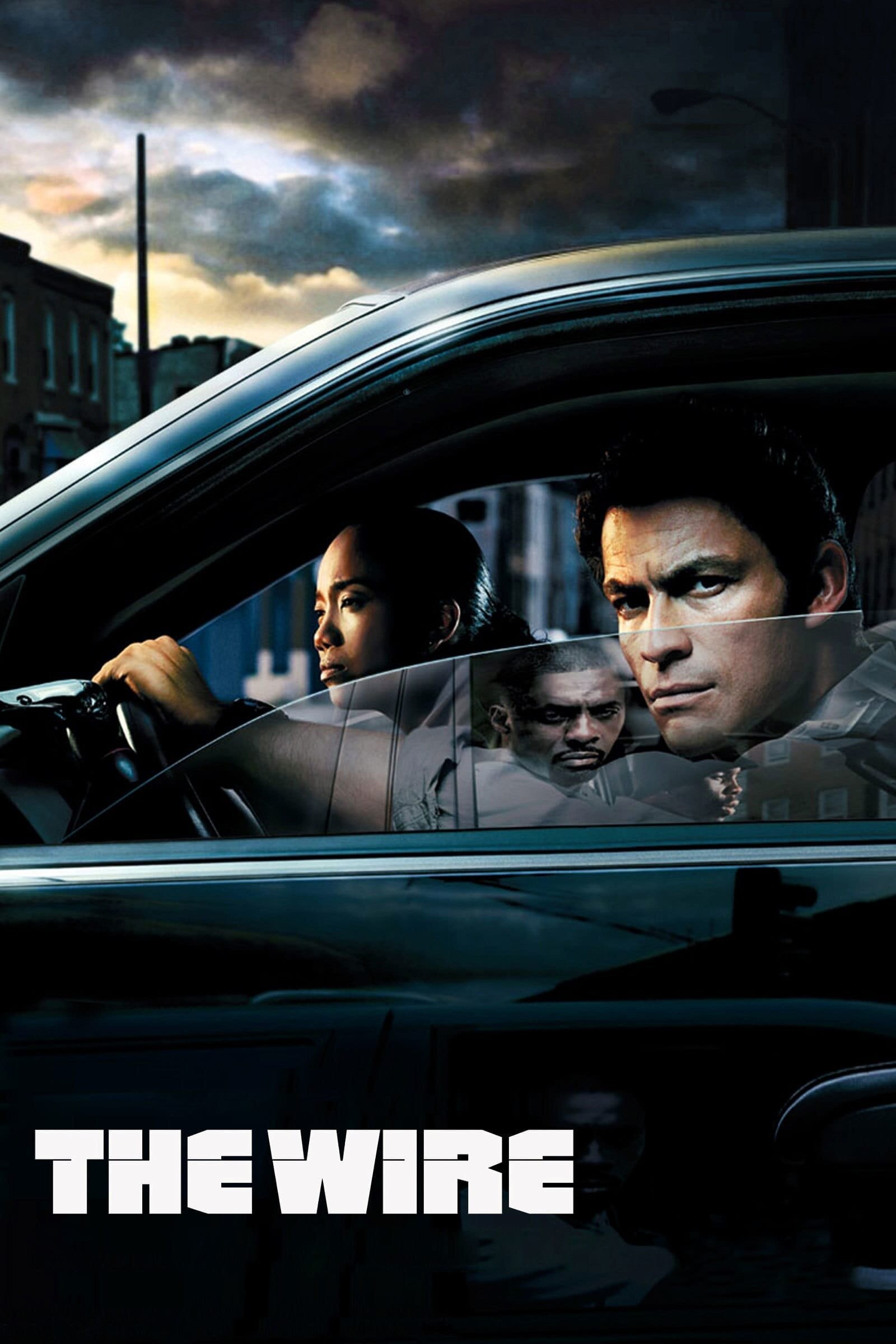
The Wire2002
Fictionalized, but built from the same Baltimore streets and institutions this world grew out of — cops, corners, city hall, all rendered with the same refusal to flatten anyone into a villain.
But Five seasons is a real commitment, and the first can feel slow before the machinery of the show reveals itself.
The Corner2000
David Simon and Ed Burns's miniseries follows one addicted family on a single Baltimore corner with the same unflinching empathy — no villains, just people trying to survive a system built against them.
But It's grim from the first scene to the last, with almost none of the hope this documentary occasionally allows itself.

The wildcard
Something you would not have found on your own.
Scared Straight!1978no page yet
It's the direct ancestor of the idea The Interrupters complicates: put a former offender in front of at-risk kids and let them do the talking. This is the blunt, sensational 1978 version of the same theory — before anyone thought to ask if scaring works.
The original 'used-to-be-you' intervention documentary, decades before this one — convicts screaming at teenagers to prove that fear can be rehabilitation. It's blunt where The Interrupters is patient, and seeing the theory in its rawest form is genuinely eye-opening.
But It's exploitative and dated, more interested in shock than nuance, and its methods have since been widely discredited.
More like this (8)
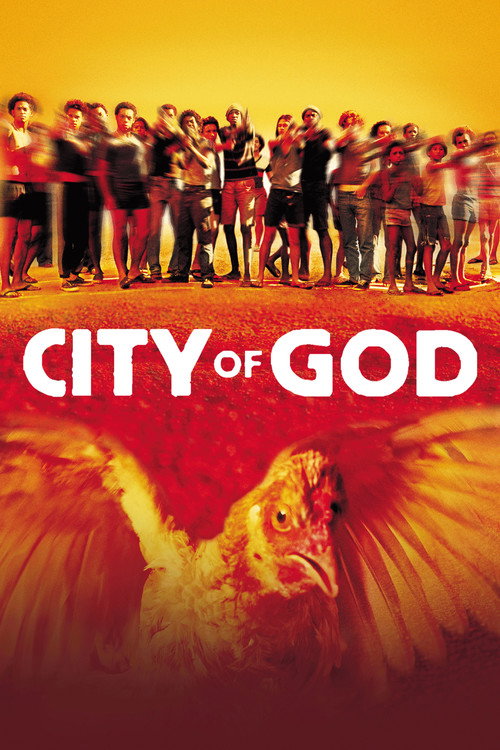
City of God2002
Brazilian fiction with the same nerve — kids born into a war they didn't start, told with breathless, unforgettable style. It asks the same question about who gets a way out and who doesn't.
But It's far more stylised and violent than anything here, closer to a thriller than a documentary's patient realism.
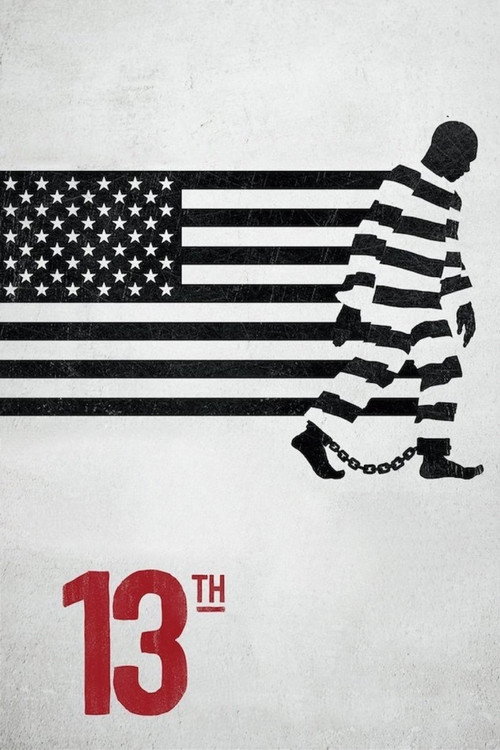
13th2016
Ava DuVernay's documentary steps back from the street to the system, tracing how mass incarceration and race built the conditions the interrupters work inside every day.
But It's talking-heads history rather than lived, unfolding drama — persuasive, but cooler and more distant than following real people.
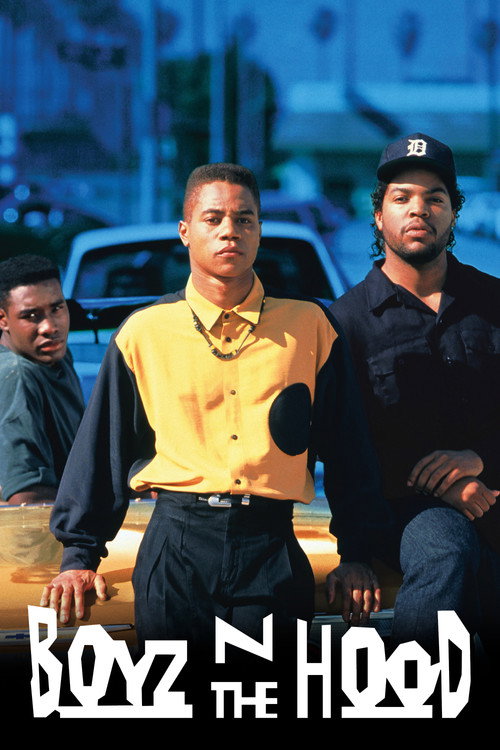
Boyz n the Hood1991
John Singleton's breakout film dramatizes the same South Central pressures — an absent state, present fathers doing their best, and boys who don't all make it out. A foundational text for everything after it.
But Some of its beats are dated now, and it leans harder into melodrama than the documentary's restraint.
Crips and Bloods: Made in America2009no page yet
A history lesson this documentary doesn't have time for — how LA's gangs actually formed, out of segregation, broken promises and self-defense that curdled into war. Necessary context for the whole genre.
But It's more conventional in form — narration and archive footage rather than verite following of people in real time.
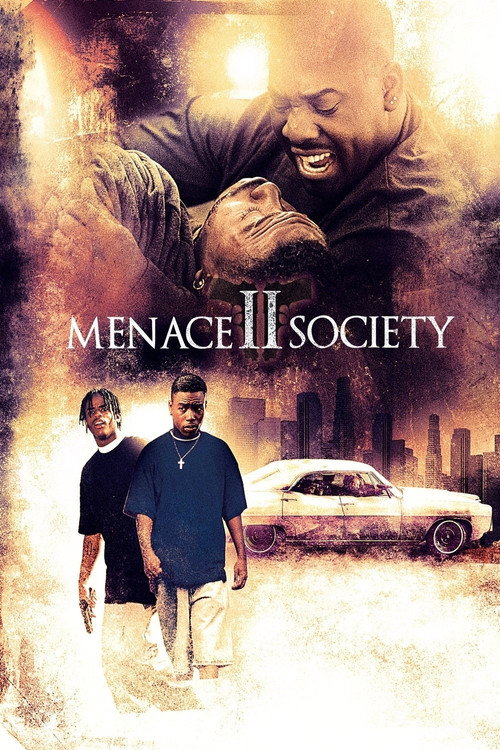
Menace II Society1993
The Hughes brothers' film takes the same Los Angeles and strips out any comfort — a harsher, more nihilistic vision of what happens when nobody arrives to interrupt anything.
But There's no redemption arc here at all, and its bleakness can feel punishing rather than illuminating.
Whose Streets?2017no page yet
A ground-level documentary about the Ferguson uprising, shot by the community itself rather than outside cameras — the same instinct to hand the story to the people actually living it.
But It's about a protest movement, not gang violence, so the connection is more in method than in subject.
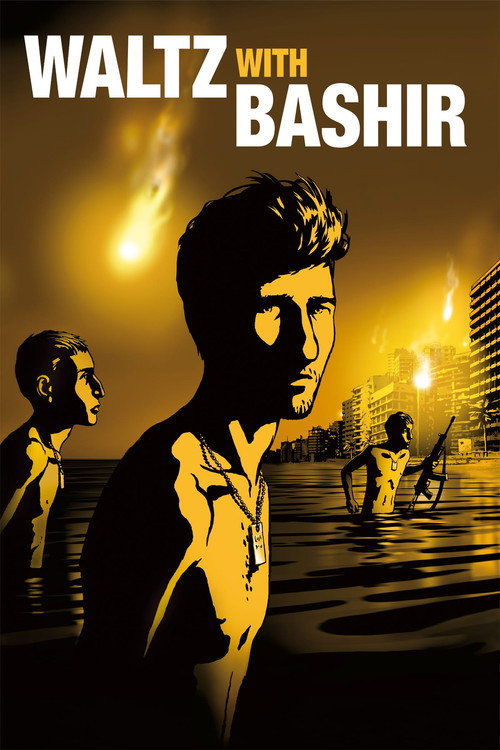
Waltz with Bashir2008
Same basic act — a man goes back into violence he helped cause and tries to understand it — but animated, about war rather than gangs, and interested in memory's failures rather than intervention's successes.
Ari Folman animates his own interviews with fellow soldiers about the 1982 Lebanon War, turning trauma and forgetting into something dreamlike and strange. It shares this film's interest in what former combatants owe the people they hurt.
But It's animated, dreamy and elliptical rather than observational — closer to memoir than documentary, and light on hard fact.
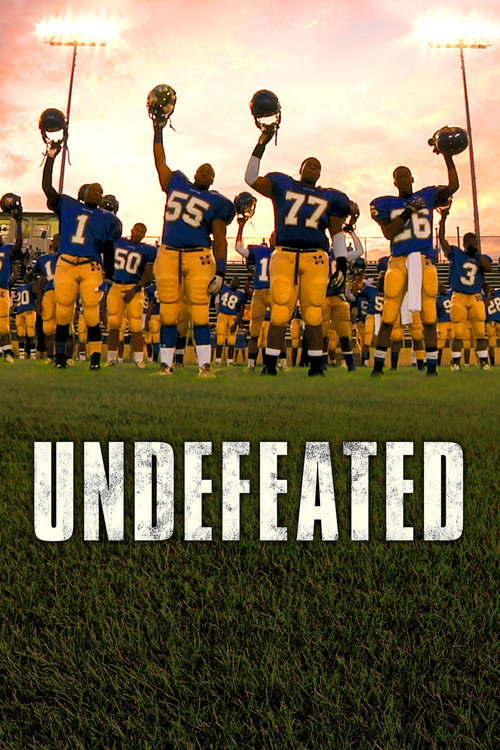
Undefeated2011
Same instinct — an adult who's been through it stands between at-risk kids and disaster — but the weapon is football, not conversation on a street corner, and the register is uplift rather than triage.
A volunteer coach tries to turn a broken Memphis football team, and the boys on it, into something durable. It's the warmer, more hopeful cousin of this film's premise — mentorship as intervention, structure as protection.
But It's considerably more sentimental and crowd-pleasing, with an uplift the real streets in this film rarely offer.
People
Cast
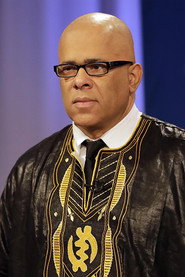 Tio HardimanHimself
 Ameena MatthewsHerself
 Cobe WilliamsHimself
 Gary SlutkinHimself
- Caprysha AndersonHerself
 Eddie BocanegraHimself
- "Lil' Mikey" DavisHimself
Directing
- Steve JamesDirector
Writing
- Alex KotlowitzWriter
Production
- Gordon QuinnExecutive Producer
- Justine NaganExecutive Producer
- Michael SullivanExecutive Producer
- Paul TaylorExecutive Producer
- Teddy LeiferExecutive Producer
- Alex KotlowitzProducer
- Steve JamesProducer
Recommended by
Undefeated, Top Boy, Streetwise, Dark Days, American Promise, On My Block, The Work