
Film
El Sicario, Room 164
A single masked man sits in a motel room and describes, in flat detail, two decades of torture and murder for the Juárez cartel. Gianfranco Rosi's camera never leaves the frame; the sicario sketches his crimes on hotel paper. It's minimal, claustrophobic, and quietly horrifying — less a story than a confession you can't look away from.
If you liked this
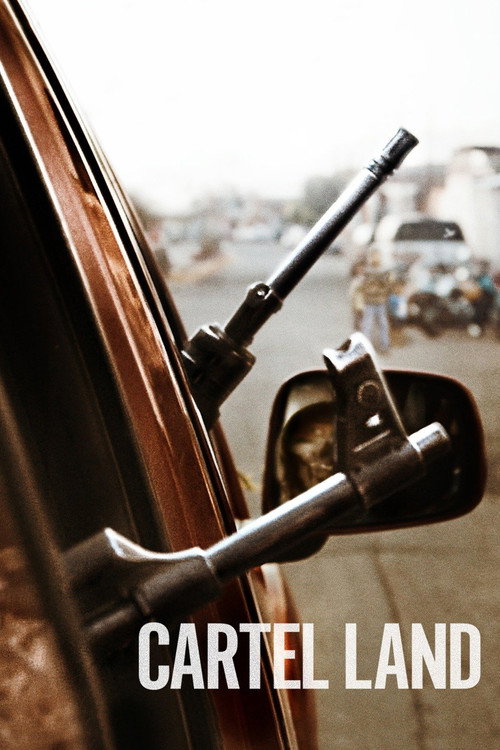
Cartel Land2015
Matthew Heineman embeds with a vigilante militia and a meth cook on opposite sides of the same war, filming the violence up close with no narration to soften it.
But It's relentless and often terrifying real footage — no distance, no relief, and it ends without any tidy resolution.
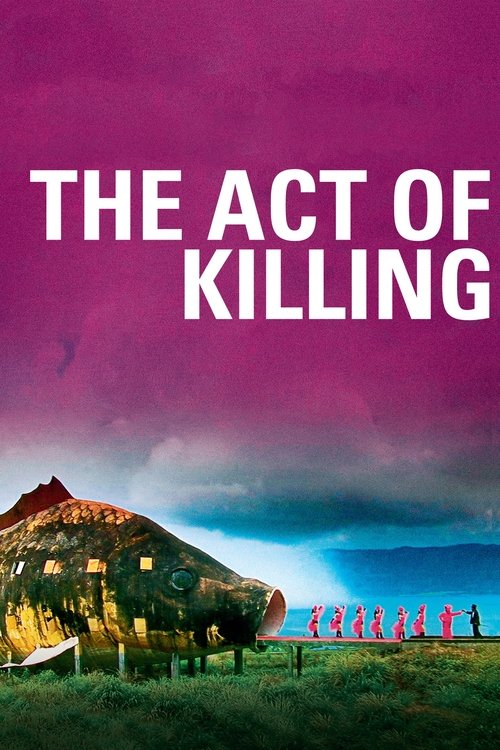
The Act of Killing2012
Death squad leaders in Indonesia re-enact their own massacres for the camera, in genres they love — musicals, westerns — producing something stranger and more damning than any straight interview could.
But The staged reenactments can feel surreal to the point of dark comedy, which some find tonally uncomfortable given the subject.
Cocaine Cowboys2006
Miami's cocaine boom told by the smugglers, killers, and cops who lived it, with archive footage and a killer soundtrack that make the excess feel almost seductive before it curdles.
But It's flashier and more entertainment-driven than a sober true-crime document, closer to a party you shouldn't enjoy this much.
The wildcard
Something you would not have found on your own.
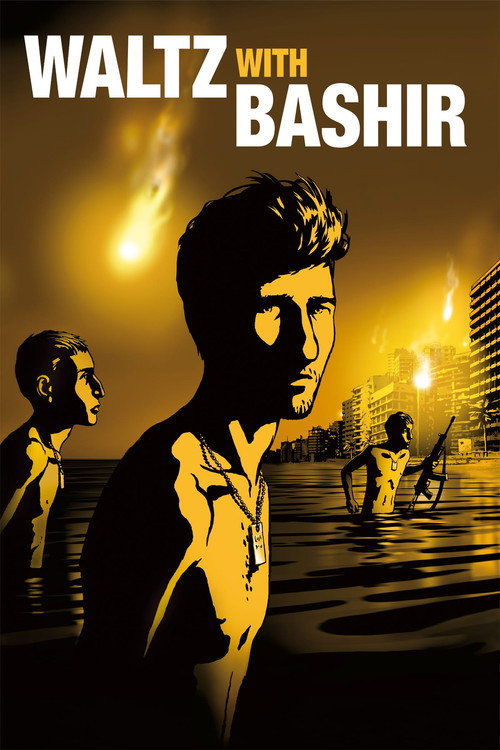
Waltz with Bashir2008
Both are one person's testimony about committing or witnessing violence, delivered through an unusual formal device — a mask and marker here, animation there — that turns confession into something closer to art.
Ari Folman animates his own fractured memories of the 1982 Lebanon War, using rotoscoped dream-imagery to get at atrocities that straight documentary interviews couldn't reach — testimony filtered through nightmare instead of fact.
But The animation creates emotional distance some viewers want removed, and its dreamlike structure resists a clear timeline.
More like this (8)
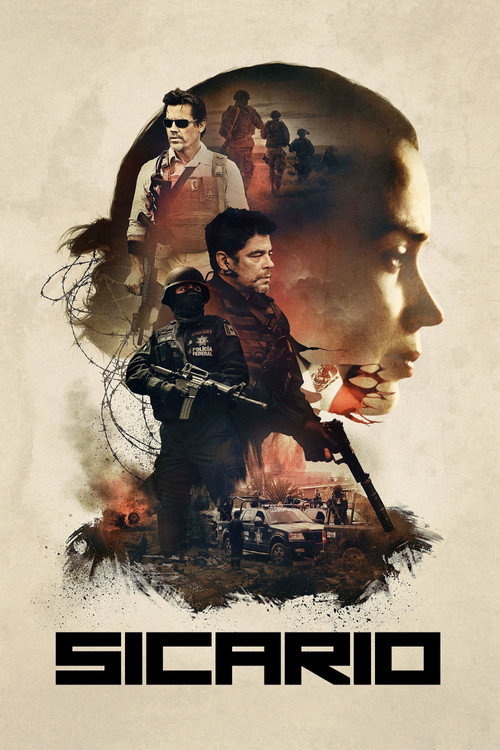
Sicario2015
Denis Villeneuve's fictional descent into the same border war traps you inside the dread of not knowing who's really running the operation, or what side you're actually on.
But It's a thriller first, so the moral horror is stylized and scored rather than sat with in silence.
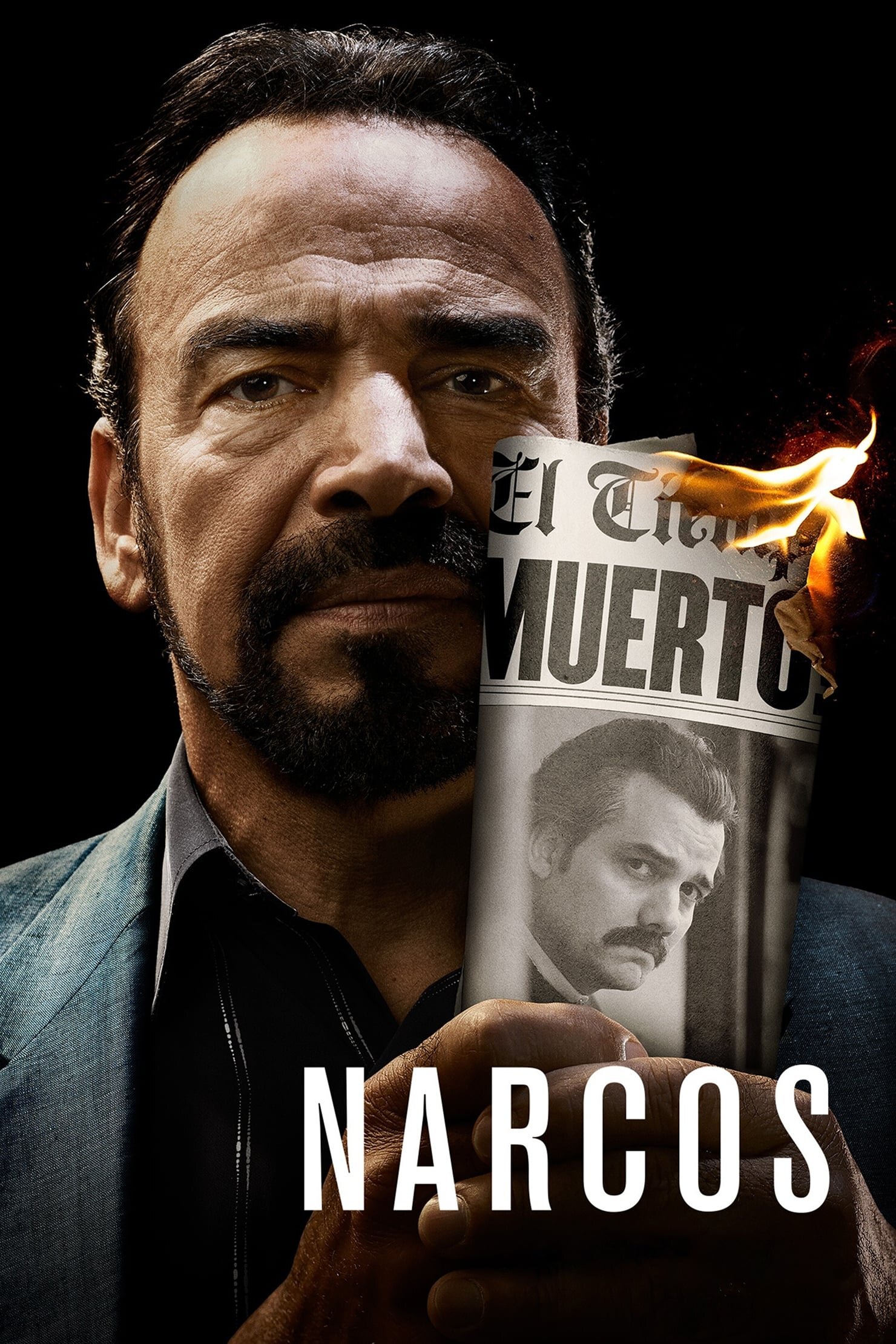
Narcos2015
A sprawling, propulsive dramatization of the Colombian cocaine trade that gives the cartel's foot soldiers, bosses, and hunters equal weight, so nobody stays simply good or simply evil.
But Multiple seasons of glossy, high-body-count drama can start to feel like the violence is the entertainment, not the tragedy.
The House I Live In2012
Eugene Jarecki zooms out from any single trafficker to the whole machinery of the drug war — policy, prisons, poverty — making the sicario's world feel like one gear in something much larger.
But It's talkier and more policy-focused, an argument rather than an immersion, so the personal horror gets more distant.
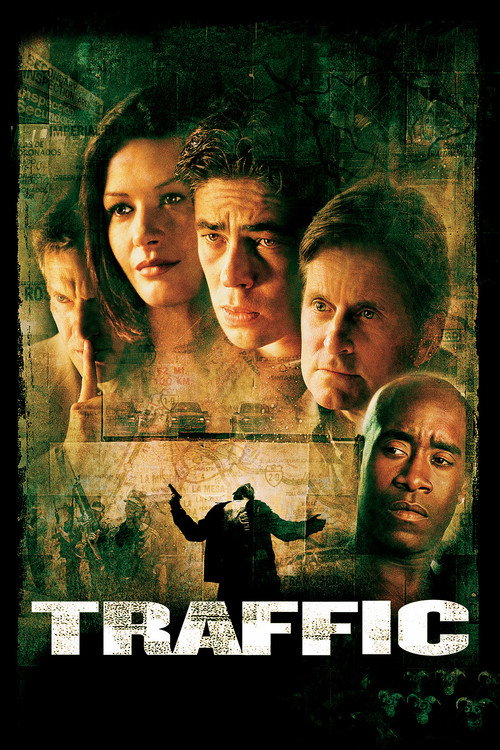
Traffic2000
Steven Soderbergh's multi-strand drug-war epic crosses back and forth over the border, showing how the same trade looks completely different from a judge's office, a cartel safe house, and a teenager's bedroom.
But Two decades on, its multiple-storyline structure and tone feel more procedural than raw compared to the real thing.
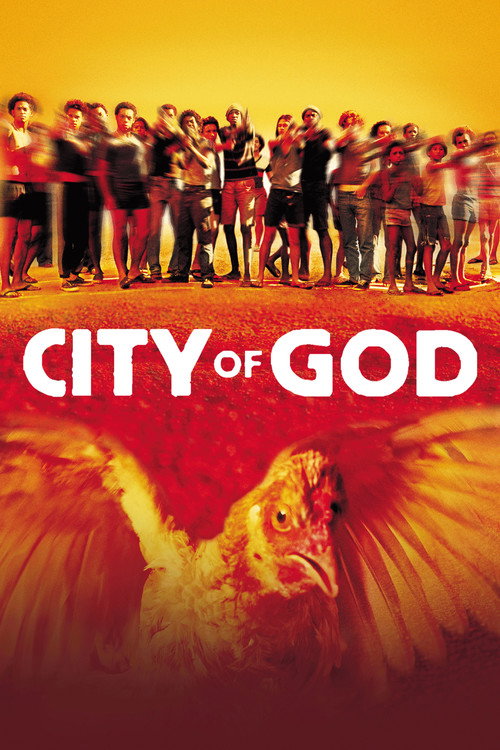
City of God2002
Fernando Meirelles traces how a Rio slum manufactures killers from childhood onward, kinetic and unflinching, showing the pipeline that produces a man like the sicario long before he ever picks up a gun.
But It's a different country and decade entirely, and its energetic style is a long way from the stillness of a motel room.
Miss Bala2011no page yet
A beauty-pageant contestant gets pulled into cartel machinery against her will, and the film's queasy, dispassionate camera treats her ordeal with the same cool detachment the sicario uses to describe his own.
But It's a smaller, quieter film that some find frustratingly passive rather than a full character study.
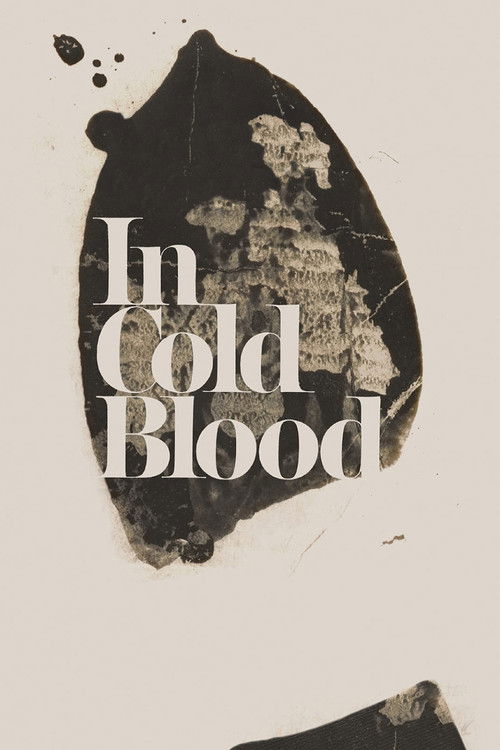
In Cold Blood1967
Same engine, decades earlier: a killer's plain, unemotional account of his own crimes, used to ask what made him this way rather than simply condemn him.
Richard Brooks's black-and-white adaptation of Capote's book gets inside two real killers' heads with a chilling, matter-of-fact calm decades before 'true crime' became a genre — violence recounted almost clinically, like a police report.
But Its stately 1960s pacing and studio polish feel a world away from raw, handheld confession.
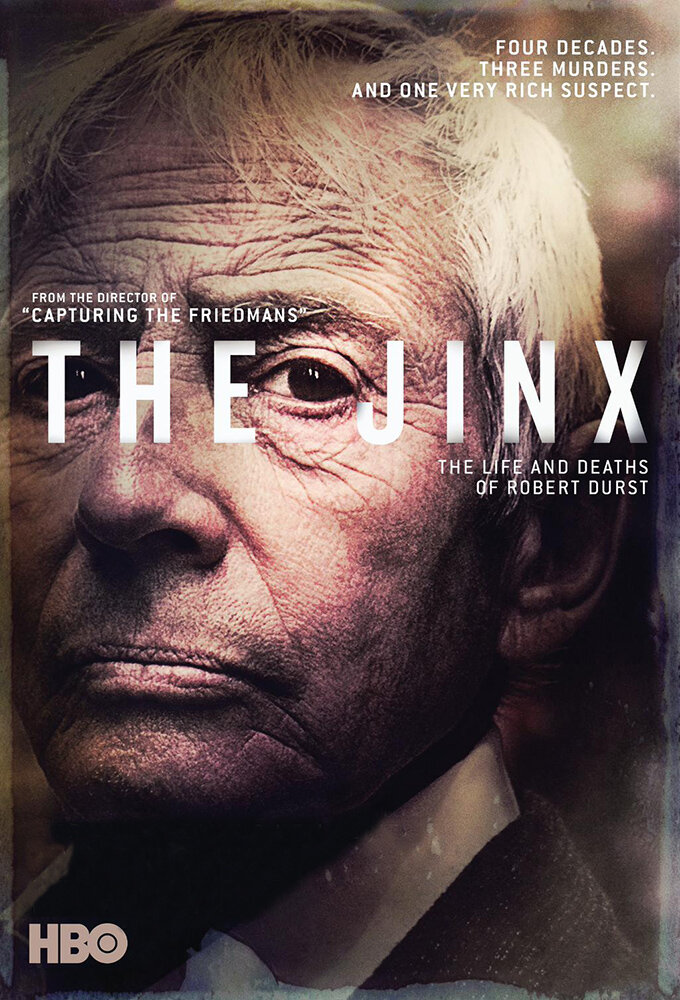
The Jinx: The Life and Deaths of Robert Durst2015
Both put a killer alone in front of a camera and let him talk himself into revealing more than he means to — one is stark and grave, the other is pure, addictive, only slightly ashamed of itself true-crime television.
A wealthy suspected murderer agrees to sit for hours of on-camera interviews, convinced he's smarter than the filmmakers — and the tension of watching a killer perform his own version of events builds to a genuinely stunning finish.
But It's pulpier and more plot-driven than sombre testimony, closer to a thriller you binge than a confession you sit with.
People
Directing
- Gianfranco RosiDirector
Writing
- Charles BowdenStory
- Gianfranco RosiWriter
Production
- Charles BowdenCo-Producer
- Olivier DaunizeauExecutive Producer
- Gianfranco RosiProducer
- Serge LalouProducer
- Molly MolloyProduction Coordinator
- Magali BoccaccioProduction Manager