
Film
Attica
- Prison
- Very dark
Attica is a documentary about the 1971 prison uprising at New York's Attica Correctional Facility, told through interviews with inmates, guards, journalists, and officials fifty years later. It's a methodical, urgent examination of institutional violence and a state's choice to reckon with its past—or not. Essential American history told with quiet moral weight.
Should you watch it?
Watch it if you want a grounded, witness-driven account of a historical event, where the people who lived through it do most of the talking and the archive footage fills in the rest.
Skip it if the subject is grim and the method is patient, so if you want a lift or a dramatised reconstruction, this will feel like a long, heavy sit.
What it asks of you: Roughly feature-length, it moves at the pace of testimony, unhurried and dense with names and dates, and it expects you to sit with each account rather than skim ahead.
Not sure? Find tonight's pick in a minute.
If you liked this
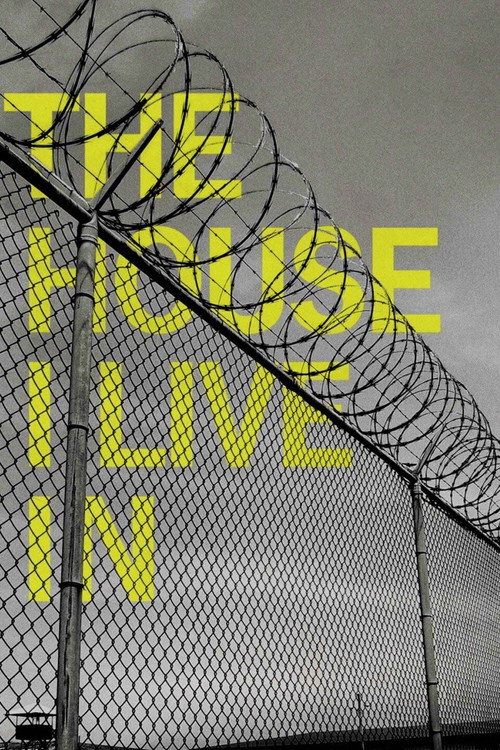
The House I Live In2012
A documentary indictment of America's drug war and mass incarceration system, built from intimate interviews and archival footage. It traces how policy decisions destroyed entire communities and filled prisons with people convicted of addiction.
But The argument is clear and cumulative rather than surprising; some may find the structure more essay than narrative, which can feel didactic.
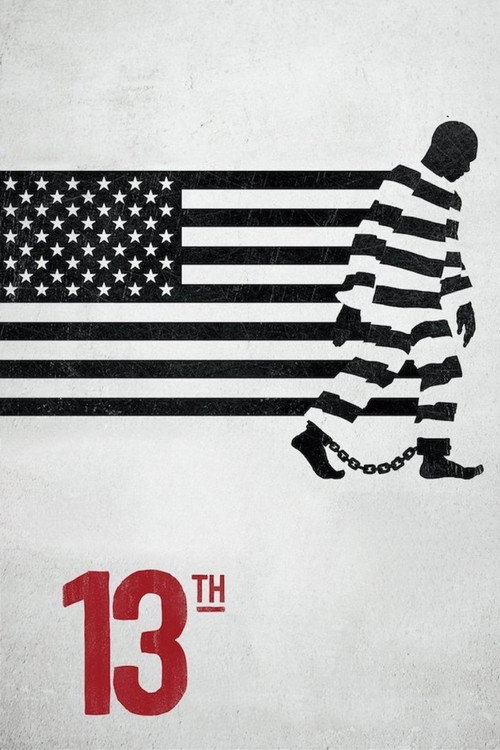
13th2016
Ava DuVernay traces the thread from slavery through the 13th Amendment's loophole to modern mass incarceration. Urgent, visually inventive, and it explains how we got here with startling clarity and moral force.
But The scope is so broad that individual stories sometimes blur; some viewers want deeper dives into specific moments rather than the throughline.
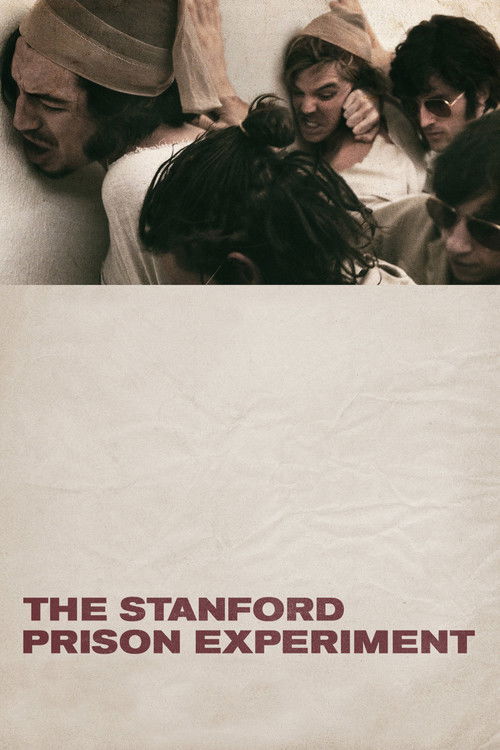
The Stanford Prison Experiment2015
A dramatized account of the infamous 1971 psychology experiment that revealed how institutions corrupt ordinary people. It echoes Attica's central question: what does power do to us? Gripping and deeply unsettling.
But The film is more conventional drama than documentary, and the experiment itself has been critiqued as flawed science, which complicates what you're watching.
Not sure tonight? Get a pick in a minute, starting from Attica
The wildcard
Something you would not have found on your own.
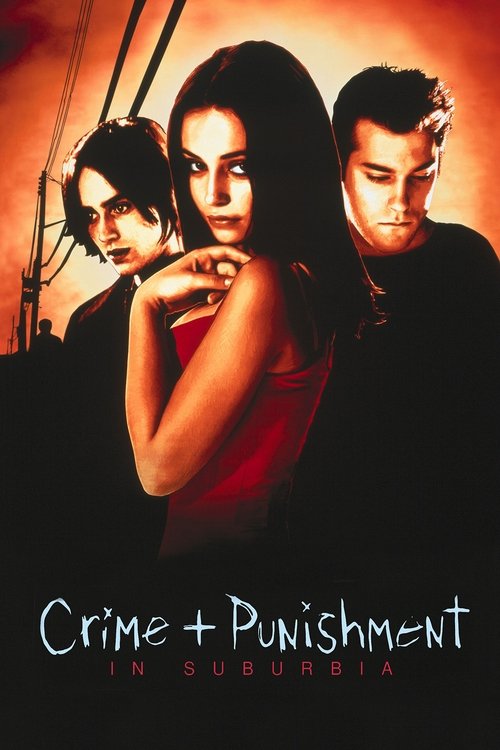
Crime + Punishment in Suburbia2000
Both examine how institutions—whether prisons or schools, law or society—fail to hold people and instead transform them. Both ask who bears responsibility when systems collapse.
A low-budget indie reimagining of Dostoevsky's novel set in suburban America, following a teenager through moral collapse and the institutions that fail to contain it. It's formally strange and urgent in unexpected ways, and it asks what happens when systems break down completely.
But The film is deliberately artificial in its aesthetics and pacing; it won't feel like watching a documentary, and some will find its earnestness dated.
More like this (6)
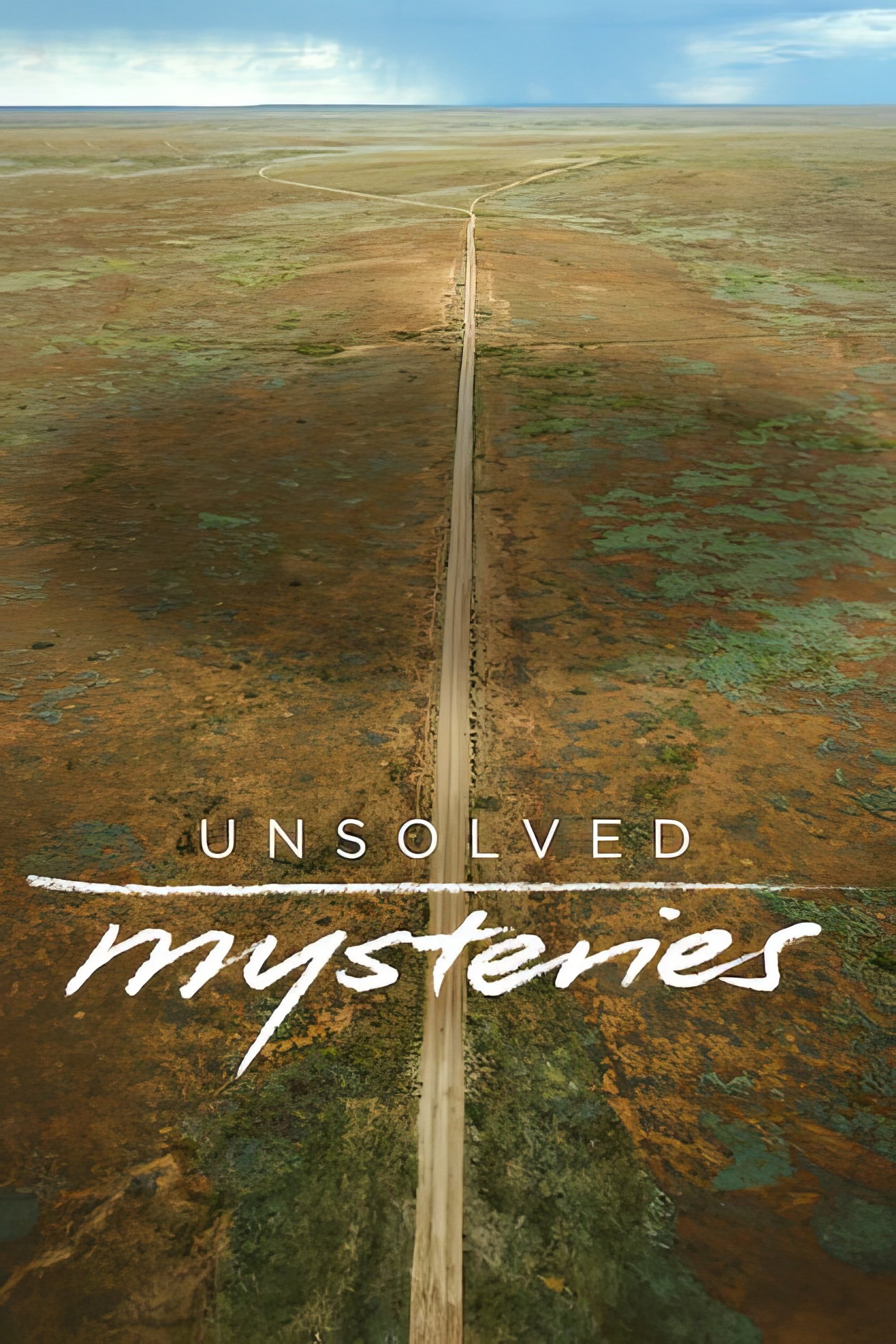
Unsolved Mysteries2020
While mostly focused on crime, this Netflix reboot includes episodes about institutional failures and state violence with the same methodical interview-based approach as Attica. Each episode builds dread through accumulated testimony.
But The true-crime framing means some episodes feel more sensationalized; you're waiting through lighter material for the ones that hit as hard as Attica.
The Florida Project2017
Not about prisons, but about the invisible systems that cage people—poverty, housing, the choices available to the desperate. Shot with beauty and tenderness, which makes the injustice cut deeper.
But It's oblique and lyrical where Attica is direct; the lack of answers or advocacy can feel less urgent than what you're looking for.

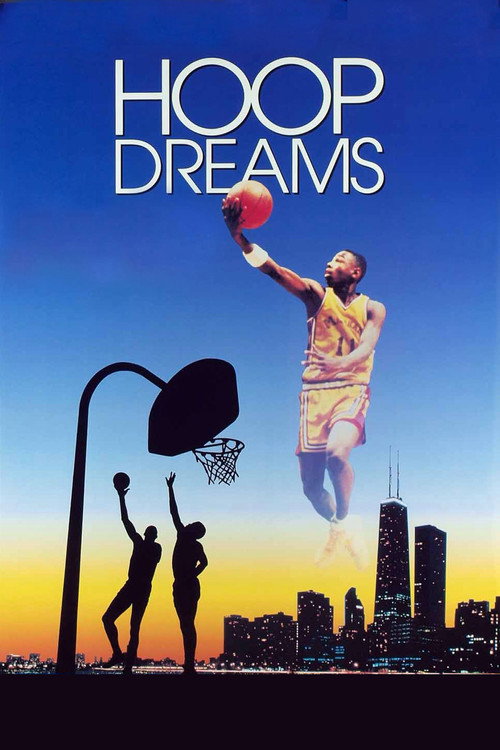
Hoop Dreams1994
A three-hour documentary about two Black teenagers and the systems—schools, basketball, race, class—that shape their futures. It's a masterclass in how institutions work on individuals, and it's devastating.
But At over three hours with an ensemble cast, it demands patience; some find the pacing slow, and it's older, so the image quality reflects that.
A Prophet2009
A French prison drama following a young man's survival and rise inside. It's unflinching about how prisons function as systems, and it shows institutional violence not as spectacle but as daily logic. Brilliant and dark.
But It's a narrative film, not a documentary, and deliberately paced; it offers no reassurance or resolution, which can feel bleak.

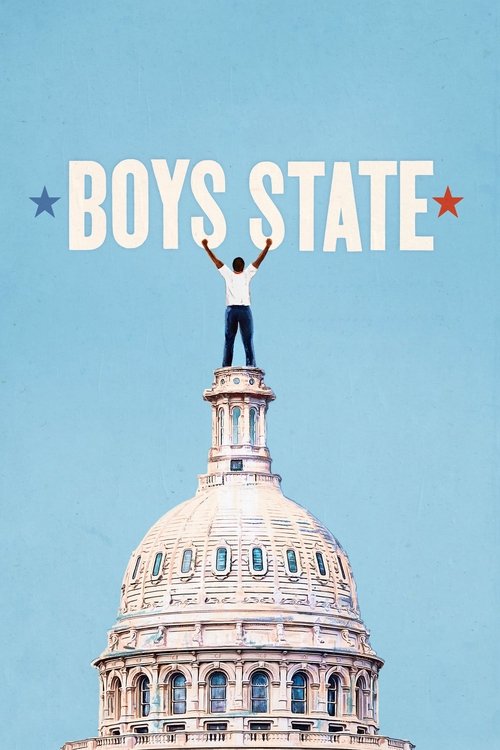
Boys State2020
A documentary about a week-long civics program for Texas high schoolers that becomes an unexpected microcosm of American power, ideology, and institutional pressure. It sneaks up on you.
But The connection to Attica is thematic rather than direct; some will find it too indirect or optimistic compared to what you want.
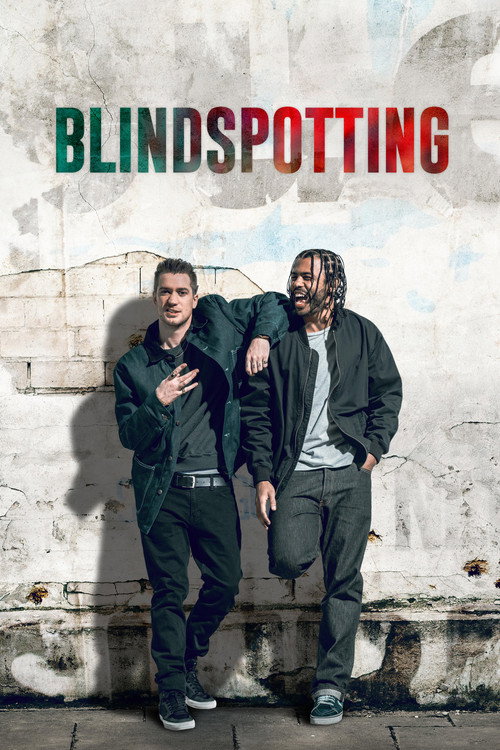
Blindspotting2018
Both are about the aftermath of carceral violence and how people live inside and after systems designed to crush them. Both insist that those people are fully human, not subjects.
A Oakland-set dramedy about a man on parole navigating race, class, and police violence through friendship and humor and rage. It refuses to separate the personal from the institutional, and it's vital and furious without losing its humanity.
But It's a narrative comedy-drama, not a documentary; the tone shifts constantly, and some viewers want straight anger rather than this mixed register.
People
Cast
 Clarence JonesSelf
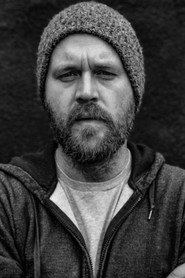 John JohnsonSelf
- Herman SchwartzSelf
- Elizabeth GaynesSelf
- James AsburySelf
 Nelson RockefellerSelf (archive footage)
 Richard NixonSelf (archive footage)
Directing
- Stanley NelsonDirector
- Traci A. CurryDirector
Writing
- Stanley NelsonWriter
Production
- Jihan RobinsonExecutive Producer
- Marcia SmithExecutive Producer
- Vinnie MalhotraExecutive Producer
- Stanley NelsonProducer
- Traci A. CurryProducer
Recommended by
Slavery by Another Name, The Murder of Fred Hampton, The Black Power Mixtape 1967-1975, Copwatch, Tattooed Tears, Ninth Floor