
Film
The Black Power Mixtape 1967-1975
A Swedish documentary crew captured the Black Power movement 1967–75 in raw, intimate footage. Contemporary artists and activists—Erykah Badu, Talib Kweli, Angela Davis—provide voice-over reflection, creating a conversation across decades. It's urgent, sometimes heartbreaking, always vital: what it felt like to demand freedom when the system wouldn't listen.
Should you watch it?
Watch it if you want the movement heard in its own words, through raw, unpolished footage of activists speaking in their own time, and you trust archive to carry the argument.
Skip it if you need a clear, linear narrative with one guiding voice, since this stitches fragments together and leans on later reflections rather than walking you through events.
What it asks of you: A loose, mosaic shape over about 100 minutes, with close attention to faces and rhetoric, since it trusts you to connect the threads yourself.
Not sure? Find tonight's pick in a minute.
If you liked this
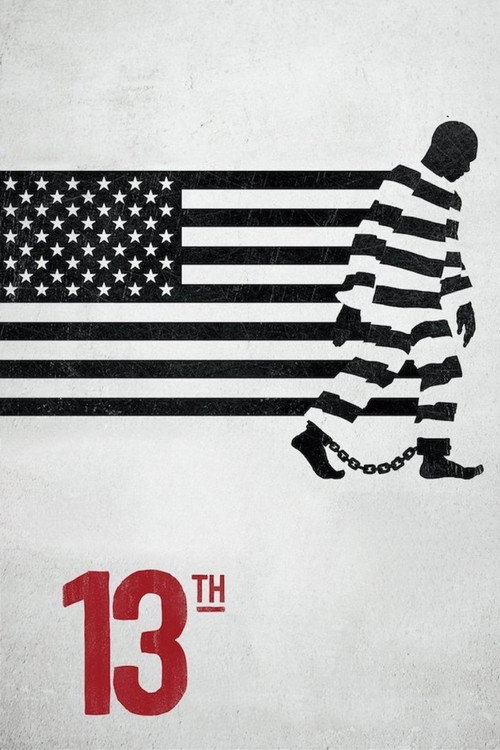
13th2016
Ava DuVernay's dissection of mass incarceration traces the same through-line: how America weaponized the legal system against Black people. Essential viewing that completes the picture The Black Power Mixtape begins.
But Documentary essays about systemic racism can feel overwhelming or didactic if you're not in the mood for rigorous argument.
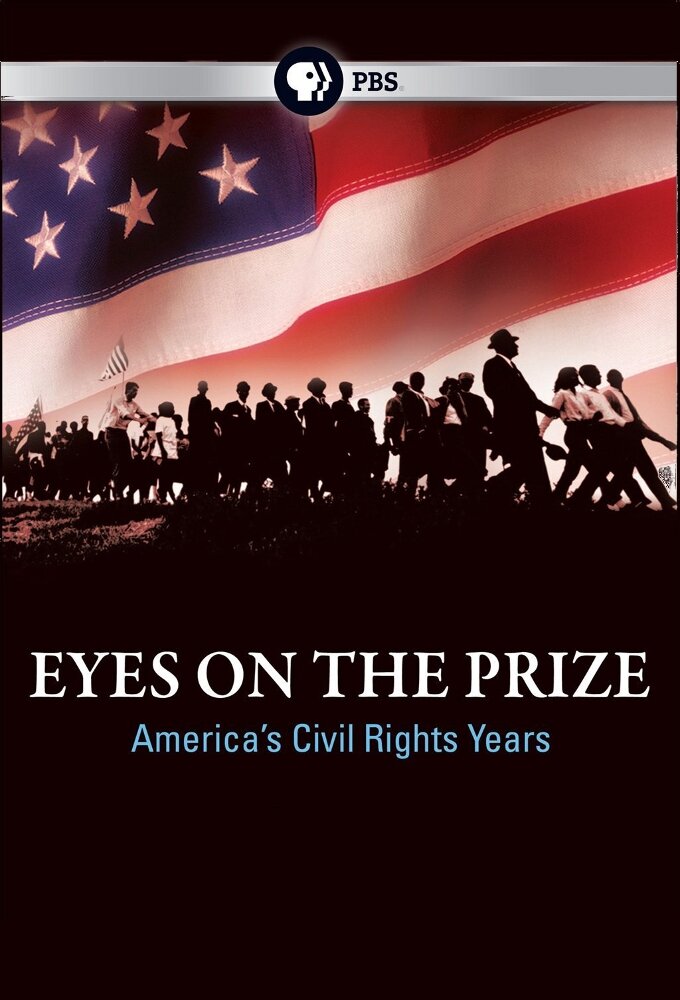
Eyes on the Prize1987
The definitive Civil Rights documentary series, with the methodical authority and archival depth that puts the Black Power era into historical context. Compelling and measured, with extraordinary primary footage.
But Fourteen hours across two seasons—a commitment. The pacing is deliberately careful, which some find slow.
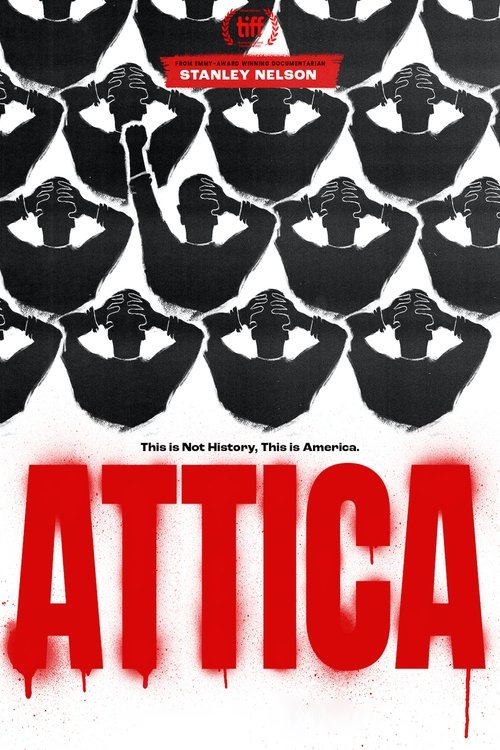
Attica2021
Documents the 1971 prison uprising with the same blend of archive and contemporary reflection. Shows a crucial moment when Black Power principles met state violence head-on, with devastating clarity.
But Graphic descriptions of the massacre that followed. Heavy and unsparing throughout.
Not sure tonight? Get a pick in a minute, starting from The Black Power Mixtape 1967-1975
The wildcard
Something you would not have found on your own.
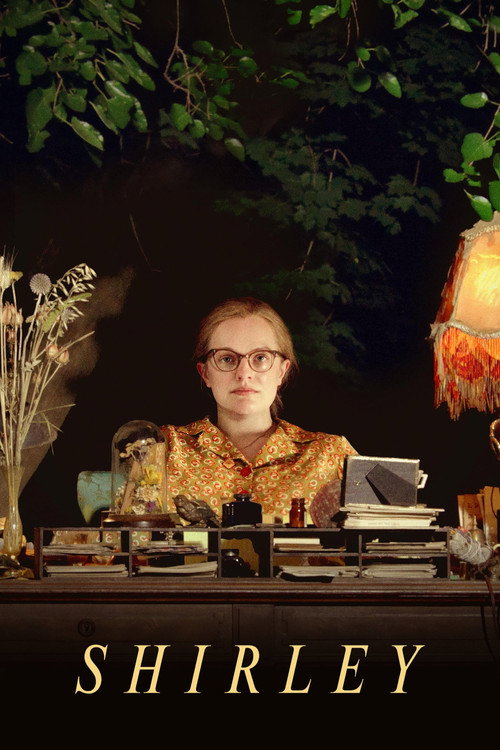
Shirley2020
Both ask how art and witness function when the world is on fire. Shirley writes to exorcise horror; the Black Power Mixtape archives to refuse forgetting. Same urgency, opposite registers.
Regina King plays Shirley Jackson, the horror writer, in the summer of 1964 when Jackson was wrestling with American violence and writing the story 'The Lottery.' A meditation on art as political act, and on a woman creating from rage.
But Fictional biopic about a reclusive author—no crowd scenes, no speeches. Quieter and more interior than you might expect.
More like this (5)
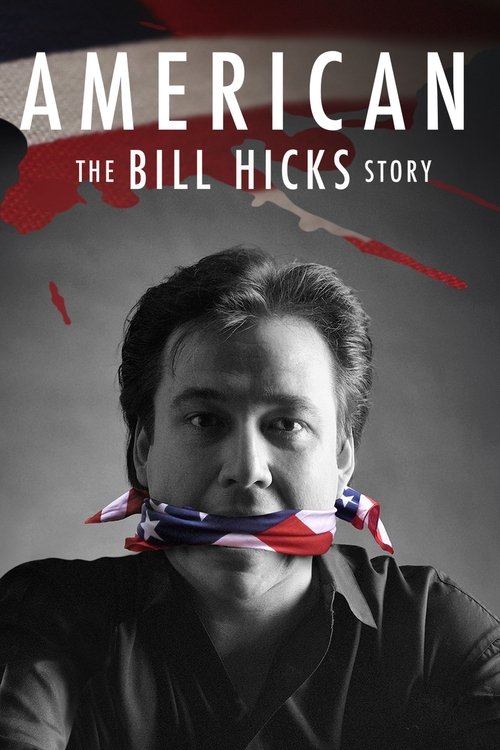
American: The Bill Hicks Story2010
A comedian and his era: voice-over reflection on archive, contemporary artists reckoning with a legacy. The structural DNA is identical to Black Power Mixtape, applied to 1980s–90s counterculture.
But If you don't find Hicks funny, the reverence around him may feel misplaced.
The Two Escobars2010
Uses archive and voiceover to examine power, violence, and national identity in 1990s Colombia. Similar form, different subject, equally gripping—proof the technique works anywhere.
But Crime documentary aesthetics can feel exploitative if you're tired of that genre's conventions.

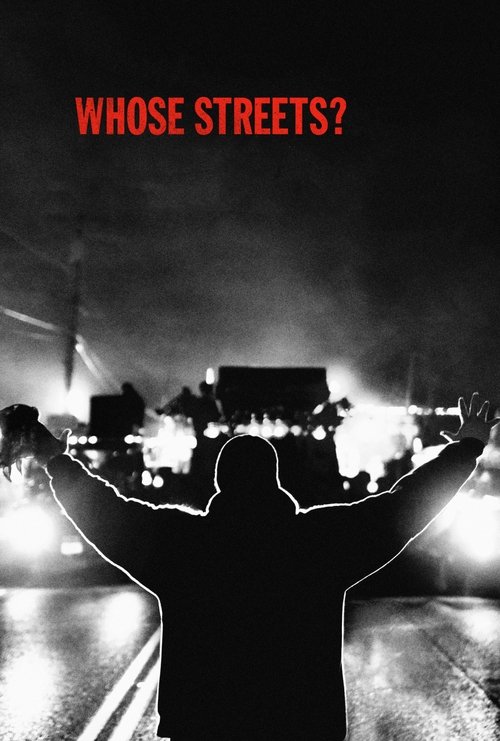
Whose Streets?2017
Documents Ferguson and Black Lives Matter with passion and firsthand testimony. Angry, beautiful, necessary—shows what Black Power principles look like in the 2010s.
But Recent and raw; the wounds are still open, which can make it harder to watch than historical distance allows.
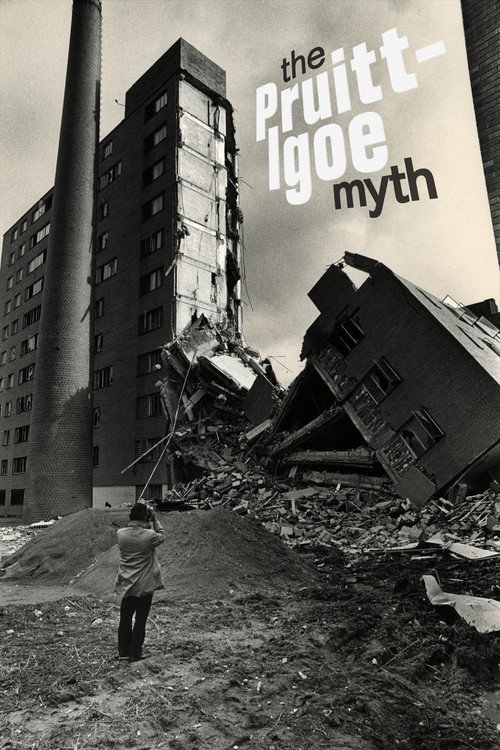
The Pruitt-Igoe Myth2012
Same year as Black Power Mixtape; uses St. Louis public housing as a lens on urban policy, race, and American failure. Elegant, mournful, and clarifying.
But Focuses on architecture and urban planning, which may feel abstract to those wanting human stories.
Sans Soleil1983
Both use archive and contemporary reflection to ask what history means now. But Marker is oblique and poetic where the Mixtape is direct; seeing both shows you the spectrum of what documentary voice-over can do.
Chris Marker's essay-film uses archive, voice-over, and philosophical digression to explore memory, politics, and image across three continents. Structurally and spiritually kin to Black Power Mixtape but far stranger and more personal.
But Experimental and fragmented; there's no plot, and Marker moves by association rather than argument. Demands active viewing.

People
Cast
- Abiodun OyewoleSelf (voice)
 Talib KweliSelf (voice)
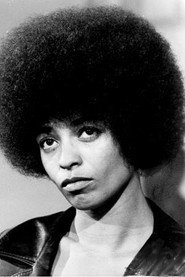 Angela DavisSelf (voice)
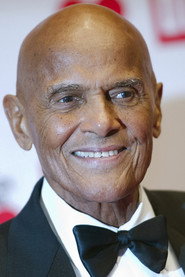 Harry BelafonteSelf (voice)
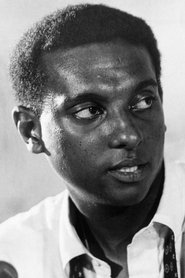 Kwame TureSelf (archive footage)
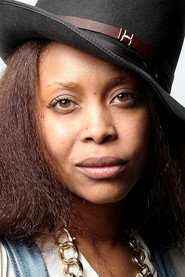 Erykah BaduSelf (voice)
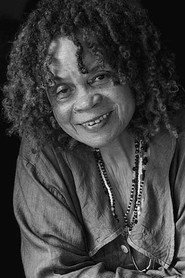 Sonia SánchezSelf (voice)
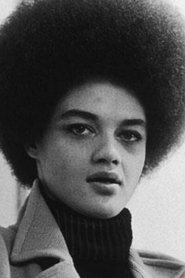 Kathleen CleaverSelf (voice)
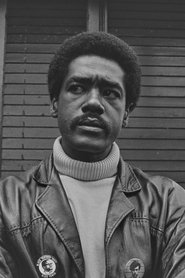 Bobby SealeSelf (voice)
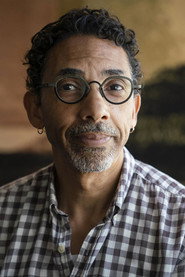 Robin KelleySelf (voice)
 John ForteSelf (voice)
 Melvin Van PeeblesSelf (voice)
Directing
- Göran OlssonDirector
Writing
- Göran OlssonWriter
Production
- Annika RogellProducer
- Danny GloverProducer
- Joslyn BarnesProducer
- Tobias JansonProducer
Recommended by
I Am Not Your Negro, ReMastered: The Two Killings of Sam Cooke, The Language You Cry In, Audre Lorde: The Berlin Years 1984-1992, Muddy Waters: Can't Be Satisfied