
Film
The Language You Cry In
A lyrical documentary detective story tracing the Gullah people of coastal Georgia back to their 18th-century Sierra Leonean roots through language, song, and cultural memory. Vertamae Grosvenor narrates this 53-minute journey of scholarly passion and ancestral connection, moving between continents and centuries to recover a severed past. For anyone hungry to understand how identity persists across the rupture of slavery.
If you liked this
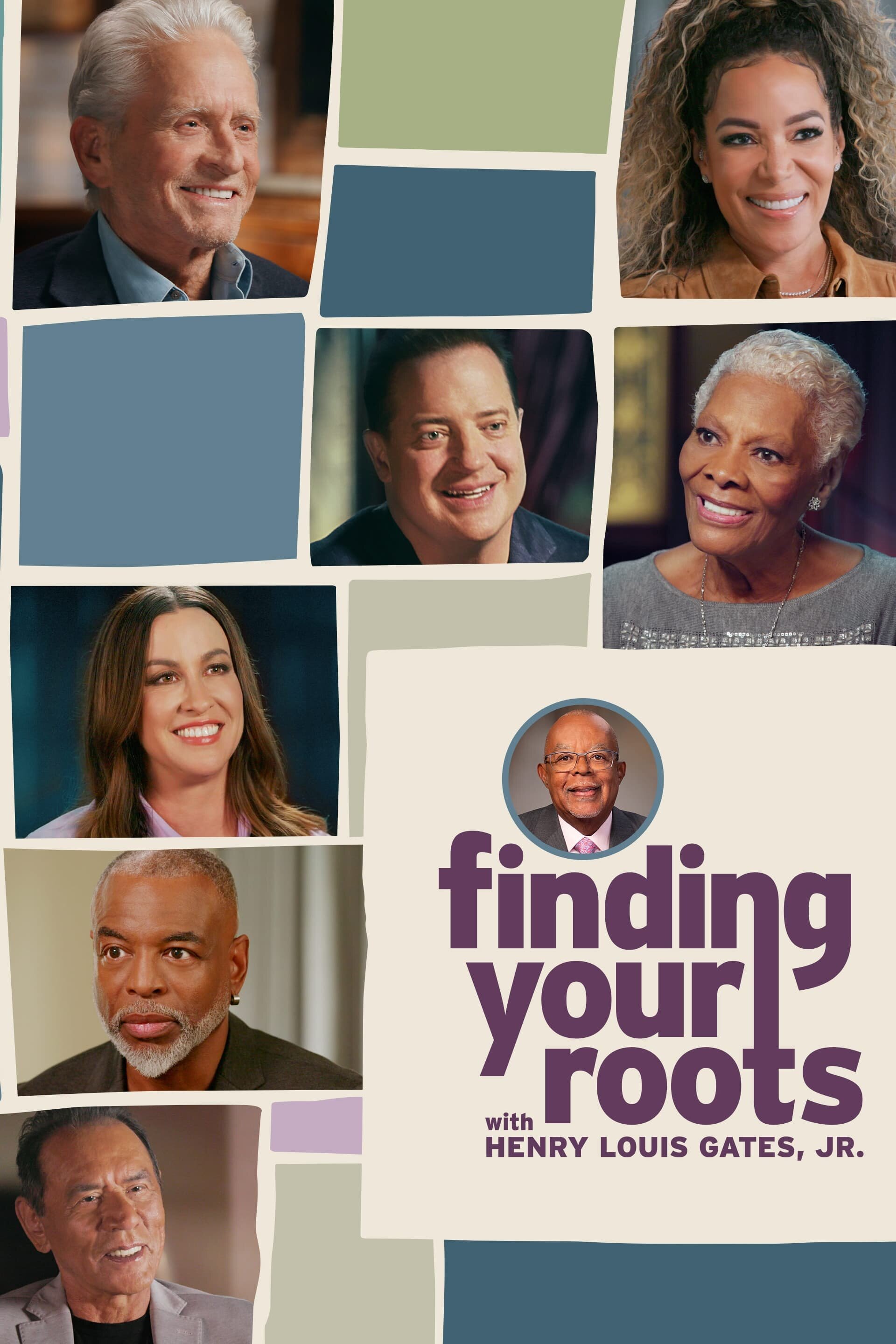
Finding Your Roots with Henry Louis Gates Jr.2012
Henry Louis Gates Jr. traces the ancestries of celebrities back to Africa and Europe, combining DNA testing with archival detective work. It captures the same thrill of discovery and emotional weight of reconnecting with a lost heritage.
But The celebrity angle can feel shallow, and the format sometimes prioritizes entertainment over depth. Some episodes rush through profound personal revelations.
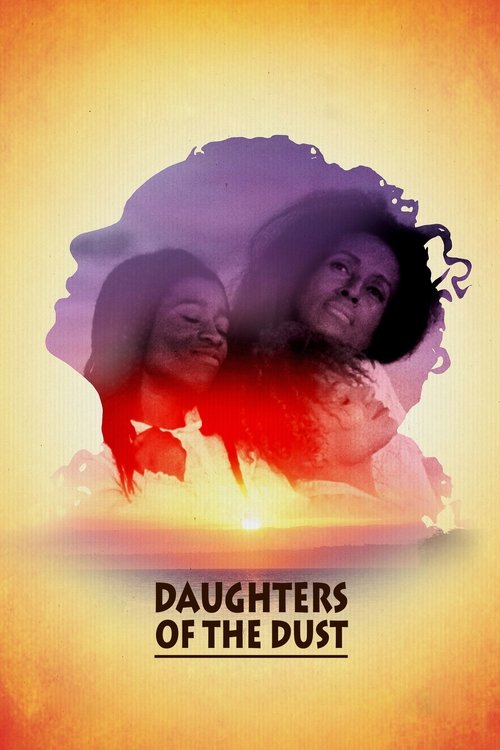
Daughters of the Dust1991
Julie Dash's stunning debut follows a Gullah family at the turn of the 20th century, celebrating their language, customs, and spiritual practices in visually rapturous prose-poetry. It's a cinematic companion to the documentary's reverence for Gullah culture itself.
But The nonlinear narrative and stream-of-consciousness style demand patience. It privileges mood and image over plot clarity, which frustrates viewers wanting conventional storytelling.
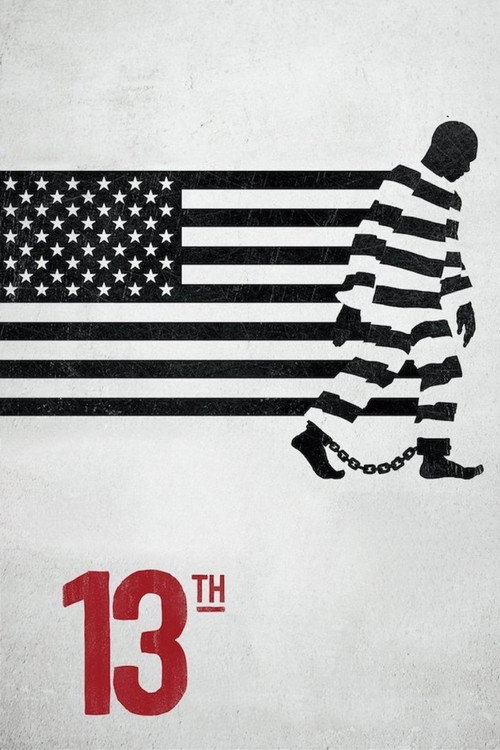
13th2016
Ava DuVernay's essential documentary traces American racism from slavery through mass incarceration using archival footage and expert testimony. It provides crucial historical context for understanding the systems that severed African American connections to ancestral heritage.
But The relentless accumulation of atrocity can be emotionally devastating. Some may find the argumentative stance didactic rather than exploratory.
Not sure tonight? Get a pick in a minute, starting from The Language You Cry In
The wildcard
Something you would not have found on your own.
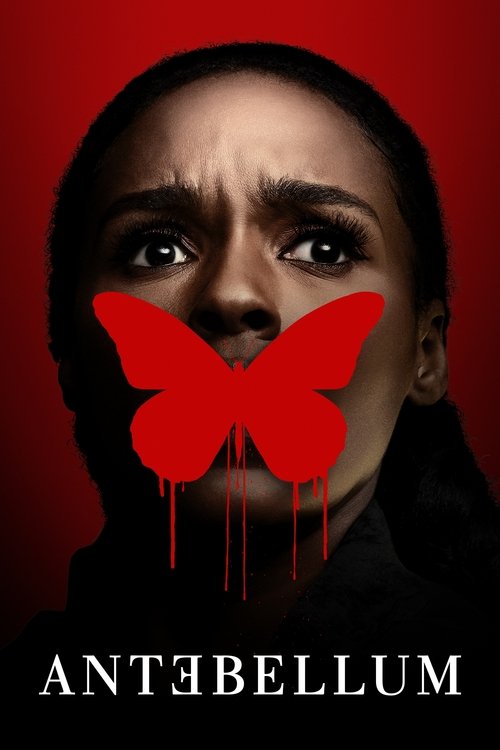
Antebellum2020
Both ask how the past colonizes the present for African Americans—one through scholarly language recovery, one through visceral surrealist nightmare.
Janelle Monáe's thriller literalizes generational trauma and temporal rupture—a Black woman discovers she's trapped in a recursive nightmare of slavery. Though genre-bent as sci-fi horror rather than documentary, it interrogates the same question: how does ancestral wound persist in the present moment?
But It's a genre film first, intellectual exercise second. The twist may feel gimmicky or exploitative to those who want historical respectfulness over stylistic innovation.
More like this (3)
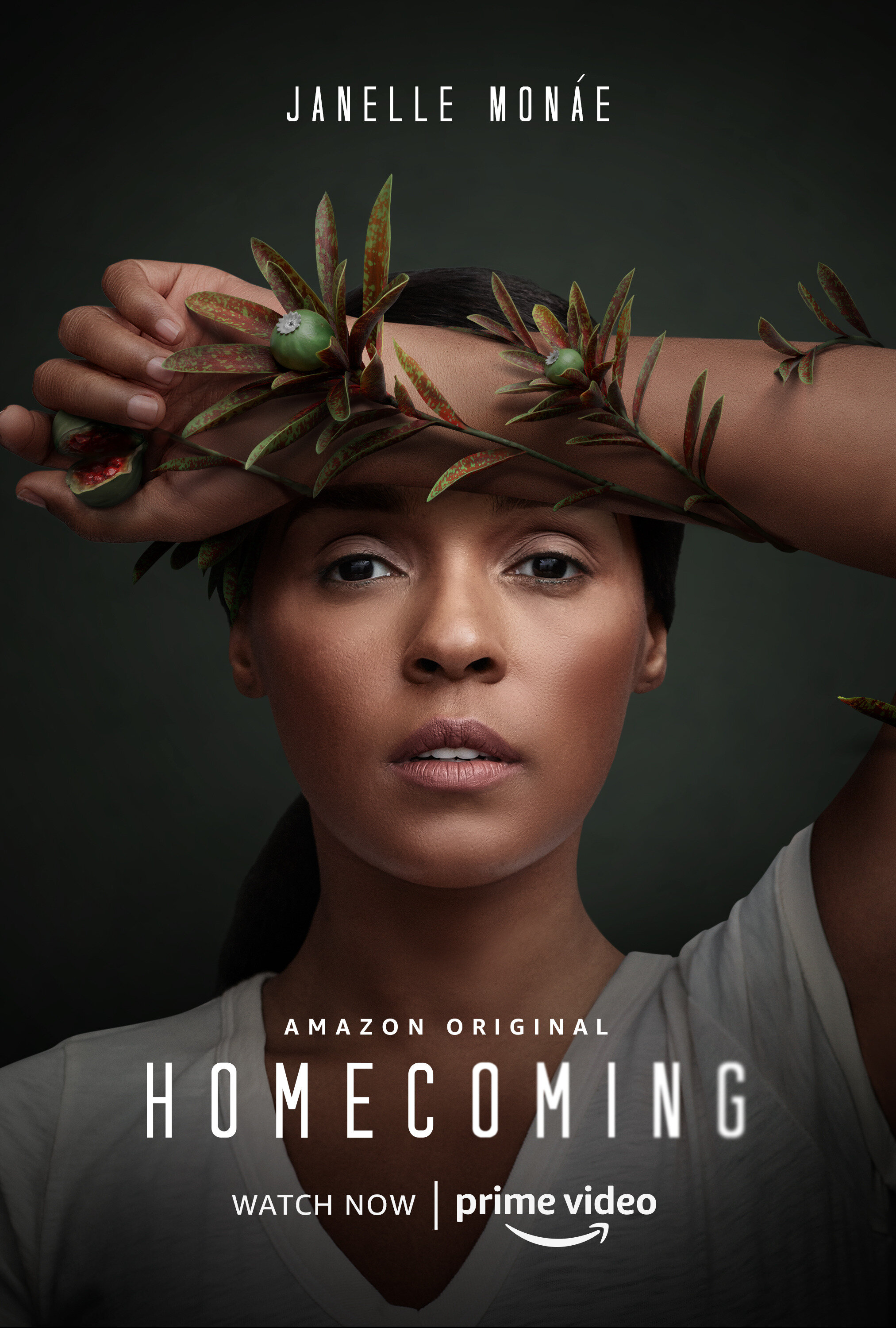
Homecoming2018
This recent adaptation of Yaa Gyasi's novel traces two half-sisters' diverging destinies across continents and generations, beginning in 18th-century Ghana. It literalizes the same transoceanic journey The Language You Cry In traces through cultural memory alone.
But Compressed into television, the epic scope sometimes feels rushed. The emotional heaviness of generational trauma can overwhelm the specific cultural details.
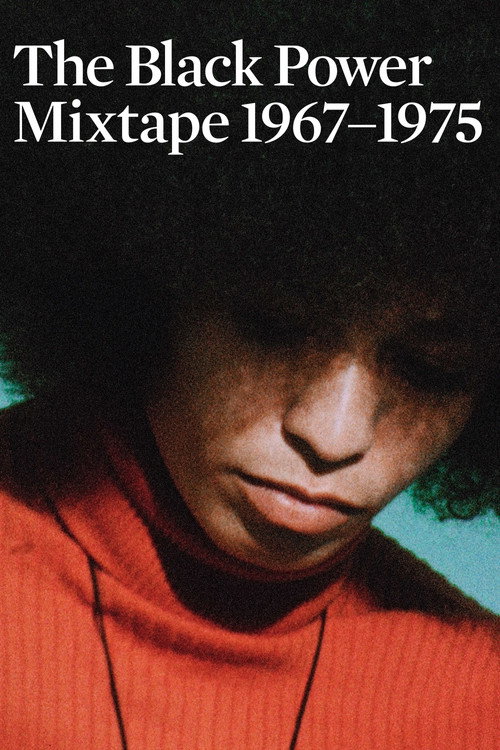
The Black Power Mixtape 1967-19752011
Göran Olsson assembles Swedish documentary footage of the Black Power era alongside contemporary reflections from figures like Angela Davis and Harry Belafonte. It's archival excavation and oral history in conversation, much like this film's methodology.
But The archive is Swedish-sourced, which creates an outsider perspective some will find distancing. The layering of voices can feel oblique if you want straightforward historical narrative.
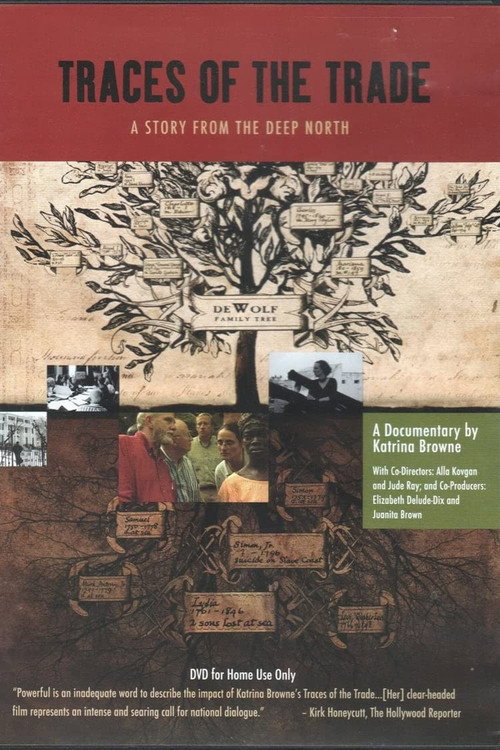
Traces of the Trade: A Story from the Deep North2008
A white American family traces their ancestors' involvement in the slave trade across three continents, grappling with complicity and inherited guilt. It reverses the perspective but shares the film's commitment to following cultural inheritance across centuries and geographies.
But The focus on white reckoning means it centers discomfort of descendants of enslavers rather than the lived experience of the enslaved. Some will find that morally confused.
People
Cast
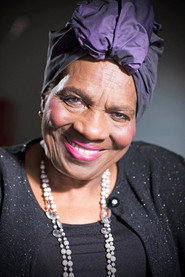 Vertamae GrosvenorSelf - Narrator (voice)
Directing
- Alvaro ToepkeDirector
- Ángel SerranoDirector
Writing
- Harry CleggAdaptation
- Alvaro ToepkeWriter
Production
- María José TortosaExecutive Producer
- Charles BlackProduction Assistant
- Eddie BenyaProduction Assistant
- Herb FrazierProduction Assistant
- Isatu SmithProduction Assistant
- Alice JayProduction Manager