
Television series
Finding Your Roots with Henry Louis Gates Jr.
- Mystery
- Dip in and out
Henry Louis Gates Jr. guides celebrities and public figures through their family histories, combining genealogical detective work with DNA analysis to unearth unexpected ancestors and hidden connections. It's intimate biography meets historical investigation—emotionally resonant without being maudlin, intellectually rigorous without lectures. For anyone curious about where they come from, or simply moved by the moment someone discovers they're related to someone famous, or infamous, or just finally knowable.
Should you watch it?
Watch it if you enjoy watching a guest's composure crack as an old record surfaces, and you like history told through one person's family papers and DNA results rather than through sweeping narration.
Skip it if you want a tight, self-contained story; each hour is a loose bundle of separate reveals with little connecting the guests beyond the format itself.
What it asks of you: Each episode runs about an hour and the pace is conversational, with long pauses while records are read aloud. You can dip in anywhere, though 127 episodes means you will be choosing rather than finishing.
Not sure? Find tonight's pick in a minute.
If you liked this
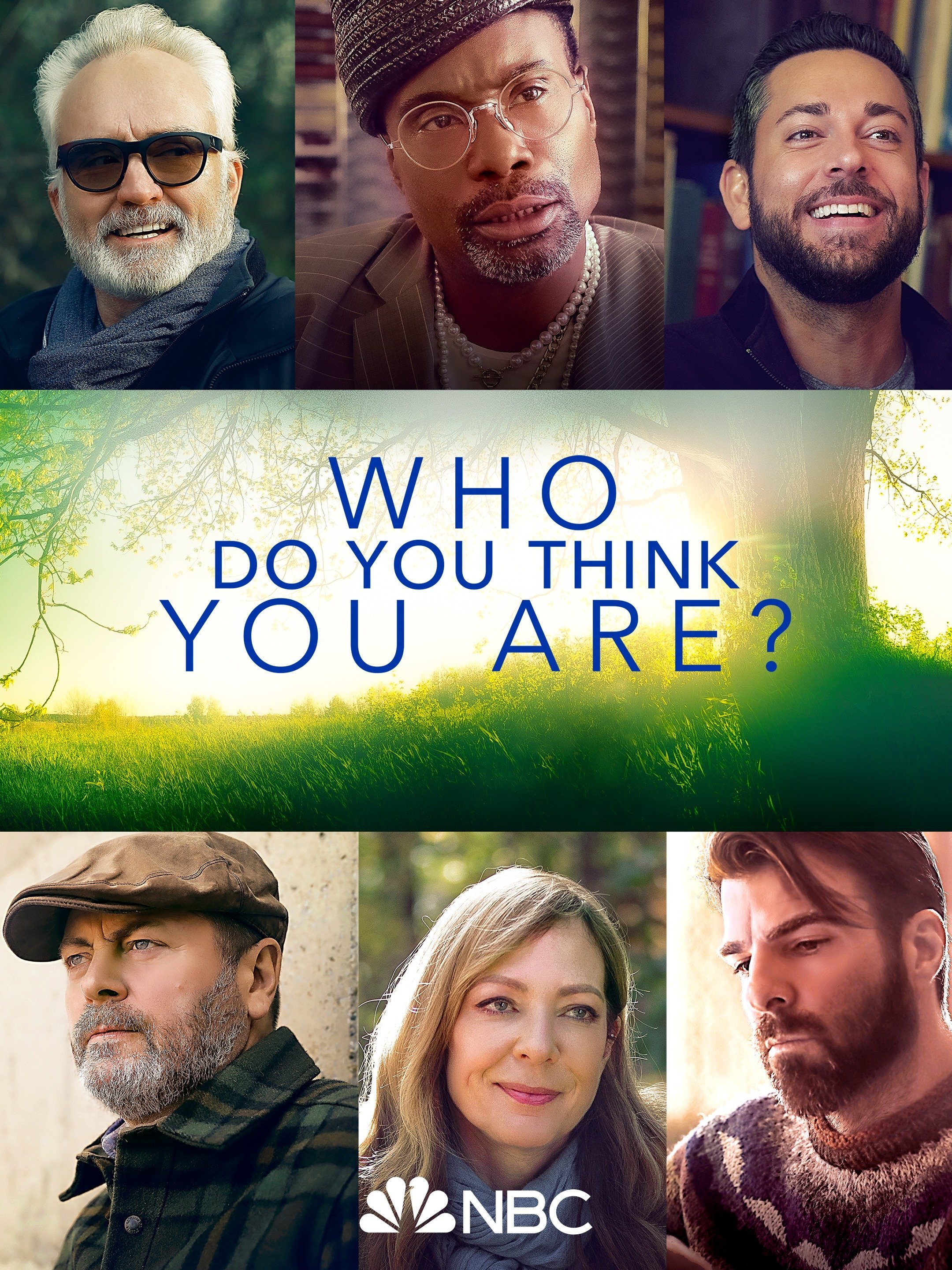
Who Do You Think You Are?2010
The British original that pioneered this format with elegance. Genealogists pursue real leads across continents while celebrities confront surprising truths about wealth, scandal, and survival in their family lines.
But Each episode moves quickly; if you prefer leisurely storytelling or deep dives into a single ancestor, the pacing might feel rushed.
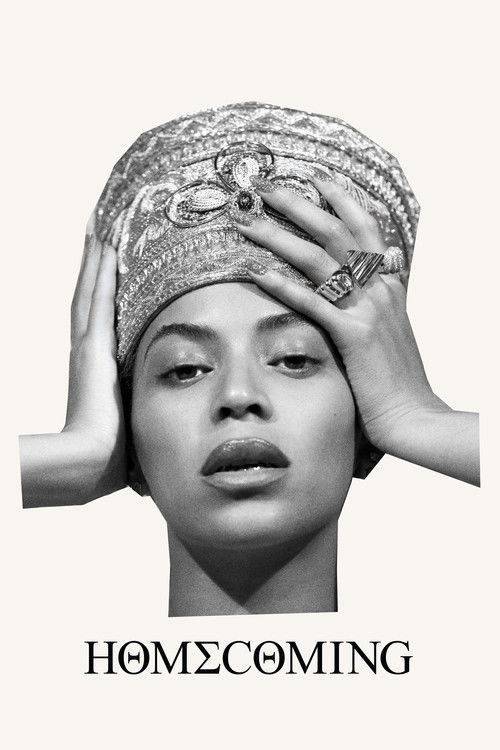
HOMECOMING: A film by Beyoncé2019
Not genealogy, but a profound meditation on inheritance, lineage, and what we carry from our ancestors into our present. Visual, visceral, historically layered—another kind of roots-finding.
But It's a concert film, not a documentary. If you need conventional structure or don't connect with Beyoncé's work, this will feel oblique.
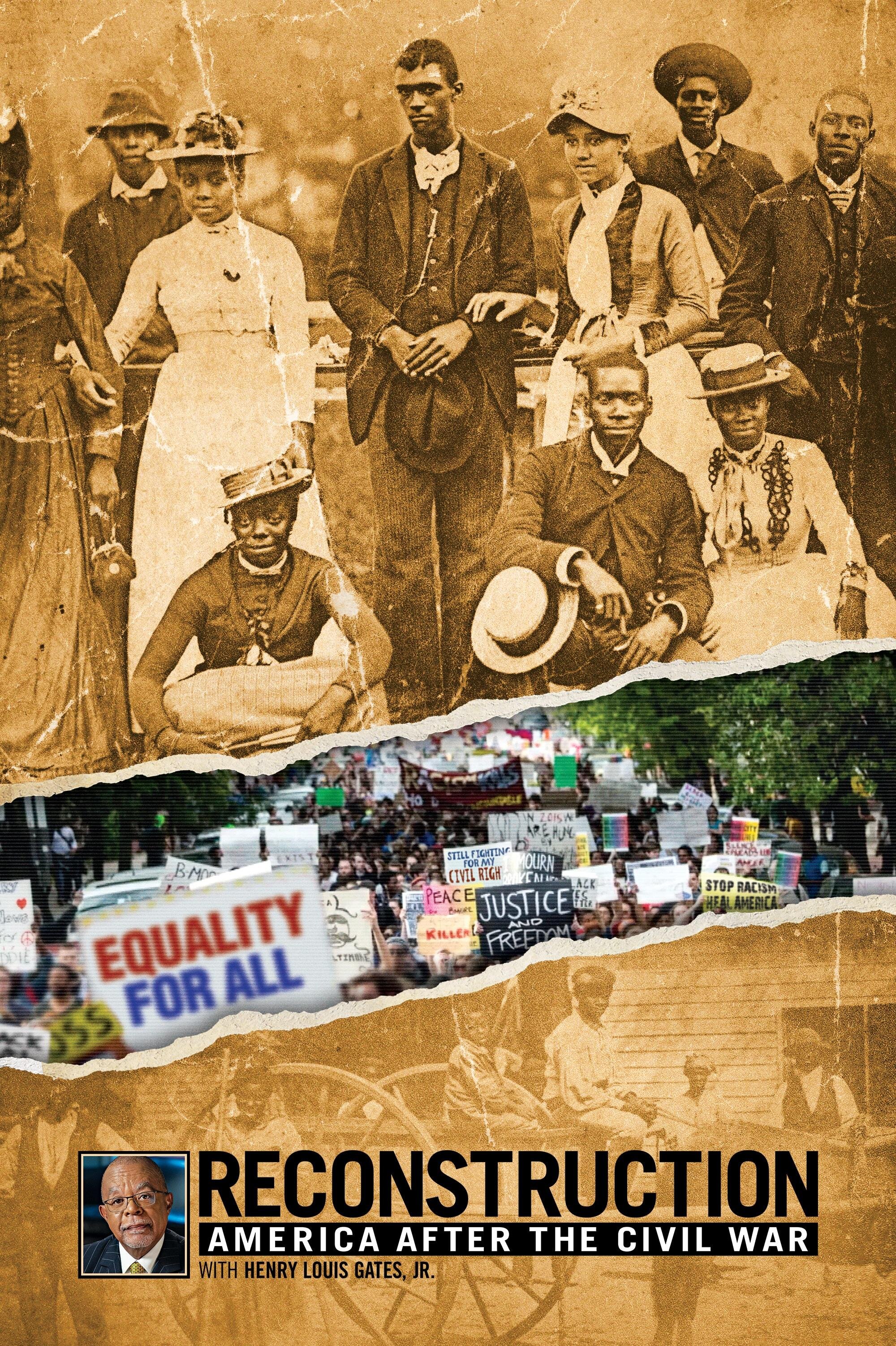
Reconstruction: America After the Civil War2019
Gates narrates this sweeping, urgent history of what happened to freed people and their descendants. Genealogy's larger purpose—understanding how our ancestors' circumstances shape our own.
But Dense with information and difficult history. It's not comfort viewing; it demands attention and emotional resilience.
Not sure tonight? Get a pick in a minute, starting from Finding Your Roots with Henry Louis Gates Jr.
The wildcard
Something you would not have found on your own.
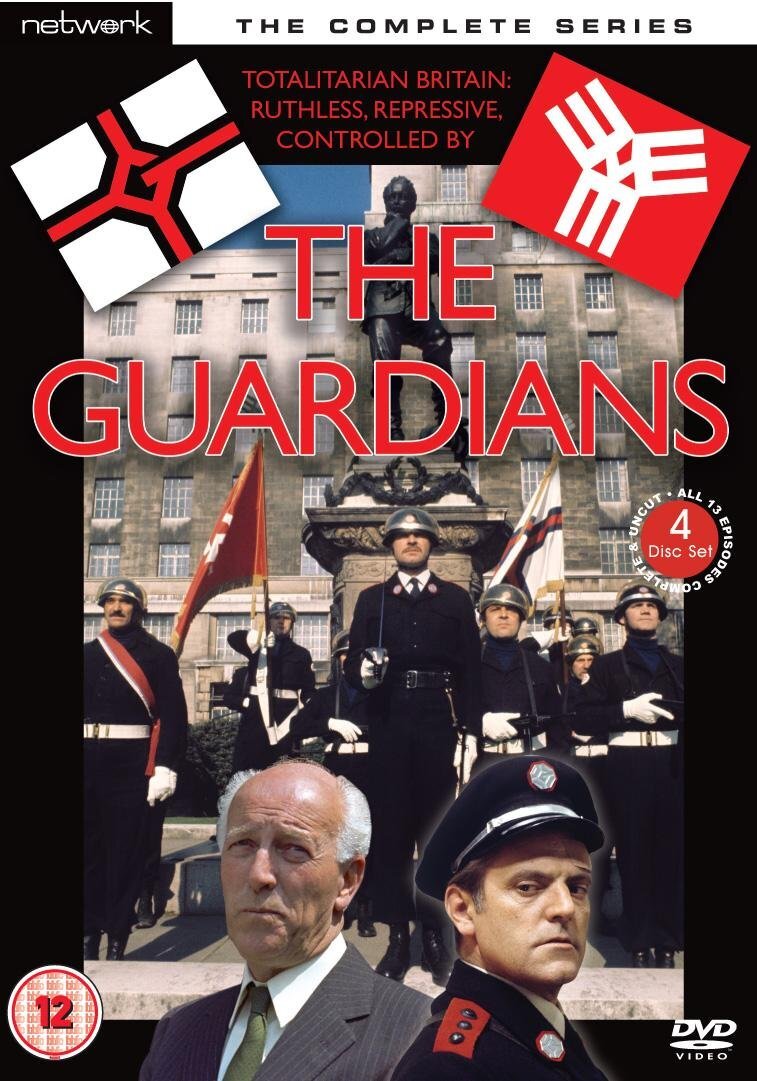
The Guardians1971
Both excavate hidden family histories; both treat genealogy as moral inquiry, not mere curiosity. The difference is Gates discovers joy; Ruffalo discovers complicity.
Mark Ruffalo leads this limited series as a genealogist investigating his own family's connection to war crimes. It takes the investigative DNA of Finding Your Roots and runs it through noir and moral complexity—ancestors become evidence in a reckoning.
But It's fiction, not documentary. If you prefer historical certainty to dramatic interpretation, you'll want something more grounded. And it's heavy—not designed to feel cathartic.
More like this (4)
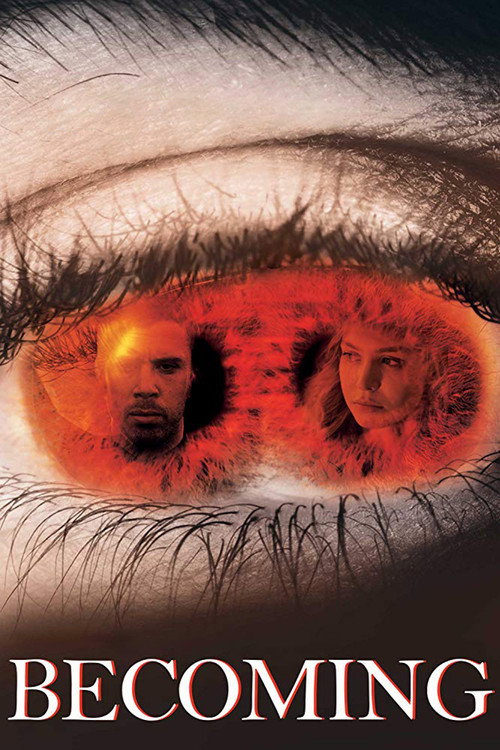
Becoming2020
Michelle Obama's intimate memoir becomes documentary. Not genealogy, but autobiography as archaeology—excavating identity, belonging, and what family means across generations.
But Deeply personal rather than investigative. If you prefer the detective-work aspect of Finding Your Roots, this is reflective rather than revelatory.
The Great Hack2019
A different kind of genealogy—how companies use data to map and manipulate millions. Unsettling, timely, and unexpectedly related to how DNA databases now work.
But It's a political thriller, not a feel-good discovery story. The tone is dark and the implications are genuinely troubling.

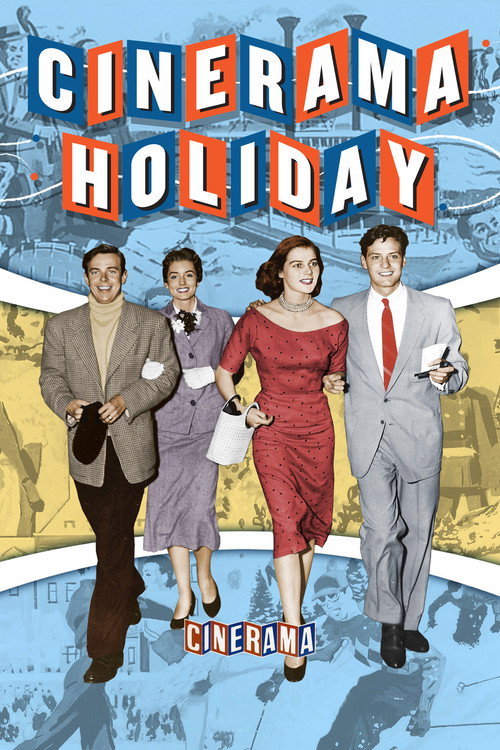
Cinerama Holiday1955
Both are built on the idea that understanding the past means traveling—literally or imaginatively. One traces bloodlines; the other traces landscapes and the human impulse to witness them.
A travelogue shot in three-camera widescreen, following tourists across Europe and the American West. It's genealogy's visual inverse—not about where you came from, but where your ancestors and theirs might have been. Hypnotic, strange, utterly immersive.
But There's no narrative. It's purely sensory. If you need plot or character or even dialogue, this will baffle and bore you.
The Act of Killing2012
Finding Your Roots assumes genealogy brings understanding and connection. The Act of Killing asks: what if the truth doesn't redeem? What if knowing makes things worse? Both are about excavation; only one trusts the excavation.
A documentary that asks former death squad leaders to reconstruct and perform their own atrocities. It's genealogy in reverse—not discovering your ancestors' secrets, but having perpetrators confess them. Unsparing, strange, essential.
But It's deeply disturbing and philosophically disorienting. Some viewers find it exploitative. It will not make you feel better about human nature.

People
Cast

Recommended by
Diggers, Oprah: Where Are They Now?, The Language You Cry In, Who Do You Think You Are?, Long Lost Family, Motherland: A Genetic Journey