
Television series
Reconstruction: America After the Civil War
Henry Louis Gates Jr. guides you through the twelve years after the Civil War when America remade itself from the ground up. Reconstruction is absorbing, beautifully made, and refuses easy answers about how a nation heals from violence and chooses what it wants to become. Essential for understanding why we're still arguing about the same things now.
Should you watch it?
Watch it if you want a clear, patient account of how the country tried to remake its democracy after war, and you like historians who lay out the arguments rather than just the drama.
Skip it if you want battlefield action or a brisk pace; this moves at the speed of argument, asking you to follow politics, law and voting more than private lives.
What it asks of you: Four one-hour episodes, unhurried and dense, so settle in for a full evening and expect to keep track of shifting laws, amendments and factions.
Not sure? Find tonight's pick in a minute.
If you liked this
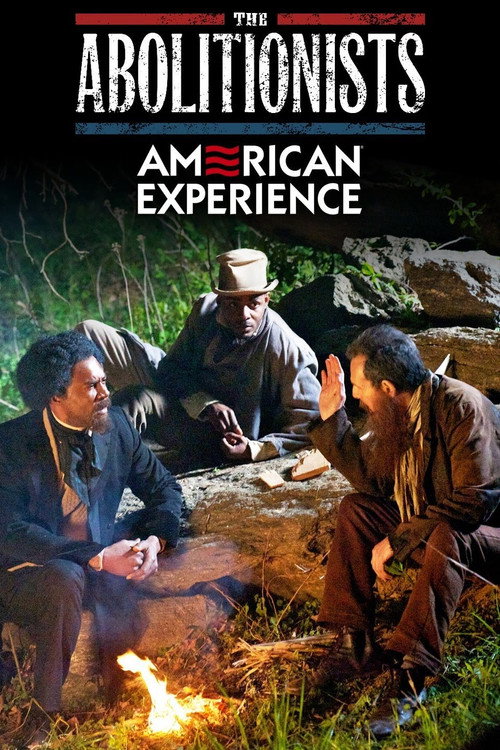
The Abolitionists2013
This PBS series traces the decades-long moral crusade that made abolition possible, giving you the ideological foundation you need to understand what Reconstruction was fighting to protect and build on.
But It's necessarily dense with names and dates, and the pacing assumes you'll sit with complexity rather than seeking catharsis.
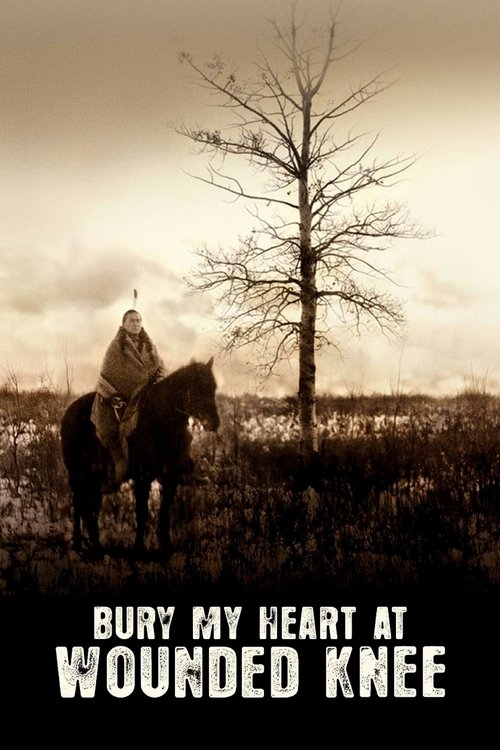
Bury My Heart at Wounded Knee2007
HBO's meticulous dramatization of the Indian Wars shows how Reconstruction's racial politics played out in the West, with the same federal government making contradictory promises to different people.
But It's grief-stricken and unflinching, never offering the comfort of a clean moral victory. Deeply sad.
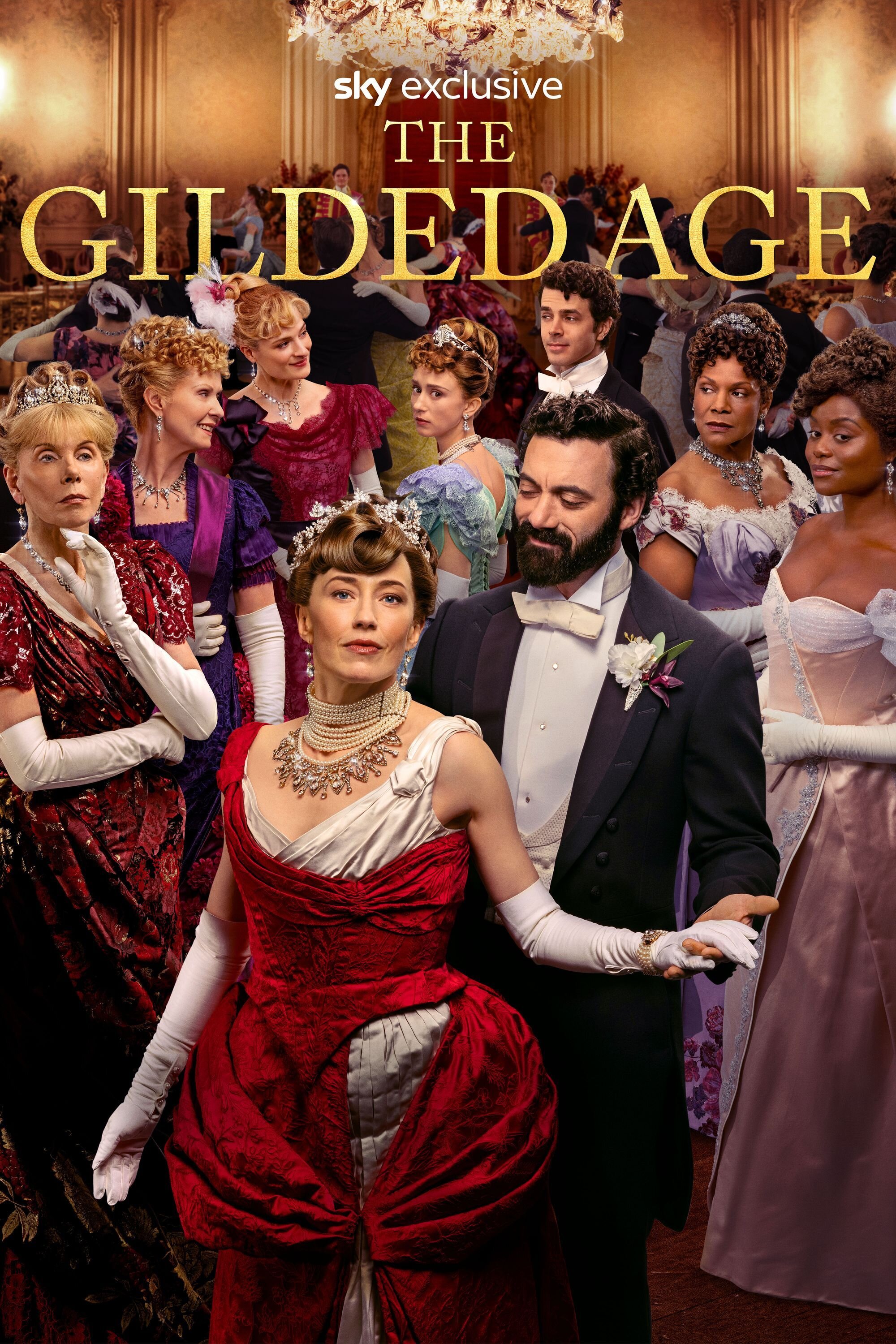
The Gilded Age2022
Julian Fellows' HBO series dramatizes the exact moment Reconstruction failed, when industrialists and old money reordered the country along class lines instead of racial justice. You'll see the betrayal unfold.
But It's set among the wealthy and fashionable, which can feel distant from the stakes at ground level. Some find it more soap opera than history.
Not sure tonight? Get a pick in a minute, starting from Reconstruction: America After the Civil War
The wildcard
Something you would not have found on your own.
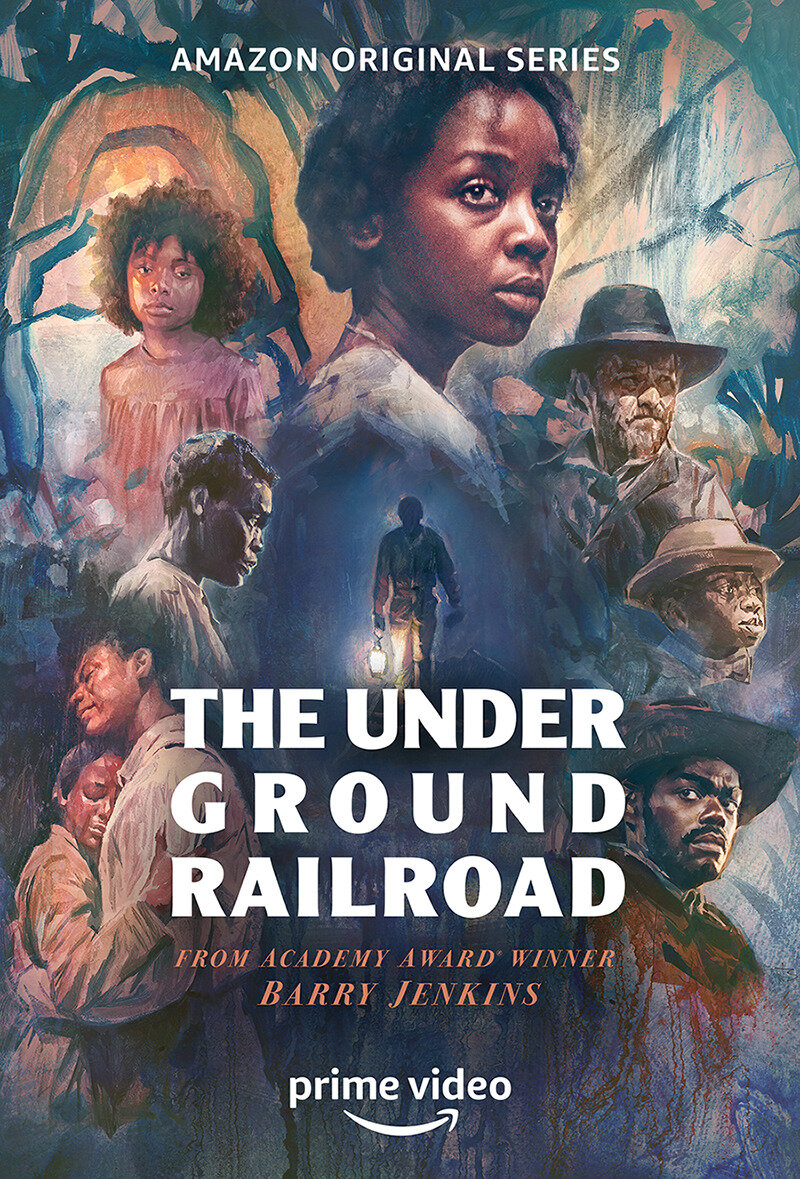
The Underground Railroad2021
Both are about the moment a nation decides who counts as human and what freedom actually means when you have to rebuild it from scratch.
Barry Jenkins' Amazon limited series transforms Colson Whitehead's novel into a dreamlike, visually rapturous meditation on freedom and time. It's speculative rather than literal history, but it captures the metaphysical weight of what Reconstruction was trying to achieve.
But It's avant-garde and allegorical, not a conventional narrative. If you want straight answers about what happened and when, this will frustrate you.
More like this (6)
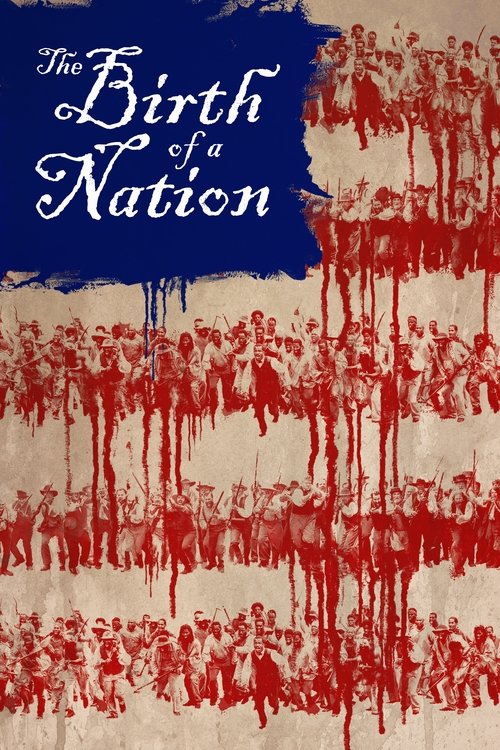
The Birth of a Nation2016
Nate Parker's film recounts Nat Turner's rebellion and the terror it sparked, showing you the violence and paranoia that shaped white Reconstruction policy. Devastating and necessary context.
But It's harrowing and brutal by design. Some viewers find the unrelenting trauma difficult, and the film was controversial enough that it's easy to bring baggage to it.
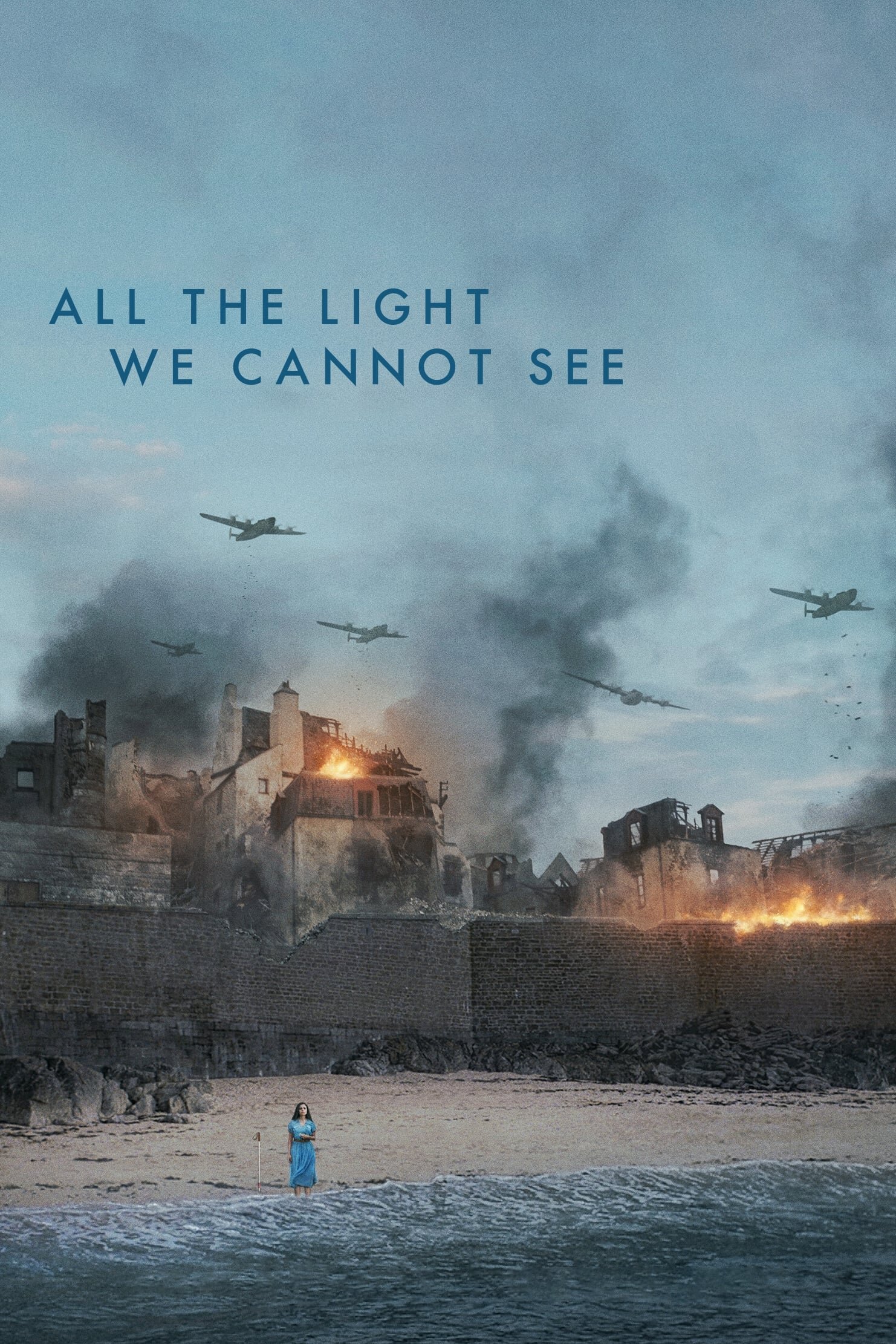
All the Light We Cannot See2023
Netflix's adaptation shows how trauma reshapes a society's architecture—both literal rubble and the invisible barriers people rebuild. The metaphorical weight adds texture to thinking about Reconstruction.
But It's set in WWII France, not postbellum America, so the connection is thematic rather than direct. Some feel the elegance overshadows the historical specificity.
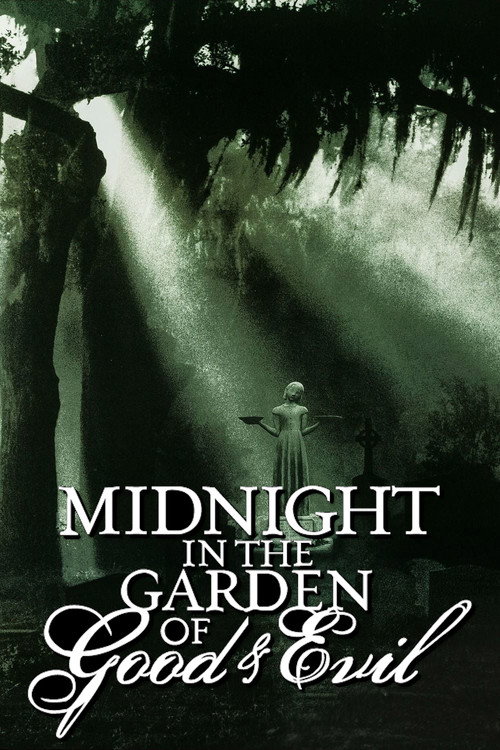
Midnight in the Garden of Good and Evil1997
Clint Eastwood's Southern Gothic mystery is soaked in the unresolved racial and class tensions of the post-Reconstruction South, showing you how those failures calcified into culture and behavior.
But It's a murder mystery first and a history lesson never, so if you want explicit social analysis, this is too oblique and style-heavy.
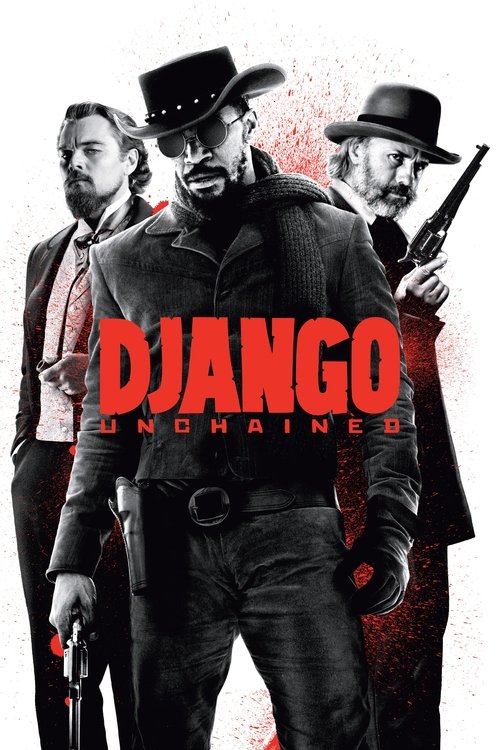
Django Unchained2012
It's not a history lesson, but Tarantino's revenge fantasy captures something true about the violent fantasies white Reconstruction opponents needed to suppress, and the fantasy of Black freedom they couldn't tolerate.
But It's stylized pulp, not documentary, and some feel the stylization trivializes actual suffering. The violence is cartoonish, which can read as disrespectful.
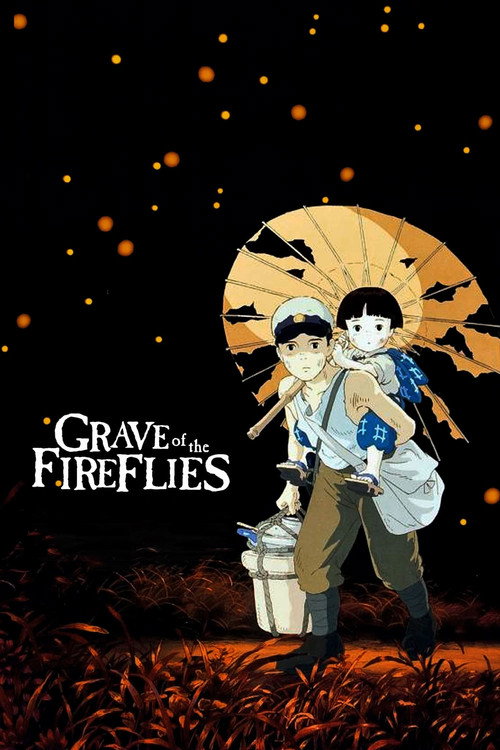
Grave of the Fireflies1988
Both ask: what does a person owe to their community when the community has been destroyed? How do you rebuild when you're grieving?
Isao Takahata's animated film is about two children navigating the collapse of society after aerial bombardment—not Reconstruction, but it captures the specific texture of living through the death of a nation and trying to survive its aftermath.
But It's Japanese, animated, and devastating. It's also only 90 minutes, so it's a lyric poem about loss rather than a historical account. Some find animation an odd choice for tragedy.
The Devil in the White City
Both are about the gap between what America claimed to be and what it actually was doing—Reconstruction's ideals shattered, the Gilded Age's cruelty hidden behind marble facades.
This Hulu limited series intercuts the 1893 Chicago World's Fair with H.H. Holmes' murders, capturing a moment when America was performing its industrial grandeur while violence and exploitation festered underneath. Gilded Age gothic.
But It's a serial killer drama grafted onto history, so if you dislike true-crime spectacle, the sensationalism will feel wrong. It's also more entertainment than scholarship.
People
Cast

Recommended by
Tulsa Burning: The 1921 Race Massacre, The Civil War, Stamped from the Beginning, Dreamland: The Burning of Black Wall Street, Finding Your Roots with Henry Louis Gates Jr., The African Americans: Many Rivers to Cross, A Class Divided, Mercy Street