
Television series
The African Americans: Many Rivers to Cross
Henry Louis Gates Jr. guides you through five centuries of African-American history with scholarly precision and genuine warmth. This six-part series moves from slavery's origins through to Obama's presidency, balancing grand historical sweep with intimate human stories. It's comprehensive without feeling like homework—essential viewing for understanding America.
If you liked this
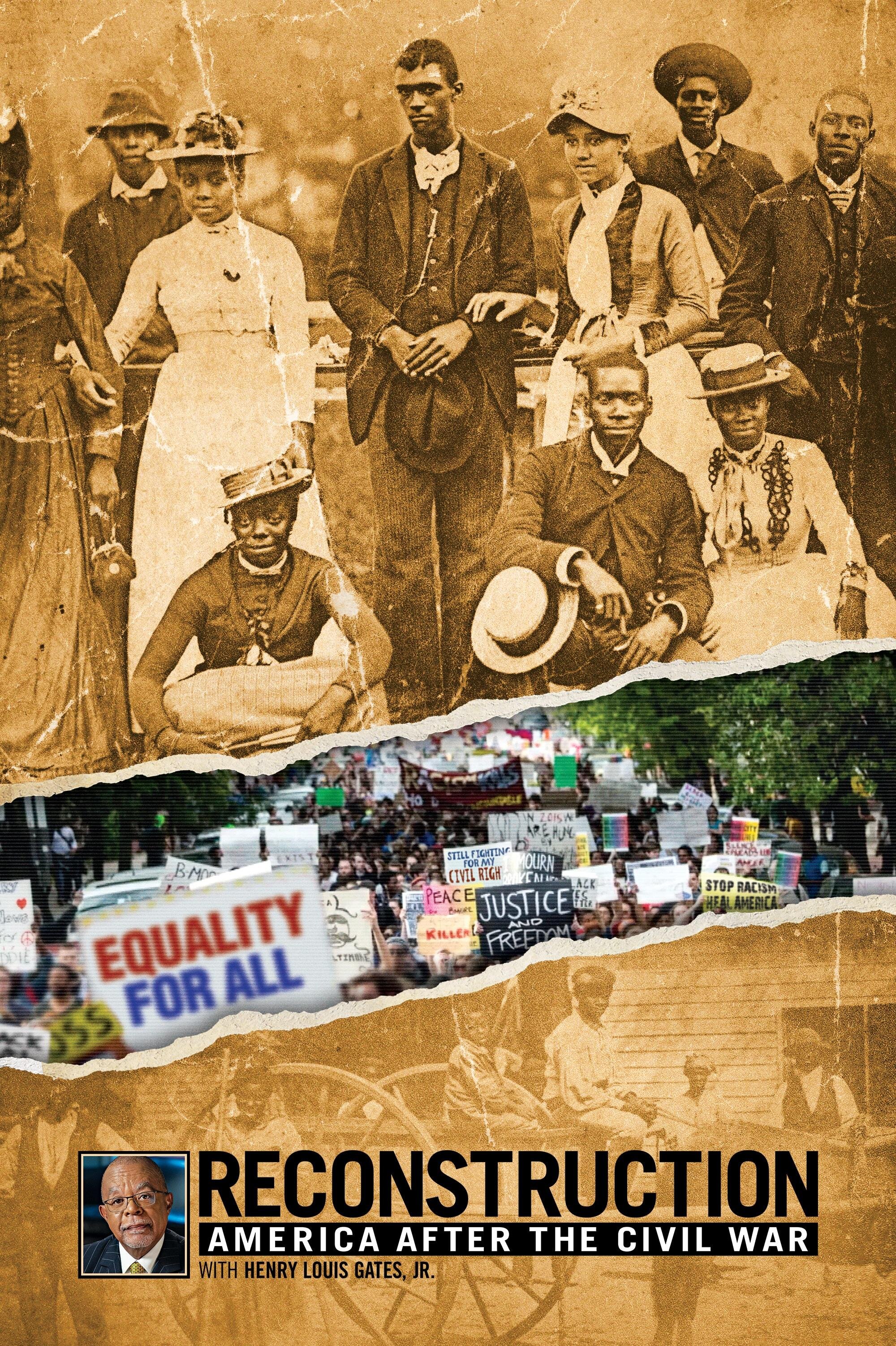
Reconstruction: America After the Civil War2019
Henry Louis Gates Jr. returns with another vital documentary series, this time narrowing focus to the pivotal 12 years after the Civil War when Black Americans briefly held real political power and shaped the nation's future.
But It's heavy material covering a period of profound violence and betrayal. Watching hope systematically crushed can be difficult, even when necessary.
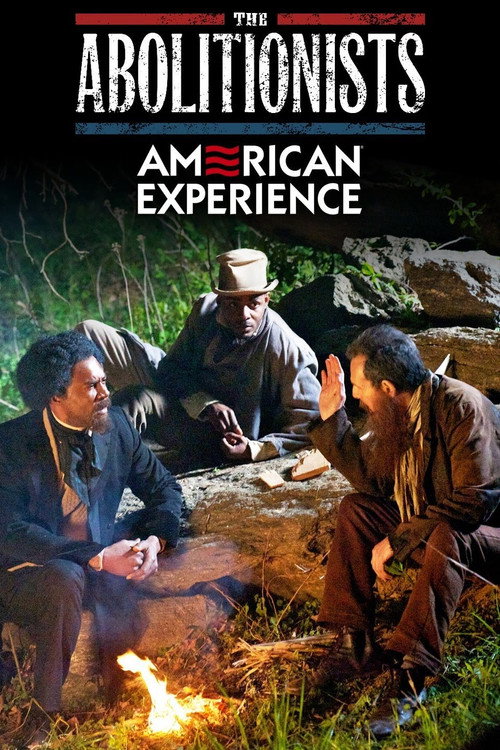
The Abolitionists2013
This same year, PBS released another essential history covering the centuries-long movement to end slavery in America. Focuses on the people who fought—some born enslaved, some abolitionists their whole lives.
But The scope is vast and sometimes the narrative jumps between timelines in ways that require active attention to keep straight.
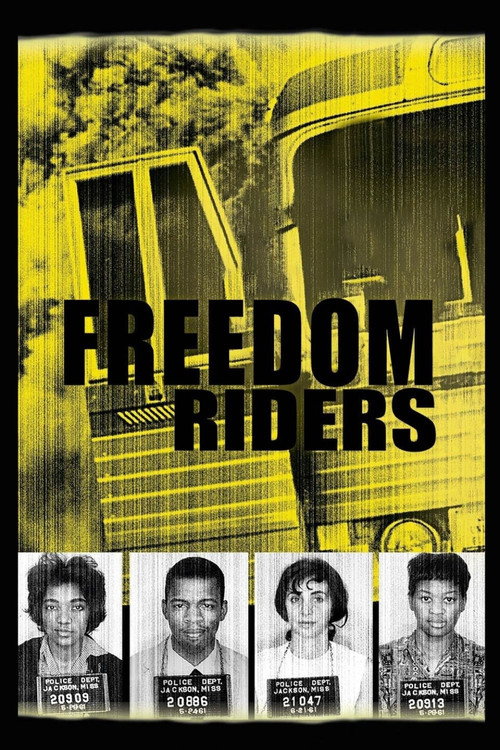
Freedom Riders2010
Ray Strickland's documentary about the brave, foolish, necessary activists who rode buses into the segregated South in 1961. Raw footage and the riders' own voices make it visceral and immediate.
But The violence is real and graphic. It's not a comfortable watch, and watching people you've come to admire get beaten is the whole point, which doesn't make it easier.
Not sure tonight? Get a pick in a minute, starting from The African Americans: Many Rivers to Cross
The wildcard
Something you would not have found on your own.
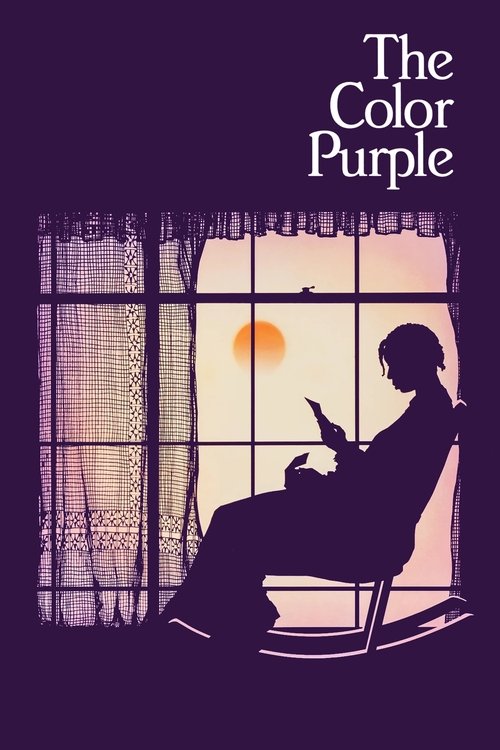
The Color Purple1985
Both trace the long history of African Americans forging culture and resistance through their own institutions and art, moving from despair toward dignity. The series provides the historical frame; this film shows the lived complexity inside it.
Steven Spielberg's adaptation of Alice Walker's novel is a direct spiritual sibling to Gates's series—it shows what Black women survived and created in the American South across generations. The novel itself is essential; the film honors it fiercely.
But It contains depictions of sexual violence and abuse. The film is beautiful and sometimes brutal. Not for every evening, but essential when you're ready.
More like this (6)
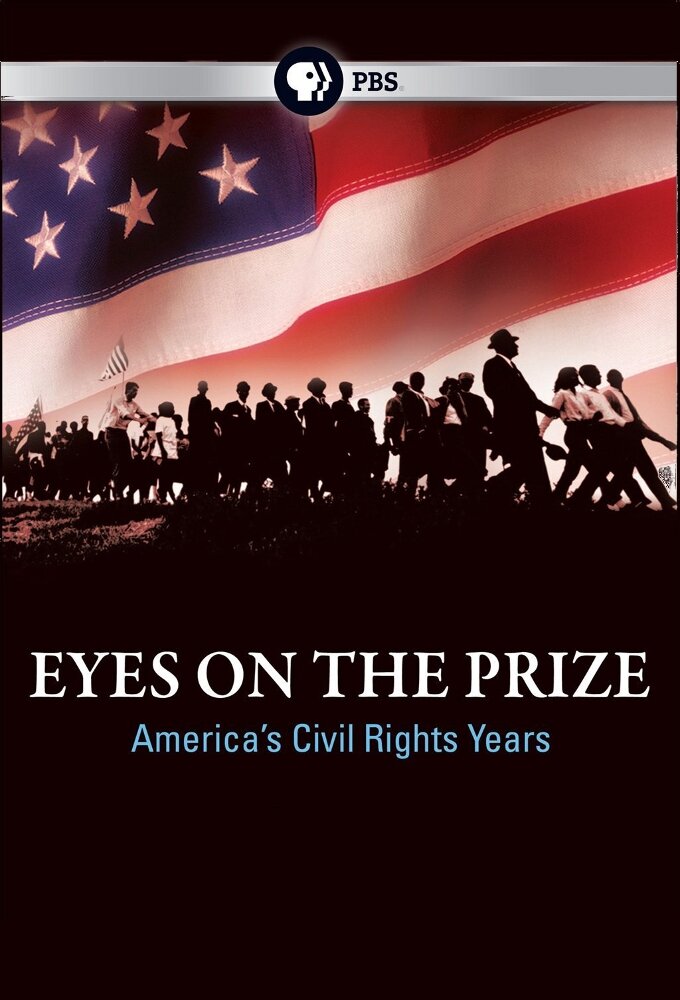
Eyes on the Prize1987
The definitive 14-hour documentary on the Civil Rights movement. Meticulously researched, structured with genuine narrative momentum, filled with archival footage that brings history alive. Start here and you'll understand everything.
But It's long and old (the filmmaking feels of its era). You'll need to commit serious hours, though any hour is worth the investment.
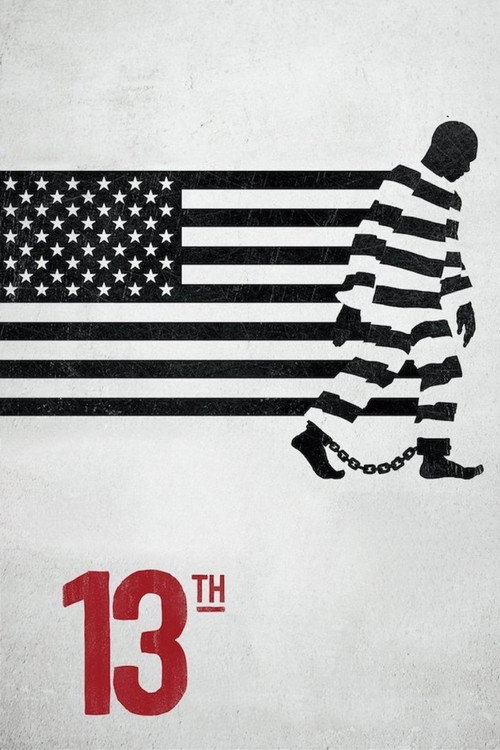
13th2016
Ava DuVernay's urgent, visually inventive documentary arguing that the 13th Amendment abolished slavery everywhere except in prisons—and how that exception was weaponized. It will change how you see mass incarceration.
But The film's argument is polemical and forceful. If you need documentaries to feel neutrally balanced, this isn't it. But it's earned the force.
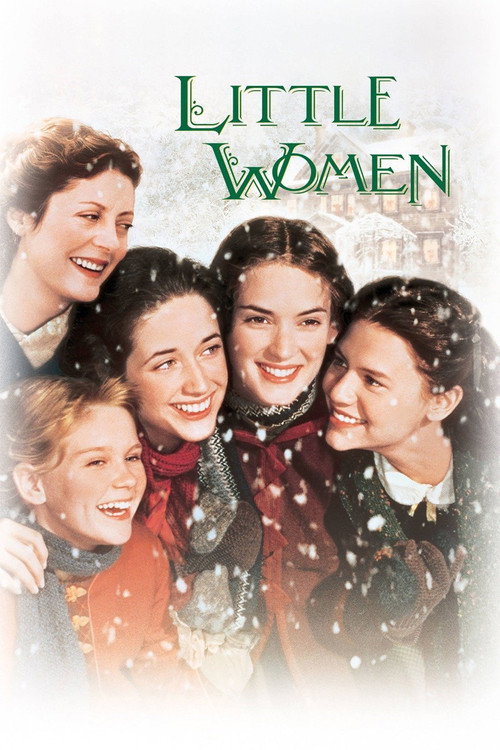
Little Women1994
A newer docuseries following four Black women activists—Michelle Obama, Ericka Hart, Cecile Richards, Paola Mayfield—as they talk openly about their lives, bodies, and struggles. Contemporary, intimate, funny, and raw.
But It's more conversation and reflection than historical narrative. If you're after big-picture chronology, this is something different: a mirror held up to now.
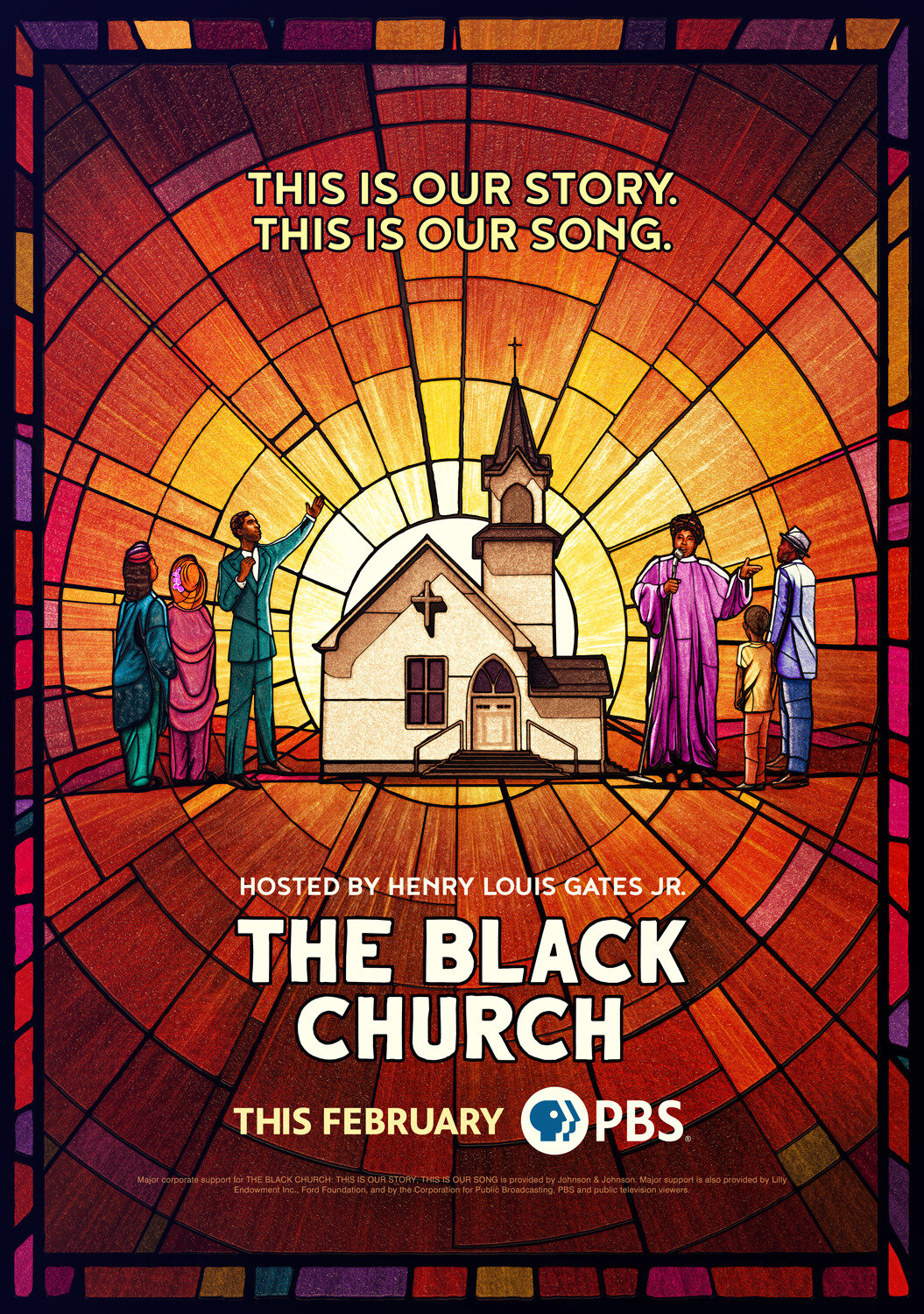
The Black Church: This Is Our Story, This Is Our Song2021
Gates returns again, this time to trace the Black church from its hidden origins in slavery through to today. Music, theology, resistance, and joy are all braided together. Less about dates, more about soul.
But At six hours, it's a commitment. And if you're not moved by music or spirituality, some episodes might feel slower than others. But give it time.
Beloved1998
Where Gates traces the facts and movements of African-American history, Morrison and Demme explore the interior—the trauma, memory, and supernatural weight that history carries in the body and soul. Both are true.
Jonathan Demme's adaptation of Toni Morrison's novel uses magical realism and fragmented time to explore slavery's psychological aftermath—something documentaries alone cannot touch. Morrison's language is as powerful as any historical record.
But The narrative is deliberately non-linear and sometimes opaque. It demands patience and open-mindedness rather than offering clear answers. Some will find it frustrating.
The Birth of a Nation2016
Gates's series tells you what happened and when. Parker shows you why some enslaved people chose armed resistance, making real a history of agency and rage that pure chronology sometimes obscures. They're different truths, both necessary.
Nate Parker's film about Nat Turner's 1831 rebellion is raw, angry, and uncompromising. It shows the other side of the documentary record—not analysis, but fury and a man's deliberate choice to fight back with everything he had.
But It's graphically violent and sexually brutal. Watching it is not cathartic; it's meant to make you uncomfortable. The production was also marred by serious allegations against Parker, which complicates viewing it.
People
Cast

Production
- Henry Louis Gates Jr.Executive Producer