
Film
The Abolitionists
Other titles called The Abolitionists: the 2016 film.
A meticulously constructed documentary about the activists, politicians and ordinary people who fought to end slavery in America before the Civil War. It's a film about conviction meeting strategy, moral clarity colliding with compromise. For anyone who wants to understand how change actually happens—not the sanitized version, but the grinding, painful, necessary work.
Should you watch it?
Watch it if you enjoy long, patient historical documentaries that trace how a movement's arguments and personalities developed over decades, and you want the people behind the cause given room to speak.
Skip it if you crave narrative momentum; this is a documentary, so its pleasures are argument and archive rather than invention, and it can feel like a lecture.
What it asks of you: Settle in for a long sitting of nearly three hours, unhurried and dense with names and dates, so give it your full attention rather than background noise.
Not sure? Find tonight's pick in a minute.
If you liked this
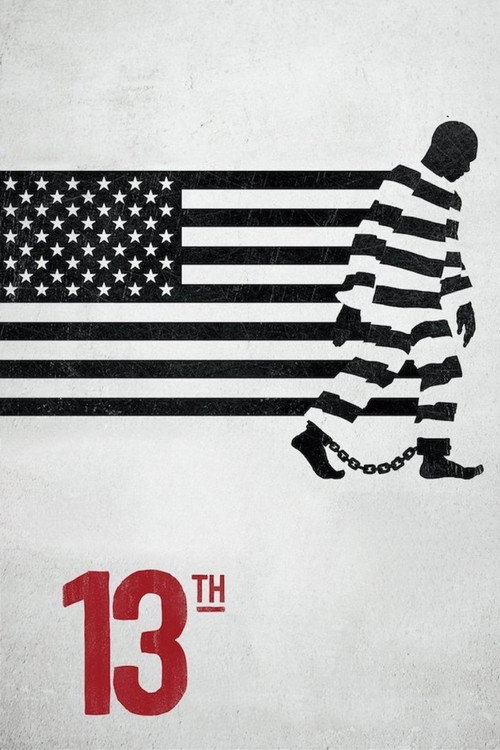
13th2016
Ava DuVernay traces slavery's unbroken line into mass incarceration with searing clarity. It's a documentary that feels urgent and necessary, connecting historical abolition to contemporary struggle in ways that reshape how you see American justice.
But The argument is pointed and unapologetic. If you prefer documentaries that treat all sides as equally valid, this will feel too directed.
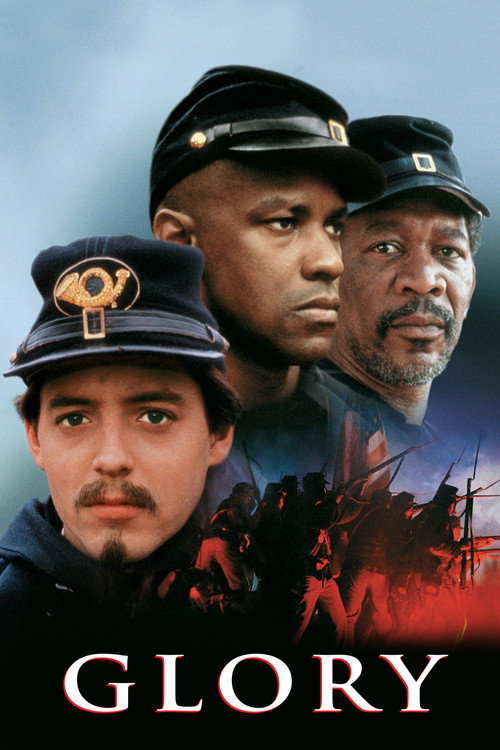
Glory1989
A narrative film that dramatizes the 54th Massachusetts, the first major African American regiment. It captures the idealism and the cost, showing how abolition had to be proven on battlefields. Matthew Broderick and Denzel Washington anchor it beautifully.
But It's a war film first, which means action sequences and Hollywood structure. Some viewers find the military framing dilutes the moral clarity.
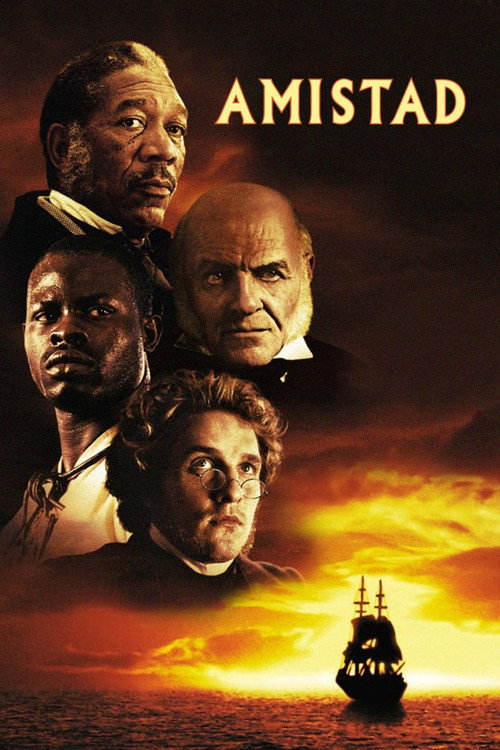
Amistad1997
Spielberg dramatizes the slave ship mutiny and the legal battle that followed. It shows abolition happening in courtrooms and through mass mobilization—the political machinery of change. Powerful ensemble cast and genuinely gripping courtroom scenes.
But It's entertainment first, history second. The film takes liberties and occasionally softens complexity for dramatic effect.
Not sure tonight? Get a pick in a minute, starting from The Abolitionists
The wildcard
Something you would not have found on your own.
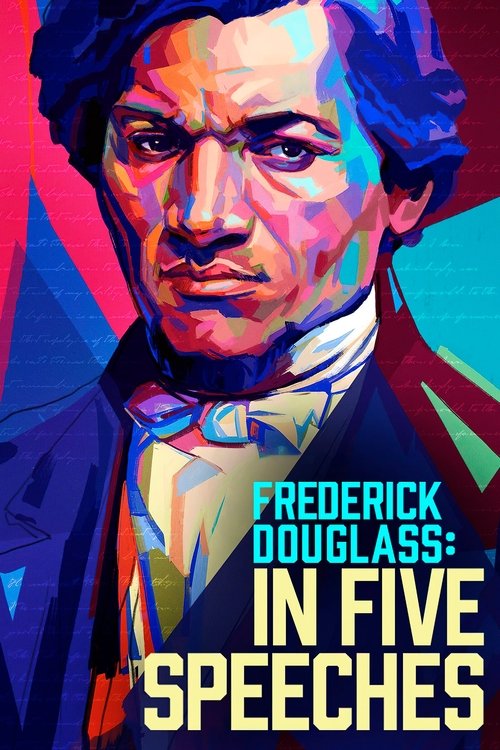
Frederick Douglass: In Five Speeches2022
Both ask you to sit with the actual words and arguments of abolitionists rather than watching them dramatized. Both trust the power of what was actually said.
Rather than a conventional documentary, this is Douglass himself—his words read by contemporary actors like Adrien Brody and John Lithgow—accompanied by archival imagery and music. You hear the actual rhetoric, the specific arguments, the poetry of his language. It's radically intimate and intellectually rigorous at once.
But It's not a narrative. There's no plot, no emotional arc designed for cinema. If you need a story engine to stay engaged, this will feel static.
More like this (4)
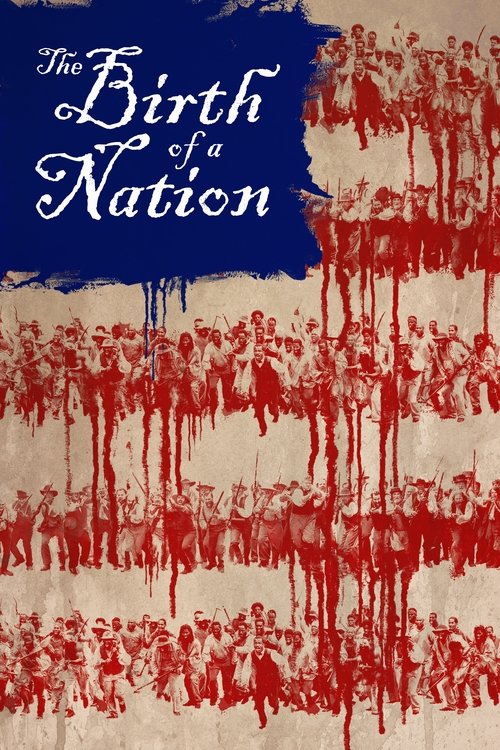
The Birth of a Nation2016
Nate Parker's film reimagines Nat Turner's rebellion with visceral power. It's about resistance, not gradual reform. Brutal and unflinching in ways that provoke necessary questions about violence and liberation.
But It's extremely violent and contains disturbing scenes of sexual assault. The film is difficult to sit with, and that difficulty is intentional. Not for all viewers, and that's valid.
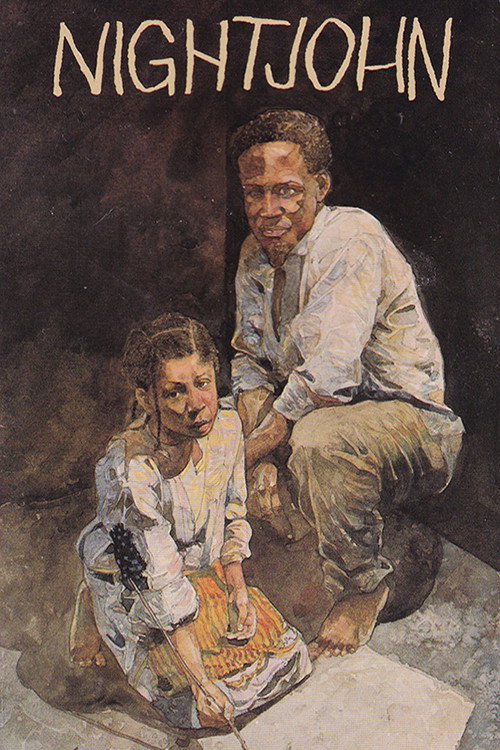
Nightjohn1996
A lesser-known HBO film starring Carl Lumbly as an enslaved man who risks everything to teach other enslaved people to read. It captures the intellectual resistance that abolitionists fought for—education as freedom.
But It's been overshadowed by bigger titles and isn't widely available. The production values feel of its era, which some find dated.
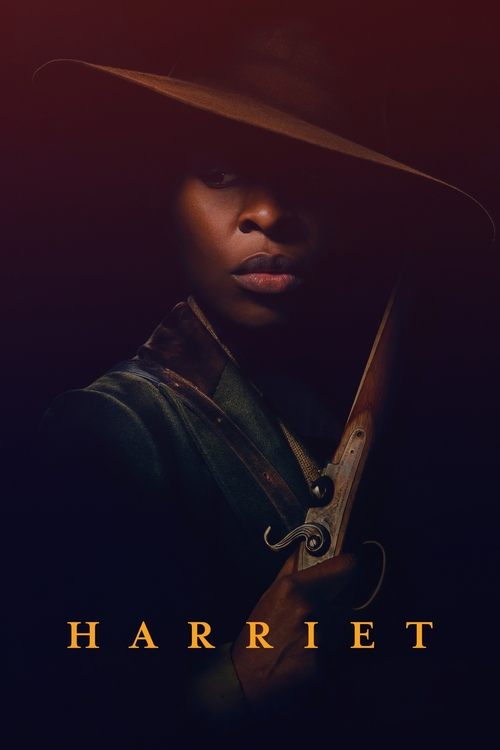
Harriet2019
Cynthia Erivo brings Harriet Tubman's story to the screen with remarkable intensity. It centers an abolitionist whose actions—not just words—changed history. Direct, powerful, and emotionally undeniable.
But Some historians argue the film simplifies and compresses events for narrative momentum. It's more triumphalist than *The Abolitionists*' nuanced approach.
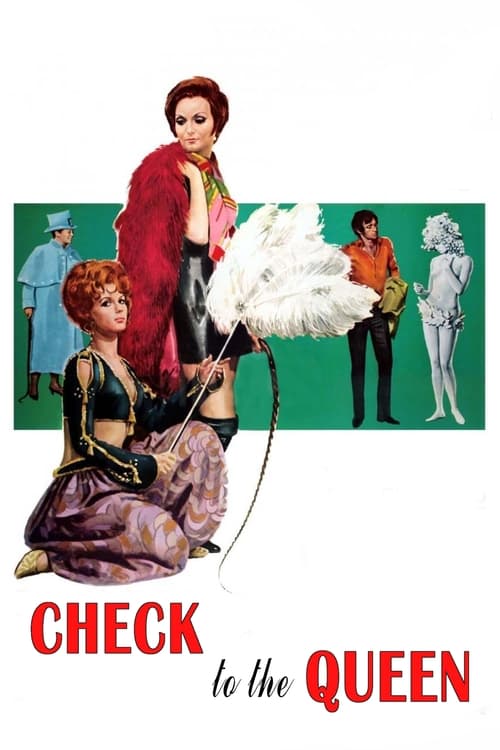
Check to the Queen1969
Where *The Abolitionists* documents the political machinery fighting slavery, this documents slavery's true subject: the person reduced to property. Radical empathy rather than historical scope.
An astonishing Danish experimental film by Claus Drexel about a woman newly enslaved, composed almost entirely of close-ups and silence. It's a sensory documentary of the interior experience, unbearably intimate. A completely different approach to the historical material, less about movements and more about what slavery did to a human being.
But It's slow, non-narrative, and visually austere. Not educational in any conventional sense. Many viewers will find it difficult and uncertain what the point is.
People
Directing
- Rob RapleyDirector
Recommended by
Reconstruction: America After the Civil War, Not for Ourselves Alone, A Respectable Trade, Frederick Douglass: In Five Speeches, Africans in America: America's Journey Through Slavery, The African Americans: Many Rivers to Cross, Traces of the Trade: A Story from the Deep North