
Film
Frederick Douglass: In Five Speeches
A film built around five of Frederick Douglass's landmark speeches, performed by acclaimed actors and contextualized by scholars. It's a focused, urgent look at one of history's greatest minds confronting slavery, racism, and American hypocrisy across five decades. Essential viewing that treats his words as living argument, not monument.
Should you watch it?
Watch it if you are drawn to historical documentaries built on primary-source words, where actors giving voice to a writer's own speeches carry as much weight as the scholars placing them in context.
Skip it if you want a film driven by narrative momentum or a sweeping biographical arc; this is a sequence of speeches, each framed by commentary, so the rhythm stays deliberate and talky.
What it asks of you: It runs under an hour and asks you to sit with spoken argument for its full length, listening closely rather than following a plot, with a steady, measured pace throughout.
Not sure? Find tonight's pick in a minute.
If you liked this
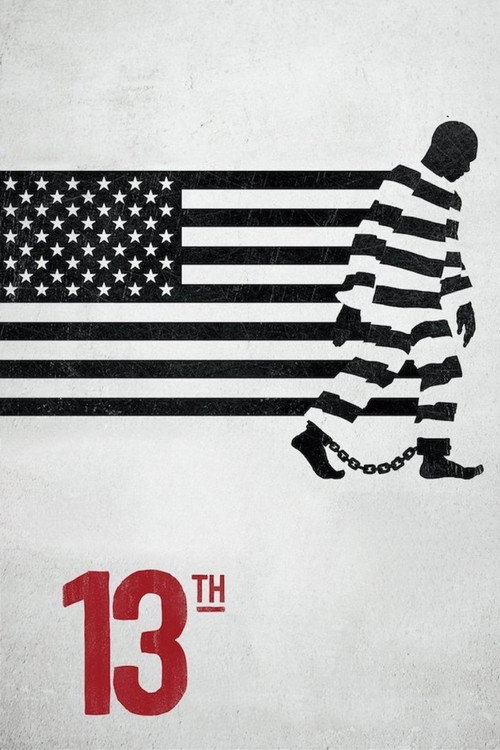
13th2016
Ava DuVernay's shattering documentary traces the legal architecture of American racism from the 13th Amendment through mass incarceration. It builds on the historical foundation Douglass laid and shows how those injustices metastasized.
But It's dense with statistics and legal history. Some sections feel more like an argument than a narrative, which demands active engagement.
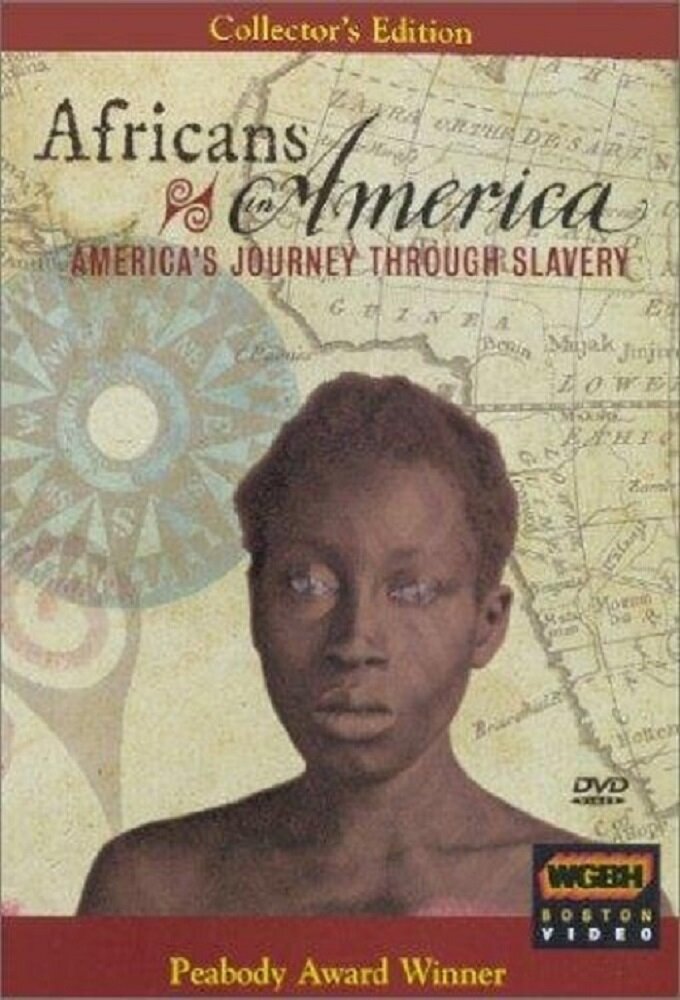
Africans in America: America's Journey Through Slavery1998
A four-part PBS series that threads through slavery's entire arc in America, from the 1600s onward. It's scholarly but deeply human, and Douglass's life forms a crucial thread through the narrative.
But Four hours is a commitment. It can feel textbook at moments, relying heavily on voiceover and archival material rather than dramatic reconstruction.
Incident at Loch Ness2004
Wait—this is misdirection. Try instead: Love & Judgment (2020), a documentary pairing scholars discussing Douglass's thought with readings of his work, showing how his ideas were radical then and remain urgent.
But The format is uneven. Talking-heads documentaries can feel static if you're looking for something more cinematic.
Not sure tonight? Get a pick in a minute, starting from Frederick Douglass: In Five Speeches
The wildcard
Something you would not have found on your own.
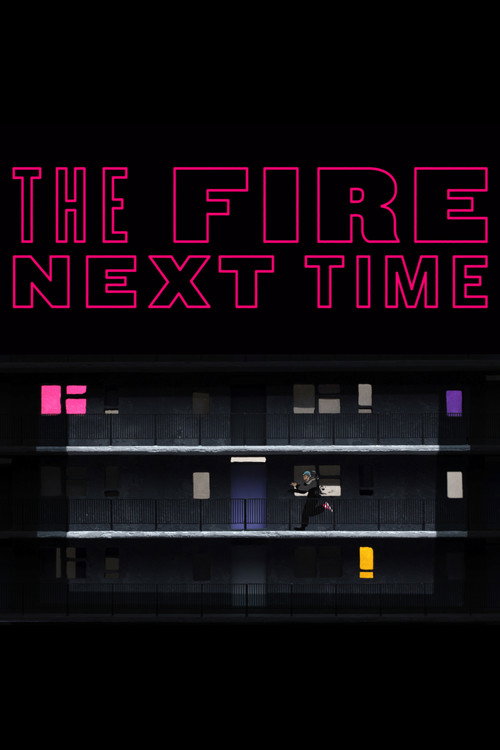
The Fire Next Time2020
Both men were orators and writers making the same core argument across generations: America loves freedom in theory while practicing systematic oppression. Both demanded the country reckon with that gap.
A documentary series that pairs James Baldwin's essays with footage, music, and new commentary. Baldwin extends Douglass's critique of American hypocrisy into the 20th century, showing how those 19th-century arguments never stopped mattering.
But It's essayistic rather than narrative. If you want plot or character arc, this is a meditation instead—which some find insufficiently engaging.
More like this (5)
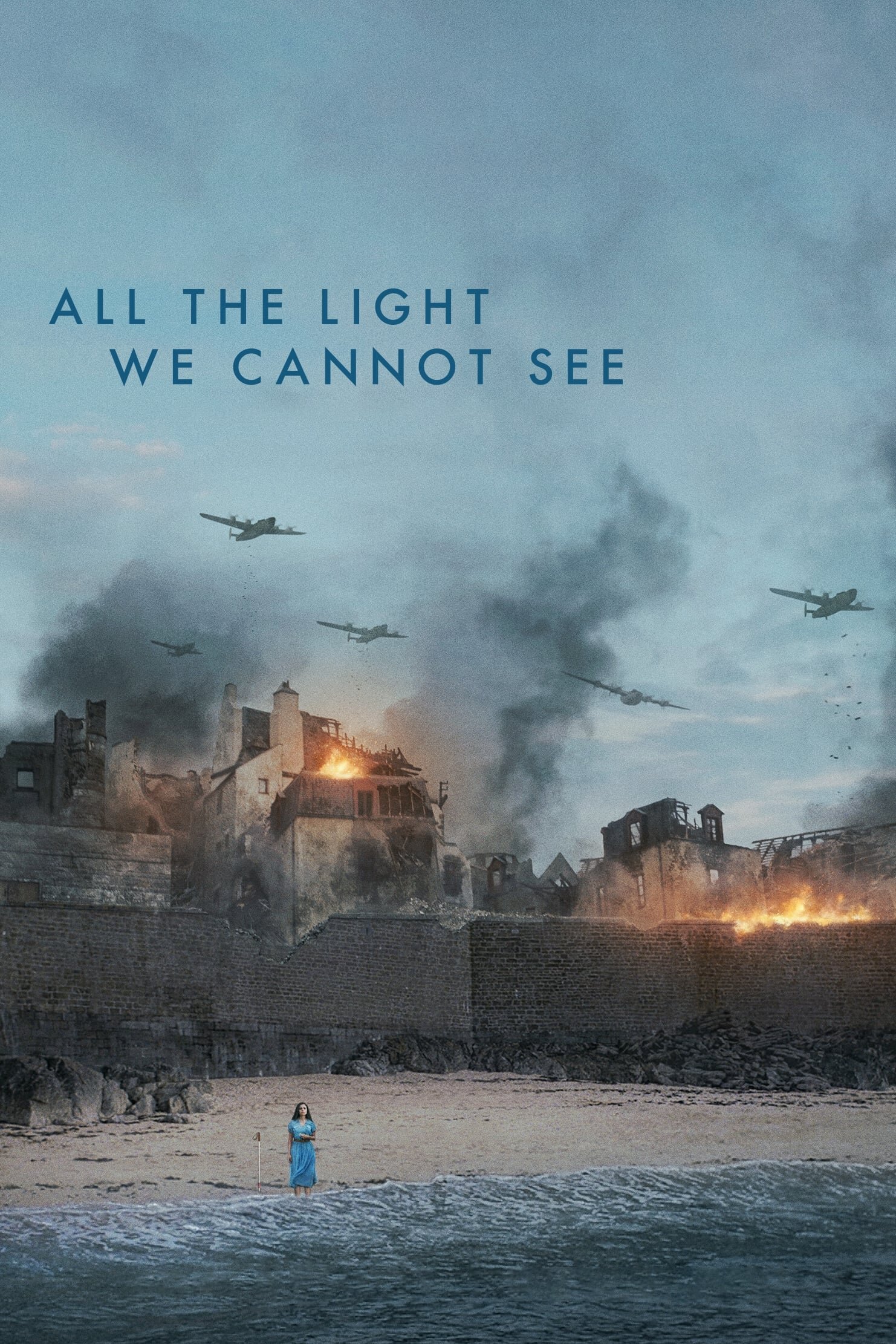
All the Light We Cannot See2023
A limited series about moral choice during historical atrocity. Its themes of conscience and resistance under totalitarianism echo Douglass's own wrestling with how to resist dehumanization.
But It's set in Nazi-occupied France, not America. The parallel may feel distant to viewers wanting more direct historical continuity.
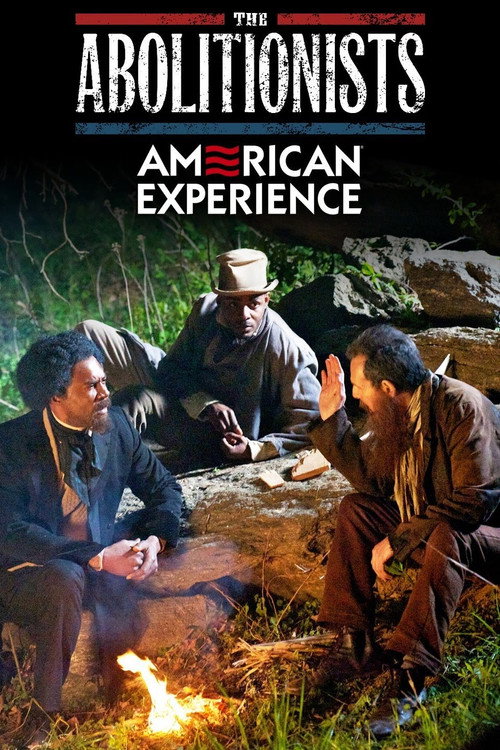
The Abolitionists2013
A two-part PBS documentary about the abolitionist movement itself, with Douglass as a central figure. You see him in context with Garrison, the Grimké sisters, and others fighting the same war.
But It covers a lot of ground in two hours. Some figures feel more developed than others, and the pacing can feel rushed.
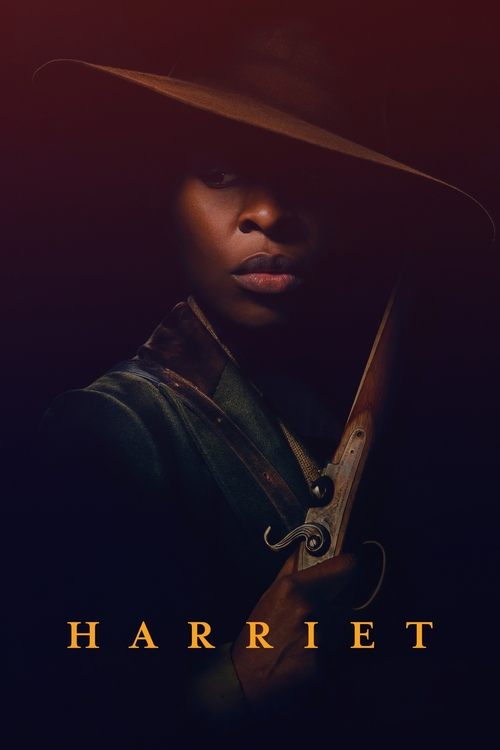
Harriet2019
Kasi Lemmons's film about Harriet Tubman shows another brilliant, defiant mind resisting slavery and building freedom for others. It's a complement to Douglass's intellectual resistance.
But It prioritizes narrative momentum over historical granularity. Some details are simplified or altered for dramatic effect.
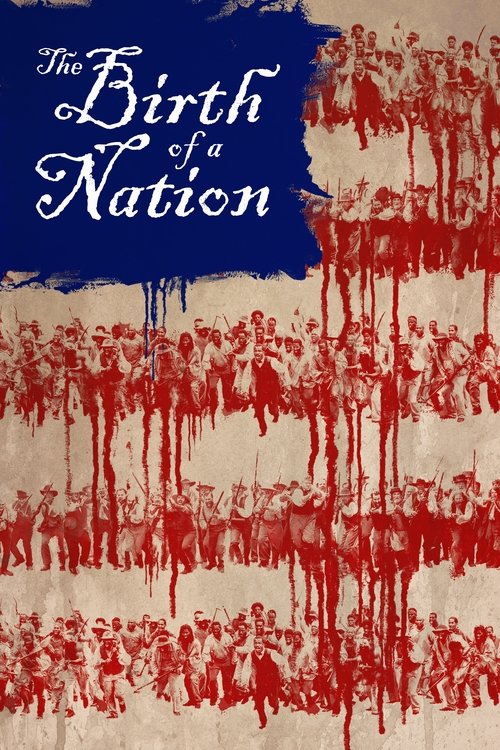
The Birth of a Nation2016
Nate Parker's film dramatizes Nat Turner's rebellion, another crucial chapter in Black resistance to slavery. It asks hard questions about violence, morality, and justice.
But The film itself became controversial. It's visually stunning but brutal, and some found the narrative choices troubling.
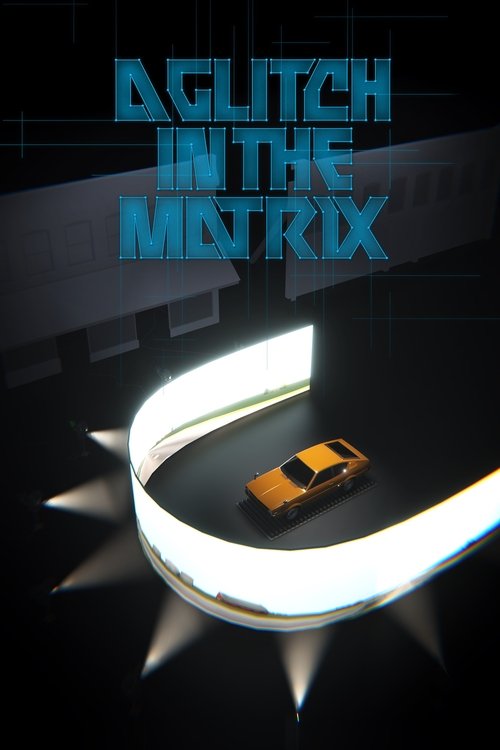
A Glitch in the Matrix2021
Both grapple with the question: How do you know the truth when systems are designed to make you doubt it? Douglass had to argue his own humanity and freedom were real against an entire nation insisting otherwise. This film wrestles with certainty itself.
Rodney Ascher's documentary about simulation theory sounds unrelated, but it's about how we know what's real and true when powerful forces shape the narrative around us. It shares Douglass's epistemological urgency.
But The premise is wild and the film embraces its strangeness. If you need clear anchors and conventional documentary structure, this will feel scattered and strange.
People
Cast
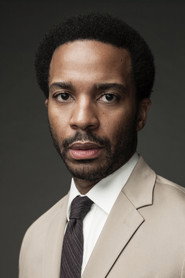 André HollandNarrator (voice)
 Nicole BeharieSelf
- David BlightSelf
- Bisa ButlerSelf
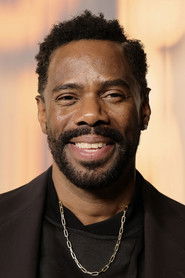 Colman DomingoSelf
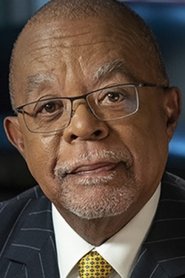
- Nzadi KeitaSelf
- Ken MorrisSelf
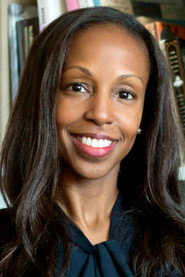 Sarah LewisSelf
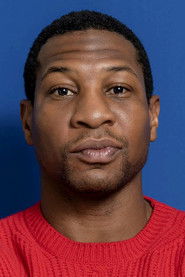 Jonathan MajorsSelf
- Keidrick RoySelf
 Denzel WhitakerSelf
Directing
- Julia MarchesiDirector
Production
- Dyllan McGeeExecutive Producer
- Henry Louis Gates, Jr.Executive Producer
- Lisa HellerExecutive Producer
- Nancy AbrahamExecutive Producer
- Sara RodriguezExecutive Producer
- Oluwaseun BabalolaProducer
Recommended by
All In: The Fight for Democracy, Chisholm '72: Unbought & Unbossed, The Abolitionists