
Film
The Birth of a Nation
Other titles called The Birth of a Nation: the 1915 film.
- Period drama
- Very dark
Nate Parker's 2016 drama reimagines the 1831 slave rebellion led by Nat Turner, finding spiritual conviction and brutal determination in a man pushed to armed resistance. Shot with stark intensity, it's a film about the cost of freedom and the theology of revolt. Made for viewers ready for unflinching historical trauma and moral complexity without redemptive softening.
Should you watch it?
Watch it if you want a sober, character-driven account of slavery and resistance, where one man's inner conviction carries more weight than set-piece spectacle.
Skip it if you need a steady, plot-forward story, since this is slow to build and its violence is harsh and unflinching, so it may feel heavy going.
What it asks of you: Two hours of patient, unhurried scenes that linger on suffering and quiet preparation before the story gathers force, so it rewards a viewer who can sit with discomfort.
Not sure? Find tonight's pick in a minute.
If you liked this
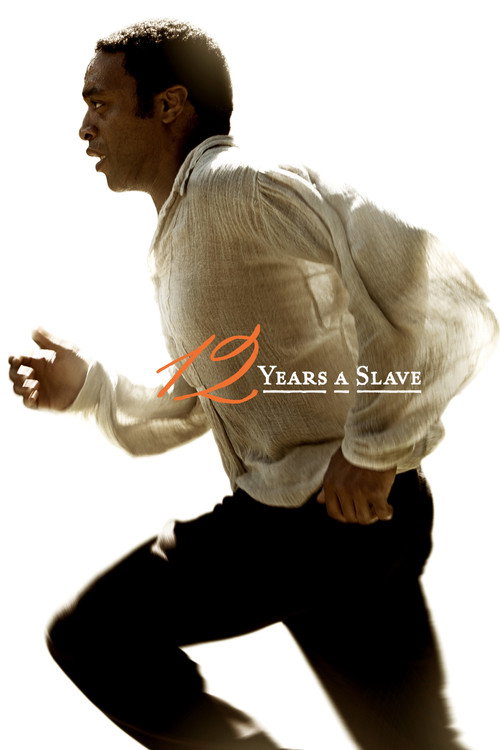
12 Years a Slave2013
Steve McQueen's unflinching account of Solomon Northup's kidnapping and enslavement. Like Birth of a Nation, it refuses to look away from the mechanics of brutality, finding humanity in endurance and rage alike.
But The cumulative weight of atrocity can feel punishing rather than illuminating. Some viewers find the formal distance McQueen maintains emotionally flattening.
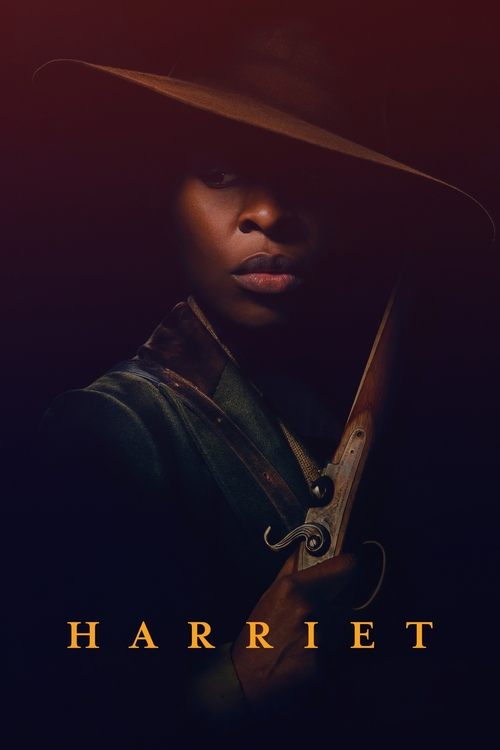
Harriet2019
Kasi Lemmons directs Cynthia Erivo as Harriet Tubman, another portrait of liberation through action. It has narrative drive and spiritual depth without prettifying the stakes or the violence required.
But The film occasionally sacrifices complexity for inspirational clarity. Some scenes feel designed for a specific emotional response rather than earned.
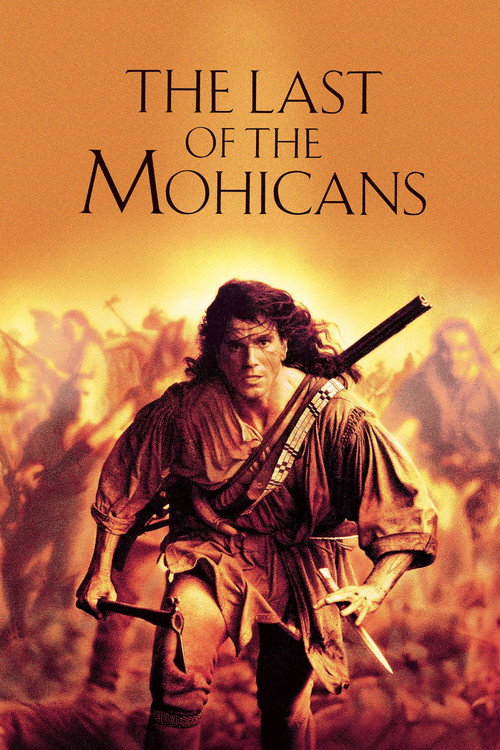
The Last of the Mohicans1992
Michael Mann's revisionist historical epic finds nobility and tragedy in resistance to colonial erasure. It shares Birth's conviction that freedom requires bloodshed and that heroism is not redemptive.
But The action sequences and romance subplot may feel distant from the film's moral core. Mann's style prioritizes visual intensity over character interiority.
Not sure tonight? Get a pick in a minute, starting from The Birth of a Nation
The wildcard
Something you would not have found on your own.
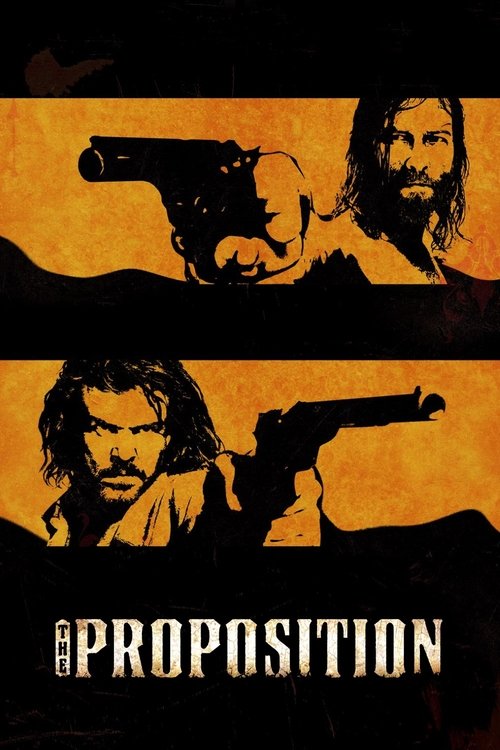
The Proposition2005
Both films use historical rebellion and intimate betrayal to ask whether violence in service of freedom can ever be morally clean. Neither offers comfort.
John Hillcoat's brutal Australian western examines frontier violence and complicity: a man forced to hunt his own brother as the price of redemption. Like Birth, it's about moral binds with no exit—commitment to a cause that costs everything.
But The violence is operatic and pitiless. The theological framework may read as bleak nihilism rather than conviction.
More like this (7)
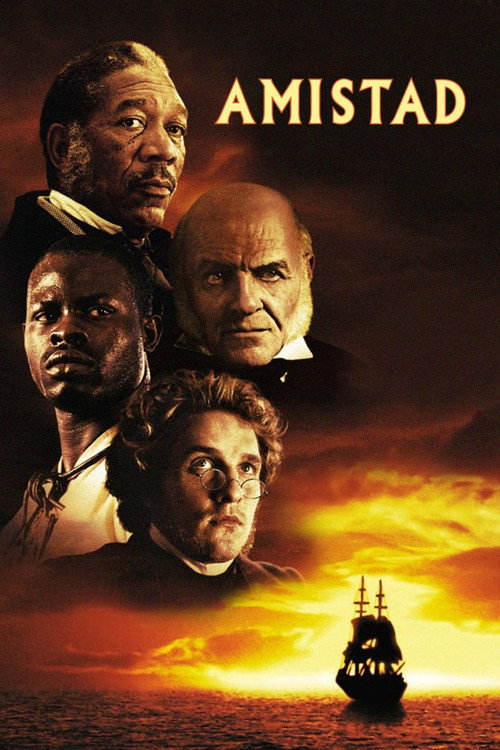
Amistad1997
Spielberg's account of enslaved Africans who seize their ship and face trial. It captures the intellectual and physical defiance required to claim personhood under an unjust system.
But The courtroom drama framework can feel genteel compared to the rebellion's raw stakes. Some find Spielberg's approach too carefully composed for the subject.
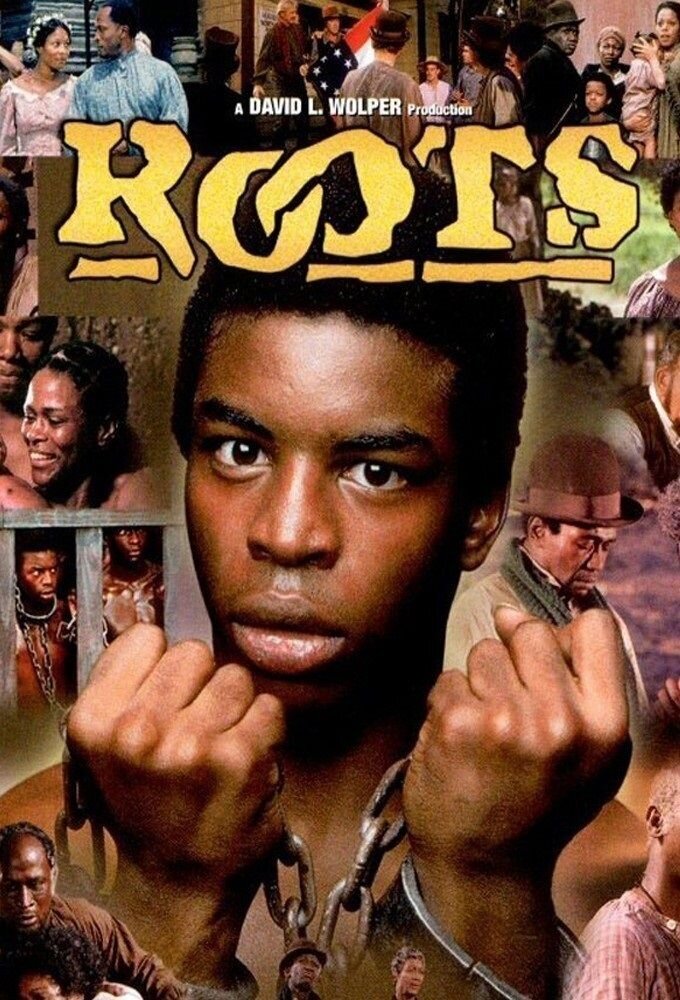
Roots1977
This miniseries spans generations from African capture to freedom, building an epic genealogy of resistance and survival. Essential viewing for understanding the cultural weight of the liberation struggle Birth examines.
But The 1970s production values and pacing feel distant to modern viewers. Some scenes now read as condescending in their explanation of historical context.
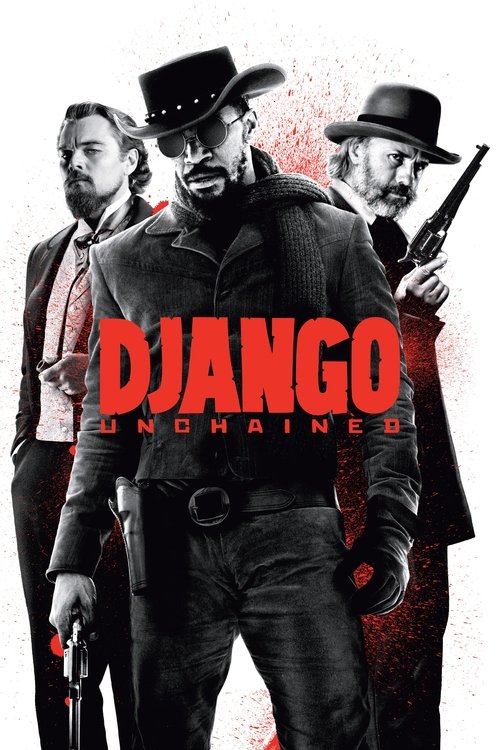
Django Unchained2012
Tarantino's western imagines enslaved people taking violent agency within an entertainment genre. It's formally audacious in ways Birth attempts—using stylization to confront rather than escape brutality.
But The tonal shifts between comedy and atrocity alienate viewers seeking moral consistency. Some find the genre playfulness disrespectful to historical suffering.
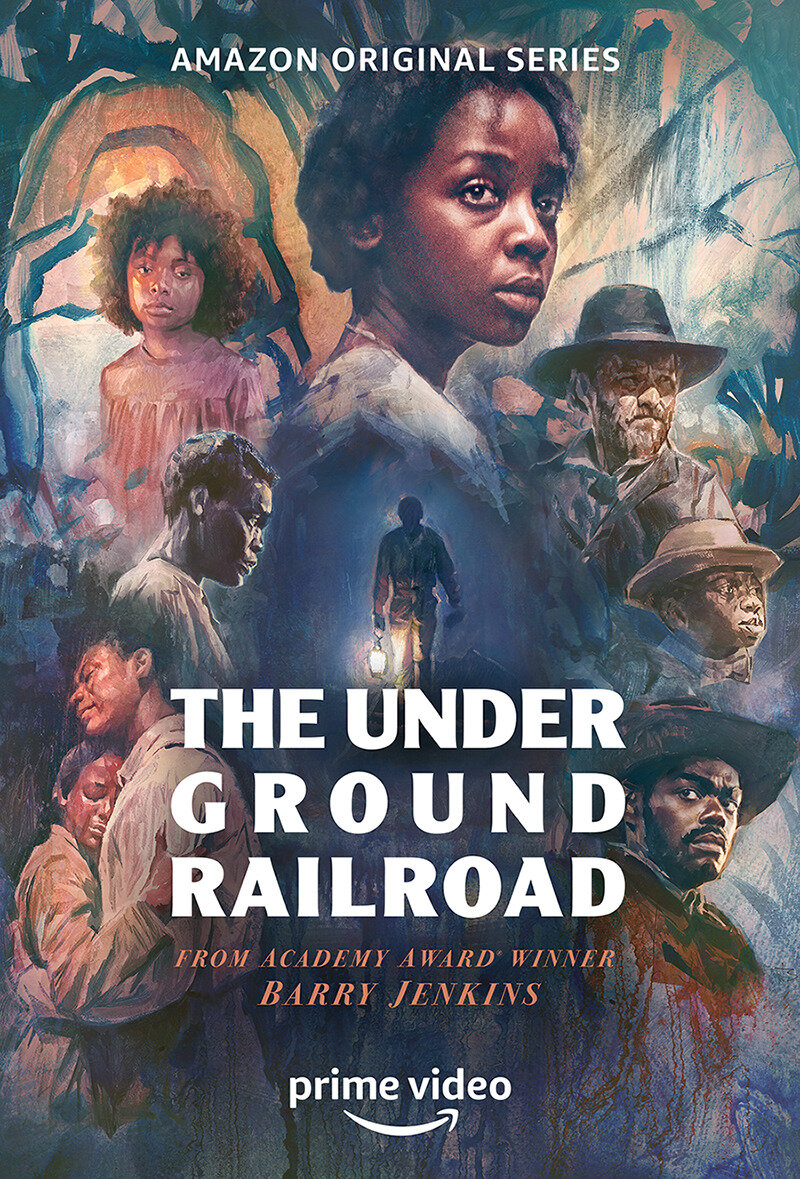
The Underground Railroad2021
Barry Jenkins adapts Colson Whitehead's novel as a visual poem about escape and freedom. Its magical-realist approach creates emotional space around historical trauma without diminishing it.
But The surrealism can feel oblique if you're seeking historical specificity. Some episodes prioritize visual beauty over narrative momentum.
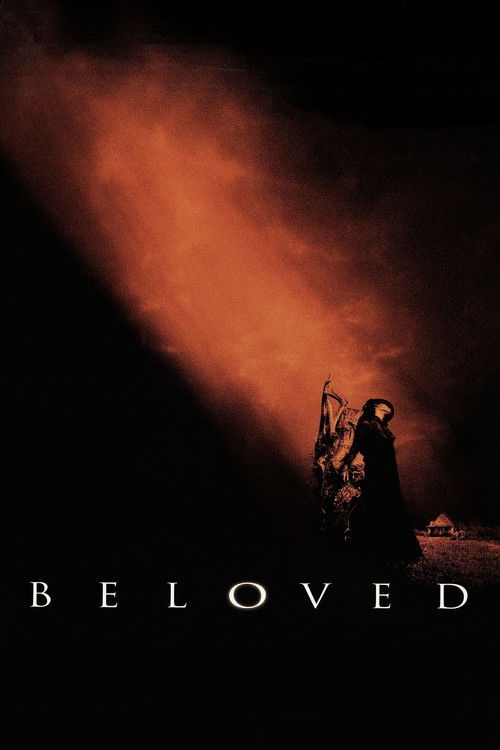
Beloved1998
Jonathan Demme directs Toni Morrison's novel, centering a mother's impossible moral choice under slavery. It privileges interior lives and spiritual consequence over plot, asking what freedom costs the soul.
But The fragmented narrative structure confuses some viewers. The supernatural elements may feel like evasion rather than deepening if you want historical directness.
Synecdoche, New York2008
Both films are about men consumed by the authority they've claimed over their own stories—the weight of being seen as a symbol rather than a person.
Charlie Kaufman's metaphysical labyrinth about a theatre director constructing a life-sized replica of New York inside a warehouse. Oblique, yes—but it shares Birth's obsession with the gap between how we understand ourselves and what we actually are, between intention and consequence.
But It's abstract, digressive, and demands active interpretation. If you want narrative clarity or historical grounding, this will frustrate you intensely.

The Last Temptation of Christ1988
Both present spiritual leaders not as martyrs seeking transcendence but as men whose belief system demands they become something other than themselves, with no guarantee of redemption.
Scorsese's heretical epic imagines Jesus as a man struggling between human desire and historical destiny, doubting his mission even as he's driven toward sacrifice. It shares Birth's interest in faith as burden rather than comfort, and conviction that costs the self.
But It's theologically provocative in ways that offend many faiths. At nearly three hours, it privileges philosophical argument over narrative momentum.
People
Cast
 Nate ParkerNat Turner
 Armie HammerSamuel Turner
 Aja Naomi KingCherry
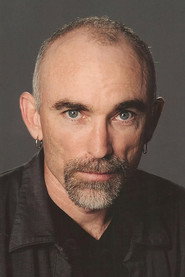 Jackie Earle HaleyRaymond Cobb
 Penelope Ann MillerElizabeth Turner
 Gabrielle UnionEsther
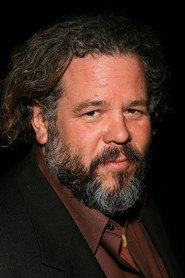 Mark Boone JuniorReverend Zalthall
 Aunjanue Ellis-TaylorNancy Turner
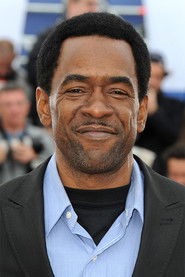 Dwight HenryIsaac Turner
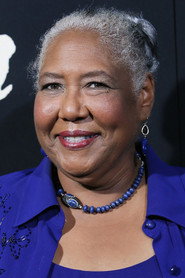 Esther ScottBridget Turner
 Roger Guenveur SmithIsaiah
 Jeryl PrescottJanice
Directing
- Nate ParkerDirector
- Tomas DeckajFirst Assistant Director
- Mark C. StevensSecond Assistant Director
Writing
- Nate ParkerScreenplay
- Jean McGianni CelestinStory
- Nate ParkerStory
Production
- Mary VernieuCasting
- Michelle Wade ByrdCasting
- Brenda GilbertCo-Executive Producer
- John RaymondsCo-Executive Producer
- Lori MassiniCo-Executive Producer
- Steven ThibaultCo-Executive Producer
- Ben RenzoCo-Producer
- Harrison KreissCo-Producer
- Ike WaldhausCo-Producer
- Matthew LindnerCo-Producer
- Zak TanjeloffCo-Producer
- Allan J. StittExecutive Producer
- Andrew PollackExecutive Producer
- Armin TehranyExecutive Producer
- Barb LeeExecutive Producer
- Carl H. Lindner IIIExecutive Producer
- David S. GoyerExecutive Producer
- Derrick BrooksExecutive Producer
- Edward ZwickExecutive Producer
- Jane Oster SinisiExecutive Producer
- Jason ClothExecutive Producer
- Jill AhrensExecutive Producer
- Mark MoranExecutive Producer
- Michael FinleyExecutive Producer
- Michael NovogratzExecutive Producer
- Ryan AhrensExecutive Producer
- Tony ParkerExecutive Producer
- Andrea CravenExtras Casting
- Andrea HumeExtras Casting
- Greg LockettExtras Casting
- Craig FincannonLocal Casting
- Lavonna CupidLocal Casting
- Lisa Mae FincannonLocal Casting
- Aaron L. GilbertProducer
- Jason Michael BermanProducer
- Kevin TurenProducer
- Nate ParkerProducer
- Preston L. HolmesProducer
- Mark MoranUnit Production Manager
Recommended by
12 Years a Slave, Pray Away, Prince Among Slaves, Reconstruction: America After the Civil War, Free State of Jones, The Abolitionists, Frederick Douglass: In Five Speeches, Roots, The African Americans: Many Rivers to Cross, Rosewood, Copperhead, In Old California