
Film
In Old California
Other titles called In Old California: the 1942 film.
A 17-minute historical drama from 1910 about Spanish California in the early 1800s. It's a silent film—watchable, quaint, and fascinatingly primitive by modern standards. A curio for anyone curious about how early cinema told stories, what audiences then found gripping, or the sheer strangeness of watching art from a century ago.
If you liked this
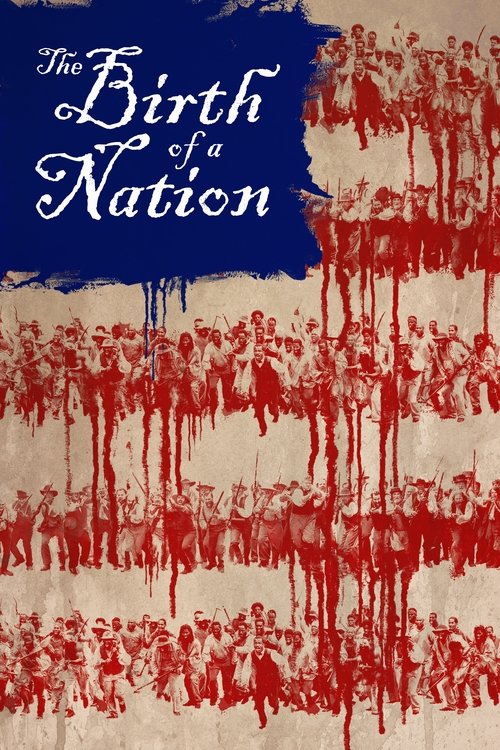
The Birth of a Nation2016
Griffith's technically revolutionary film shaped cinema itself. Ambitious in scope, bold in its visual language, essential viewing for understanding how movies learned to tell large stories.
But It's nearly four hours, silent, and its historical subject matter is deeply racist propaganda. The technical achievement doesn't redeem the content.
Intolerance: Love's Struggle Throughout the Ages1916
Griffith's ambitious four-narrative epic about power and persecution across centuries. Visually stunning, imaginatively structured, and genuinely moving despite the silent format and age.
But It runs 167 minutes. The pacing feels glacial by modern standards, and the philosophical messaging can feel heavy-handed.

Nosferatu1922
A masterpiece of atmosphere and dread. The cinematography is haunting, the performances hypnotic. Proof that silent cinema could achieve genuine horror without a single sound effect.
But It's slow by design. If you need constant plot momentum or expository dialogue, this film will test your patience.

Not sure tonight? Get a pick in a minute, starting from In Old California
The wildcard
Something you would not have found on your own.
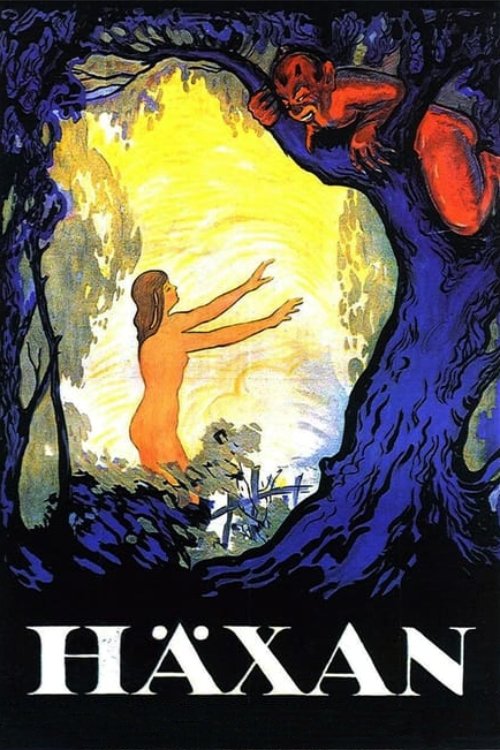
Häxan1922
Both are early cinema grappling with historical subjects through formal limitation. Both ask what cinema *is* before it knew what it could be.
A Swedish documentary-drama hybrid examining witchcraft hysteria through history, theology, and a genuinely creepy final act. It's genuinely strange—part lecture, part nightmare, entirely hypnotic. A film that exists in no category.
But It's a century-old Swedish film that treats witchcraft persecution seriously without condescension. Some sequences are grotesque and will make you uncomfortable. The pacing is glacial.
More like this (8)
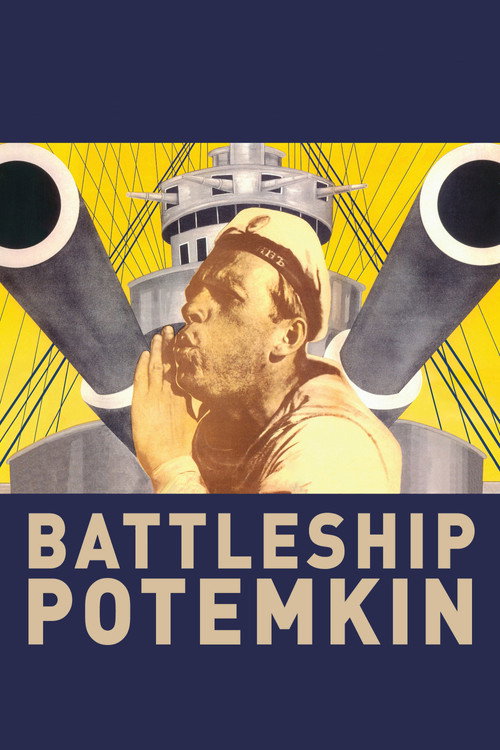
Battleship Potemkin1925
Eisenstein's revolutionary film about a sailor's mutiny. The editing is thrilling, the ideas are urgent, and it changed cinema forever. A genuine artistic landmark that still grips.
But The politics are explicit and didactic. Some passages feel more like propaganda than storytelling, depending on your tolerance for that.
Sunrise: A Song of Two Humans1927
Murnau's late-silent masterpiece about infidelity and redemption. Visually inventive, emotionally generous, and formally daring. One of the greatest films ever made, silent or otherwise.
But It's sentimental. The melodrama can feel overwrought, and the moral arc may strike modern viewers as simpering.

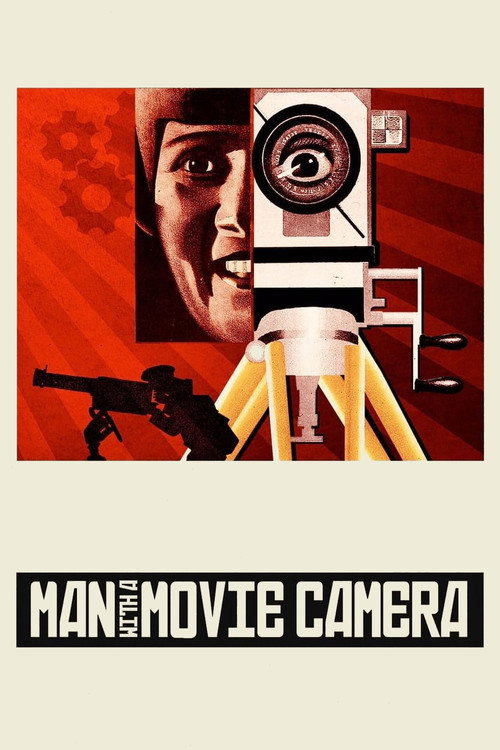
Man with a Movie Camera1929
Vertov's avant-garde documentary about Soviet daily life is pure visual poetry. No narrative, just ingenious editing and camera work creating beauty and meaning from ordinary streets and labor.
But It has no plot and no conventional sense of story. If you need narrative structure and characters, this is experimental cinema that will frustrate you.
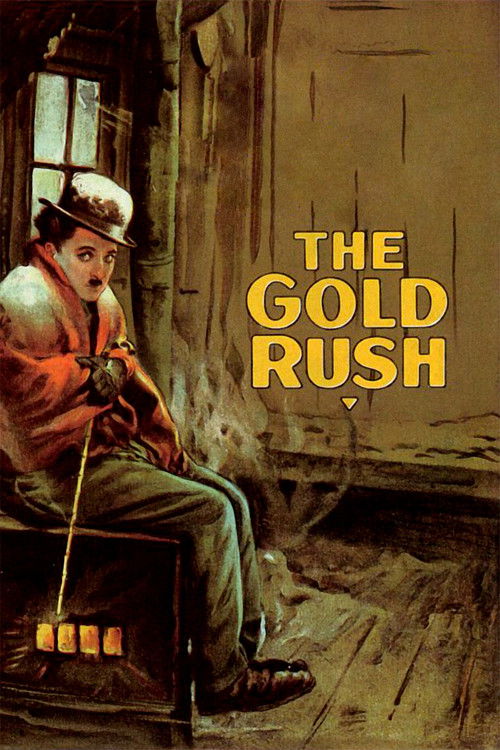
The Gold Rush1925
Chaplin's tramp navigates the Klondike during a gold rush. Funny, touching, and formally perfect. The film balances comedy and pathos better than almost anything ever made.
But The humor is entirely physical and pantomime-based. If silent comedy doesn't land for you, much of the film will feel inert.
The Phantom Carriage1921
A Swedish ghost story about redemption and second chances. Spooky, visually gorgeous, and philosophically rich. The performances are subtle and deeply felt.
But The pacing is deliberate and the emotional register is solemn. There's no plot propulsion; it's meditative and can feel static.

The Cabinet of Dr. Caligari1920
German Expressionism's most famous film: a psychologist and a somnambulist in a fractured, nightmarish world. The set design is extraordinary and the atmosphere is genuinely unsettling.
But The acting style is exaggerated and theatrical, the sets are obviously painted flats, and the narrative twist feels more clever than earned.

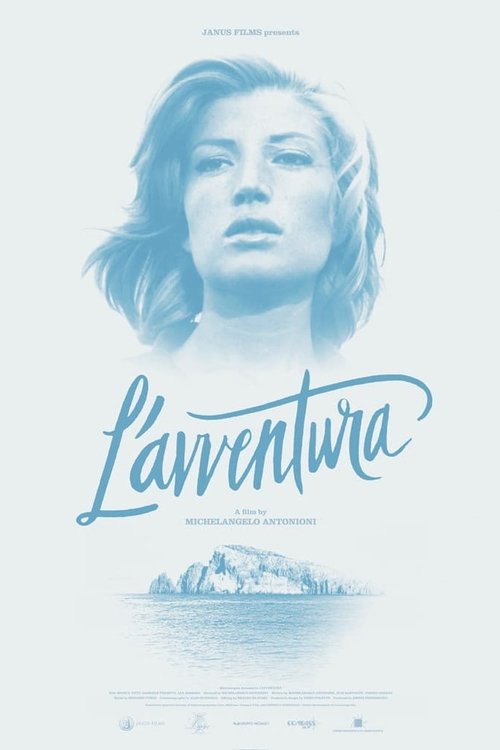
L'Avventura1960
Both examine historical/social moments through the constraints of their era. In Old California is limited by 1910 cinema; L'Avventura is limited by 1960 *choice*. Both trust image over dialogue.
Antonioni's 143-minute meditation on vanished people and failed connections. A woman disappears on an island and nobody seems to care. It's about the modern condition—alienation, ennui, the collapse of meaning.
But Nothing happens. There is no plot, no answers, no catharsis. If you watch films for story and character arc, this will feel like punishment.
The Ballad of Little Jo1993
Both are about women in the Old West filtered through the cinema of their time. In Old California through the formal naïveté of 1910; Little Jo through the revisionist realism of 1990s independent film. Same territory, utterly different honesty.
Maggie Greenwald's true-story Western about a woman passing as a man in 1870s Montana. It's a real, grounded, unsentimental look at survival, gender, and frontier myth-making. A deeply humane film about invisibility.
But It's a modest, unglamorous film. The pacing is slow, the landscape is harsh, and there's no conventional arc of triumph. It refuses to make its subject's life heroic or tidying.

People
Cast
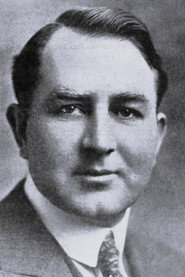 Frank PowellGovernor Manuella
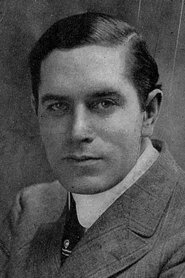 Arthur V. JohnsonCortes
 Marion LeonardPerdita
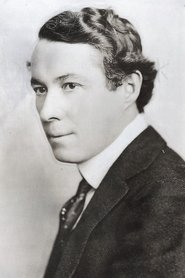 Henry B. WalthallPerdita's Son
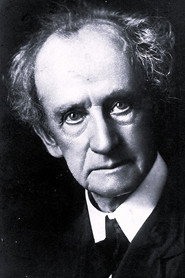 W. Chrystie MillerIndian Messenger
- Charles CraigSoldier
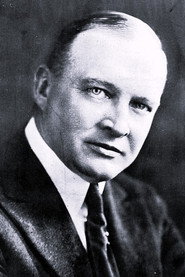 Francis J. GrandonSoldier
- Anthony O'SullivanSoldier
 Frank OppermanGovernor's Servant
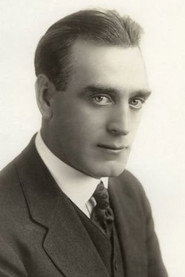 Alfred PagetSoldier
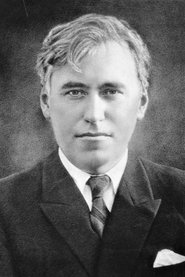 Mack SennettSoldier
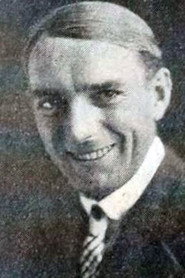 Charles WestSoldier / Governor's Servant