
Television series
Roots
Other titles called Roots: the 1977 series (ABC).
- Period drama
- Very dark
The 2016 Roots is a sweeping historical drama tracing one African family's arc from West Africa through American slavery to freedom. It's visceral and unflinching—a serialized education designed to make you feel the weight of history in your chest. Essential viewing for anyone wanting to understand America, or just to witness television at its most morally serious.
Should you watch it?
Watch it if you want a slow, patient history where the weight of a family's history accumulates scene by scene, and you value performances that linger over plot mechanics.
Skip it if you need a fast-moving narrative or a lighter touch; this is a sober, unsparing look at slavery that asks you to sit with its cruelty rather than look away.
What it asks of you: Four long episodes of unhurried, deliberate storytelling across a wide span of time, with most of the attention going to difficult, emotionally heavy material.
Not sure? Find tonight's pick in a minute.
If you liked this
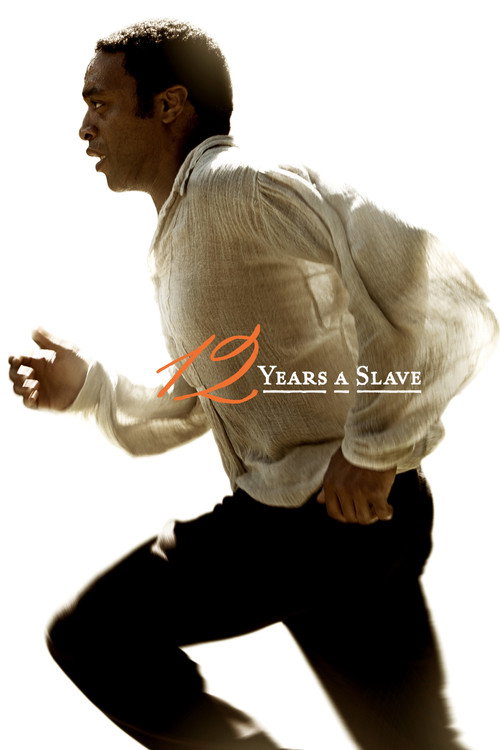
12 Years a Slave2013
Steve McQueen's film adapts Solomon Northup's memoir with the same unflinching approach Roots takes: showing slavery as an economic system and a daily horror, refusing to look away or soften the reality.
But It's punishing to watch—relentlessly brutal, with scenes designed to make comfort impossible. Not cathartic; traumatizing by design.
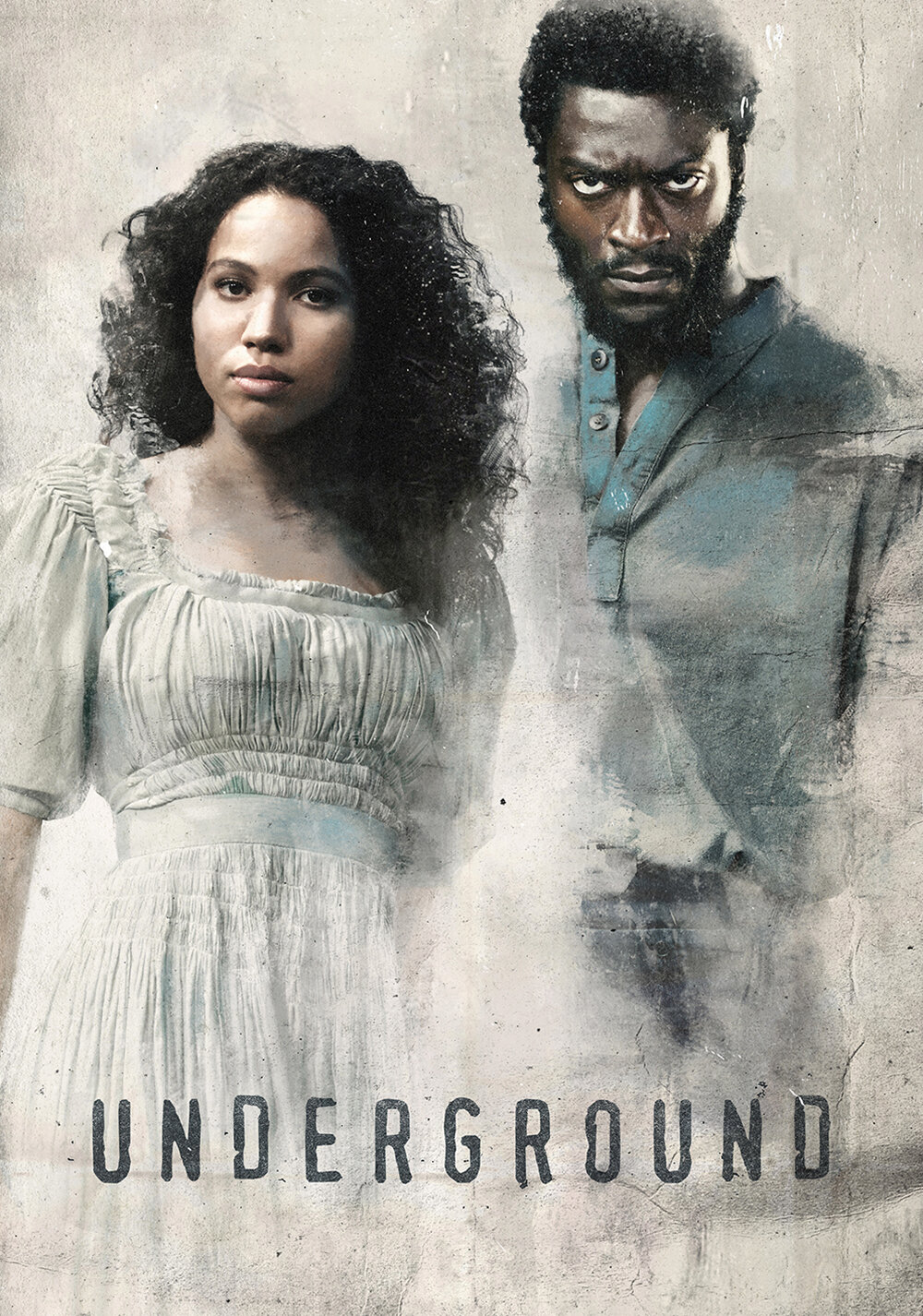
Underground2016
Follows enslaved people plotting escape via the Underground Railroad with the same narrative intensity as Roots, mixing historical detail with genuine suspense. Each character's journey feels earned and specific.
But The serialized structure means slower pacing than Roots, and some plot threads prioritize drama over historical accuracy in ways that can feel opportunistic.
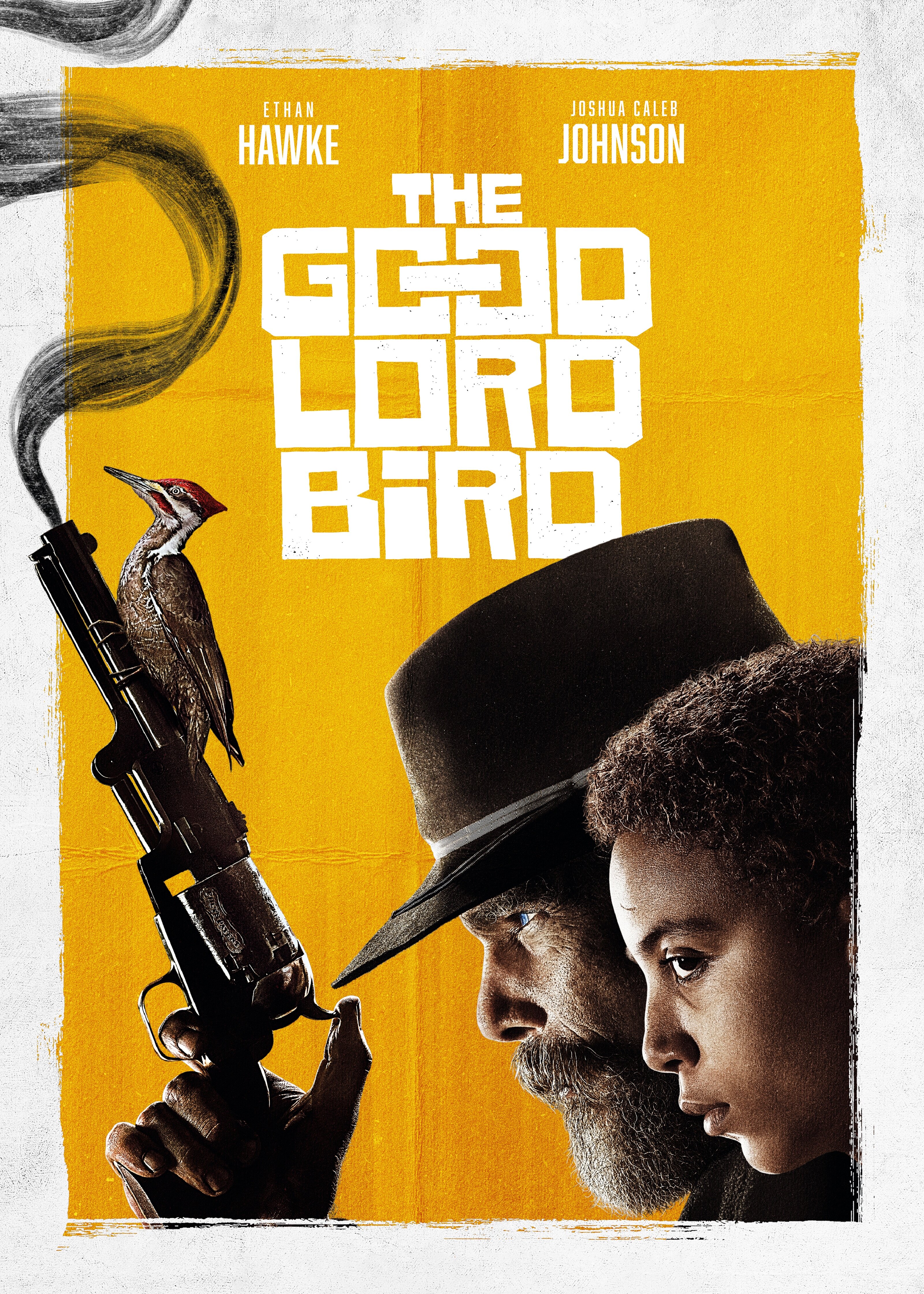
The Good Lord Bird2020
Evan McGregor's darkly comic portrayal of John Brown, the abolitionist, sits alongside Roots in asking how white allies should move through Black liberation struggles. Sharp, strange, and morally complex without ever winking.
But The tragicomic tone may feel dissonant if you're looking for something as grave and direct as Roots. It's intentionally irreverent about American mythology.
Not sure tonight? Get a pick in a minute, starting from Roots
The wildcard
Something you would not have found on your own.
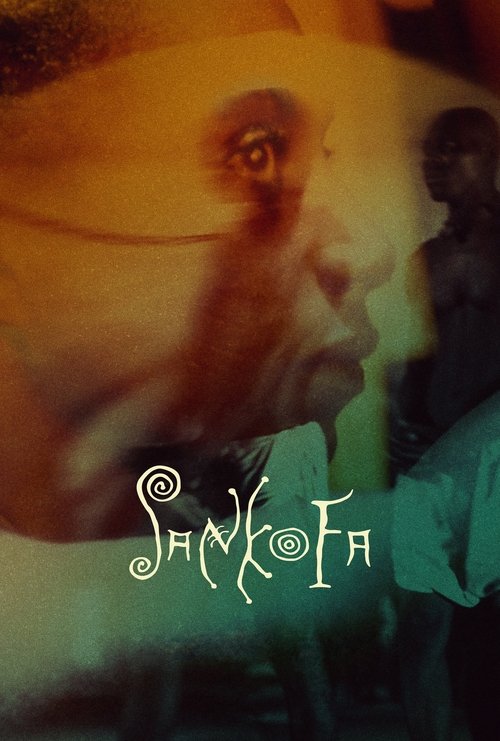
Sankofa1993
Both insist that slavery's trauma is not historical abstraction but present wound; both demand emotional and intellectual engagement simultaneously, though Sankofa reaches toward spiritual and artistic truth while Roots grounds itself in genealogy.
Haile Gerima's film uses magical realism and a slave castle as portal: a modern Black woman is transported into slavery's nightmare and must bear witness. It's Roots' structural opposite—non-linear, lyrical, visionary—but shares the same moral urgency and refusal of comfort.
But The experimental form (time jumps, deliberate artificiality, poetic rather than narrative logic) will feel indulgent if you're seeking straightforward historical documentation. It's challenging by design.
More like this (7)
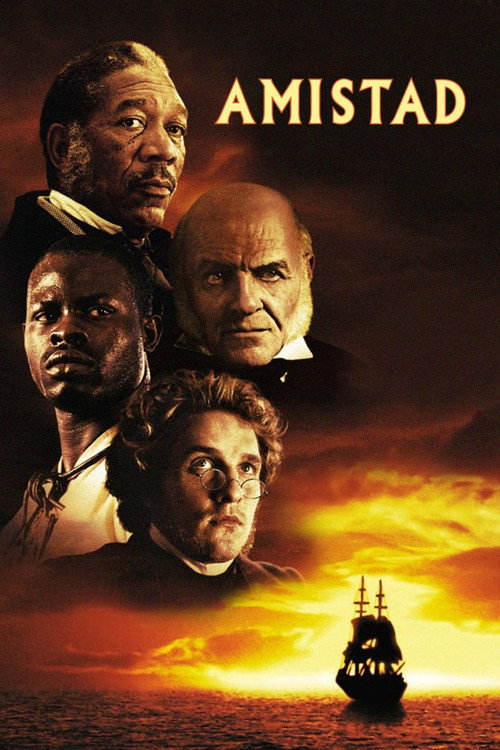
Amistad1997
Spielberg's courtroom drama focuses on African captives' rebellion aboard a slave ship and the legal battle for their freedom. It shares Roots' commitment to showing Black agency and resistance rather than passivity.
But The second half pivots heavily toward white courtroom heroics, diluting the African voices that should be central. Dated Spielberg sentimentality undercuts the subject matter.
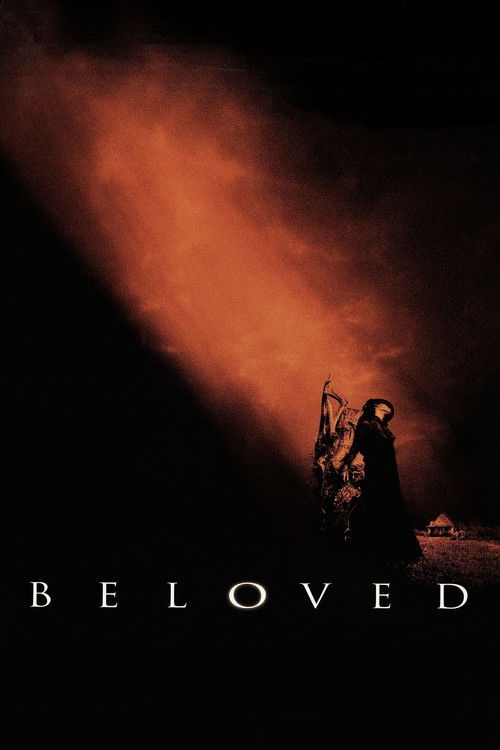
Beloved1998
Jonathan Demme adapts Morrison's novel with Oprah Winfrey and Danny Glover, exploring slavery's psychological and supernatural aftermath. It honors the interior lives Roots only gestures toward, the trauma that survives emancipation.
But The Gothic magical-realism approach won't work for everyone. Some find it muddies the historical reckoning with abstraction and symbol.
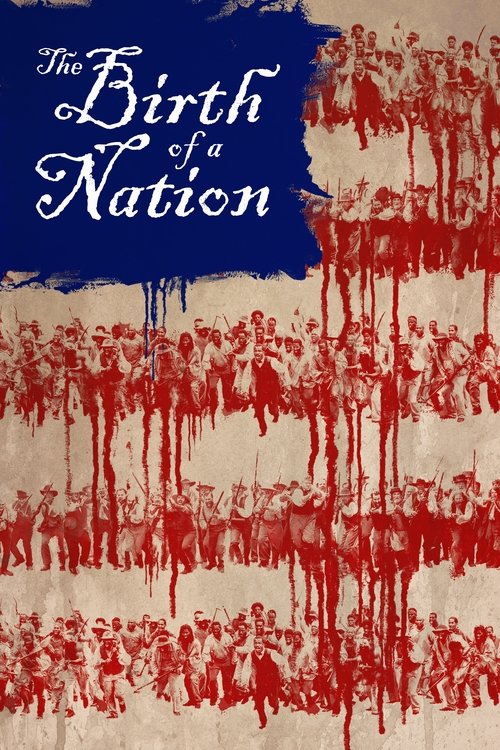
The Birth of a Nation2016
Nate Parker's film about Nat Turner's rebellion centers enslaved people's armed resistance with graphic, uncompromising force. It positions Black fury as justified and necessary, never apologizing for rage.
But The violence is extreme and designed not to be watched comfortably. Controversy surrounded its production, which some find difficult to separate from the film itself.
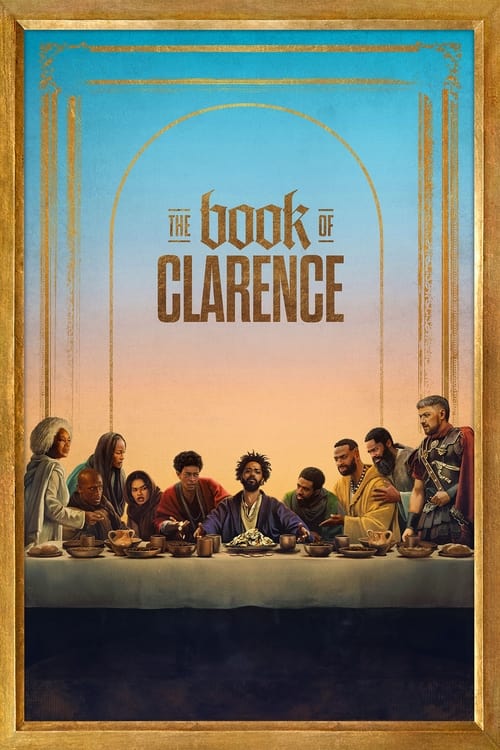
The Book of Clarence2024
Matteo Garrone's film (stylistically unlike this list, but thematically essential) presents a Black con artist in pre-Civil War New Orleans with wit and complexity. It shows Black interiority, humor, and agency in ways historical drama often denies.
But It's a comedy-drama with a loose, almost vaudeville energy. If you want linear narrative and emotional catharsis, this baroque approach will frustrate you.
13 Reasons Why2017
This British miniseries about slavery's aftermath—specifically about a freed woman's struggle post-emancipation—shows what Roots' conclusion only approaches: the structural racism that survives the institution itself.
But It's underfunded and sometimes feels it. The dialogue can be heavy-handed, and some episodes drag. Harder to access outside the UK.

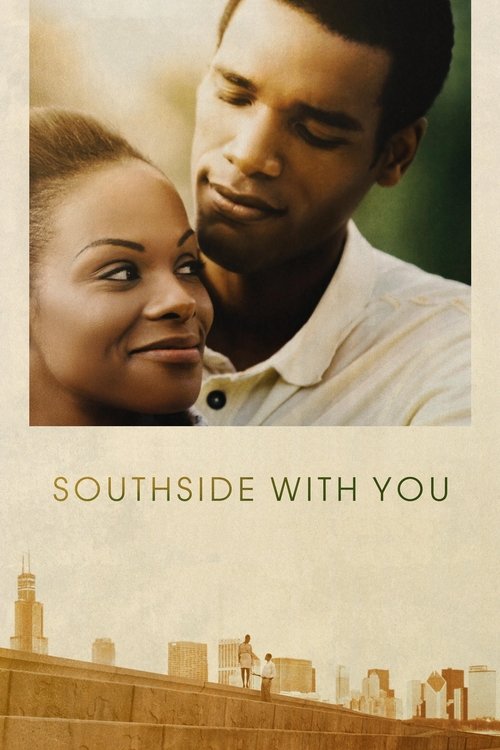
Southside with You2016
Roots ends at the threshold of freedom; Southside begins in a world that freedom built. Both insist on seeing Black people's interior lives—desire, humor, hope—not only as survival.
A small, intimate film about Barack and Michelle Obama's first date in 1989 Chicago—the inverse of Roots' scope. It's about Black joy, ambition, and love as acts of freedom. Gentle where Roots is brutal, but equally about Black self-determination.
But It's almost aggressively small-scale and quiet. If you want historical weight and narrative momentum, this will feel slight and almost mannered in its restraint.
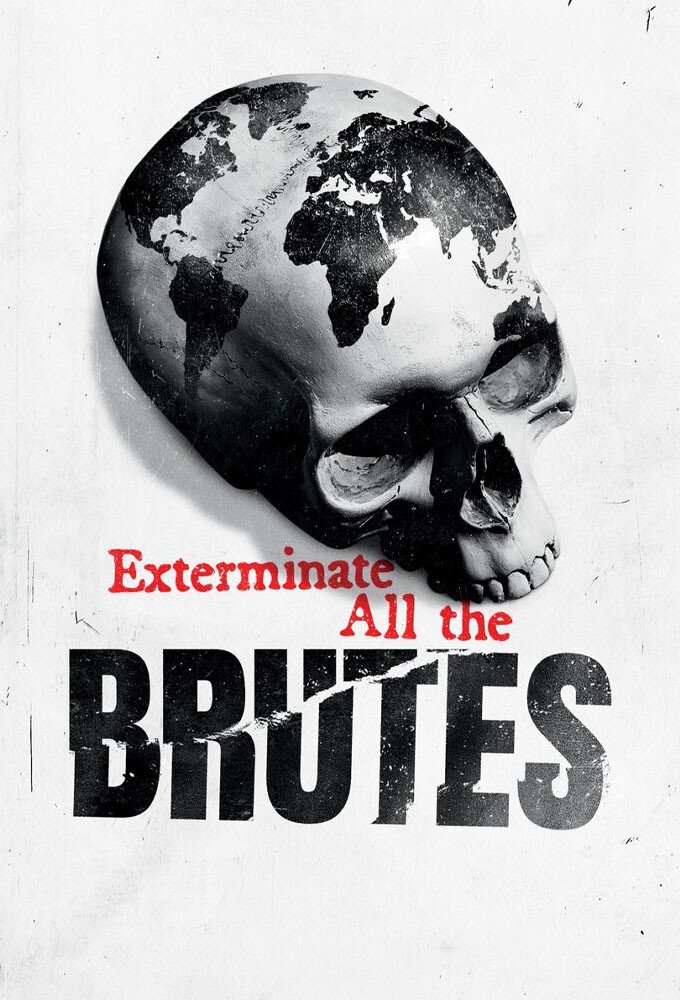
Exterminate All the Brutes2021
Where Roots traces one family's journey, Exterminate All the Brutes traces slavery's ideological architecture and inheritance. Both are acts of historical testimony; one is genealogical, the other systemic.
Raoul Peck's four-part essay-documentary interweaves slavery, colonialism, and genocide across continents and centuries, using archives, performance, and Peck's own meditation. It's Roots' global context—the systems that created slavery, their afterlife today.
But It's experimental and digressive, not a narrative but an argument. Some will find it too abstract, too refusal of conventional documentary comfort. Demands active, not passive, viewing.
People
Cast










Writing
- Alex HaleyCreator
Production
- Laurence FishburneExecutive Producer