
Film
Tulsa Burning: The 1921 Race Massacre
- Crime
- Very dark
A direct, unflinching account of the 1921 Tulsa Race Massacre—one of America's worst acts of racial violence—and its century of deliberate erasure. Directed by masters of historical documentary, it centers survivor testimony and archives to restore what was systematically forgotten. Essential viewing that fills a shameful gap in what most people know.
Should you watch it?
Watch it if you want a clear, sober account of a buried chapter of American history and care more about the people who lived it than about cinematic flourish.
Skip it if you want a fast, polished thriller or something to unwind with, since this one is sombre and built on testimony and argument rather than on style for its sake.
What it asks of you: An hour of steady, sober attention: it proceeds at a measured pace and stays heavy in tone from start to finish, with little lightness to come up for air.
Not sure? Find tonight's pick in a minute.
If you liked this
Nickel Boys2024
Adapted from Colson Whitehead's novel about a real Florida reform school where Black boys were tortured and killed. It reconstructs institutional cruelty with devastating precision and moral clarity, honoring forgotten victims.
But The brutality is relentless and unbuffered. It demands patience with discomfort rather than offering catharsis or redemption.
Reconstruction: America After the Civil War2019
A four-part series that excavates the Reconstruction era when Black Americans held real political power, then watches it get methodically dismantled. It explains how we got to 1921 and beyond.
But Academic and formally dense. Long stretches lean on documents and testimony rather than narrative momentum.
Dreamland: The Burning of Black Wall Street2021
A companion piece examining the same 1921 massacre through a tighter focus on the economic destruction of Greenwood. Perfectly paired viewing for a complete picture.
But Some overlap in subject matter and survivor voices means watching both can feel repetitive if done back-to-back.
Not sure tonight? Get a pick in a minute, starting from Tulsa Burning: The 1921 Race Massacre
The wildcard
Something you would not have found on your own.
The Promised Land2019
Both examine how communities can be built, destroyed, and erased—one through state massacre, one through ideological fracture. Both ask what gets saved and what gets forgotten when power shifts.
A Danish drama about a pastor building a utopian community in 1890s Jutland. It explores how communities form, how ideals corrupt under pressure, and how violence emerges from competing visions of belonging. The structural echo is profound.
But Slow-burn European cinema with historical distance. You have to meet it halfway; it won't rush to meet you. No explicit violence, which some find less gripping than graphic testimony.

More like this (3)
Burning at Both Ends2021
Documents the 2008 financial crisis through the lens of Black household wealth destruction. It draws unsettling parallels between different forms of catastrophic loss and erasure.
But The economic framework may feel abstract compared to the visceral reality of racial violence, even when the stakes are equally high.
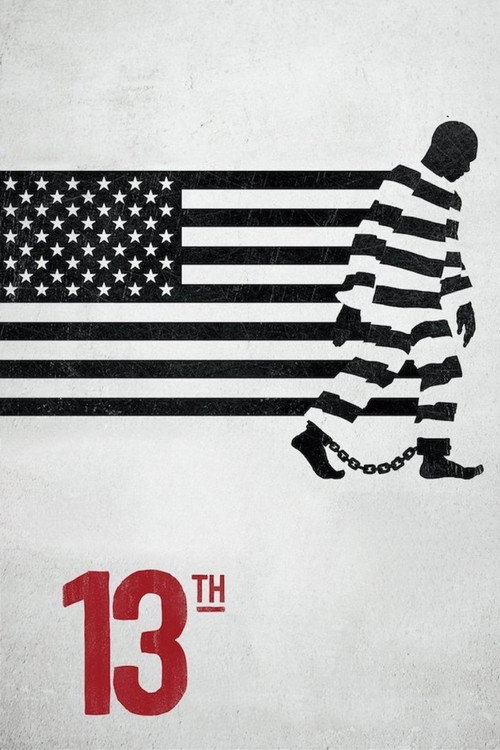
13th2016
Ava DuVernay's landmark essay on mass incarceration connects the 13th Amendment's loophole to the long arc of American racial control, from Reconstruction onward.
But Very widely discussed already; some viewers feel they've absorbed its arguments secondhand before watching.
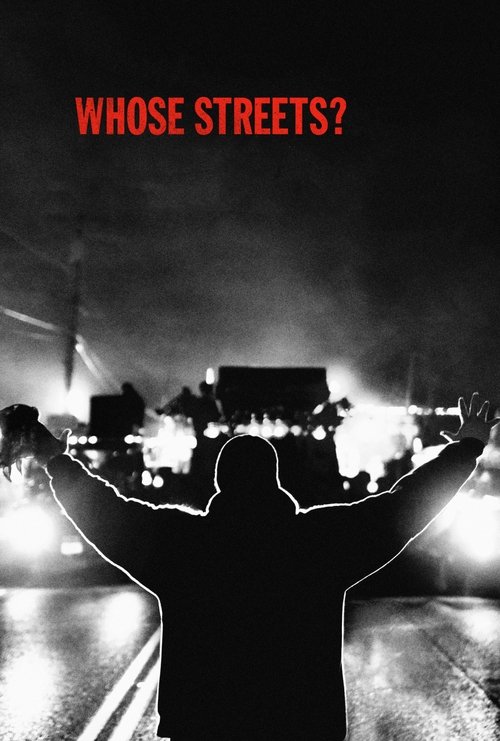
Whose Streets?2017
Made during Ferguson protests, it captures Black activists documenting and resisting police violence in real time. Raw and urgent in ways that feel like witnessing rather than reflection.
But The handheld, unpolished aesthetic can feel chaotic if you need clear narrative structure or distance from emotional immediacy.
People
Directing
- Marco WilliamsDirector
- Stanley NelsonDirector
Production
- Eli LehrerExecutive Producer
- Russell WestbrookExecutive Producer