
Film
Family Across the Sea
A 57-minute documentary narrated by Augusta Baker exploring the linguistic, cultural, and familial bonds between the Gullah people of the American South Carolina lowcountry and their ancestral communities in Sierra Leone. It's an intimate, scholarly investigation that reveals how a people maintained their identity across centuries and continents through language, tradition, and memory. Essential viewing for anyone interested in diaspora, African American history, or the resilience of culture.
Should you watch it?
Watch it if you are drawn to history told through language, family memory and patient detective work, and want to hear how a community's speech and customs can point back across an ocean.
Skip it if you want cinematic momentum or characters to follow; this is a plain, lesson-like documentary that leans on narration and may feel more like a lecture than a story.
What it asks of you: Under an hour of unhurried, mostly spoken material that rewards steady attention; names, places and family threads arrive at an even pace, so keep listening rather than skimming.
Not sure? Find tonight's pick in a minute.
If you liked this
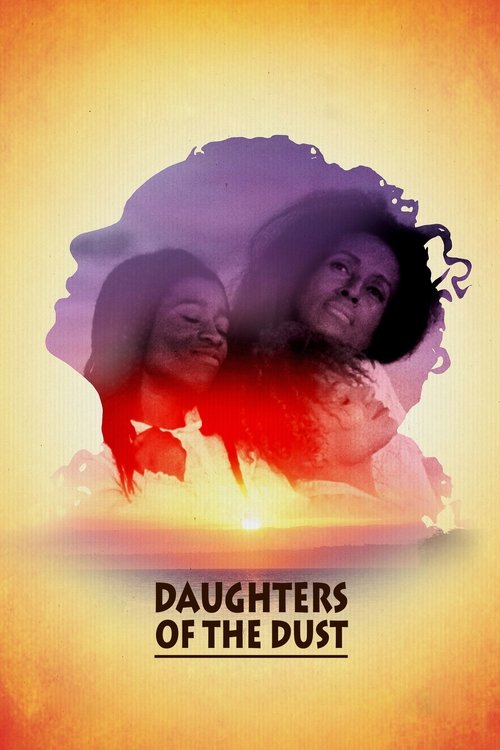
Daughters of the Dust1991
Julie Dash's visually stunning film centres the Gullah people themselves, their beauty and complexity, their language and rituals. It's a poetic complement that shows rather than explains what Family Across the Sea documents.
But It's deliberately slow and lyrical—the opposite of conventional narrative. Some viewers find its dreamlike pacing challenging rather than meditative.
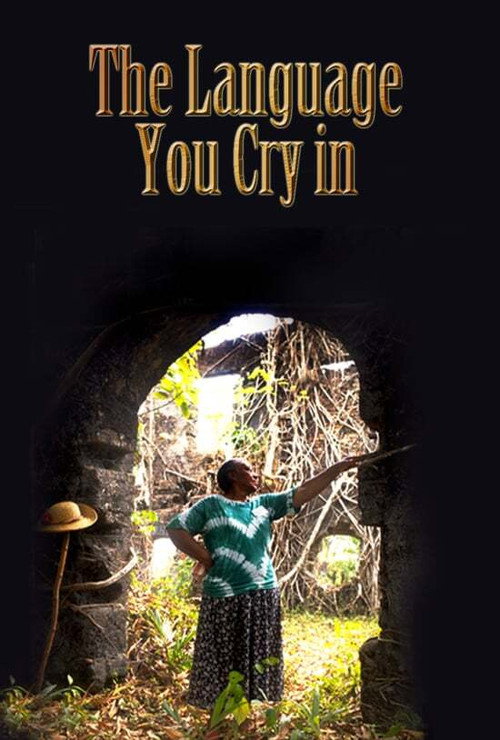
The Language You Cry In1998
This documentary traces a single Gullah song back to its Sierra Leonean origins through music, memory, and linguistic detective work. It deepens the specific story Family Across the Sea introduces with moving personal testimony.
But The academic framework and specialized focus on one song may feel narrow if you're expecting broader historical sweep.
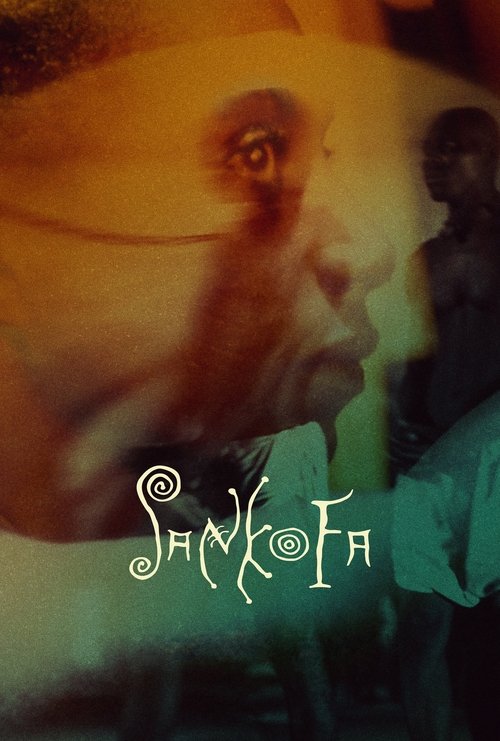
Sankofa1993
Haile Gerima's film interrogates historical memory and the Middle Passage through a contemporary woman's journey into the past. It complements the documentary's themes of connection and reclamation with visceral, artistic power.
But It's confrontational and emotionally intense in ways that can feel overwhelming. The non-linear structure requires active engagement.
Not sure tonight? Get a pick in a minute, starting from Family Across the Sea
The wildcard
Something you would not have found on your own.
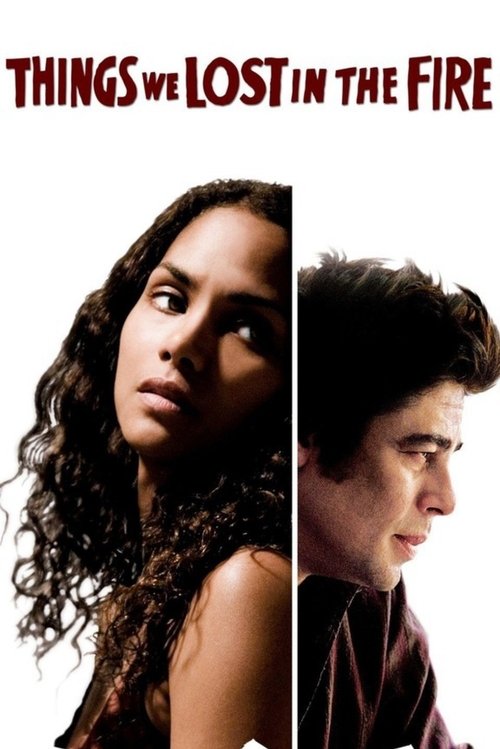
Things We Lost in the Fire2007
Both examine how people maintain bonds and identity across rupture and distance. Family Across the Sea shows continuity triumphing; this shows what rupture costs—they're reverse angles on the same human question.
A haunting Serbian film about survival, memory, and what remains after violence and displacement. It explores how people rebuild identity and connection after severance—a thematic mirror to diaspora itself.
But It's bleak, slow, and concerned with contemporary Balkan trauma rather than history or joy. Not what you'd expect after a film about cultural continuity.
More like this (2)
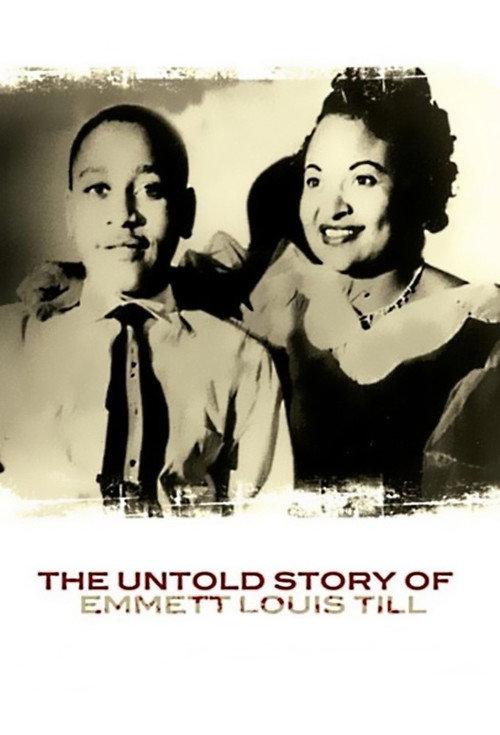
The Untold Story of Emmett Louis Till2005
A historical documentary about a pivotal moment in American racial history. Demonstrates how documentary filmmaking can recover suppressed or incomplete narratives.
But It's necessarily darker in subject matter and offers no cultural celebration, only historical reckoning.
Handsworth Songs1986
Both films use documentary form to explore diaspora, but Handsworth Songs does it through experimental poetics rather than traditional scholarship. It shows a radically different way of knowing and feeling history.
John Akomfrah's avant-garde documentary about the 1985 Handsworth riots in Birmingham. Archive, poetry, sound design, and philosophical meditation create a profound statement about diaspora, alienation, and belonging.
But It's formally experimental—essay film rather than conventional documentary. The layered sound and fragmented editing can feel opaque without patience.
People
Cast
- Augusta BakerNarrator