
Film
Things We Lost in the Fire
A grieving widow takes in her late husband's recovering addict best friend, and they become unlikely healers for each other. It's a quiet, unsentimental film about how people actually process loss—through small moments, awkward conversations, and the presence of someone who understands. Directed by Susanne Bier with real emotional weight and no easy answers.
Should you watch it?
Watch it if you are drawn to quiet grief dramas built on actors sitting with silence, where small gestures between damaged people carry more weight than any plot turn.
Skip it if you want a brisk, eventful film; this one moves slowly, lingers on sorrow, and asks you to stay with heavy emotion for most of its two hours.
What it asks of you: Patience and a tolerance for melancholy. It runs about under two hours at a deliberate pace, staying in its characters' pain rather than offering relief or release.
Not sure? Find tonight's pick in a minute.
If you liked this
Manchester by the Sea2016
A masterclass in depicting grief without drama or manipulation. Casey Affleck's performance captures the exhausting, mundane weight of loss, and the film trusts you to sit with uncomfortable silences the way this film does.
But Deliberately quiet and slow. If you want catharsis or a clear emotional arc, you won't find it here. Some find that restraint unbearable.
Ordinary People1980
Robert Redford's directorial debut about a family fracturing after a son's death. Like *Things We Lost*, it focuses on the small ruptures and surprising connections that emerge when people are too broken to pretend.
But It moves at a pace that feels almost sedated now. The therapy scenes in particular will test your patience if you want plot momentum.
Moonlight2016
Three chapters of a man's life, shaped by absence and the few people who truly see him. It shares this film's belief that transformation happens quietly, in the presence of someone who doesn't look away.
But Deliberately fragmentary and poetic. If you need narrative clarity and plot mechanics to stay engaged, this will frustrate you.

Not sure tonight? Get a pick in a minute, starting from Things We Lost in the Fire
The wildcard
Something you would not have found on your own.
Winter Light1963
Both examine how presence and faith (or the lack of it) become the only tools available when crisis offers no solutions. Both refuse sentimentality.
Ingmar Bergman's film about a pastor and a suicidal parishioner, confronting faith and connection in the face of meaninglessness. It reaches toward the same moral and emotional territory—what do we owe each other when nothing helps?
But Bergman. It's austere, European, from 1963, and makes no concessions to accessibility. If his work alienates you, this will alienate you harder.

More like this (8)
The Savages2007
Laura Linney and Philip Seymour Hoffman as siblings navigating their aging father's decline. Raw, funny, and unafraid of the mess—both the practical logistics and the emotional chaos of caring for someone you can't save.
But Deeply uncomfortable in places. It doesn't sentimentalize aging or illness, which can feel bleak if that's not what you came for.
A Ghost Story2017
Conceptually wild—a ghost watching his widow grieve—but executed with genuine tenderness about memory, place, and how we haunt each other. Achingly moving despite its strangeness.
But Deliberately slow and meditative. There's a famous scene of eating pie that goes on and on. It's testing patience, which is entirely the point, but that point isn't for everyone.

The Light Between Oceans2016
Michael Fassbender and Alicia Vikander as a couple who find an abandoned baby. It explores how we rationalize the connections we make and the costs of those rationalizations—morally and emotionally.
But Visually gorgeous but narratively slight. It's all atmosphere and beautiful people, and some will find that insufficient.
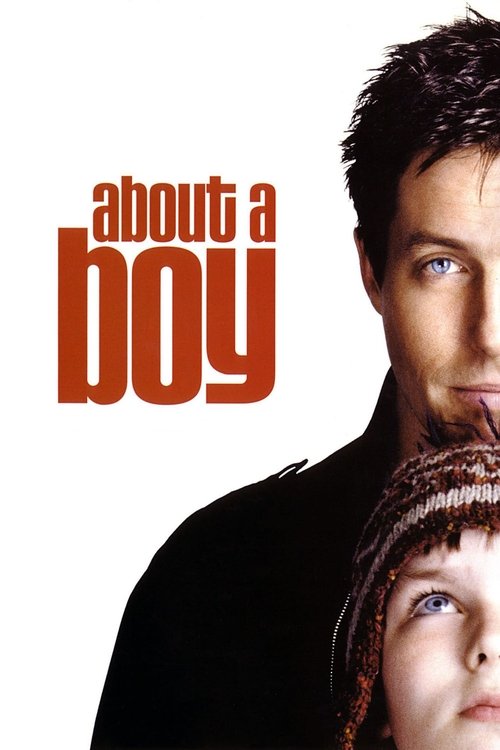
About a Boy2002
Hugh Grant as a selfish man who meets a suicidal boy, and they unexpectedly help each other grow up. It's lighter in tone but shares the DNA—two broken people finding unexpected family.
But The tonal shift from comedy to genuine vulnerability can feel uneven. It wants to be funny *and* serious, and doesn't always manage both simultaneously.
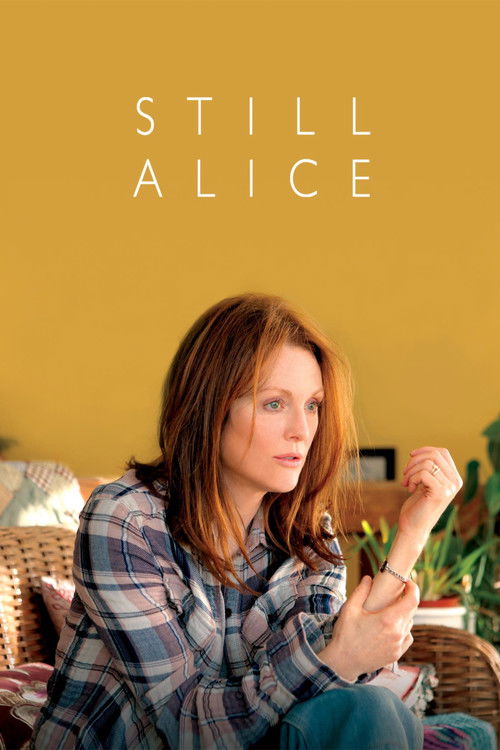
Still Alice2014
Julianne Moore's performance as a woman losing herself to Alzheimer's is devastating but never pitying. It's about identity, family fracture, and what remains when memory goes—the same quiet devastation this film explores.
But Relentlessly sad. It doesn't offer relief or lightness. If you're already depleted, this will deplete you further.
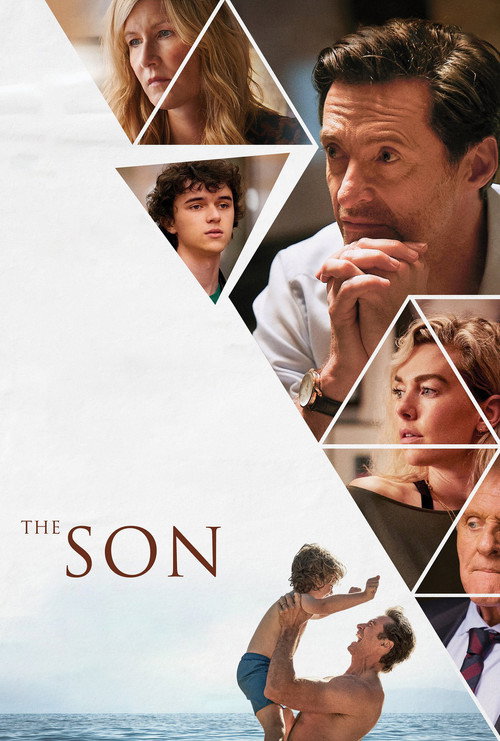
The Son2022
Florian Zeller's film about a father and his son in crisis—fractured narrative, intimate, unsentimental. It captures how families communicate in silence and misunderstanding, and how love doesn't always fix that.
But Structurally disorienting, especially in the first half. If you need clear narrative footing, it will make you work harder than you might want to.
Synecdoche, New York2008
Both grapple with how trauma and loss warp reality and relationships. Both distrust easy answers and prefer to sit in confusion and damage.
Charlie Kaufman's maze of a film about an artist spiraling through grief, art, and the impossibility of connection. It's structurally wild but emotionally grounded in the same recognition this film embodies—that loss unmakes everything.
But Deliberately convoluted and hard to follow. It's a puzzle box that doesn't want to be solved. Some will find it pretentious or exhausting rather than brilliant.

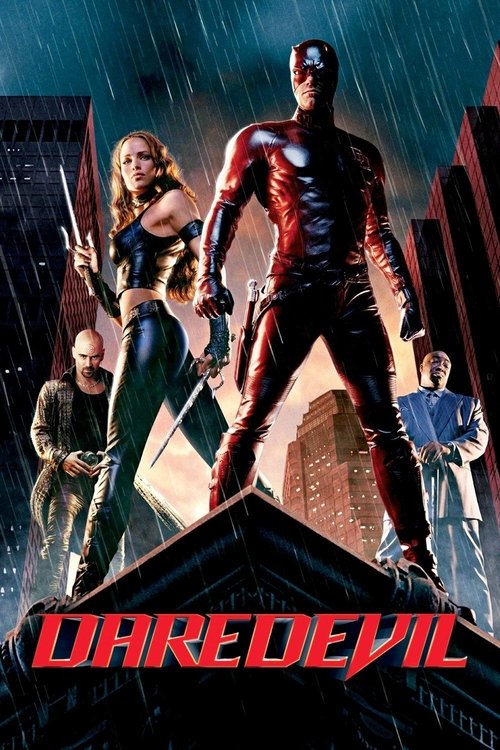
Daredevil2003
Both feature men using damage and rage as a way to process loss and find meaning. Both believe that broken people can still become useful, or loved, or both.
Yes, seriously. Ben Affleck as a blind lawyer vigilante, yes, but underneath the trash there's genuine interest in how trauma shapes identity and how violence becomes a way to avoid feeling. It's pulp, but it's the same emotional DNA.
But It's genuinely bad filmmaking in most respects. The dialogue, the CGI, the tonal whiplash—if you can't enjoy something *through* its badness, this is a waste of two hours.
People
Cast
 Halle BerryAudrey Burke
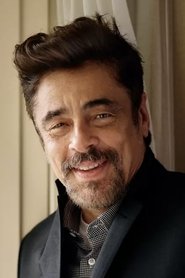 Benicio del ToroJerry Sunborne
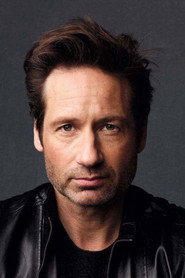 David DuchovnySteven Burke
 Alison LohmanKelly
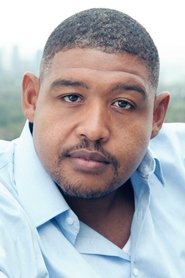
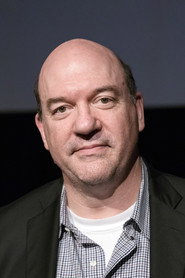 John Carroll LynchHoward Glassman
 Alexis LlewellynHarper Burke
 Micah BerryDory Burke
 Sarah DubrovskySpring
 Liam JamesCousin Dave
 Quinn LordCousin Joel
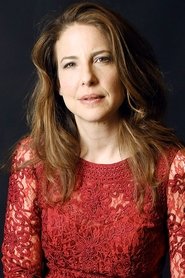 Robin WeigertBrenda
Directing
- Susanne BierDirector
- Helga UnguraitScript Supervisor
Writing
- Allan LoebScreenplay
Production
- Coreen MayrsCasting
- Debra ZaneCasting
- Heike BrandstatterCasting
- Tannis VallelyCasting Associate
- Allan LoebExecutive Producer
- Jeremy KramerExecutive Producer
- Mark SourianExecutive Producer
- Pippa HarrisExecutive Producer
- Barbara KellyProducer
- Sam MendesProducer
- Sam MercerProducer
Recommended by
My Sister's Keeper, Family Across the Sea, American Buffalo, Harsh Times, The Kreutzer Sonata