
Film
Tattooed Tears
- Prison
- Very dark
Tattooed Tears is a 1979 documentary that embeds itself inside a maximum-security juvenile prison in California, capturing the raw day-to-day reality of incarcerated teenagers. It's unflinching and intimate—not a policy argument but a lived experience, told through the voices and faces of the kids themselves. Essential viewing for anyone interested in criminal justice, institutional life, or the American system's handling of youth.
If you liked this
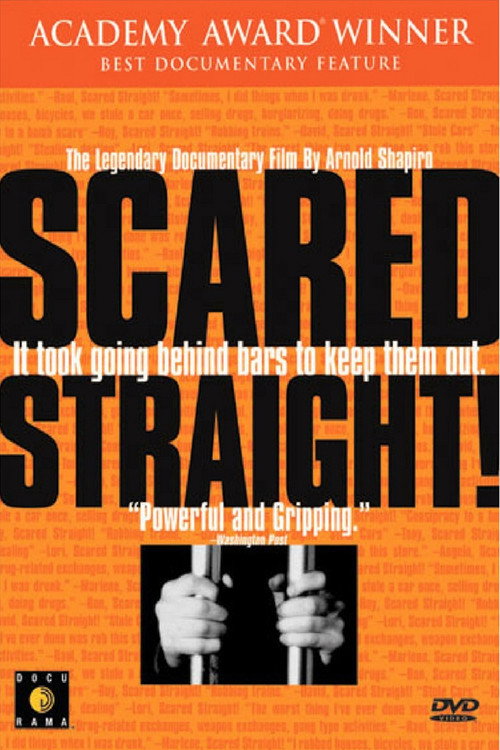
Scared Straight!1978
This near-contemporary documentary follows a shock-tactics prison program aimed at deterring juvenile delinquency. It's visceral, controversial, and asks hard questions about punishment versus rehabilitation in ways that will stick with you.
But The confrontational approach feels dated now, and the film itself has become a cultural artifact of a particular moment in American penology that many see as misguided.
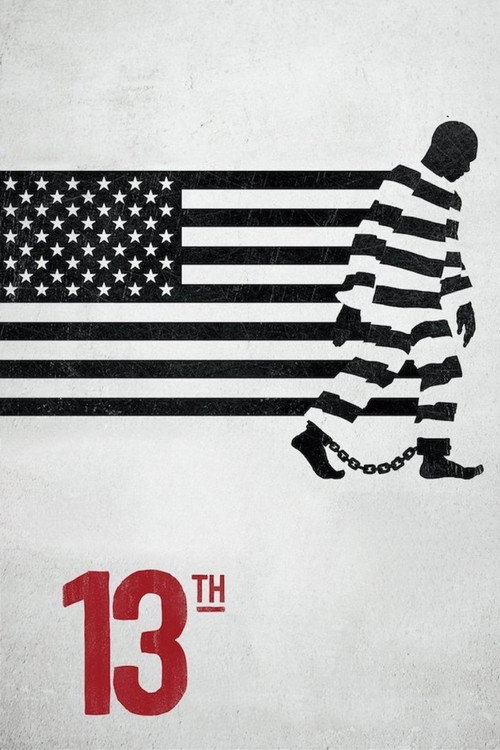
13th2016
Ava DuVernay's masterwork traces the through-line from slavery to mass incarceration, examining how the system perpetuates racial control. It's urgent, meticulously researched, and absolutely necessary viewing on the subject.
But The scope is deliberately expansive and dense; it's more lecture than intimate portrait, and the weight of the argument can feel relentless.
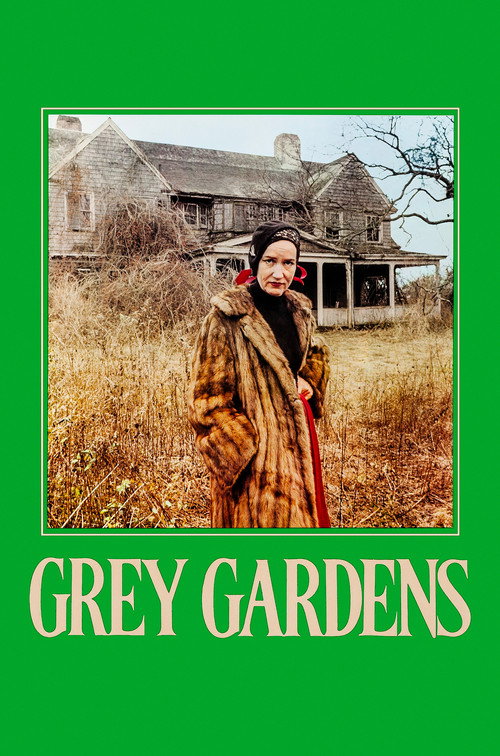
Grey Gardens1976
The Maysles brothers capture two isolated women in their crumbling East Hampton mansion with the same unflinching empathy. It's about confinement, family pathology, and how institutions (even self-made ones) damage people.
But It's deeply uncomfortable to watch people in decline, and the ethical questions about documentary voyeurism hang heavy over every frame.
Not sure tonight? Get a pick in a minute, starting from Tattooed Tears
The wildcard
Something you would not have found on your own.
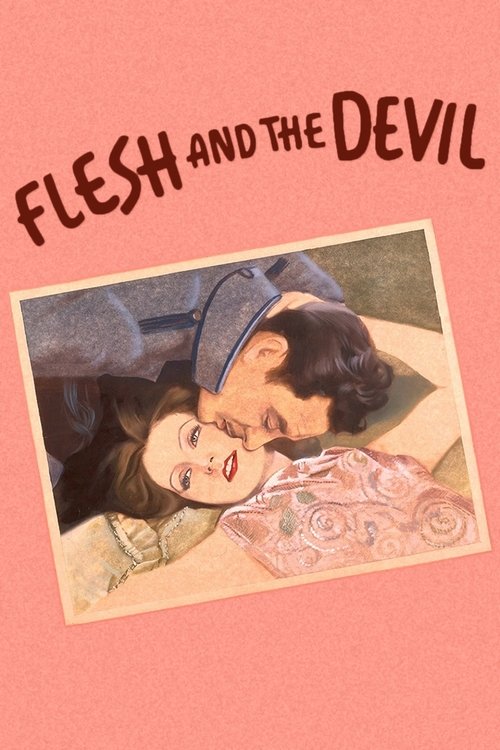
Flesh and the Devil1926
Both explore how institutions (prison, society, morality) confine people, and how human connection becomes the only form of resistance or sanity available.
A silent melodrama about desire and institutional power where Greta Garbo and John Gilbert's chemistry becomes the only reality that matters. Like Tattooed Tears, it's about people trapped by systems larger than themselves, but told through pure visual poetry and intimacy.
But It's silent cinema from nearly a century ago; if you're expecting narrative momentum or modern sensibilities, the pacing and emotional register will feel alien.
More like this (6)
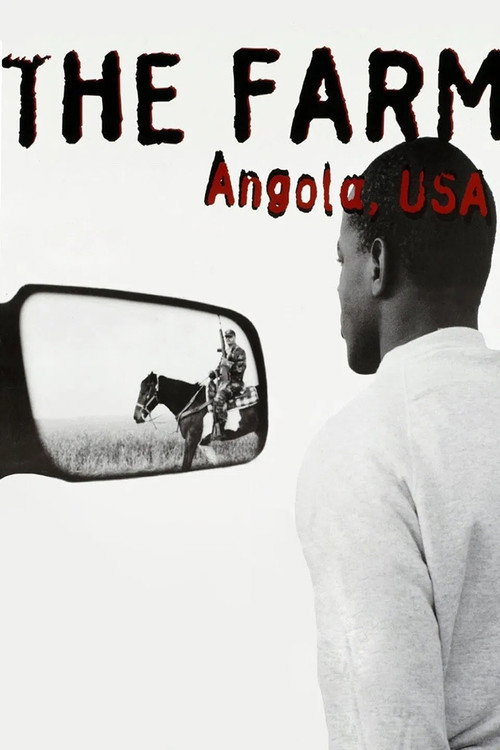
The Farm: Angola, USA1998
Another embedded documentary in a maximum-security prison, following inmates on a working plantation. It's methodical, humane, and reveals the dehumanizing economics of American incarceration without preaching.
But It's slow and observational to the point where some viewers may find it structurally static; there's no narrative throughline, just accumulating dread.
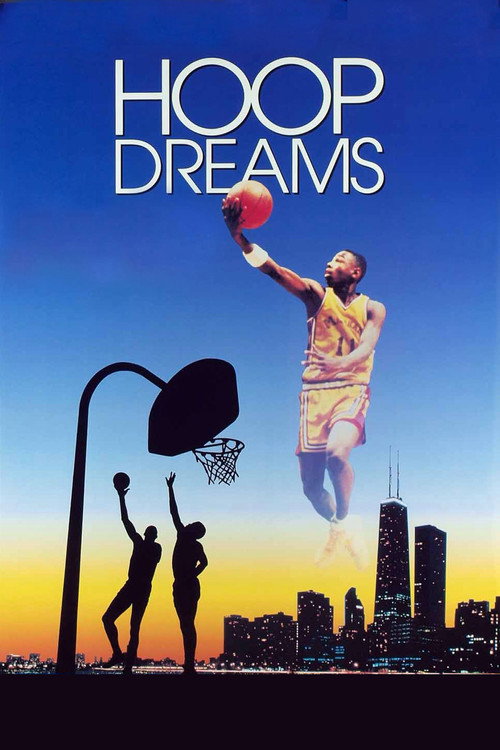
Hoop Dreams1994
This five-hour epic follows two Black teenagers through the basketball system, revealing how institutions exploit promising youth. It's a masterclass in documentary filmmaking and social investigation woven through sports narrative.
But The length is real, and if you're not invested in basketball as the vehicle for the story, long stretches will feel slow. It demands patience.
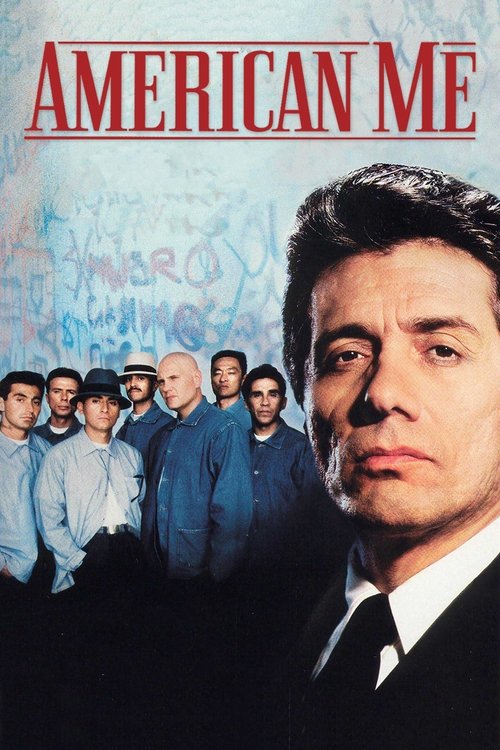
American Me1992
Edward James Olmos directs and stars in this narrative film about Chicano gang culture and prison life. It's brutal, sympathetic, and rooted in real prison experience in ways that scripted drama rarely achieves.
But The violence is graphic and sometimes gratuitous, and the film's glamorization of gang life sits uneasily alongside its critique of it.
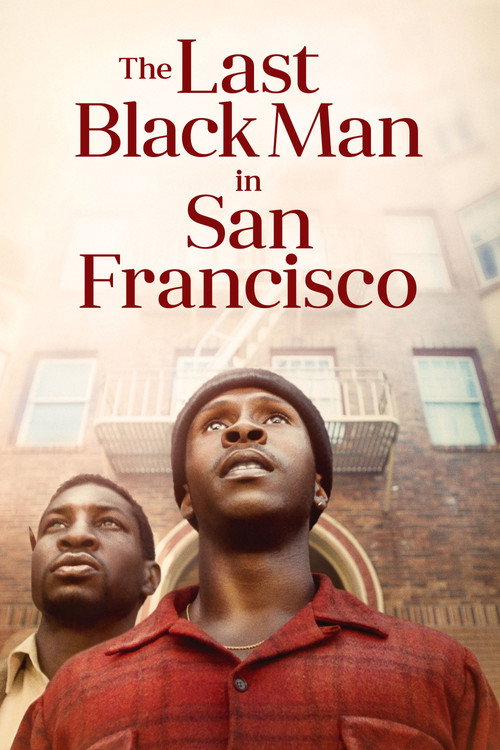
The Last Black Man in San Francisco2019
Though it takes a different formal approach, this film explores institutional displacement, family, and how systems fail young Black men. It's poetic where documentaries are literal, and asks similar questions about belonging and survival.
But It's deliberately slow and metaphorical; if you want straightforward narrative, this oblique approach will frustrate you.
A Prophet2009
Jacques Audiard's French prison drama is a master class in how institutional life shapes a person. It's gripping, unflinching, and feels authentically embedded in the daily mechanics of incarceration and power.
But It's a scripted narrative rather than documentary, and some viewers find the protagonist's trajectory morally troubling in ways the film doesn't resolve.

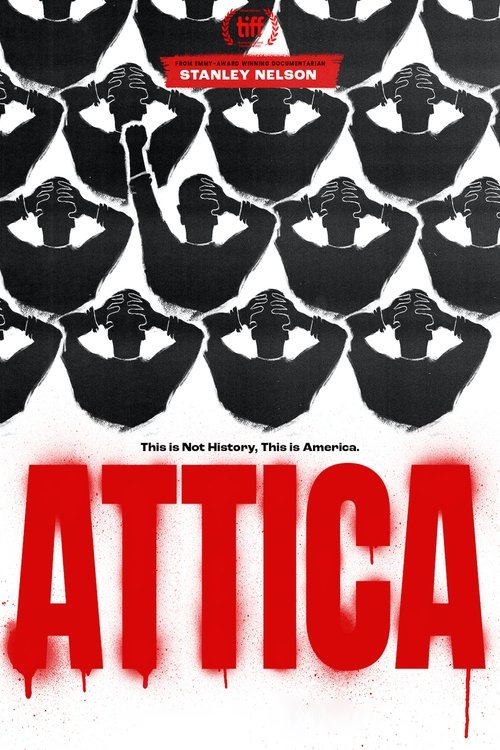
Attica2021
This documentary reconstructs the 1971 Attica prison uprising through archival footage, testimony, and investigation. It's a specific historical moment that clarifies everything about American prison power and violence.
But It's dense with historical detail, and if you're unfamiliar with the uprising, you may need to take notes to follow the full picture.
People
Directing
- Joan ChurchillDirector
- Nick BroomfieldDirector