
Film
Flesh and the Devil
A 1926 silent romance about two soldiers whose lifelong friendship shatters when one falls for a dangerously beautiful woman. Greta Garbo commands the screen with the kind of magnetic presence that made her legendary. It's intimate and passionate despite lacking dialogue—shot through with jealousy, longing, and the question of whether some desires are worth the cost. Essential silent cinema.
If you liked this
Sunrise: A Song of Two Humans1927
A contemporary masterpiece about a man tempted away from his wife by a seductive stranger. Like Flesh and the Devil, it captures how desire can overturn everything—but Murnau's camera work and visual storytelling reach almost transcendent heights.
But The deliberate artificiality of its sets and the plot's melodramatic trajectory might feel dated if you're expecting naturalism. Also nearly three hours.

Letter from an Unknown Woman1948
Ophüls picks up the same thread—obsessive love, regret, a woman who derails a man's life. But he's a romantic even about the wreckage, and his camera moves like a sigh. Joan Fontaine is extraordinary.
But It's melancholy bordering on bleak, and the pacing is deliberate. If you want passion and fire rather than ache, this will feel slow.

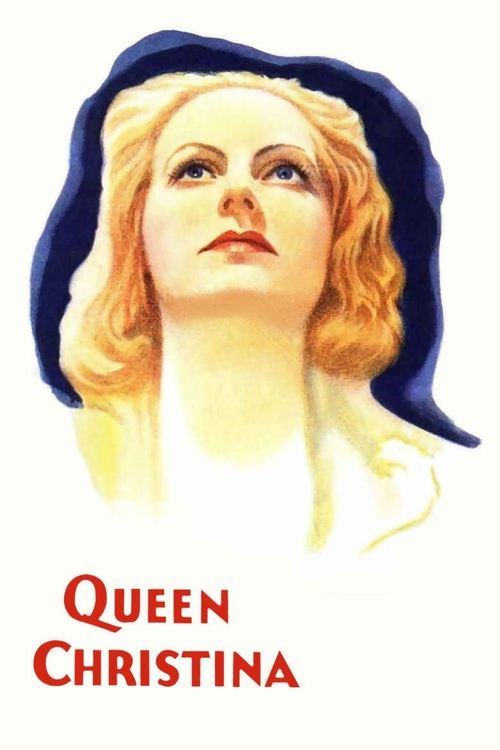
Queen Christina1934
Greta Garbo again, in full command of her power. She plays a queen choosing between duty and love—the same architecture as Flesh and the Devil but with her at the absolute center. She's magnificent.
But By 1933 sound film was the norm, and some scenes feel stagy. The historical padding doesn't add much weight.
Not sure tonight? Get a pick in a minute, starting from Flesh and the Devil
The wildcard
Something you would not have found on your own.
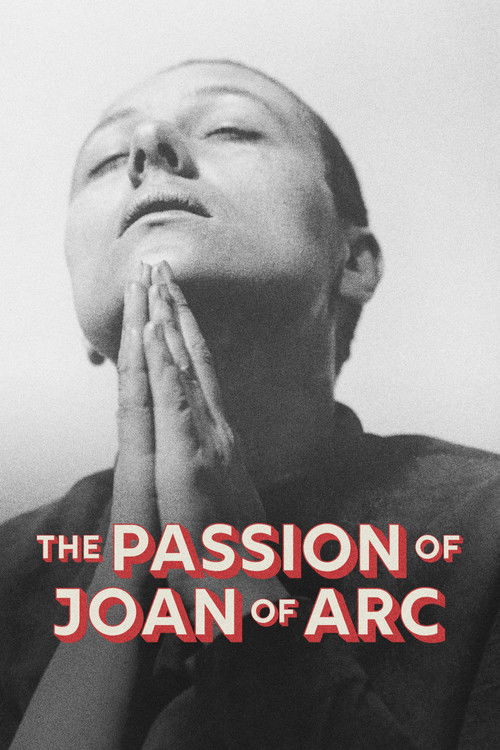
The Passion of Joan of Arc1928
Both films understand that cinema's real subject is the human face—what it reveals, what it hides, how desire or faith can be read in the eyes. Both use close-ups not as decoration but as the entire emotional argument.
Dreyer's film is often called the greatest silent film ever made, and it's about surrender to desire of another kind—faith, conviction, the moment when internal certainty collides with external power. Carl Theodor Dreyer shoots faces the way Garbo's close-ups operate: as a form of revelation. Renée Jeanne Falconetti's performance is transcendent.
But It's a trial scene. There's almost no physical action. If you need plot momentum or external drama, you'll be watching faces and listening to the score for ninety minutes. Some people find that unbearable.
More like this (7)
The Phantom Carriage1921
Sjöström's masterpiece about a man confronting what his cruelty has wrought. Silent Swedish cinema at its peak—the emotional depth rivals anything sound could achieve, and the special effects are genuinely moving rather than just clever.
But It's a ghost story with redemption arc theology. If that combination sounds saccharine, the film's actually austere enough to earn its sentiment, but it's not a sure thing.

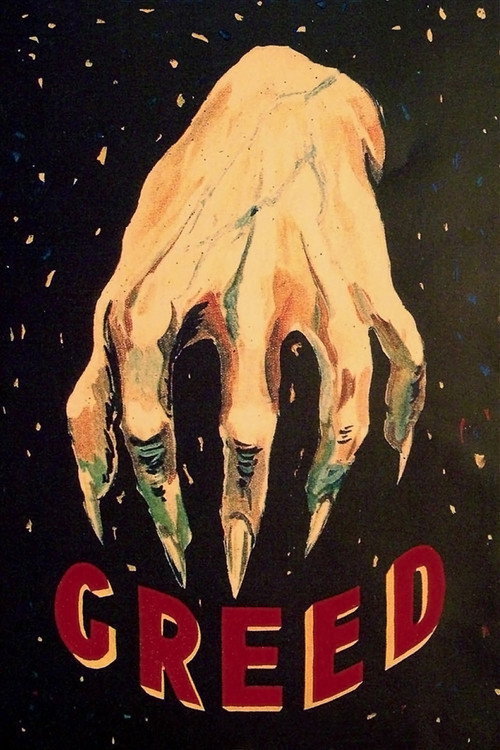
Greed1924
Erich von Stroheim's epic about how desire corrodes everything—marriage, friendship, morality. It's Flesh and the Devil's dark mirror: the same passions, the same destruction, but viewed with unflinching contempt for human weakness.
But Stroheim's original cut is lost; what survives is studio-butchered. Even in restoration it feels truncated. And it's bleak in ways that Flesh and the Devil romanticizes, which some find punitive rather than tragic.
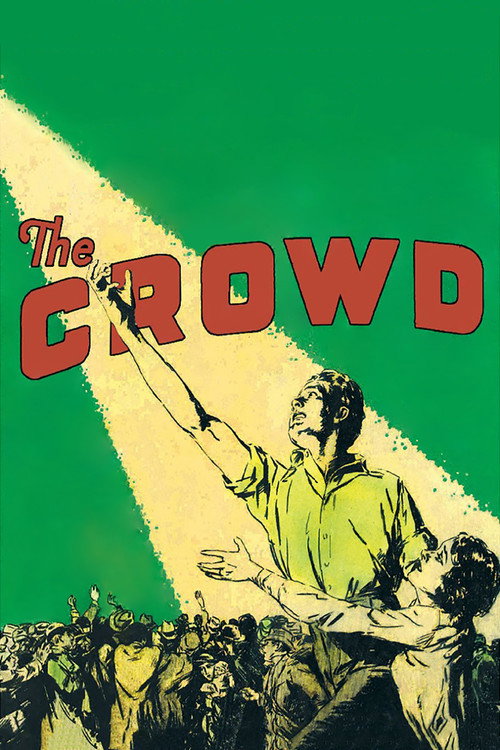
The Crowd1928
King Vidor's portrait of ordinary life—marriage, ambition, disappointment. It won't give you the operatic emotion of Flesh and the Devil, but it earns something deeper: the recognition that small betrayals hurt as much as grand ones.
But There's almost no plot. It's a mood piece about mediocrity, which is a hard sell if you came for romance or melodrama.
Pandora's Box1929
Pabst and Louise Brooks create a woman who destroys everyone around her, not from malice but from being utterly herself. It's the dark answer to Garbo's Felicitas—what if the seductress knew exactly what she was doing?
But It's cynical and sexually frank for 1929. Brooks' character doesn't learn or repent; she simply is. If you want moral clarity, you won't find it here.

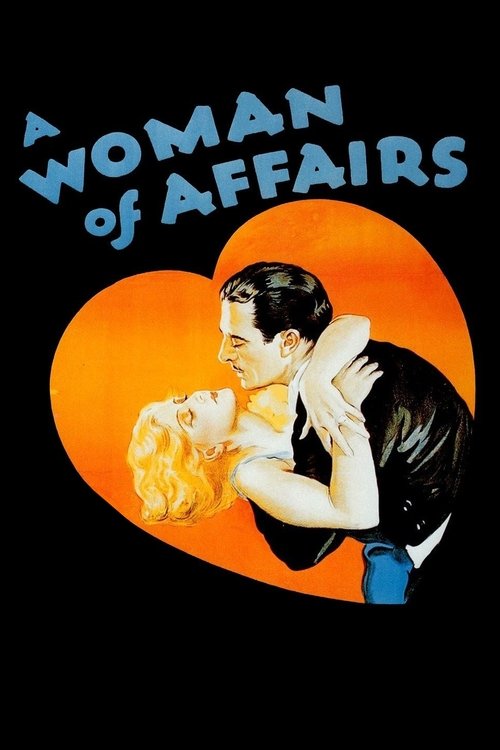
A Woman of Affairs1928
Another Greta Garbo film about a woman sacrificing everything for love, then paying the price. It's melodrama, yes, but executed with such elegance that the emotions feel earned rather than manipulated.
But The plot is fairly conventional—woman loves wrong man, loses everything. If you've seen Flesh and the Devil, you know where this goes, and the variations are small.
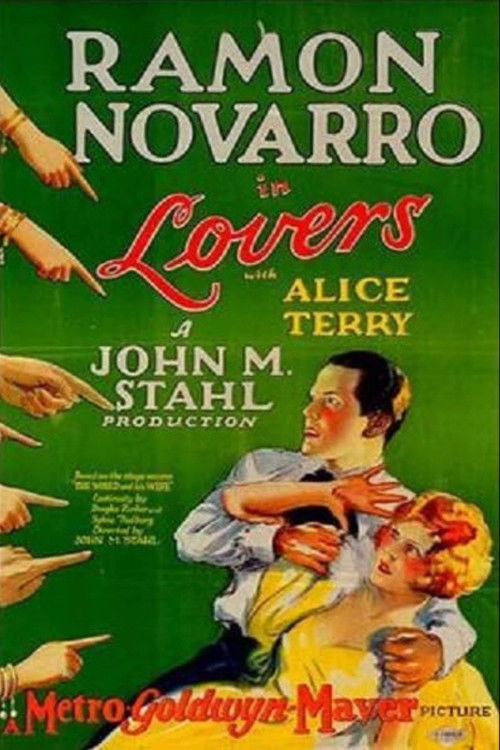
Lovers1927
A lesser-known Hungarian import about infidelity and desire. It has the texture and pacing of Flesh and the Devil without Garbo's star power, which means you have to work harder to connect—but if you do, it rewards you.
But It's genuinely obscure. The prints are inconsistent, and without a recognizable name in the cast, you're watching on faith that it's worth the effort.
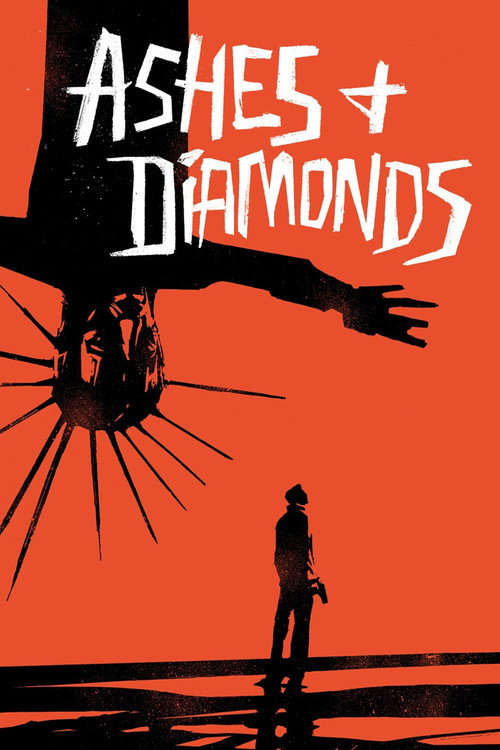
Ashes and Diamonds1958
Both films use a love story as the framework for asking whether desire is a luxury someone can afford. But Flesh and the Devil is ultimately about passion and consequence within a stable world; Ashes and Diamonds asks that question while the world is collapsing, which changes everything.
Andrzej Wajda's Polish masterpiece about a young man caught between duty and desire on the eve of the Soviet takeover. It has the emotional intensity and visual sophistication of silent cinema but adds post-war moral complexity. The final scene is one of cinema's great moments.
But It's not a romance. The woman is a symbol, almost, and the film's real subject is political disillusionment and the impossibility of choosing in a broken world. If you want Flesh and the Devil's personal tragedy, this is too interested in history.
People
Cast
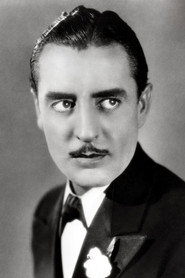 John GilbertLeo von Harden
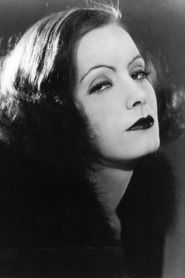 Greta GarboFelicitas
 Lars HansonUlrich von Eltz
 Barbara KentHertha von Eltz
 William OrlamondUncle Kutowski
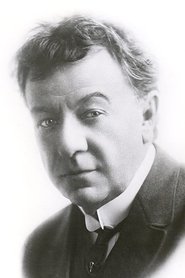 George FawcettPastor Voss
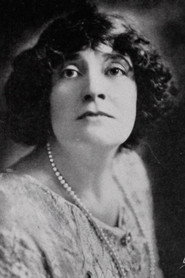 Eugenie BessererLeo's Mother
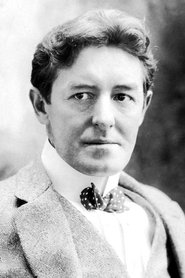 Marc McDermottCount von Rhaden
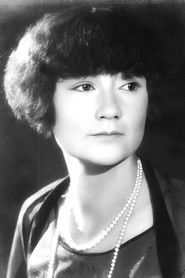 Marcelle CordayMinna
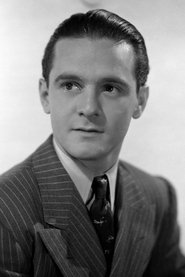 Frankie DarroBoy who dances with Hertha (uncredited)
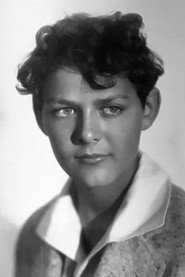 Philippe De LacyLeo as a boy (uncredited)
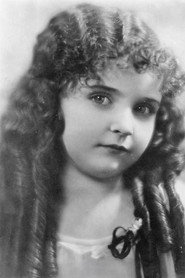 Virginia MarshallHertha as a girl (uncredited)
Directing
- Charles DorianAssistant Director
- Clarence BrownDirector
Writing
- Hermann SudermannNovel
- Benjamin GlazerScreenplay
- Marian AinsleeWriter
Production
- Irving ThalbergProducer
Recommended by
The Temptress, Red Dust, Tattooed Tears, Don Juan, The Exquisite Sinner, The Foreign Legion, Temptation of a Monk, Bride of the Storm, A Man's Mate, Mr. Gaga