
Film
Mr. Gaga
A portrait of Ohad Naharin, the Israeli choreographer who revolutionised modern dance through radical physicality and emotional intensity. The film moves between rehearsal rooms, performance spaces, and Naharin's own reflections, capturing both the ecstasy and discipline of his world. For anyone curious about how art gets made, or why bodies matter.
If you liked this
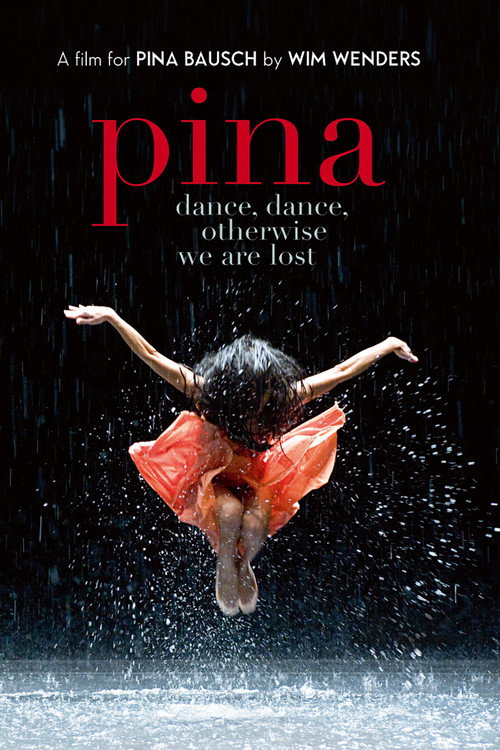
Pina2011
Wim Wenders' film about Pina Bausch's dance company shows another visionary who fused raw emotion with innovative movement. It's gorgeously shot and makes you understand why dance can feel like a language that words can't reach.
But It's a meditation on a deceased artist rather than a traditional narrative, and the 3D cinematography won't appeal to everyone watching it decades later.
La Haine1995
Mathieu Kassovitz captures raw physical energy and emotional intensity in a way that mirrors Naharin's approach to the body. The rhythm and movement through urban space feel choreographed without ever being dainty.
But It's a bleak film about class and racism in French suburbs, and its style can feel dated depending on your tolerance for '90s indie cinema.

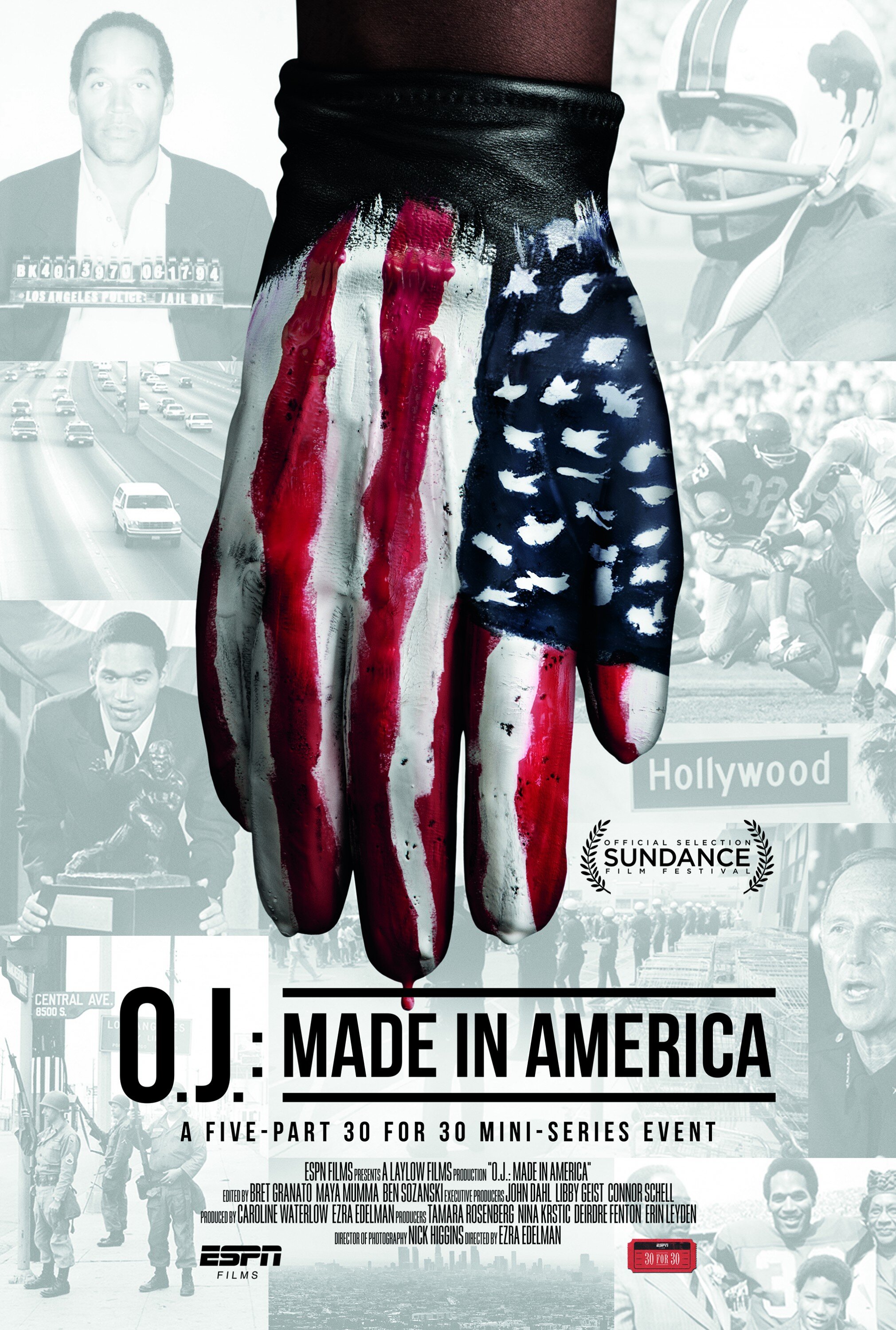
O.J.: Made in America2016
Ezra Edelman's documentary constructs a complete portrait of a complex figure through archival material, interviews, and cultural analysis. It's patient, sprawling, and deeply human about ambition and its costs.
But It's over seven hours long, and requires you to care about American football and celebrity culture to fully engage.
Not sure tonight? Get a pick in a minute, starting from Mr. Gaga
The wildcard
Something you would not have found on your own.
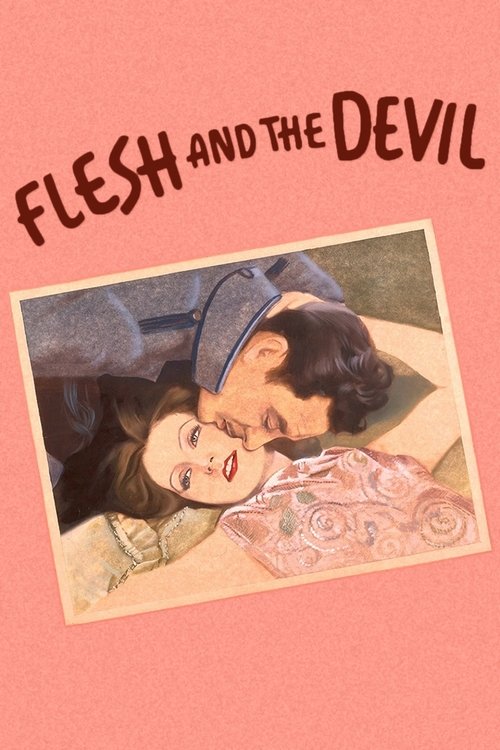
Flesh and the Devil1926
Both Naharin and Dreyer believe the human body is the ultimate instrument for revealing interior truth, and both will make you stop breathing to watch.
Carl Theodor Dreyer's silent film is about bodies, desire, and spiritual intensity expressed entirely through movement and faces. It predates modern dance but captures something essential about how the body communicates what language cannot.
But It's nearly a century old, silent, and requires patient attention to the smallest gestures to understand it.
More like this (6)
Grey Gardens1976
The Maysles' film is an intimate portrait of two reclusive women that reveals character through environment, gesture, and accumulated detail. It's oddly tender and completely mesmerizing.
But It can feel like voyeurism, and some viewers find it uncomfortable watching people in visible decline filmed without intervention.

Synecdoche, New York2008
Charlie Kaufman's film is obsessed with how art consumes life, how a director stages reality, and what it costs to make something true. It has the same intensity and emotional wreckage as Naharin's work.
But It's deliberately fractured and elliptical, and many people find it exhausting rather than enlightening.

The Act of Killing2012
Joshua Oppenheimer's documentary uses performance and re-enactment to confront perpetrators of genocide. It's a radical approach to documentary that mirrors how Naharin uses bodies to express the inexpressible.
But It documents real atrocity and includes violent imagery. Watching it is important but genuinely difficult.

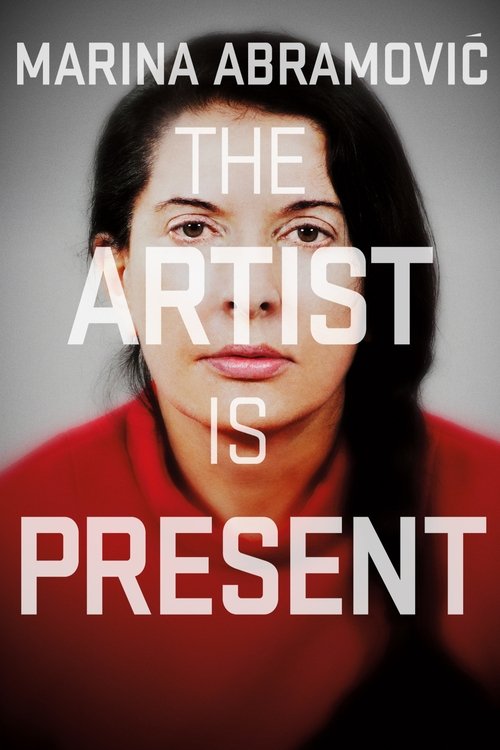
Marina Abramović: The Artist Is Present2012
Another portrait of a visionary artist willing to make their body the medium. It's about presence, vulnerability, and what it means to use yourself as material.
But Abramović's work can read as pretentious, and the film doesn't always push back against that perception.
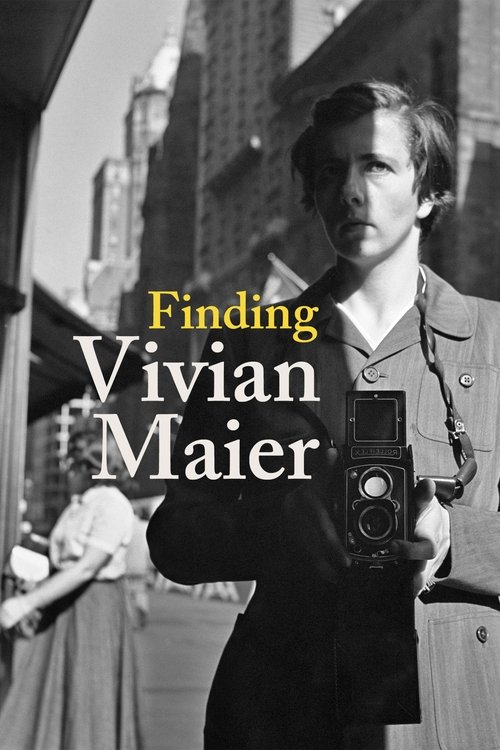
Finding Vivian Maier2014
A mystery about a street photographer whose work was only discovered after her death. It's a good film about artistic obsession and the question of who gets to be remembered as an artist.
But The film occasionally feels like it's asking whether a nanny deserves recognition more than whether her work is actually good.
The Turin Horse2011
Tarr and Naharin both understand that physical repetition and the body's rhythm can express states of being that narrative cannot reach, but Tarr goes to darkness where Naharin finds transcendence.
Béla Tarr's final film is sparse, bleak, and hypnotic. Bodies move through repetition and decay with a kind of choreography that's about exhaustion and what remains when everything else is stripped away.
But It's deliberately punishing—slow, black-and-white, and offers no catharsis or resolution. Many people hate it.

People
Cast
 Ohad NaharinHimself
 Avi BelleliHimself
 Olivia AnconaHerself
- Naomi Bloch FortisHerself
- Gina BuntzHerself
- Sonia D'Orleans JusteHerself
- Judith Brin IngberHerself
- Mari KajiwaraHerself
- Tami LotanHerself
- Eldad MannheimHimself
- Eliav NaharinHimself
- Yair TamirHimself
Directing
- Tomer HeymannDirector
Writing
- Tomer HeymannWriter
Production
- Barak HeymannProducer
- Diana HoltzbergProducer