
Film
Temptation of a Monk
A Tang dynasty general retreats to a monastery after political treachery costs him everything—crown prince, princess, army. There he grapples with desire, duty, and whether redemption means renunciation or something harder. Shot with painterly restraint, it trades military spectacle for spiritual reckoning, asking what a man becomes when the world strips away his power.
Should you watch it?
Watch it if you love films where spiritual stillness and visual beauty carry as much weight as swordplay, and where colour itself quietly tells the story.
Skip it if you need a brisk plot and sustained action, since long stretches are contemplative and the monastery talk can feel like a lecture delivered at a sleepy pace.
What it asks of you: A little under two hours, deliberate in rhythm, moving from fierce, bloody bouts to long hushed passages; attention pays off in the images.
Not sure? Find tonight's pick in a minute.
If you liked this
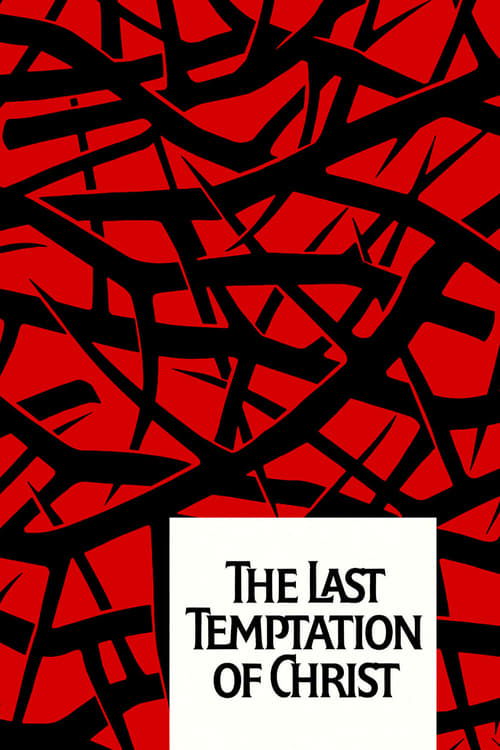
The Last Temptation of Christ1988
Scorsese's provocative meditation on faith, doubt, and flesh. Like Temptation of a Monk, it uses sensual imagery to interrogate whether renunciation is enlightenment or evasion, and asks what holiness costs.
But Scorsese's Christ is agonized and uncertain rather than serene. The film moves like theology, not narrative—long, digressive, sometimes glacial.
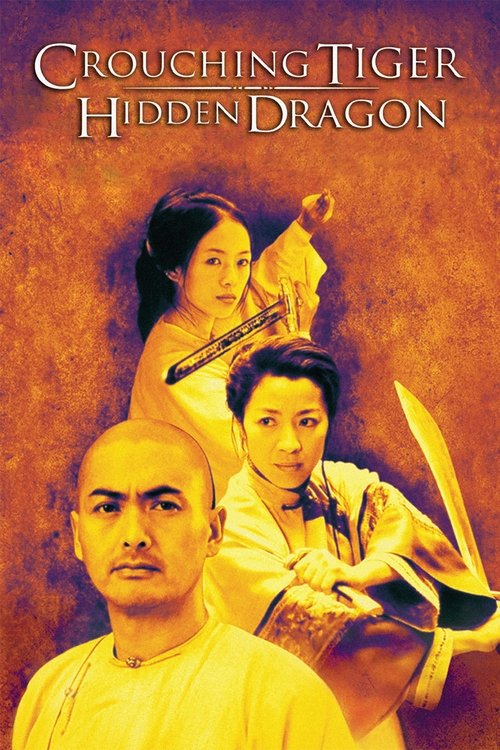
Crouching Tiger, Hidden Dragon2000
Ang Lee's wuxia masterpiece about honor, desire, and the impossible compromises between duty and the heart. Like this film, it finds profound emotion in restraint and uses martial arts as moral language.
But The action is balletic and philosophical rather than visceral. If you want kinetic thrills, the meditative pacing will test your patience.
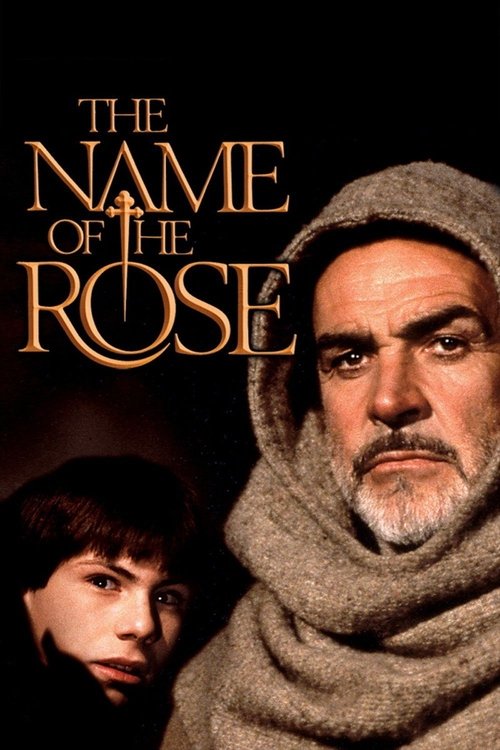
The Name of the Rose1986
Umberto Eco's monastery mystery, dense with faith, politics, and the seduction of knowledge. Both films use cloistered settings to explore what men want when they're supposedly beyond wanting.
But It's scholastic and labyrinthine. You need to concentrate, and the payoff is intellectual rather than cathartic.
Not sure tonight? Get a pick in a minute, starting from Temptation of a Monk
The wildcard
Something you would not have found on your own.
Ikiru1952
Both are about transformation through acceptance rather than action. Both suggest that peace comes not from solving the world but from stopping the fight against it.
Kurosawa's masterpiece about a dying bureaucrat who discovers meaning only when time runs out. Like Temptation of a Monk, it's about a man learning to live after accepting loss—but it reaches that wisdom through the mundane, not the mystical.
But Post-war Tokyo, paperwork, and bureaucratic futility aren't exotic. It's quiet to the point of austere, and its humanistic answer may feel thin to those wanting transcendence.

More like this (7)
Red Cliff2008
John Woo's epic about divided loyalties during China's Three Kingdoms. It shares Temptation's interest in generals caught between honor and survival, and between the red of war and the possibility of peace.
But It's a two-part, four-hour commitment. Even then, Woo's dialogue occasionally tilts toward melodrama.
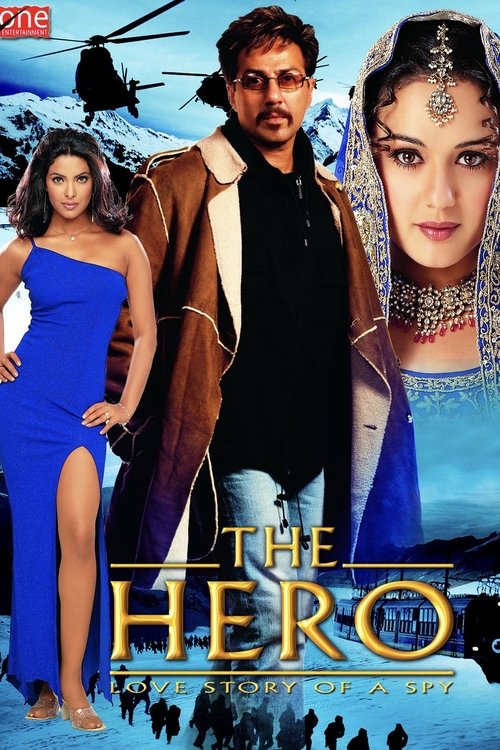
The Hero: Love Story of a Spy2003
Taiwanese spy thriller about a man torn between country and conscience. Like Temptation of a Monk, it treats betrayal and isolation with gravity, and finds tragedy in duty fulfilled.
But The pacing is deliberate and the ending offers no easy comfort. Some will find it bleak rather than noble.
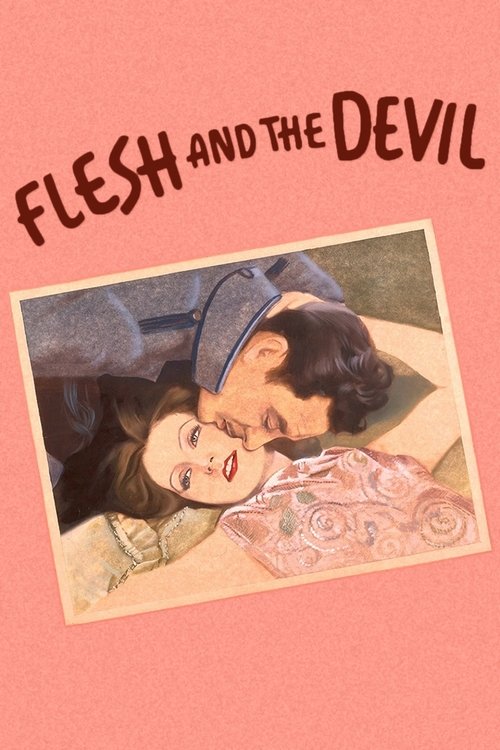
Flesh and the Devil1926
Silent Greta Garbo film about lust and redemption in a monastery setting. Century old, but it shares the film's fascination with how desire undoes spiritual resolve.
But It's a relic—acting styles and pacing are utterly of their era. Subtitles, no score on many prints.
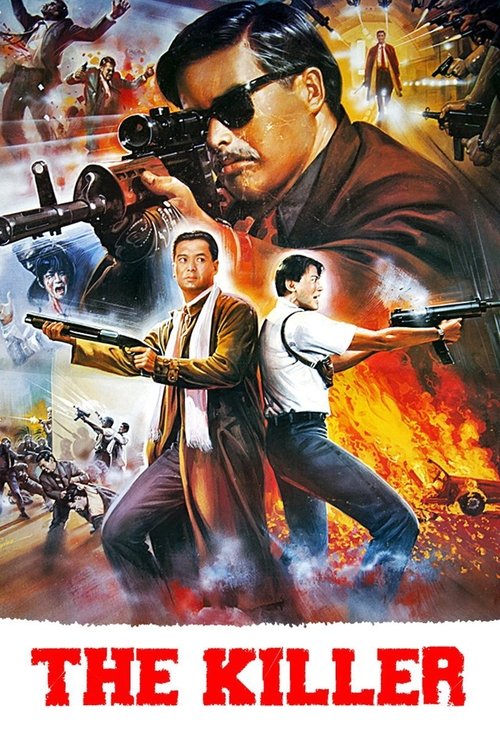
The Killer1989
John Woo's Hong Kong masterpiece: a hitman seeks redemption through faith. Like Temptation, it's about a man trying to become someone other than what violence has made him.
But It's operatic and sentimental in ways modern action films aren't. The philosophy can feel overwrought.
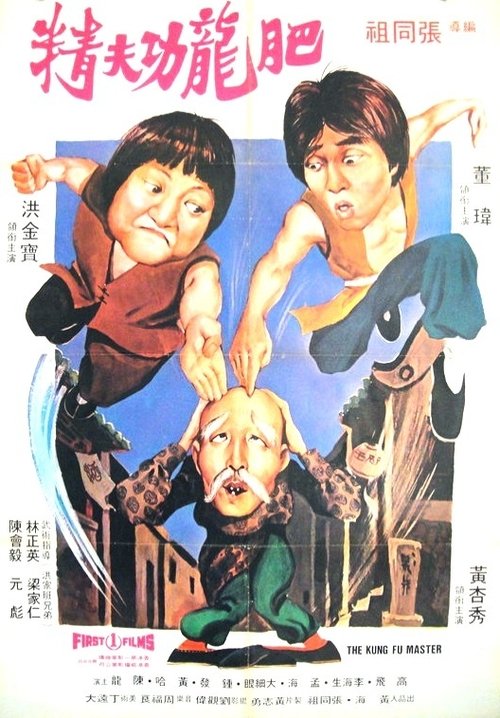
The Incredible Kung Fu Master1979
A student seeks instruction from an aging master. Both films are interested in what a teacher can give a student who's already broken—and whether healing is possible.
But It's episodic and loose, almost shaggy. There's no plot engine, just scenes of gradual transformation.
Stalker1979
Both films use travel through difficult terrain as spiritual metaphor. Both suggest that the real journey is internal, and that what we thought we wanted isn't what saves us.
Tarkovsky's science-fiction pilgrimage. A guide escorts two men through a mysterious zone toward a room that grants wishes. It's visually hypnotic, philosophically dense, and asks what we actually want when we're honest.
But It's 163 minutes of deliberate shots, long silences, and metaphysical argument. Tarkovsky makes you work; there's no spectacle to coast on.

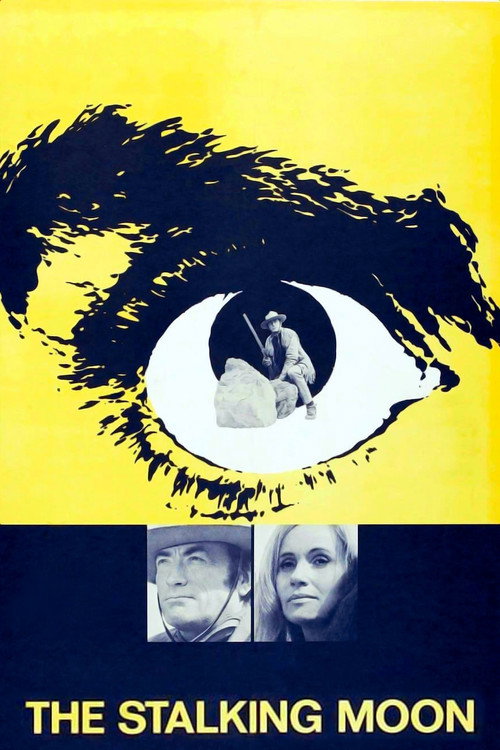
The Stalking Moon1968
Both feature men who retreat from the world's violence only to discover they carry it within them. Both ask whether peace is ever truly possible for those baptized in blood.
Stark Western: an Apache scout retires from war, adopts a white woman and child, but can't escape violence. Gregory Peck's weathered face carries the weight of a man trying to become someone new and failing. Temptation of a Monk in frontier syntax.
But It's bleak and slow, with a ending that offers no redemption. The politics of its treatment of Native Americans show their era. Peck's stoicism isn't for everyone.
People
Cast
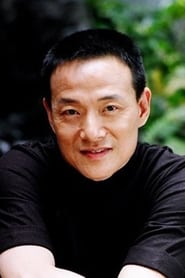 Wu Hsing-GuoGeneral Shi Yan-sheng / Jing-yi
 Joan ChenPrincess Hong-e - Scarlet / Qing-shou - Violet
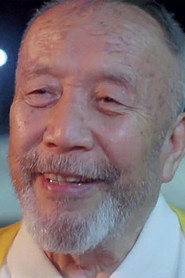
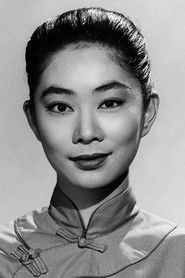 Lisa LuShi's Mother
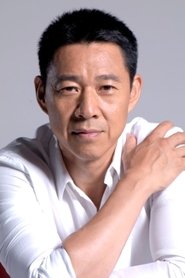 Zhang FengyiGeneral Huo Da
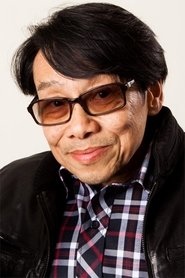 Teddy RobinSoldier
Directing
- Eddy Yeung Kwok-WaiAssistant Director
- Lo Chi-LeungAssistant Director
- Ma Bo-SanAssistant Director
- Matthew Tang Hon-KeungAssistant Director
- Zhang YanjiaAssistant Director
- Clara LawDirector
Writing
- Lilian Lee Bik-WahNovel
- Eddie Fong Ling-ChingScreenplay
- Lilian Lee Bik-WahScreenplay
Production
- Eddie Fong Ling-ChingAssociate Producer
- Lilian Lee Bik-WahAssociate Producer
- Teddy RobinProducer
- Stephen Lam Bing-KwanProduction Coordinator
- Cheung Chi-KwongProduction Manager
- Chi Nai-LiangProduction Manager
- Fong Chi-HoProduction Manager
- Xu JianpingProduction Manager