
Film
Red Cliff
John Woo's sweeping epic about the Battle of Red Cliff (208 A.D.) transforms a legendary Chinese conflict into a visceral spectacle of strategy, honour, and impossible odds. It's painterly and operatic, stuffed with elaborate set-pieces and moments of genuine human connection amid the chaos. For anyone who loves ambitious historical cinema or wants to see what happens when a master action director has a massive budget and a story he believes in.
Should you watch it?
Watch it if you love big historical battle epics where strategy, rivalry and wily diplomacy matter as much as the spectacle, and you enjoy watching clever minds outmaneuver each other across a sprawling canvas.
Skip it if you want a tight, fast story; this one spends long stretches on council tents, troop movements and political bargaining before the large-scale fighting arrives.
What it asks of you: Settle in for well over two hours of patience, with slow scenes of planning and talk giving way to sweeping, muddy set pieces. It rewards attention more than it rewards quick cuts.
Not sure? Find tonight's pick in a minute.
If you liked this
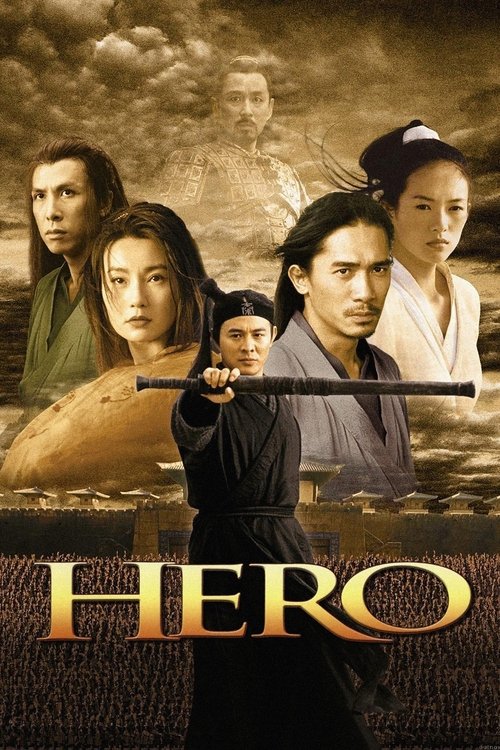
Hero2002
Zhang Yimou's colour-drenched martial epic about competing assassins in ancient China. Like Red Cliff, it treats historical legend as high art, with combat choreography that moves like dance and a visual language that's almost religious in its intensity.
But The philosophical monologuing can feel remote. Some find its meditation on duty and sacrifice intellectually interesting but emotionally cold.
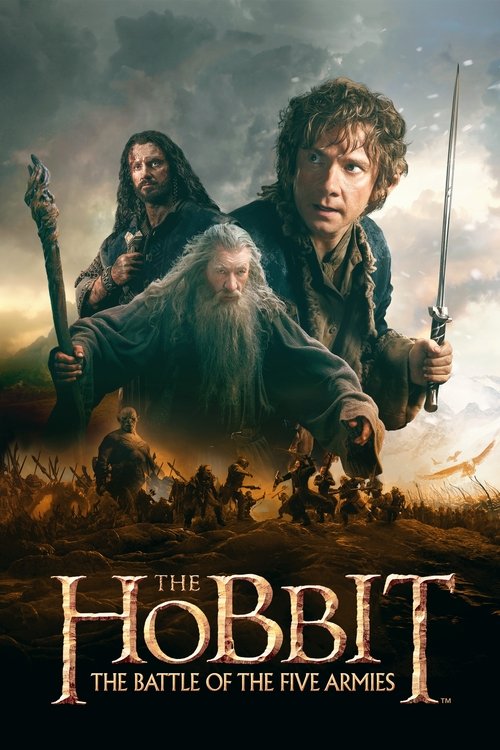
The Hobbit: The Battle of the Five Armies2014
Peter Jackson's final Hobbit film understands what Red Cliff does: that huge-scale warfare can be thrilling when you care about the people in it and understand the stakes. Sweeping geography, intimate moments, genuine peril.
But It's the third film in a trilogy, so there's baggage. And at 144 minutes, it's long even for those who love the Hobbit films.
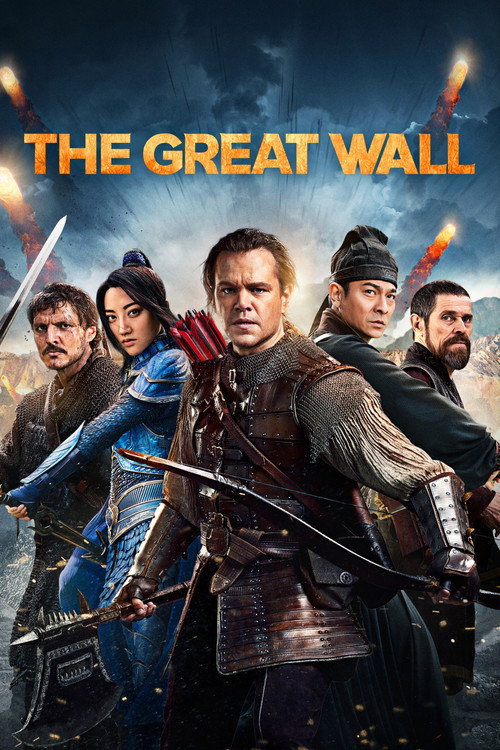
The Great Wall2016
Zhang Yimou reunites with Matt Damon for another lavishly-choreographed historical action film with a unified enemy and impossible odds. If you want that same sense of armies moving like organisms across a landscape, this delivers it.
But It's a Matt Damon-in-China film that feels caught between markets. The tonal whiplash between spectacle and character moments doesn't always land.
Not sure tonight? Get a pick in a minute, starting from Red Cliff
The wildcard
Something you would not have found on your own.
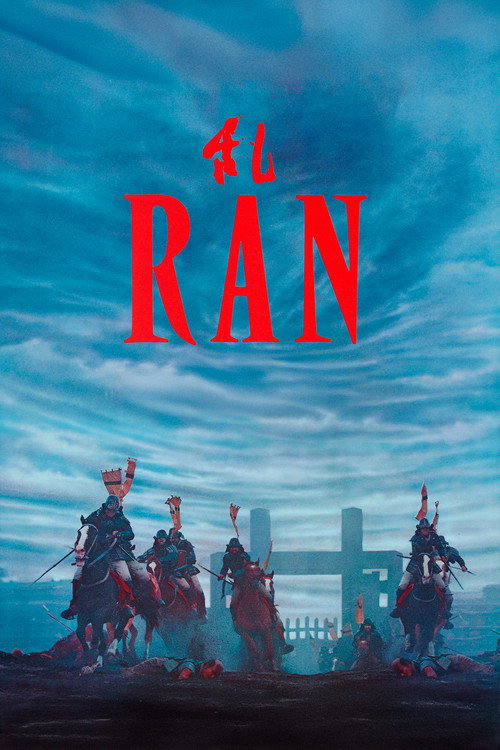
Ran1985
Both use historical settings to explore power, loyalty, and the collision between personal honour and military necessity. But where Red Cliff plays toward spectacle, Ran turns inward—it's about what ambition costs, not what it conquers.
Kurosawa's Shakespeare-in-feudal-Japan adaptation (King Lear reimagined) is what Red Cliff reaches toward but rarely achieves: the intersection of private devastation and public catastrophe. An old man's rage becomes a nation's ruin. Transcendent.
But Nearly three hours, in Japanese, with a soundtrack that can feel dated. Kurosawa's visual language, while influential, demands patience from modern viewers.
More like this (8)
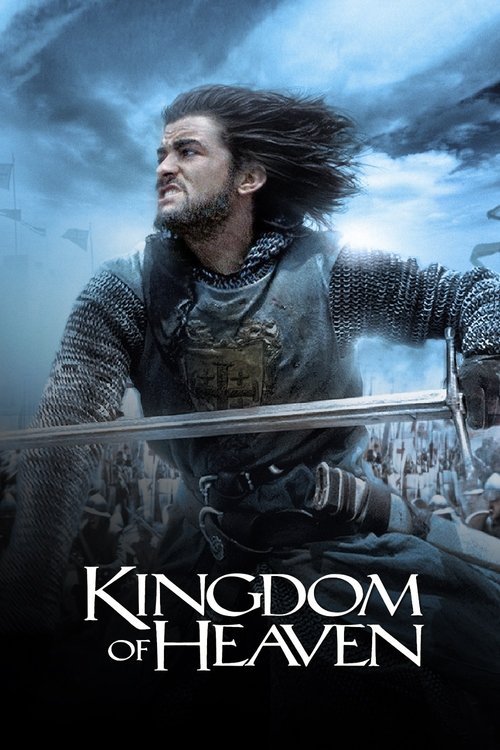
Kingdom of Heaven2005
Ridley Scott's uncut director's cut (and this matters) is a thoughtful crusade epic that finds humanity in opposing sides. Like Red Cliff, it's about an impossible alliance, faith tested, and the weight of command. Genuinely moving.
But Nearly three hours. The theatrical cut is a choppy mess, so you need the long version. Some find Bloom's performance too mild for the role.
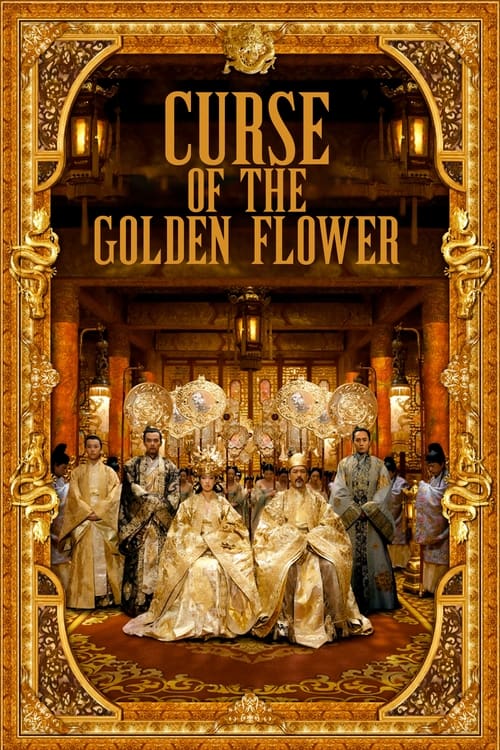
Curse of the Golden Flower2006
Zhang Yimou again, this time with Chow Yun-fat in a Tang Dynasty intrigue story. Less battle-heavy than Red Cliff but equally obsessed with visual gorgeousness, betrayal, and the corrosive effect of power on families.
But The plot turns melodramatic. If you're watching for the spectacle rather than the emotional core, the soap-opera elements might frustrate you.
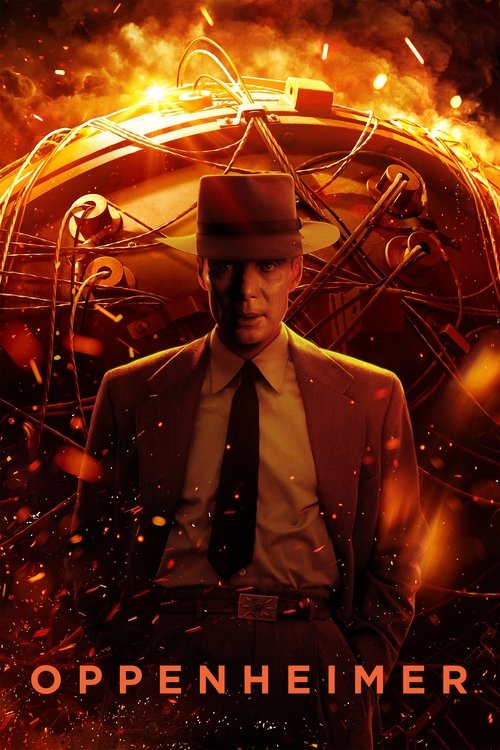
Oppenheimer2023
A three-hour immersive epic that proves blockbuster filmmaking can mean psychological depth as much as explosions. Like Red Cliff, it's a portrait of brilliant people grappling with the consequences of their own genius and power.
But It's a talky film with complex physics and political machinery. If you want action and spectacle over intellectual wrestling, look elsewhere.
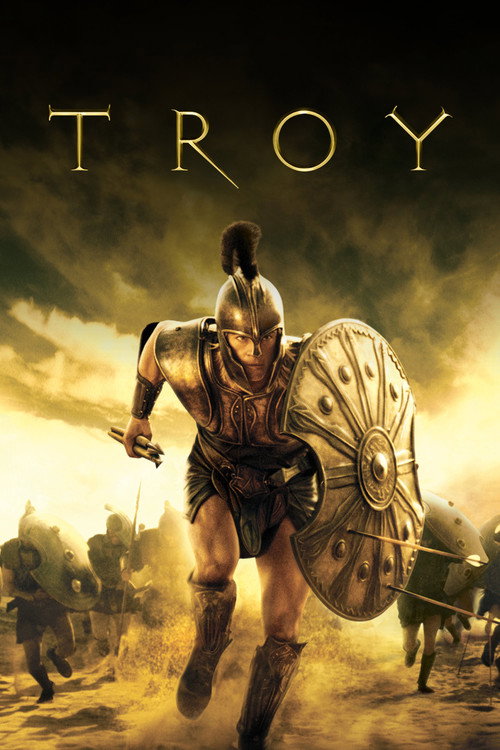
Troy2004
Wolfgang Petersen's Trojan War film has the same muscular earnestness about ancient conflict. Hector and Achilles' final duel has the weight and ritual that Red Cliff brings to its set-pieces. Brad Pitt as a warrior poet.
But The pacing sags in the middle. Some scenes feel bloated, and the dialogue can tip into unintentional comedy.
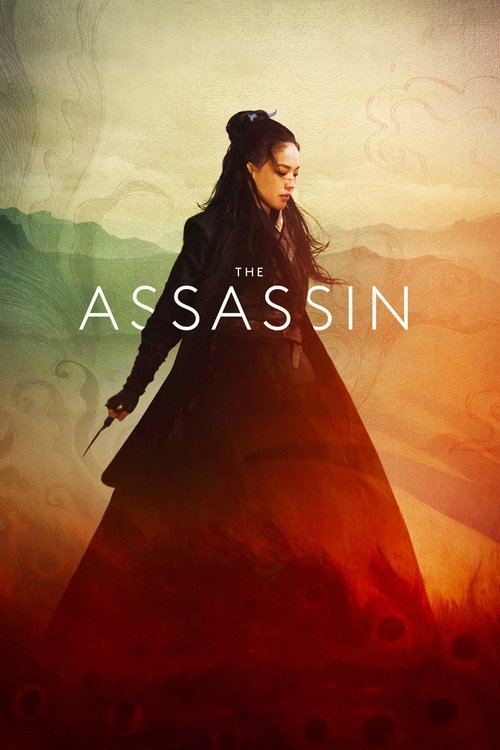
The Assassin2015
Hou Hsiao-hsien's Tang Dynasty assassination tale moves like a poem. Slower and stranger than Red Cliff, but if you want to see what's possible when you trust your audience and let scenes breathe, this is essential.
But It's deliberately paced to the point of stasis. Some will find it glacial, and there's almost no action in the conventional sense.
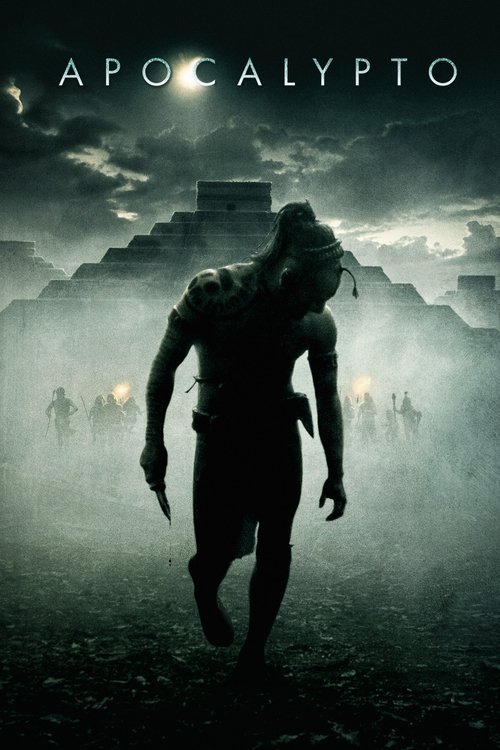
Apocalypto2006
Mel Gibson's Mayan jungle epic has Red Cliff's commitment to visceral action and moral complexity. A chase film, but one that respects both the hunter and the hunted, and finds humanity in conflict.
But Gibson's behind the camera, which carries baggage for many viewers. And the violence is graphic—this is not popcorn entertainment.
Come and See1985
Both center on warfare and human cost, but Come and See refuses aesthetics. Where Red Cliff finds nobility in conflict, this finds only waste. They're opposite answers to the same question: what does battle do to people?
Elem Klimov's Soviet WWII film about a boy soldier sees war not as strategy or heroism but as apocalypse. If you want to understand what Red Cliff's beautiful carnage is really about—the obliteration of innocence—this is the counterweight.
But It is genuinely difficult to watch. Not for entertainment or catharsis, but because it insists you witness suffering without looking away. One of cinema's most harrowing films.

The Ballad of Little Jo1993
Both examine loyalty, alliance, and transformation during violent periods. But where Red Cliff places you in the thick of armies, this film finds you alone on a frontier with only choices and consequence.
Maggie Greenwald's overlooked Western about a woman passing as a man in the 19th-century frontier. It shares Red Cliff's interest in people choosing sides in impossible circumstances, but strips away spectacle to focus on survival and identity. Quietly radical.
But It's small and austere compared to what you'd expect. Shot in muted colours, deliberately paced, it asks you to sit with discomfort rather than thrill at it.

People
Cast
 Tony Leung Chiu-waiZhou Yu
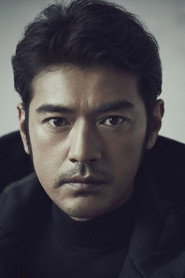 Takeshi KaneshiroZhu Ge Liang
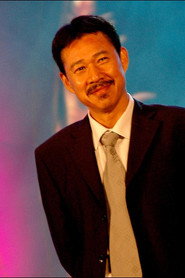 Zhang FengyiCao Cao
 Chang ChenSun Quan
 Zhao WeiSun Shang Xiang
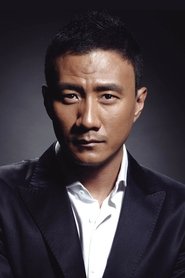 Hu JunZhao Yun
 Shido NakamuraGan Xing
 Lin Chi-lingXiao Qiao
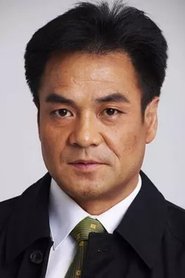 You YongzhiLiu Bei
 Hou YongLu Su
 Tong DaweiSun Shu Cai
 Song JiaLi Ji
Directing
- John WooDirector
- Wong Fei-FeiSecond Assistant Director
- Zhang YangSecond Assistant Director
Writing
- Luo GuanzhongNovel
- Chan HonScreenplay
- John WooScreenplay
- Kuo ChengScreenplay
- Sheng HeyuScreenplay
Production
- Annie WooExecutive Producer
- Hongshi LuExecutive Producer
- Hu XiaofengExecutive Producer
- Xiaoei HanExecutive Producer
- Xu PengleExecutive Producer
- Hu XiaofengLine Producer
- Rick NathansonLine Producer
- Chin-Wen HuangProducer
- Han SanpingProducer
- He BingProducer
- Jiang TaoProducer
- Jianqiu WangProducer
- Jianshai XuProducer
- John WooProducer
- Kim Woo-taekProducer
- Lori TilkinProducer
- Max MatsuuraProducer
- Ren ZhonglunProducer
- Shi DongmingProducer
- Shoucheng YangProducer
- Sirena LiuProducer
- Terence ChangProducer
- Todd WeingerProducer
- Wu KeboProducer
- Yan XiaomingProducer
- Yu DongProducer
- Zhan TengProducer
- Zhang QiangProducer
- Zilong GuoProducer
- Wang WeiProduction Director
Recommended by
Hero, Mulan: Rise of a Warrior, Curse of the Golden Flower, Reign of Assassins, Magnificent Warriors, The Warlords, The Hidden Sword, Temptation of a Monk, Let the Bullets Fly, Bodyguards and Assassins