
Film
Hero
Zhang Yimou's wuxia epic tells the same assassination story four times, each version drenched in a different colour and a different set of loyalties, until the truth (and the politics behind it) finally clicks into place. It's less about fight choreography than about who gets to write history — though the fights, choreographed by Tony Ching, are extraordinary. Gorgeous, meditative, unashamedly operatic.
If you liked this
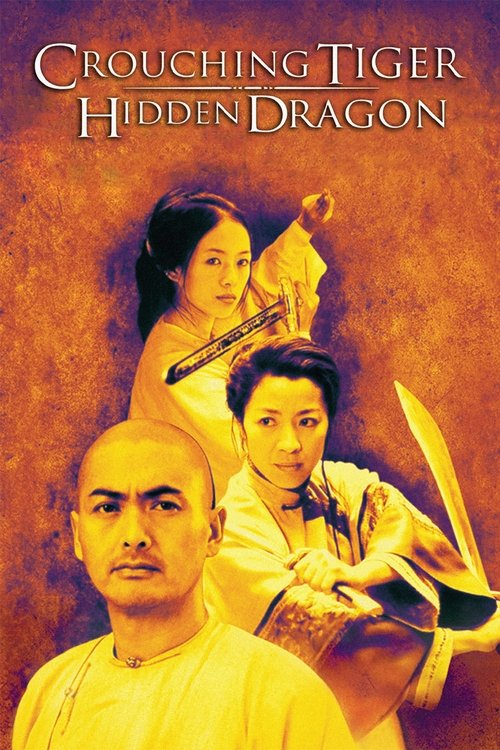
Crouching Tiger, Hidden Dragon2000
The film that made Western audiences fall for wuxia, with Ang Lee's aching romance and Yuen Woo-ping's weightless swordplay. If Hero's visual grandeur hooked you, this is the essential next step.
But Its melancholy, restrained romance plays much slower than Hero's punchy structure — patience required.
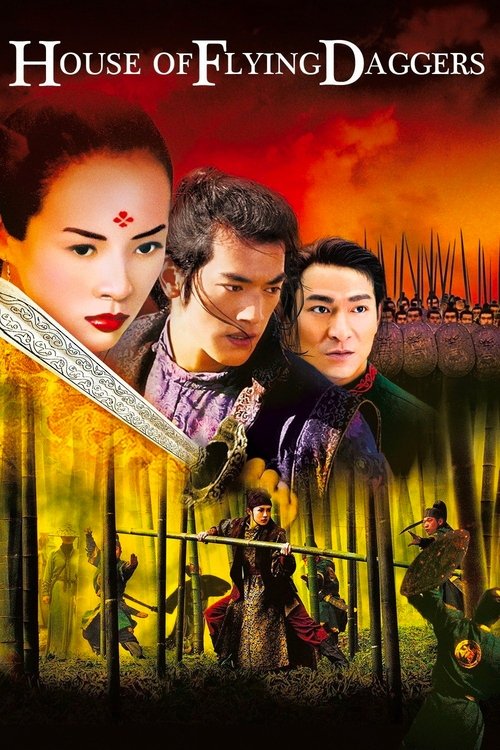
House of Flying Daggers2004
Zhang Yimou again, same cinematographer, even more saturated colour and a bamboo-forest fight that rivals anything in Hero. A tragic love triangle wrapped in silk and blades.
But Leans harder into melodrama than Hero, and the plot twists can feel more convenient than earned.
Curse of the Golden Flower2006no page yet
Zhang Yimou's third leg of this loose trilogy, trading swordplay for palace intrigue — a poisonous family drama dressed in the most opulent production design you'll see this decade.
But Much less action than Hero; it's closer to Shakespearean tragedy than martial arts spectacle.
The wildcard
Something you would not have found on your own.
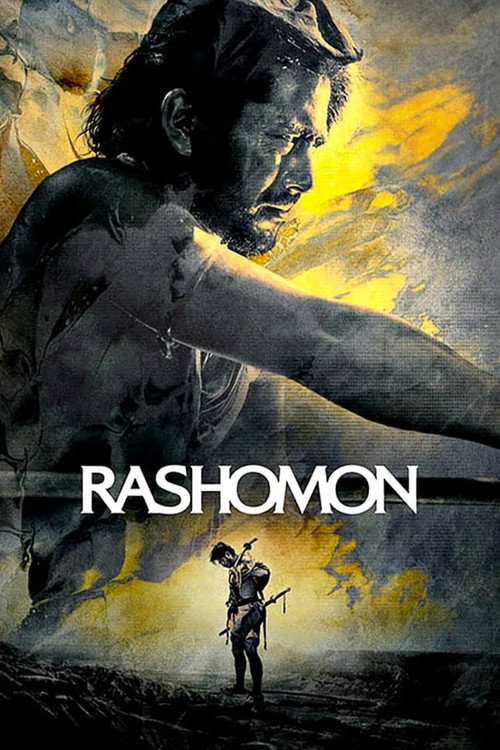
Rashomon1950
Hero's entire four-version structure is a direct descendant of Rashomon's unreliable-narrator device, decades before wuxia adopted it.
Kurosawa's black-and-white classic invented the trick Hero borrows wholesale: the same crime retold by different witnesses, each version self-serving, until truth becomes almost beside the point.
But No swordplay spectacle here — it's a courtroom-adjacent chamber piece, talky and philosophical rather than visually dazzling.
More like this (8)
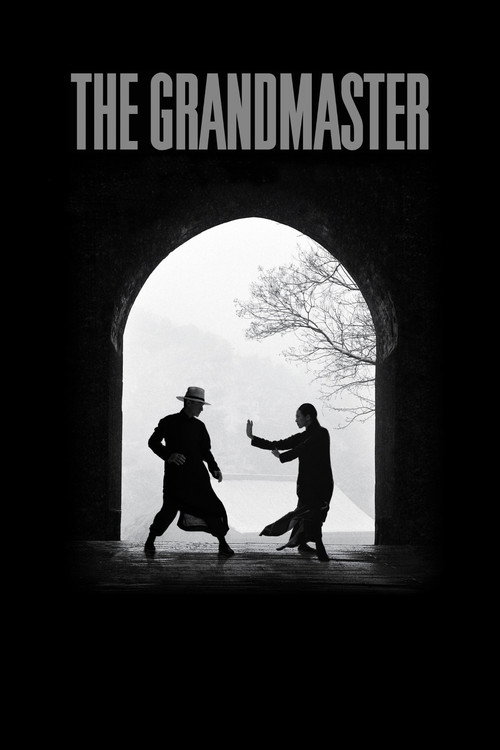
The Grandmaster2013
Tony Leung again, this time as Ip Man, in Wong Kar-wai's fractured, painterly take on martial arts biography — gorgeous slow-motion violence and heartbreak in equal measure.
But Wong Kar-wai's editing is elliptical and non-linear; some viewers find the storytelling frustratingly oblique.
Red Cliff2008no page yet
John Woo's colossal Three Kingdoms battle epic gives you the scale Hero only gestures at — full armies, naval warfare, and Woo's signature elegant chaos.
But It's a much longer, more conventional war epic with far less of Hero's intimate, puzzle-box structure.
Ashes of Time1994no page yet
Wong Kar-wai's earliest stab at wuxia, dreamlike and mournful, with swordsmen who talk more about lost love than they fight. A cult favourite for a reason.
But Deliberately opaque and moody — this is arthouse wuxia, not crowd-pleasing spectacle.
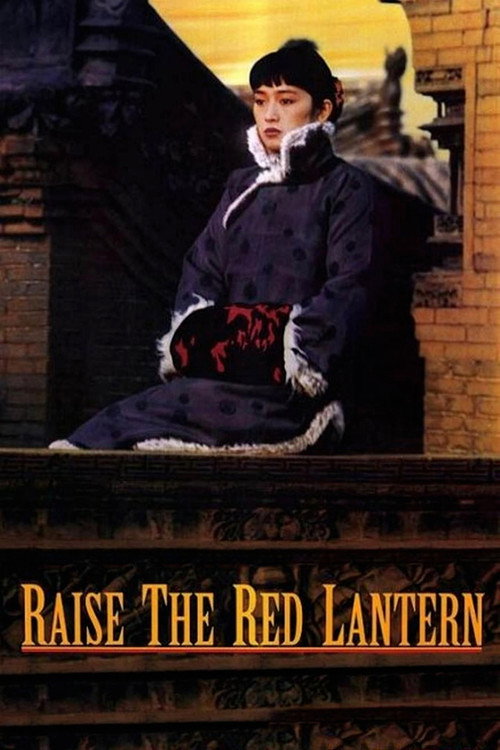
Raise the Red Lantern1991
Zhang Yimou before the action era, using colour and composition just as rigorously to tell a quieter, devastating story of concubines trapped in a rigid household.
But No martial arts at all — if you came for the fights, this offers none, only slow-burning tragedy.
The Assassin2015no page yet
Hou Hsiao-hsien's austere, painterly wuxia strips the genre down to silence and stillness, letting single glances carry more weight than any sword fight.
But Glacially paced and narratively withholding; several viewers find it beautiful but nearly impenetrable.
The Warrior2001no page yet
A brutal, dust-caked Korean historical epic about a stranded escort caught between empires — less poetic than Hero, but just as ambitious in scope and body count.
But Grittier and far more violent, with none of Hero's stylised elegance or colour symbolism.
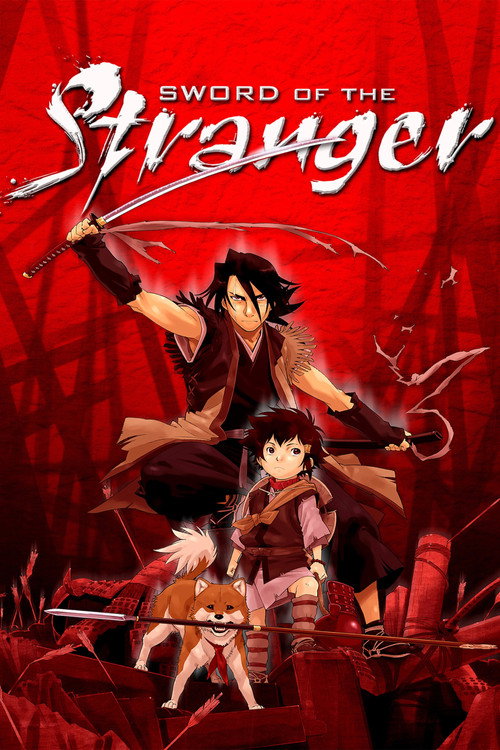
Sword of the Stranger2007
Same engine, different costume: honour-bound swordsmen and political betrayal, but animation lets the violence hit harder and rawer than any wire-fu.
A gorgeously animated samurai film with fight choreography so fluid it rivals live action — a masterless swordsman, a hunted boy, and blades that actually look like they could kill.
But It's anime, which some viewers rule out on sight, and the emotional register is far blunter and bloodier than Hero's.
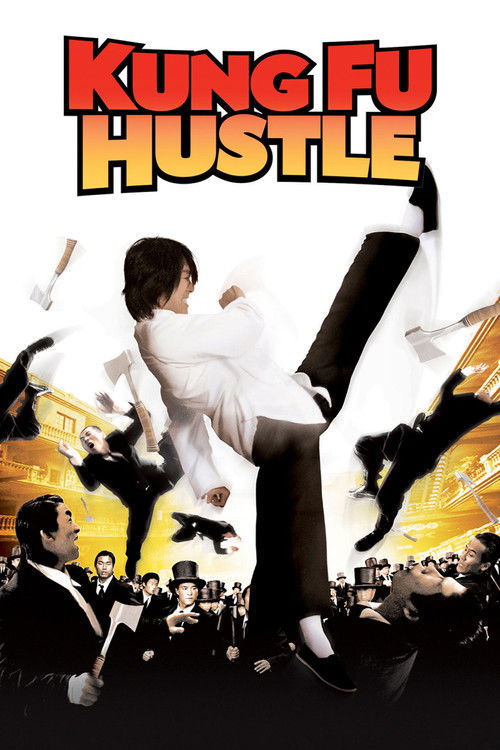
Kung Fu Hustle2004
It uses the same colour-coded, gravity-defying fight choreography lineage as Hero, but strips out the tragedy to reveal how absurd the moves always kind of were.
Stephen Chow takes the exact wire-fu vocabulary Hero treats with reverence and turns it into slapstick anarchy — cartoonish, gleeful, and secretly a loving tribute to the genre's grammar.
But Deliberately silly and broad; if you want Hero's solemnity, this comic register will feel like a joke at its expense.
People
Cast
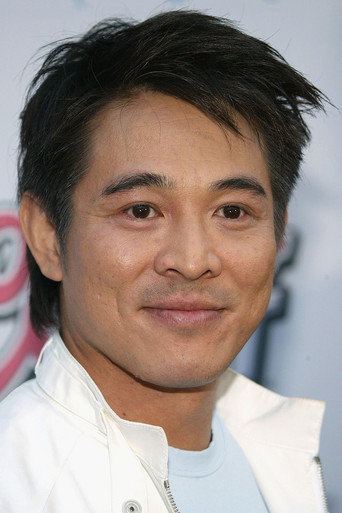 Jet LiNameless
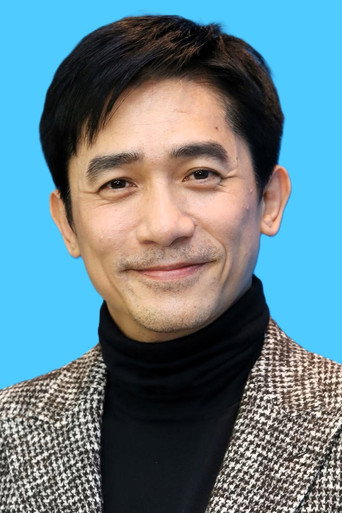 Tony Leung Chiu-waiBroken Sword
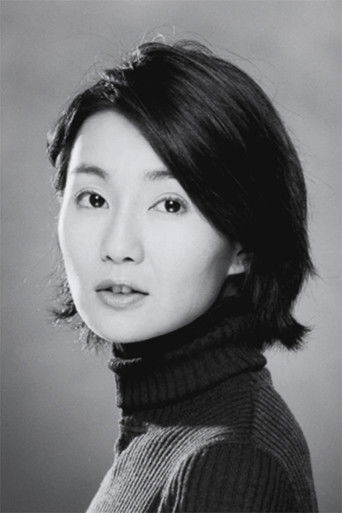 Maggie CheungFlying Snow
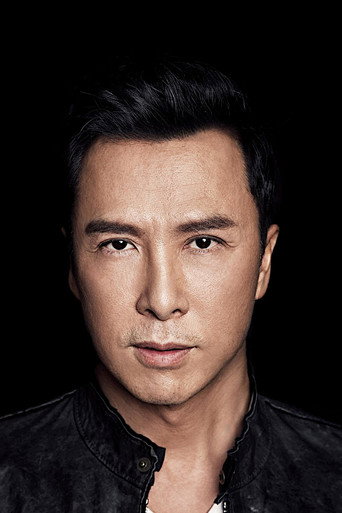 Donnie YenSky
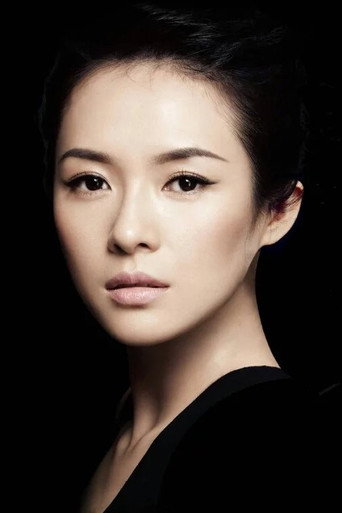 Zhang ZiyiMoon
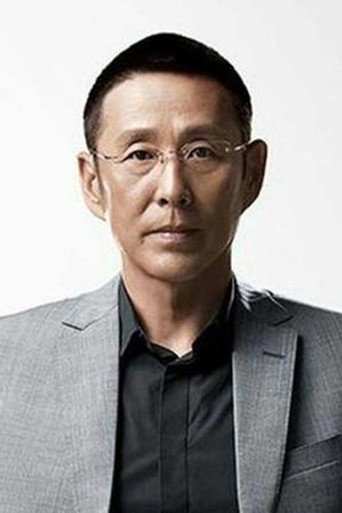 Chen DaomingKing of Qin
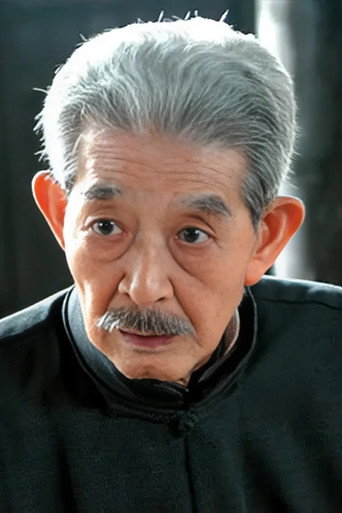 Liu ZhongyuanOld Scholar
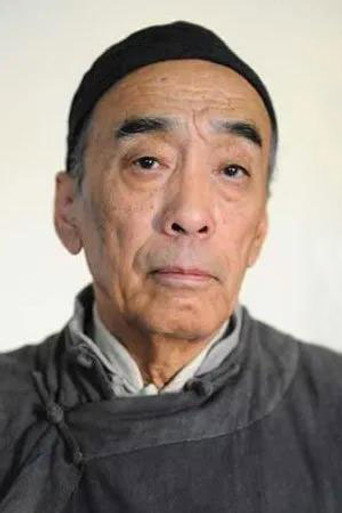 Zheng TianyongOld Servant
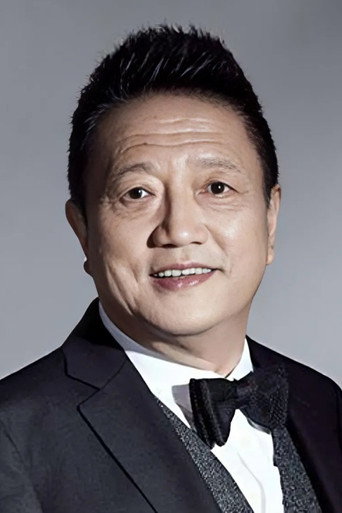 Qin YanPrime Minister
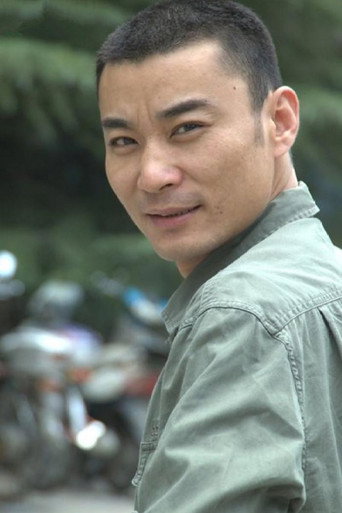 Zhang YakunThe Qin Guards' Commander
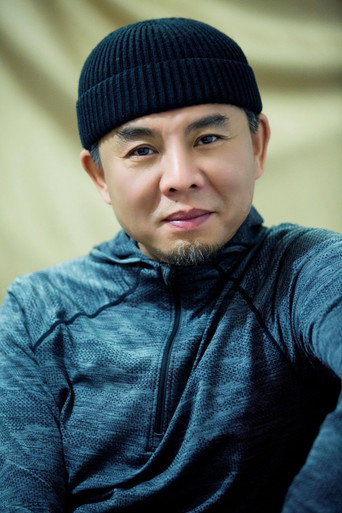 Chang Xiao YangGeneral
 Jin MingEunuch
Directing
- Zhang YimouDirector
Writing
- Feng LiScenario Writer
- Feng LiWriter
- Wang BinWriter
- Zhang YimouWriter
Production
- Quentin TarantinoExecutive Producer
- Shoufang DouExecutive Producer
- Zhang WeipingExecutive Producer
- Philip LeeLine Producer
- Bill KongProducer
- Zhang YimouProducer
- Zhang ZhenyanProducer
Recommended by
Rashomon, Sword of the Stranger, Crouching Tiger, Hidden Dragon, House of Flying Daggers, The Grandmaster, Blue Eye Samurai, Word of Honor