
Film
The Warrior
A Korean warrior epic set in 1375, following exiled soldiers navigating political turmoil between dying empires. Visually sumptuous and methodical, it trades typical action heroics for moral ambiguity and quiet character study. For viewers who want historical drama with real weight and don't need constant momentum.
If you liked this
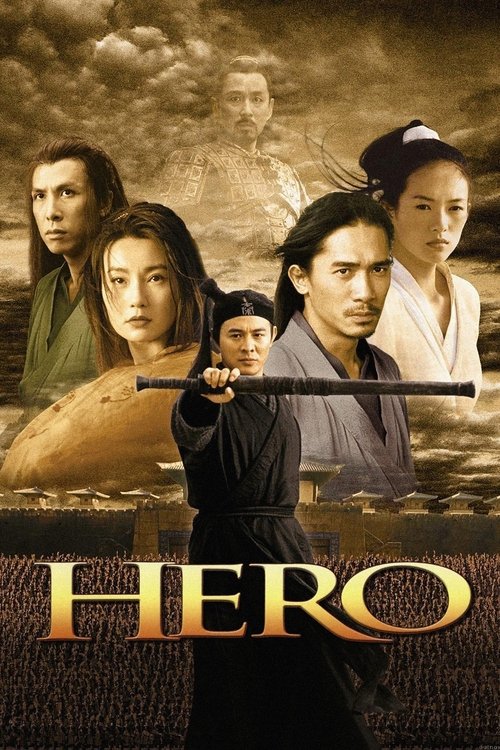
Hero2002
Zhang Yimou's painterly martial arts masterpiece about assassins and emperors. Like *The Warrior*, it uses colour and composition as narrative, privileging visual storytelling over exposition and spectacle over noise.
But The philosophical framework can feel remote. Some find the film's meditative pacing—and its moral conclusions—frustratingly distant.
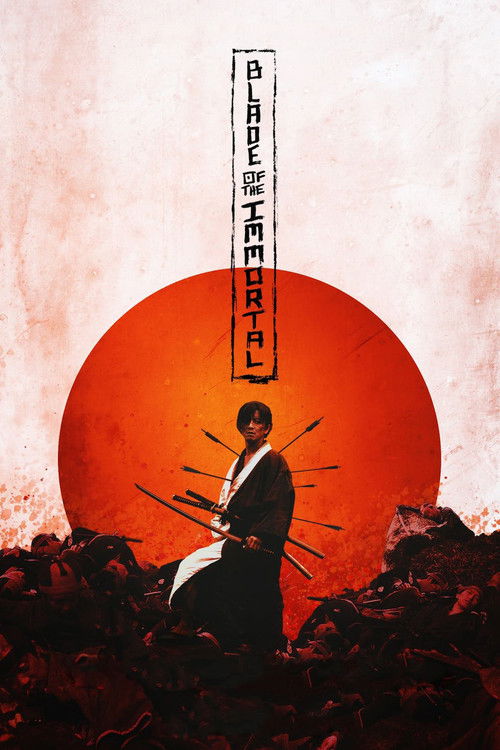
Blade of the Immortal2017
Takashi Miike's deliberate samurai saga about aging warriors facing obsolescence. Both films interrogate what happens when violent men outlive their usefulness, and both move with unusual patience through their length.
But Deliberately episodic structure means it can feel baggy. The quieter passages will test your attention span.
A Prophet2009
Jacques Audiard's prison drama about a young man's transformation through observation and alliance-building. Like *The Warrior*, it's fascinated by how survival demands becoming someone else, and how that costs you.
But It's set in a French prison rather than a desert, and the genre is crime rather than historical. The tonal shift might feel abrupt if you want continuity with the original.

Not sure tonight? Get a pick in a minute, starting from The Warrior
The wildcard
Something you would not have found on your own.
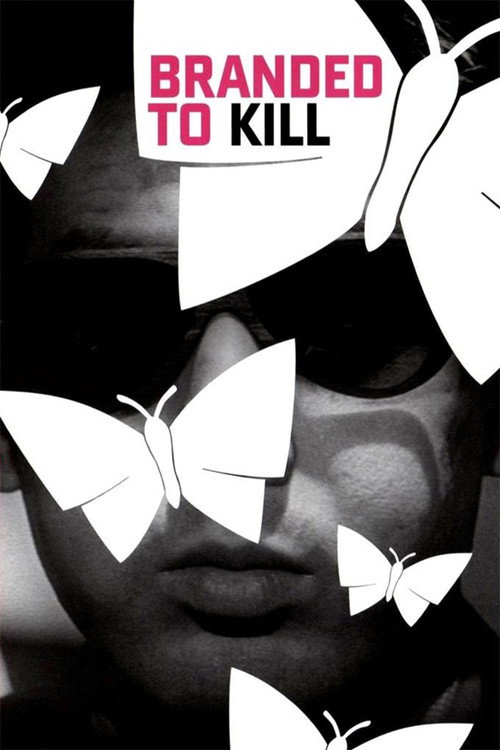
Branded to Kill1967
Both centre exiled men grappling with their own expendability through fractured, deliberately paced narratives; both use the margins of empire as a space for philosophical reckoning.
Seijun Suzuki's psychedelic yakuza film about an aging assassin no longer useful to his masters. The narrative and moral preoccupations are *The Warrior*'s own—obsolescence, loyalty, identity collapse—but filtered through 1960s avant-garde cinema and visual derangement.
But The style is deliberately disorienting. Surrealist editing, jarring colour, and a non-linear structure will alienate anyone wanting coherent storytelling.
More like this (8)
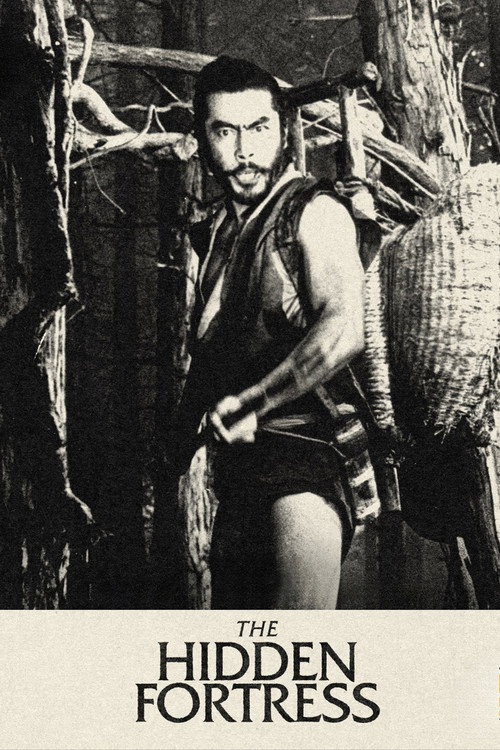
The Hidden Fortress1958
Kurosawa's period adventure about a general and a samurai protecting a princess through enemy territory. The template for everything *The Warrior* does: spectacle grounded in character, humour without undercutting stakes, and a journey that changes everyone.
But It's from 1958 and moves at a deliberate pace by modern standards. The print quality varies depending on where you find it.
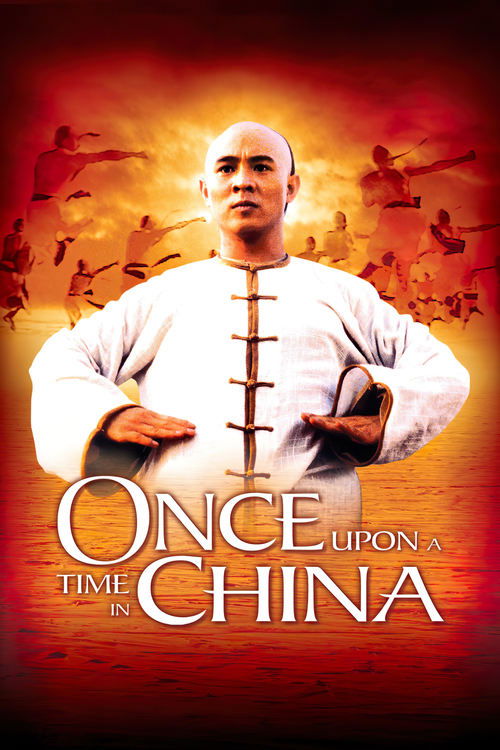
Once Upon a Time in China1991
Tsui Hark's martial arts film balances action, history, and character development with real finesse. Like *The Warrior*, it respects both the genre conventions and the period detail, refusing to let spectacle overwhelm story.
But The action sequences, though brilliant, are more conventionally exciting than *The Warrior*'s slower burns. It's a different kind of film entirely if you're specifically craving contemplative drama.
The Last Temptation of Christ1988
Scorsese's controversial meditation on faith, doubt, and the cost of destiny. It shares *The Warrior*'s willingness to make its protagonist morally complicated and its refusal to offer easy answers about suffering or sacrifice.
But The subject matter provokes, and Scorsese's intellectual approach can feel heavy-handed. Some find three hours of theological argument exhausting rather than enlightening.
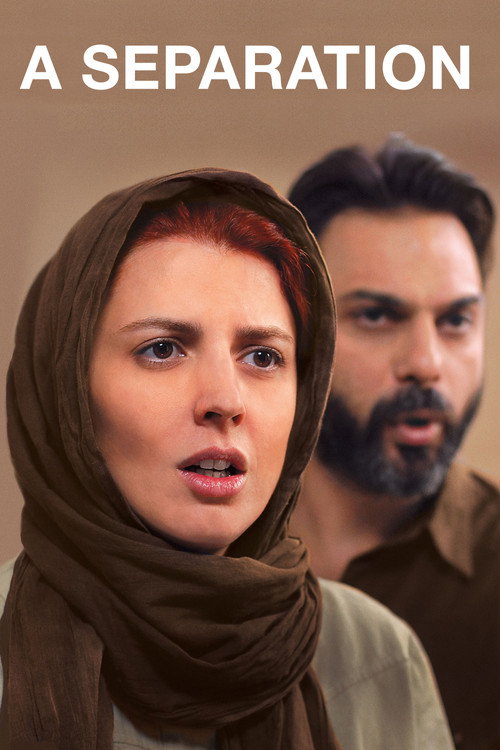
A Separation2011
Asghar Farhadi's Iranian drama about a family fracture escalating into moral complexity. Both films refuse simple heroes or villains, instead asking how ordinary people navigate impossible circumstances with limited good choices.
But It's a contemporary domestic drama, not a historical epic. The absence of action or visual spectacle may feel like a step down if you're drawn to *The Warrior*'s formal beauty.
Ikiru1952
Kurosawa again, this time about a dying bureaucrat finding meaning. Shares *The Warrior*'s quiet examination of a man stripped of identity and power, and its belief that mortality and isolation can teach us something true about living.
But Nearly two hours of very little happening. The emotional register is melancholic throughout—there's no release or catharsis, only acceptance.

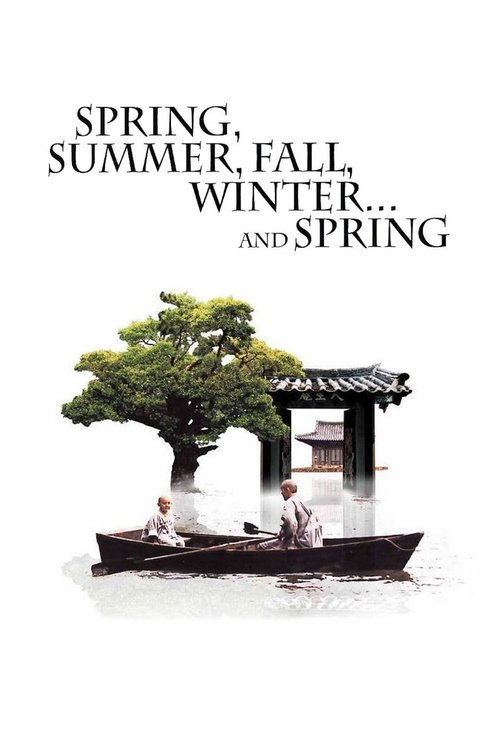
Spring, Summer, Fall, Winter... and Spring2003
Kim Ki-duk's Korean Buddhist meditation on violence, forgiveness, and the cycles of life. Made around the same era as *The Warrior*, it shares the same landscape sensibility and philosophical patience with painful human questions.
But Dialogue is sparse and plot is minimal. It's closer to visual poetry than narrative drama, which can feel pretentious if you're not in the mood.
The Ascent1977
Both are meditations on how ideological loyalty and personal survival collide; both treat the desert/wilderness as a space where men confront what they actually believe versus what they thought they believed.
Larisa Shepitko's Soviet film about two partisans on a final mission through occupied Belarus, hunted and dying. Spiritually adjacent to *The Warrior*: two men stripped of agency, moving toward an inexorable end, filmed in stark black-and-white that finds beauty in desolation.
But It's in Russian, in black and white, and deeply pessimistic. The religious symbolism is insistent. At 111 minutes it feels longer. Not a comfortable watch.

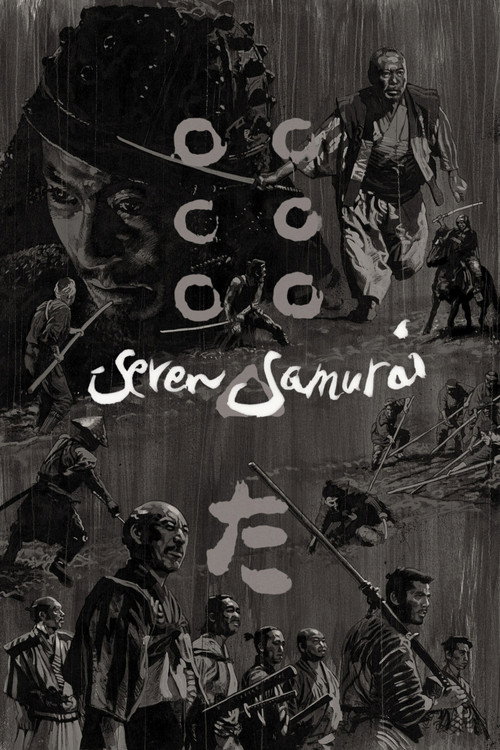
Seven Samurai1954
Both films are fundamentally about obsolete men and the question of whether their violence can still be justified; both use ensemble casts to explore loyalty, honour, and the slow decay of warrior cultures.
Kurosawa's defining work about aging swordsmen hired to defend a village. It has *The Warrior*'s scale and period authenticity, but more crucially, it shares the DNA: exiled or displaced men finding temporary purpose, the question of violence's utility, the melancholy of men past their prime.
But At 207 minutes, it demands a real commitment. The pacing is Japanese cinema of the 1950s—deliberate and digressive. The battle sequences are less choreographed spectacle than messy, exhausting conflict.
People
Cast
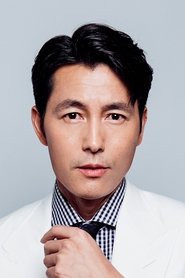 Jung Woo-sungYeo-sol
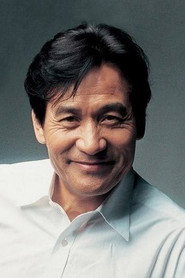 Ahn Sung-kiJin-lib
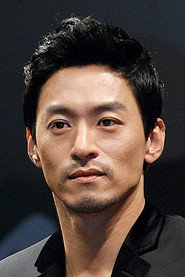 Joo Jin-moChoi Jung
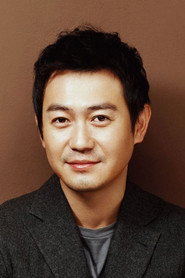 Park Yong-wooJu-myung
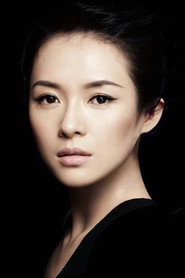 Zhang ZiyiPrincess Bu-yong
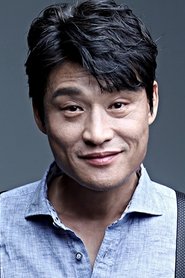 Park Jeong-hakGa-nam
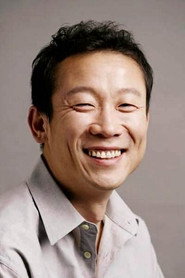 Jeong Seok-yongHa-il
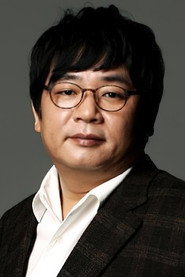 Lee Du-ilJi-san
- Han Yeong-mokDan-saeng
- Huo Er ChaYing Jie-na
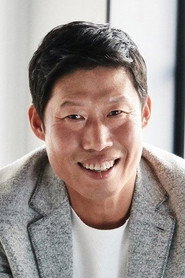 Yoo Hai-jinDu-chung
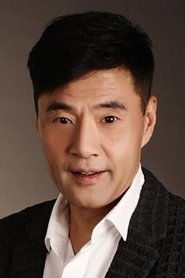 Yu RongguangRambulhua, Yuan General
Directing
- Kim Sung-sooDirector
Writing
- Kim Sung-sooWriter
Production
- Jay ChoiExecutive Producer
- Kim Jung-youngExecutive Producer
- Choi Jeong-hwaLine Producer
- Cho Min-hwanProducer
- Tcha Sung-jaiProducer
- Zhang XiaProducer