
Film
The Hidden Fortress
The Hidden Fortress is Kurosawa doing pure escapist adventure: a disgraced general and a headstrong princess flee through enemy territory disguised as commoners, guided (and constantly undermined) by two greedy, cowardly peasants who become the film's actual point of view. It's swashbuckling, funny, and gorgeously staged — the film George Lucas openly borrowed the bickering droid double-act from.
If you liked this
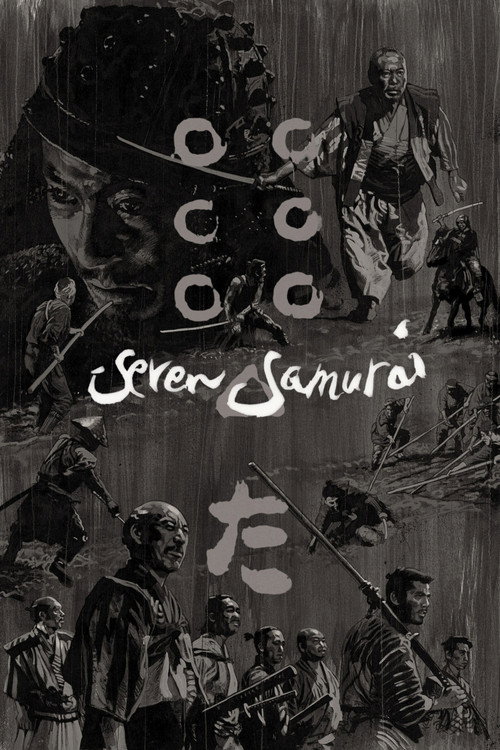
Seven Samurai1954
Kurosawa's other essential samurai epic, and the one that taught half of Hollywood how to stage an action sequence. Mifune is magnetic, the village siege is still thrilling, and the moral weight is real.
But It's over three hours and takes its time getting there — patience required if you want spectacle fast.
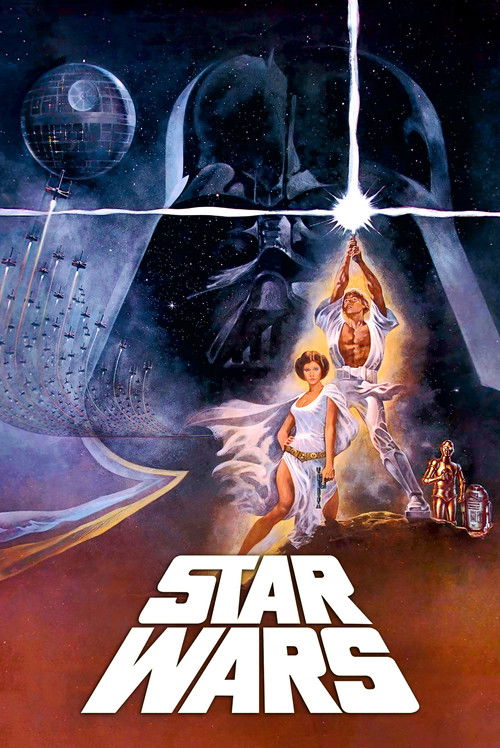
Star Wars1977
Lucas has said outright that the bickering peasants became the droids and the hidden princess became Leia. Watching it after Kurosawa is like seeing the blueprint turn into the building.
But You've almost certainly seen it already, and the "wow, so that's where it came from" thrill only works once.
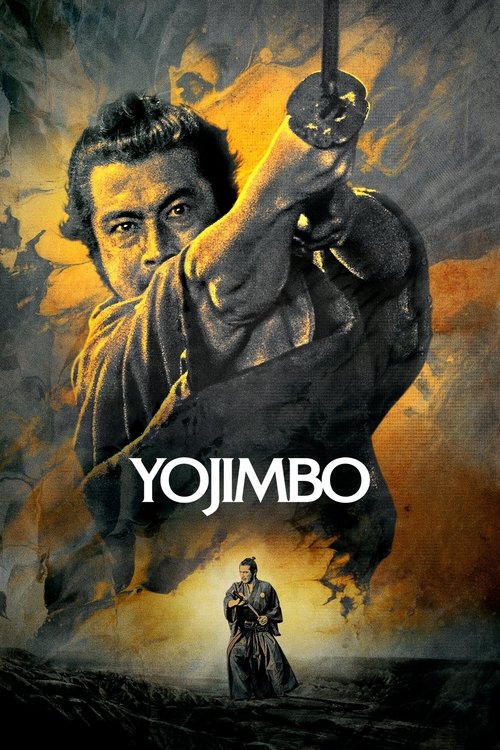
Yojimbo1961
Mifune again, this time as a scruffy, scheming ronin playing two gangs against each other. Faster, meaner and funnier than Fortress, with a swagger that basically invented the modern movie antihero.
But Less scenic grandeur, more claustrophobic town intrigue — if you loved the mountain vistas, this feels smaller.
The wildcard
Something you would not have found on your own.
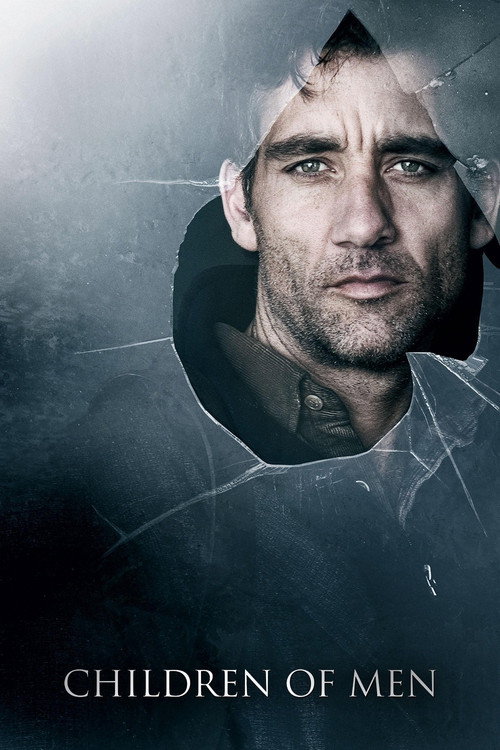
Children of Men2006
Same skeleton as Fortress: a cynical, reluctant escort has to smuggle a single precious, hidden person across a landscape of checkpoints and hostile factions, with the future resting on getting her through. Kurosawa's swashbuckling curdles into dread.
One of the great modern films about hope under siege — Cuarón's unbroken tracking shots through a war zone are as bravura as anything Kurosawa staged, just aimed at despair instead of adventure.
But It's grim, near-future, and offers none of Fortress's humour or swagger — go in braced, not entertained.
More like this (8)
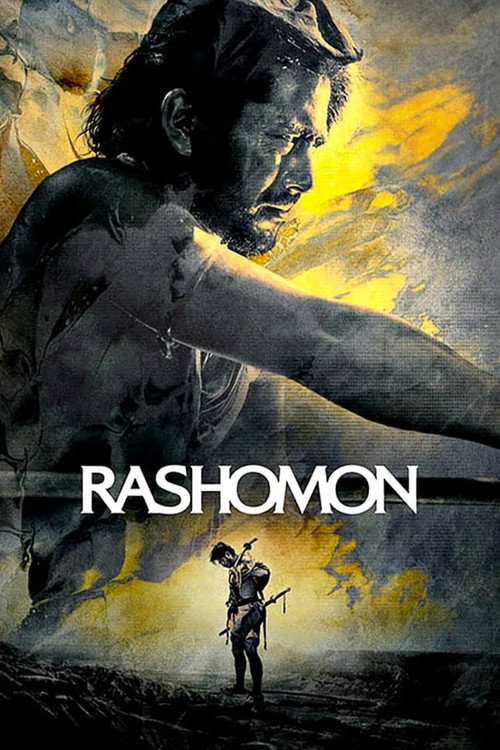
Rashomon1950
The Kurosawa/Mifune film everyone's heard of but fewer have seen — four conflicting accounts of the same crime that quietly reshaped how films tell the truth, or fail to.
But It's a puzzle box, not an adventure. No sword fights to speak of, mostly people arguing in a courtyard.
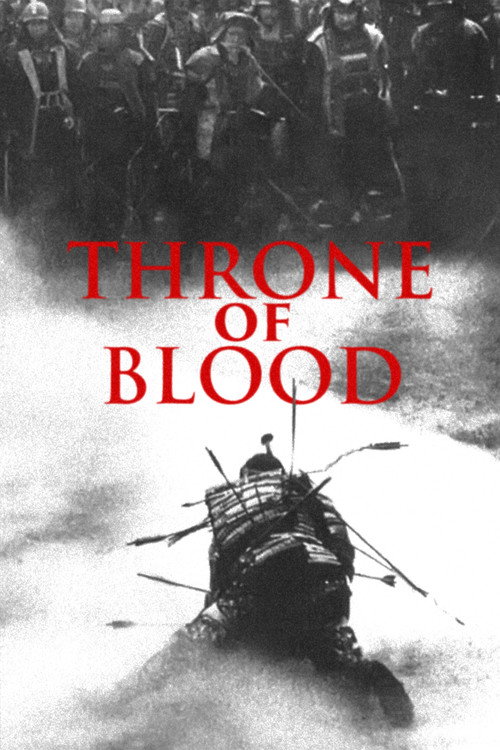
Throne of Blood1957
Macbeth relocated to feudal Japan, with Mifune unraveling in real time and a finale involving actual arrows shot at him. Same castle-and-clan world as Fortress, tipped into full tragedy.
But Bleak and doom-laden throughout — there's no comic relief here, and it ends exactly as badly as you'd expect.
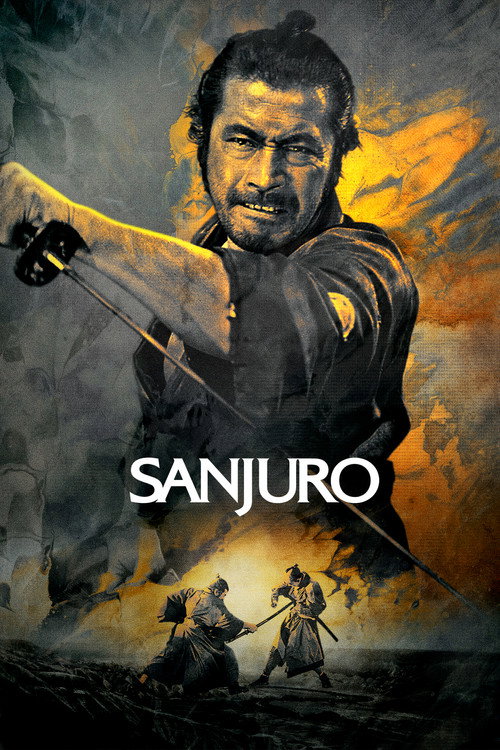
Sanjuro1962
The loose sequel to Yojimbo, and arguably funnier than Fortress — Mifune's scruffy swordsman babysits a pack of naive young samurai and rolls his eyes the entire time.
But It leans harder into comedy and satire than action; the famous climactic duel is over almost before it starts.
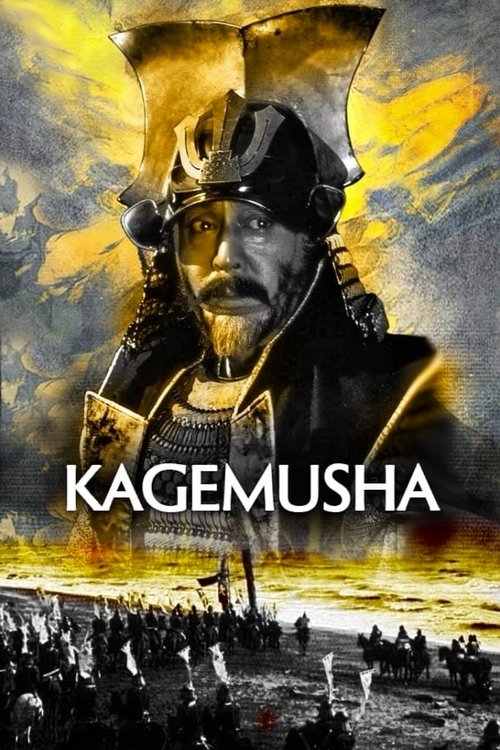
Kagemusha1980
A petty thief is recruited to impersonate a dead warlord — identity, disguise and the theater of leadership, themes Fortress plays with lightly and this one plays for keeps.
But Slower and more meditative, with less swashbuckling energy — this is late Kurosawa in a somber, painterly mode.
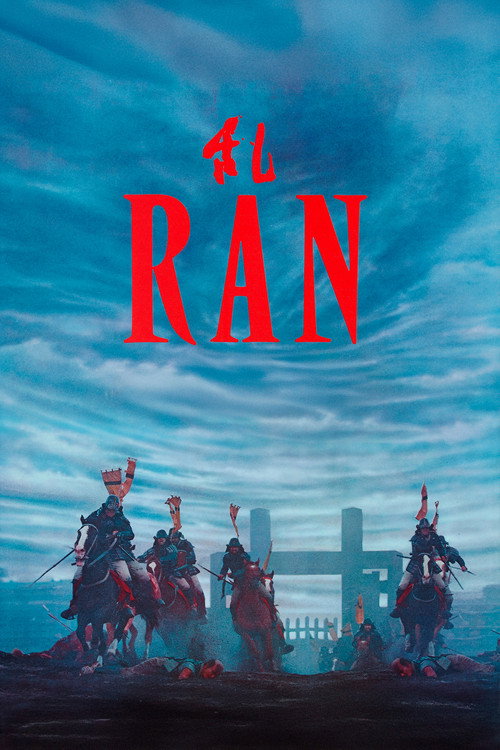
Ran1985
Kurosawa's King Lear, and his last great epic — a colour-drenched, devastating vision of a kingdom tearing itself apart. If Fortress made you want more clan warfare on a grand scale, this is the summit.
But It's a tragedy in the fullest sense, gorgeous but unrelenting — not the fun escapist ride Fortress offers.
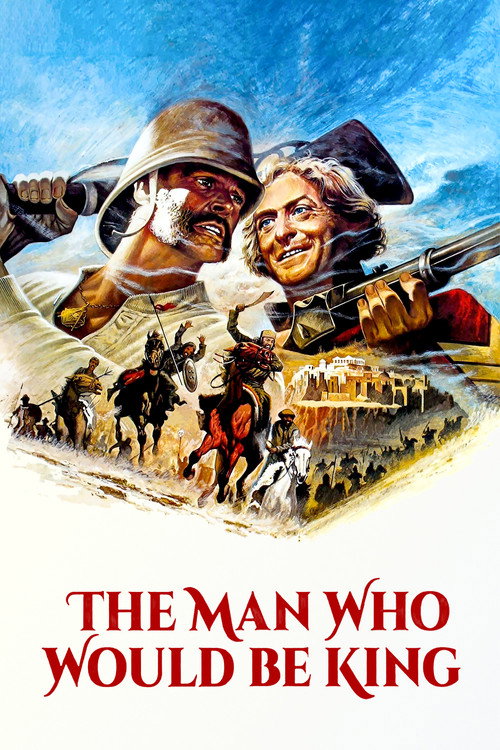
The Man Who Would Be King1975
Two disreputable con men journey into dangerous, unmapped territory chasing a fortune and stumble into something much bigger than themselves — the swaggering, doomed adventure spirit rhymes closely with Fortress's peasants.
But It's a very different colonial-era register, and Connery and Caine's double act plays broader and more overtly comic.
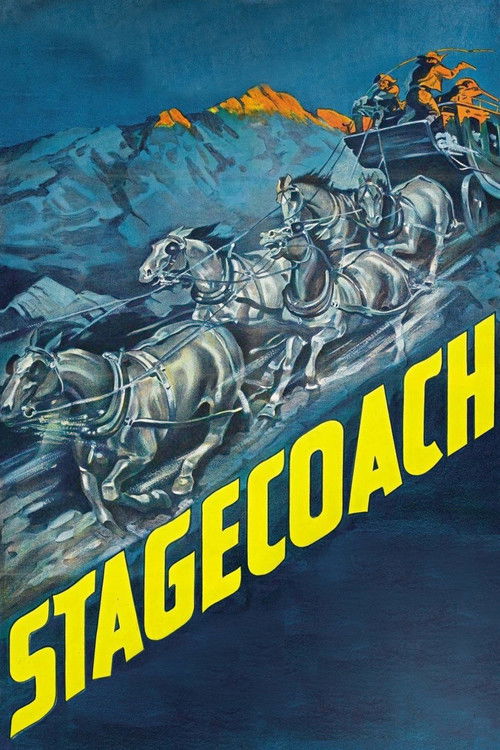
Stagecoach1939
Kurosawa was famously obsessed with John Ford, and this is the western that helped teach him how to move a mismatched group — including disguised identities and comic drunks — across dangerous ground toward a destination that keeps almost killing them.
The template for nearly every "strangers thrown together, crossing hostile territory" story since, including Fortress itself. Ford's compositions and pacing still feel startlingly modern for 1939.
But Black-and-white, stagey by today's standards in places, and its treatment of Native characters is very much of its era.
Mifune: The Last Samurai2016no page yet
A documentary tracing Mifune's career and his singular partnership with Kurosawa, including how the swagger and physical comedy he brings to Fortress became a template actors and directors — Lucas among them — kept quietly copying for decades.
A great primer on why Mifune hits different from other leading men of his era — feral, funny, unpredictable — narrated by Keanu Reeves, who clearly adores the subject.
But It's a career-spanning clip show more than a deep dive into any single film, so it skims where you might want detail.
People
Cast
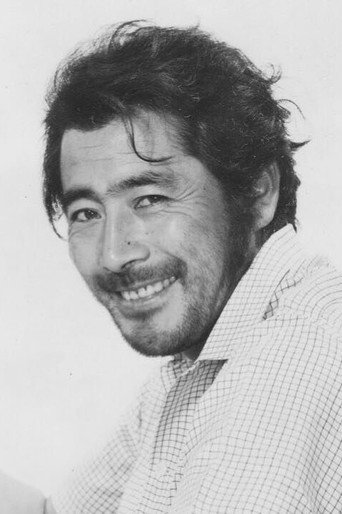 Toshirō MifuneGeneral Rokurota Makabe
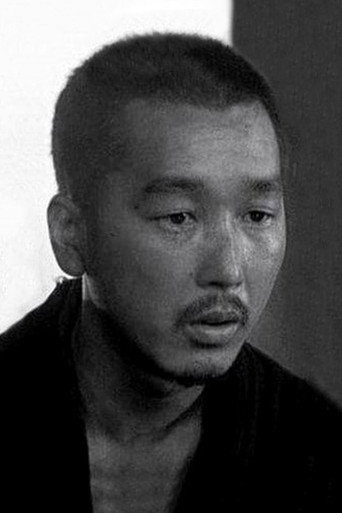 Minoru ChiakiTahei
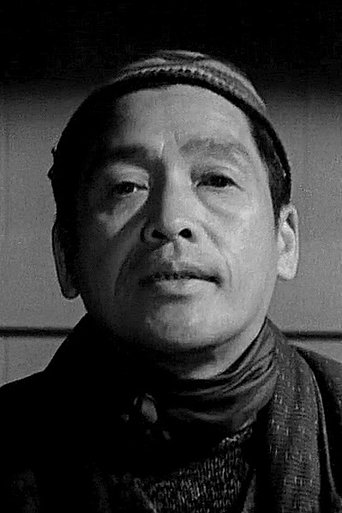 Kamatari FujiwaraMatashichi
 Misa UeharaPrincess Yuki
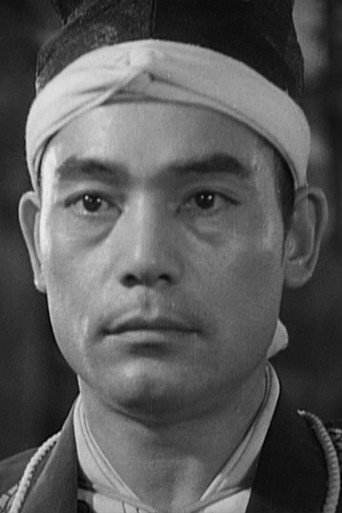 Susumu FujitaGeneral Hyoe Tadokoro
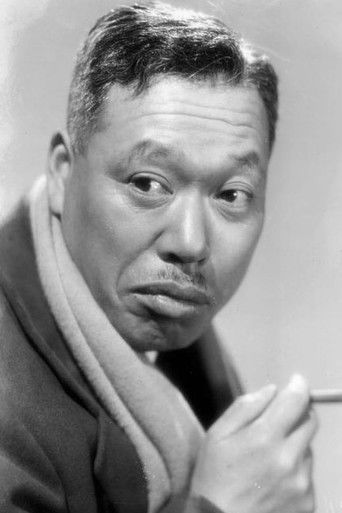 Takashi ShimuraGeneral Izumi Nagakura
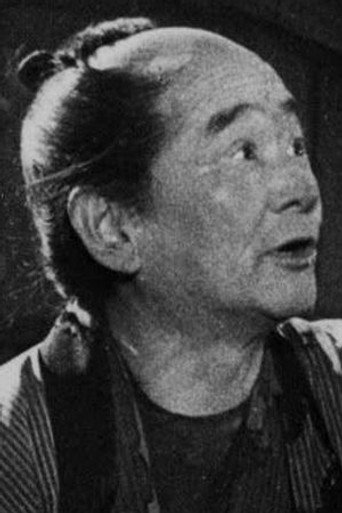 Ikio SawamuraGambler (uncredited)
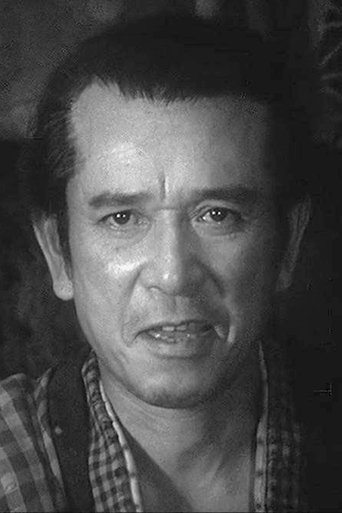 Kōji MitsuiGuard (uncredited)
- Takeo OikawaGuard (uncredited)
 Yū FujikiGuard (uncredited)
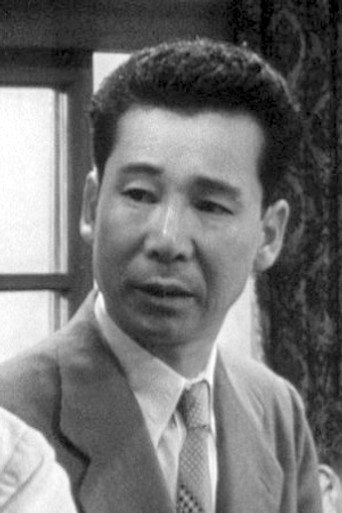 Yutaka SadaGuard (uncredited)
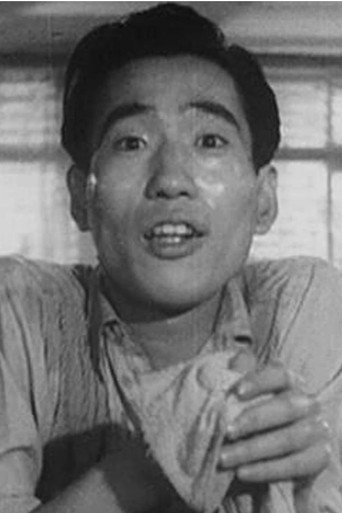 Haruo SuzukiHorseman (uncredited)
Directing
- Masaji NonagaseAssistant Director
- Yōichi MatsueAssistant Director
- Yoshimitsu BannoAssistant Director
- Akira KurosawaDirector
Writing
- Akira KurosawaScreenplay
- Hideo OguniScreenplay
- Ryuzo KikushimaScreenplay
- Shinobu HashimotoScreenplay
Production
- Akira KurosawaProducer
- Sanezumi FujimotoProducer
Recommended by
Willow, Star Wars, The Empire Strikes Back, Return of the Jedi, Star Wars: Episode I - The Phantom Menace, Star Wars: The Force Awakens, Sanjuro, Kagemusha