
Film
The Magic Serpent
A 1966 Japanese fantasy-action film where a young prince, trained in magic by a benevolent wizard, returns to reclaim his throne and avenge his parents' murder. It's pure adventure cinema: colorful, earnest, unafraid of spectacle and practical effects. For anyone who loves the raw energy of old fantasy films before irony was mandatory.
If you liked this
Harakiri1962
A masterpiece of Japanese cinema that shares the same era's aesthetic sophistication and explores honor, betrayal, and revenge with devastating emotional weight. A formal and thematic heavyweight.
But It's a relentlessly bleak samurai tragedy rather than adventure—beautiful but punishing. You'll need patience for its measured pace.

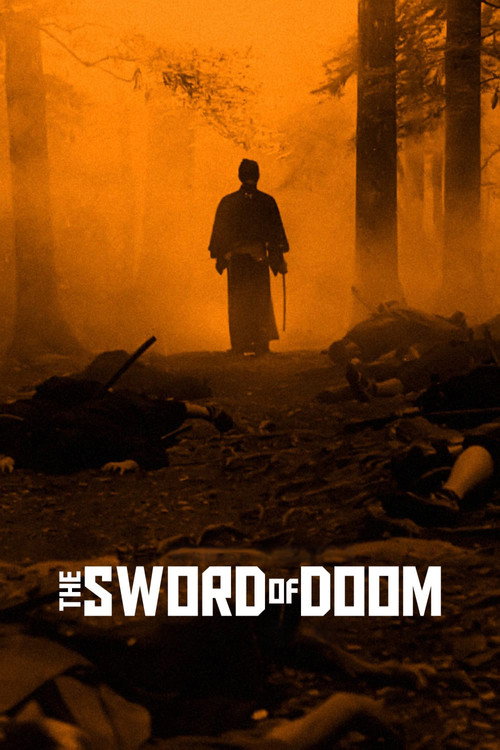
The Sword of Doom1966
Released the same year, equally steeped in Japanese sword-fighting tradition but inverts the moral universe. Dark, stylish, with a protagonist who's anything but heroic. Raw swordplay and atmosphere.
But Nihilistic and corrosive where The Magic Serpent is earnest. The film offers no catharsis or redemption, which some find exhausting.
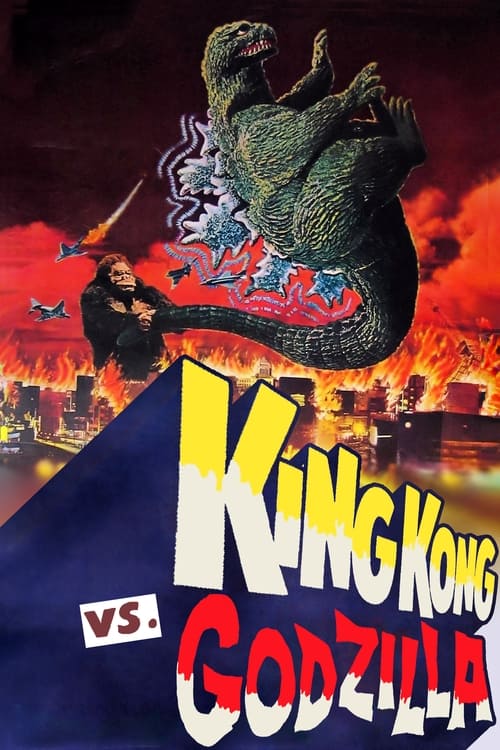
King Kong vs. Godzilla1962
Japanese creature feature with similar practical ingenuity and willingness to embrace spectacle. Colorful, gleefully unambiguous about good versus evil. Pure entertainment from the same era.
But The effects are charmingly dated, and the plotting is deliberately silly. If you need psychological depth, this isn't it.
Not sure tonight? Get a pick in a minute, starting from The Magic Serpent
The wildcard
Something you would not have found on your own.
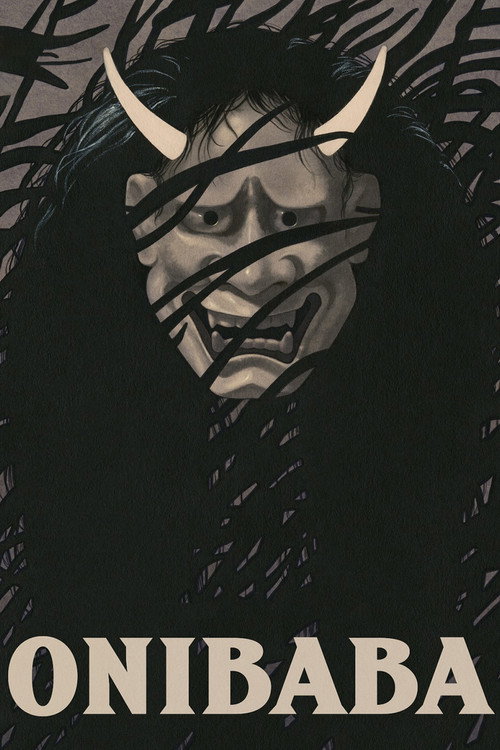
Onibaba1964
Both emerge from the same Japanese cinema tradition and make practical magic feel real; both traffic in folk mythology and feudal settings. Onibaba shows the dark side of the same cultural moment.
A Japanese horror film from the exact same moment, also rooted in folk tradition and practical filmmaking. Visceral, strange, and genuinely unsettling—proof that 1960s Japanese cinema was exploring wildly different registers simultaneously.
But It's a bleak horror film rather than an adventure, and its eroticism and cruelty are deliberate and uncomfortable. Not cathartic.
More like this (7)
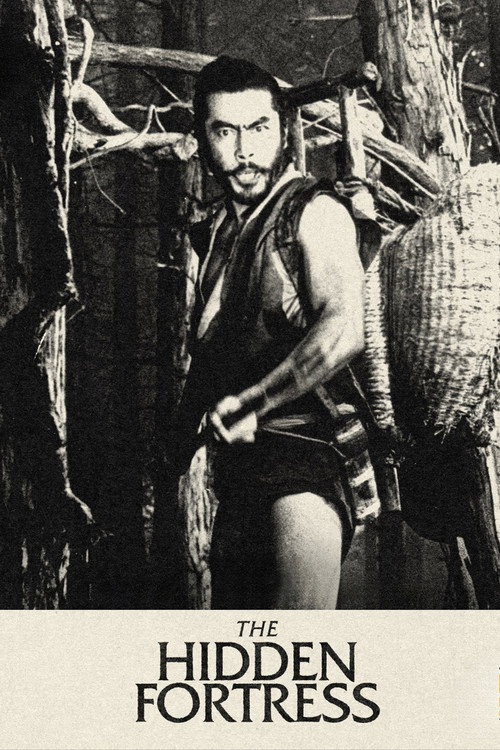
The Hidden Fortress1958
Kurosawa's adventure film with similar DNA: a young hero on a quest, feudal betrayal, magic and cunning against overwhelming odds. Gallant, inventive, and genuinely thrilling.
But At two and a half hours, it moves differently than 1960s action cinema. The pacing is meditative where you might expect constant motion.
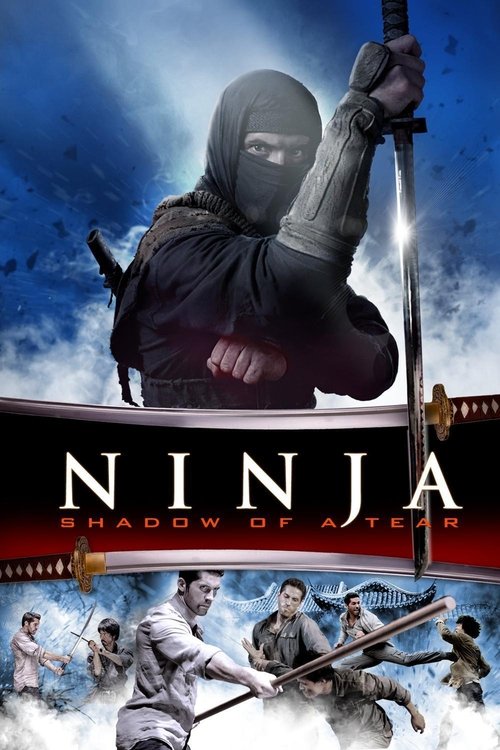
Ninja: Shadow of a Tear2013
Modern ninja revenge tale that recaptures that same earnest, no-irony action spirit. Practical fights, straightforward plotting, genuine investment in the hero's quest.
But Lean and efficient to the point of blandness. It doesn't have the peculiar charm or visual personality of 1960s Japanese fantasy.
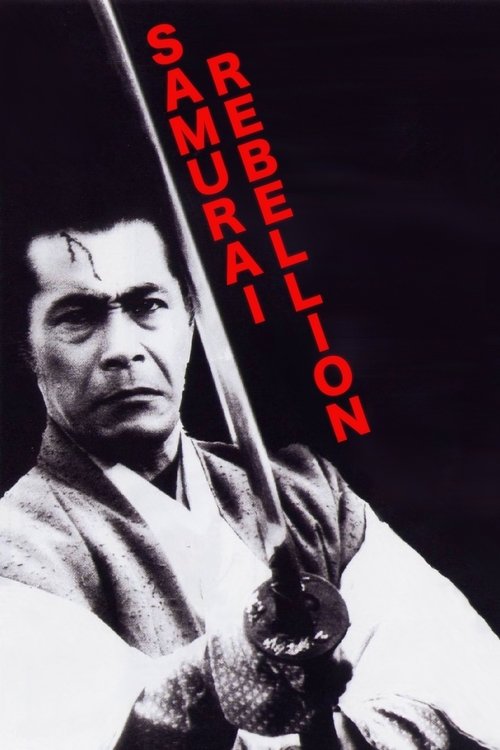
Samurai Rebellion1967
Another Japanese samurai film from adjacent years, gorgeously composed and centered on a son avenging familial wrongs. Dignified and devastating in equal measure.
But Aristocratic and contemplative rather than swashbuckling. Its pleasures are aesthetic and emotional, not kinetic.
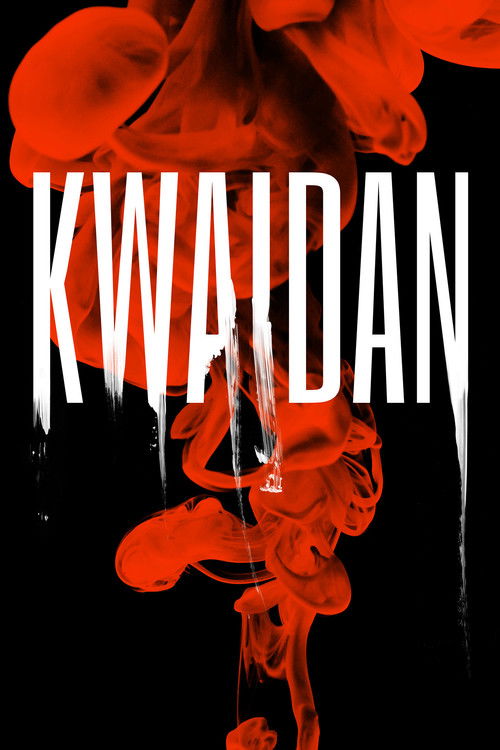
Kwaidan1965
Masaki Kobayashi's supernatural anthology from the same era, equally committed to Japanese folklore and practical magic effects. Haunting and visually sumptuous.
But Episodic and ghost-story paced rather than adventure-driven. It rewards patience but offers no conventional climax or resolution.
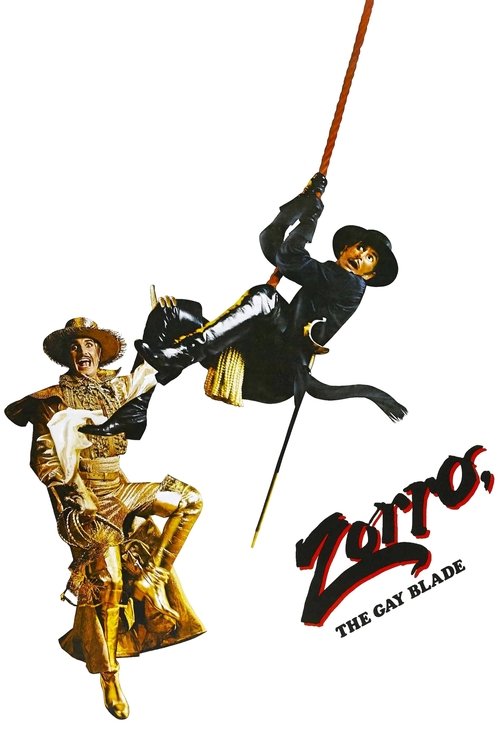
Zorro, The Gay Blade1981
A hero reclaiming his rightful place against corrupt usurpers, with humor and swashbuckling charm. George Hamilton's commitment to the absurd is infectious and joyful.
But The comedy undercuts any dramatic tension, and the special effects are distinctly low-budget. It's campy by design rather than earnest.
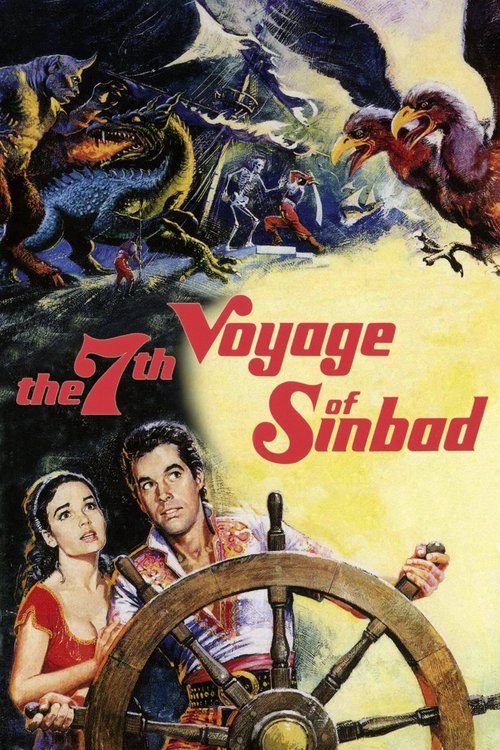
The 7th Voyage of Sinbad1958
Both films are adventure fantasies from the late 1950s–60s made before CGI, solving the same problem—how to show magic—with pure practical ingenuity. Both earnest, both colorful, both unafraid of being 'corny.'
Ray Harryhausen's masterwork of stop-motion adventure: a young hero on a magical quest, a wizard's curse to lift, creatures and sorcery everywhere. Same DNA, different tradition—Western spectacle rather than Japanese.
But The effects, while ingenious, are unmistakably artificial stop-motion. If you need visual realism, the artifice becomes obvious quickly.
Stalker1979
Both are films about a hero's journey in a magical/impossible landscape, guided by forces beyond the ordinary. The Magic Serpent is kinetic wish-fulfillment; Stalker is existential and questioning—two opposite poles of quest narratives.
A Soviet science-fiction film about a guide leading people into a forbidden zone in search of something transcendent. Slow, meditative, utterly committed to its internal logic. About journeys and transformation rather than revenge.
But Nearly three hours of philosophical, glacially paced cinema. The opposite of action-adventure energy; some find it boring, others revelatory.

People
Cast
 Hiroki MatsukataIkazuchi-Maru / Jiraiya
 Tomoko OgawaSunate
 Ryutaro OtomoOrochi-Maru
 Bin AmatsuDaijô Yûki
 Nobuo KanekoDôjin Hiki
 Izumi HaraSpider woman
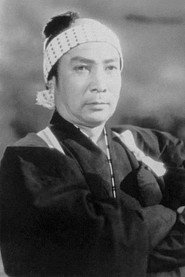 Kensaku HaraZenbei
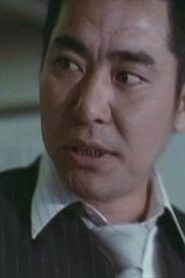 Masataka IwaoKido
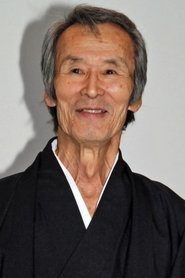 Seizō FukumotoNinja
Directing
- Yuji MakiguchiAssistant Director
- Tetsuya YamanouchiDirector
Writing
- Mokuami KawatakeStory
- Masaru IgamiWriter
Production
- Shigeru OkadaProducer