
Television series
Ninja Captor
A 1976 Japanese tokusatsu series about a ninja team fighting an evil organization. Colorful, earnest, and energetic, with practical effects that feel tactile despite their age. It's for anyone curious about how action television looked before CGI, or who loves the anarchic charm of '70s genre entertainment made on modest budgets with maximum conviction.
If you liked this
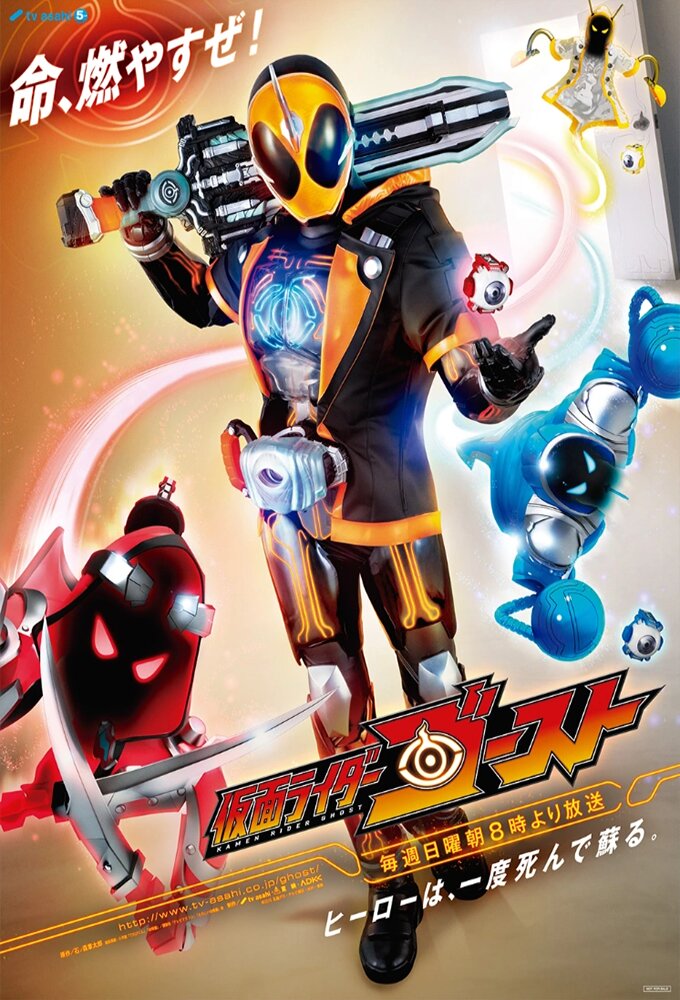
Kamen Rider Ghost2015
The tokusatsu template perfected. A lone hero transforms and battles monsters weekly with genuine style. If you want to understand what Ninja Captor is descended from and aspires to, this is where Japanese live-action fantasy started thinking cinematically.
But Fifty-plus episodes is a commitment, and the monster-of-the-week structure can feel repetitive if you're not into the ritual of it.
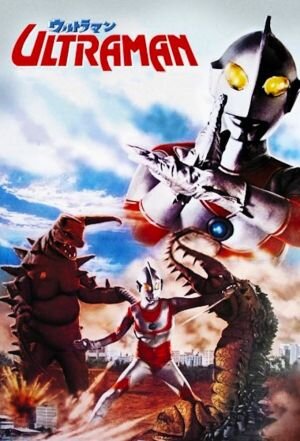
Ultraman1966
Giant monsters, practical effects, real stakes. Every episode delivers spectacle within a tight half-hour frame. The DNA is there—earnest heroes, colorful design, a sense of play coexisting with genuine peril.
But The pacing is brisk to the point of breathlessness; you're constantly catching up, which some find exhausting rather than exciting.
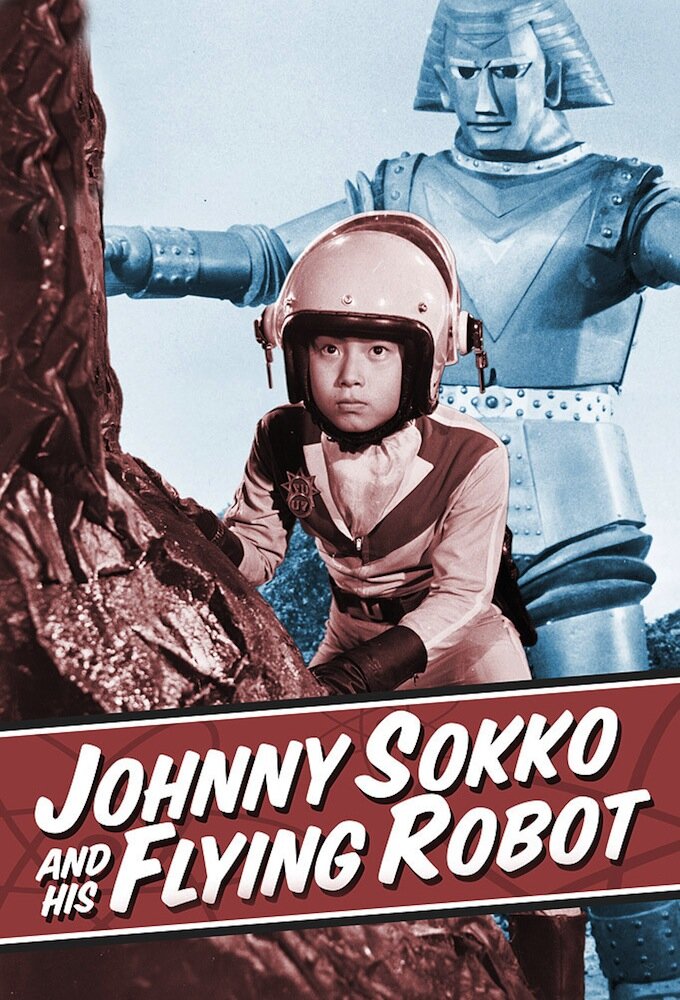
Johnny Sokko and His Flying Robot1967
A boy commands a giant robot against supervillains. It's pure invention executed with total sincerity. The practical effects and miniature work share Ninja Captor's tactile, no-apologies approach to spectacle.
But The English dub is jarring if you're unused to '60s anime dubbing conventions, and the plot logic is occasionally baffling.
Not sure tonight? Get a pick in a minute, starting from Ninja Captor
The wildcard
Something you would not have found on your own.
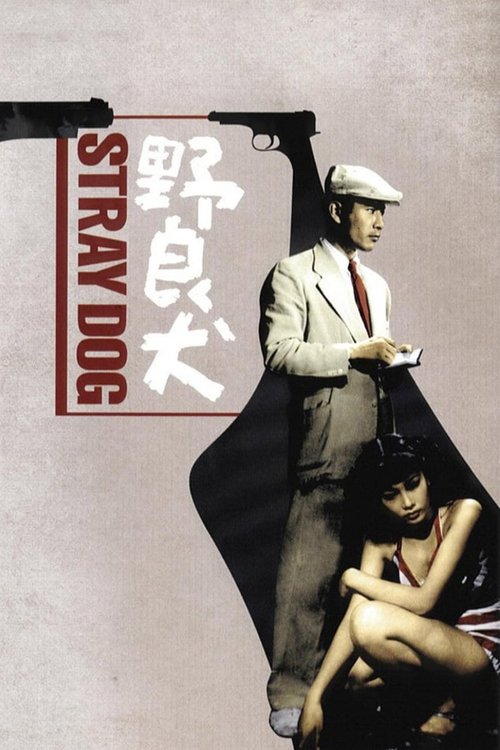
Stray Dog1949
Both value resourcefulness and teamwork over spectacle. Both find excitement in how people solve problems together rather than individual heroics.
Kurosawa's lean, pre-samurai masterpiece about a cop and a thief in post-war Tokyo. Practical, urgent, inventive within constraints. Shows the DNA of Japanese action filmmaking—character-driven, real locations, stakes that matter.
But Black and white, slow by modern standards, and the crime drama is deliberately unglamorous. Expecting action, you get procedure and moral weight instead.
More like this (5)
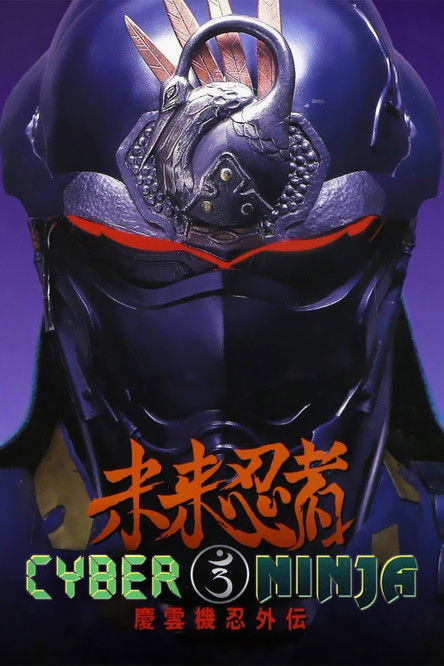
Cyber Ninja1988
A ninja action film that bridges practical and early digital effects. Respects the ninja tradition while embracing near-future tech. Scratches the same itch: honor, teamwork, and impossible odds met with ingenuity.
But The tone veers between deadly serious and campy without quite landing on either, which can feel tonally uncertain.
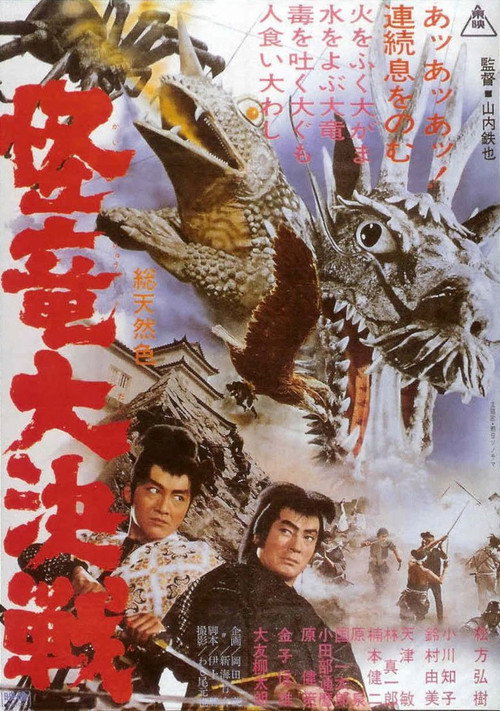
The Magic Serpent1966
A ninja fantasy film heavy on practical effects and light on logic. Dazzling miniature work, genuine creativity within tight constraints. The same DIY-spectacular energy, compressed into two hours.
But The dubbed English version is incomprehensible in places, and the story is genuinely hard to follow even when you're paying attention.
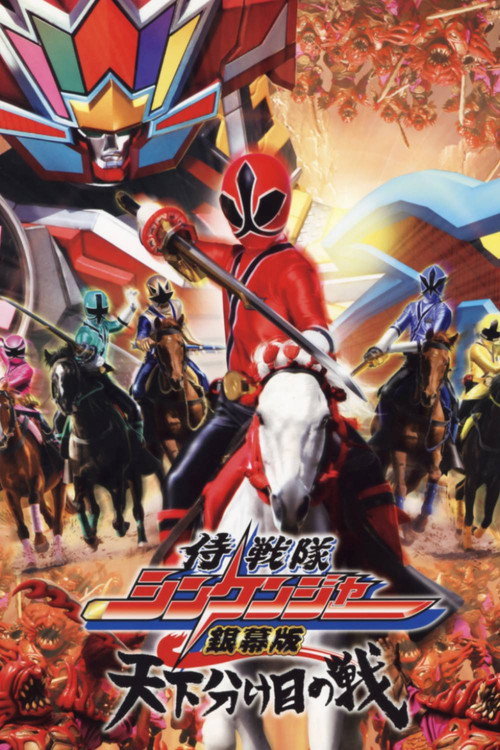
Samurai Sentai Shinkenger the Movie: The Fateful War2009
A modern Super Sentai series that honors '70s tokusatsu craft. Five warriors, practical suits and stunts, a clear enemy. Shows how today's makers still respect the form Ninja Captor helped establish.
But Sentai formula is even more rigid than standalone tokusatsu; if you're not into the color-coded team structure, it won't convert you.
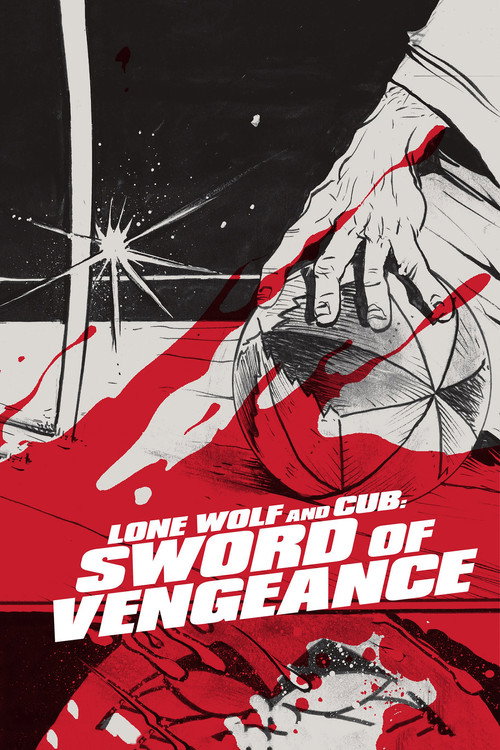
Lone Wolf and Cub: Sword of Vengeance1972
A masterpiece of samurai cinema with a father and child against the world. Gorgeously shot, morally complex, stunning action. Shares the era and spirit—practical effects used as art, not crutch.
But It's art-film pacing applied to action; if you want plot momentum over atmosphere, it moves in a way that will frustrate you.
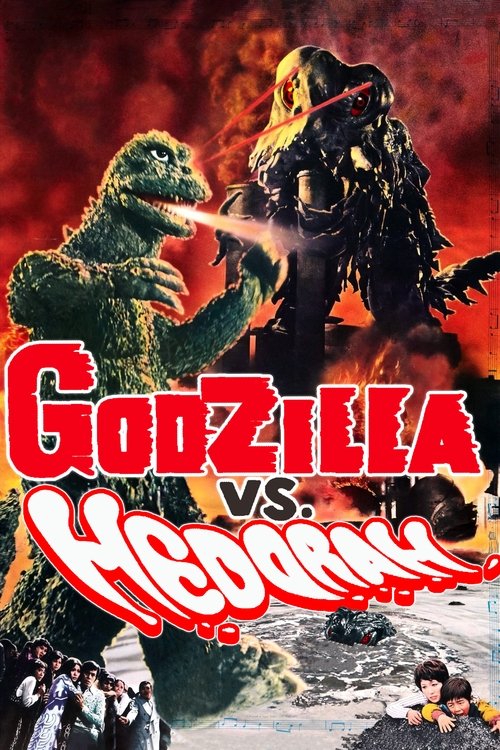
Godzilla vs. Hedorah1971
Tokusatsu at its most experimental. A giant-monster film where style and constraint generate real invention. Messy, urgent, weird—proof that '70s Japanese genre entertainment was fearlessly strange.
But The tonal whiplash between comedy, environmental message, and genuine horror can feel like three different films stitched together.
People
Cast
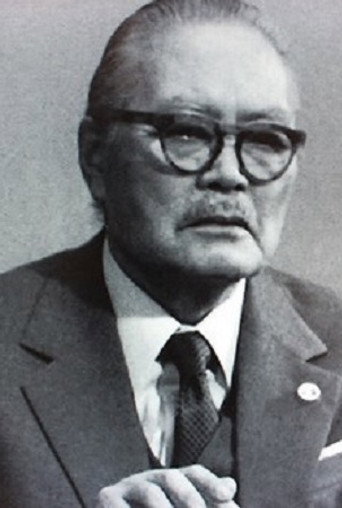

Writing
- Saburo YatsudeCreator
Recommended by
Kamen Rider Den-O: Singing, Dancing, Great Training!!, Kamen Rider Kuuga Super Secret Video: Kuuga vs. the Strong Monster Go-Jiino-Da