
Film
Samurai Rebellion
Kobayashi's austere, slow-burning tragedy pits an aging samurai's quiet stubbornness against the absolute authority of his clan. Mifune, subdued and magnificent, plays a man who has spent his life obeying orders and finally, quietly, stops. It's less swordplay than slow-motion collision between conscience and hierarchy, and it lands harder for the restraint. For anyone who wants their samurai films to hurt.
If you liked this
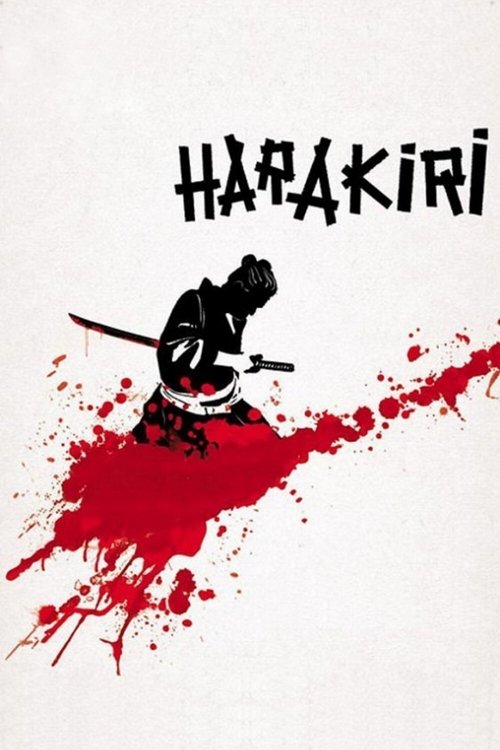
Harakiri1962
Kobayashi's other great indictment of samurai honor culture, and arguably even angrier. Same director, same moral clarity, same slow fuse leading to devastating release.
But Even more formally rigid and punishing in its pacing — a real commitment before the payoff arrives.
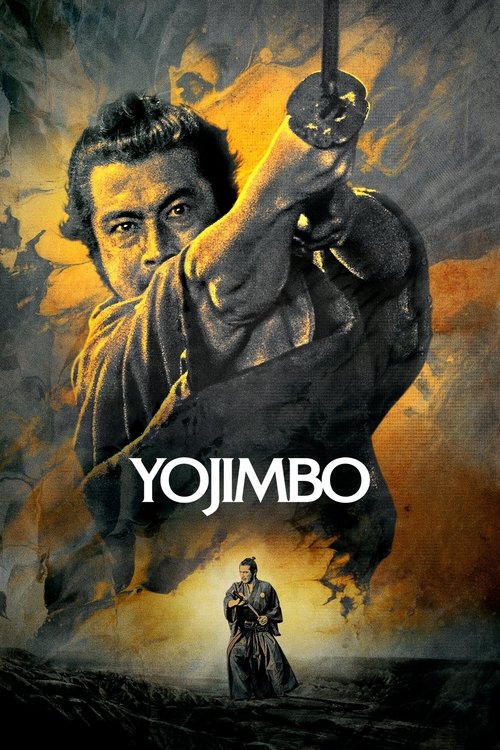
Yojimbo1961
Mifune at his most electric, playing a wandering swordsman who manipulates two warring factions for sport. Kurosawa's wit and Mifune's swagger make this pure pleasure.
But Tonally miles from Rebellion's solemnity — this is cynical, funny, almost cartoonish by comparison.
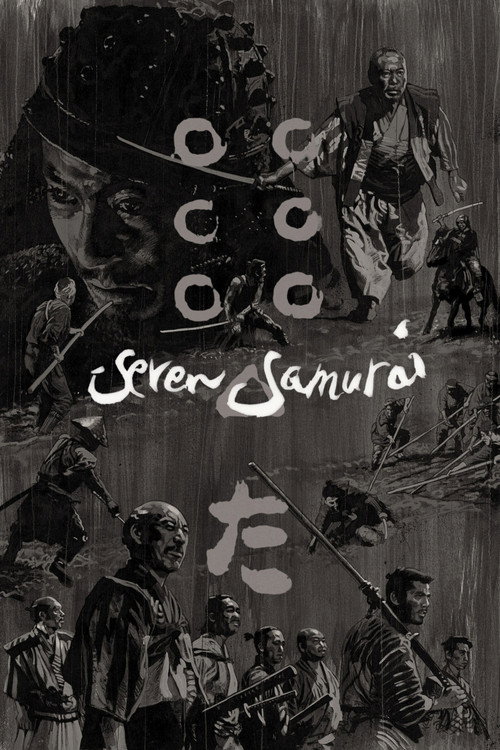
Seven Samurai1954
The foundational text. Mifune among a crew of masterless samurai defending farmers, with all the honor and futility that entails, told at epic scale.
But Three and a half hours is a genuine ask, even for a masterpiece.
The wildcard
Something you would not have found on your own.
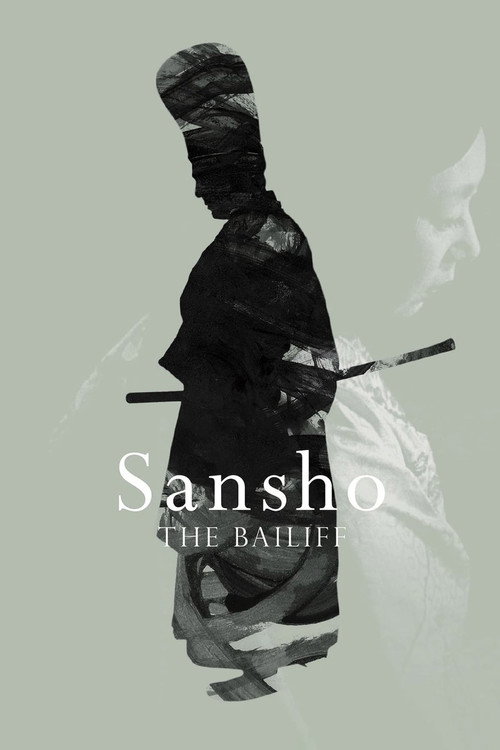
Sansho the Bailiff1954
Made over a decade earlier, it's the same story at its root — feudal authority casually destroying a family — but Mizoguchi refuses Rebellion's climactic defiance, letting suffering simply be suffering.
Mizoguchi's devastating masterpiece about a family torn apart by feudal cruelty, told with a patience and sorrow that makes Rebellion look almost brisk.
But No swordplay, no rebellion, just accumulating grief — this asks you to sit with sadness rather than resolve it.
More like this (8)
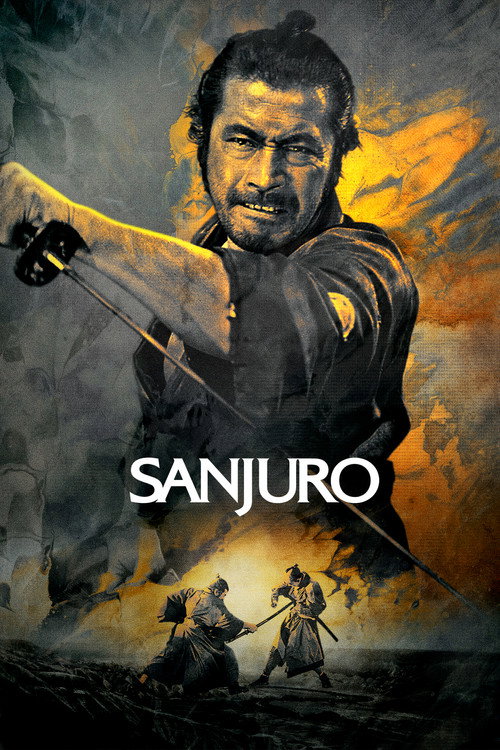
Sanjuro1962
A looser, funnier companion to Yojimbo, with Mifune's scruffy swordsman helping a group of naive young samurai outwit corrupt officials.
But Breezier and more comic than the moral weight you're likely craving right now.
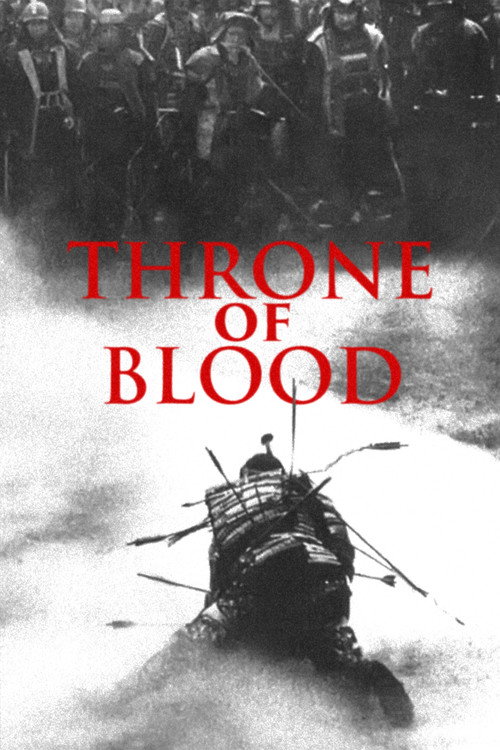
Throne of Blood1957
Kurosawa transplants Macbeth into feudal Japan, with Mifune unraveling under ambition and guilt. Visually stunning, thematically about power's corrosive grip.
But Shakespearean tragedy at full pitch — operatic where Rebellion is restrained.
Red Beard1965no page yet
Mifune's final collaboration with Kurosawa, a humane epic about a gruff doctor and his reluctant apprentice in a charity clinic.
But Long, episodic, and gentler in its concerns — more about compassion than defiance.
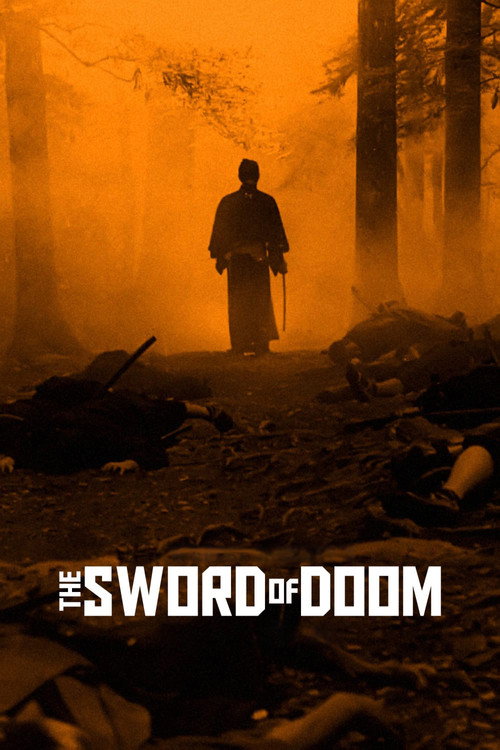
The Sword of Doom1966
A bleaker, near-nihilistic samurai film from the same era, following a swordsman with no code at all. Bracing contrast to Rebellion's moral backbone.
But Deliberately unresolved and morally cold — don't expect catharsis.
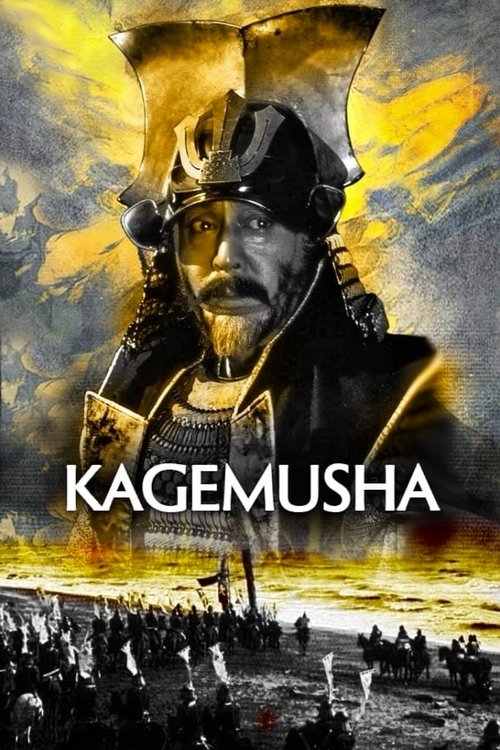
Kagemusha1980
Kurosawa's later, more painterly take on identity and power within the samurai class, with gorgeous scale and a melancholy undertow.
But More interested in spectacle and pageantry than the intimate family stakes of Rebellion.
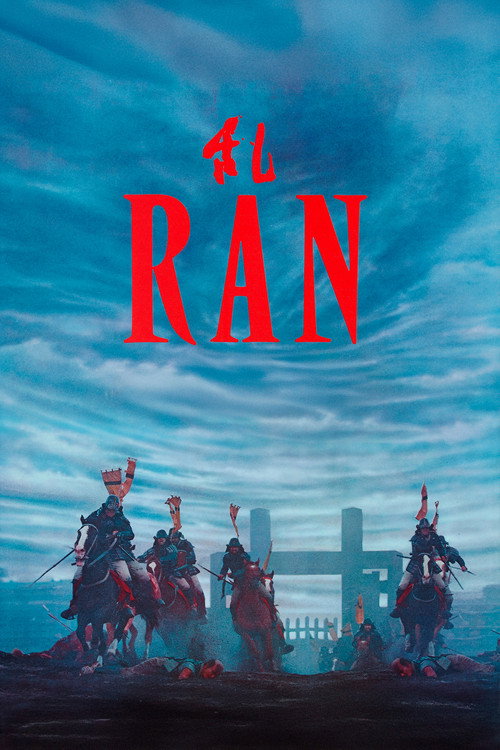
Ran1985
Kurosawa's King Lear in feudal Japan — vast, devastating, visually operatic meditation on power destroying family.
But Grander and more sweeping than Rebellion's tight, domestic focus — a different kind of tragedy.
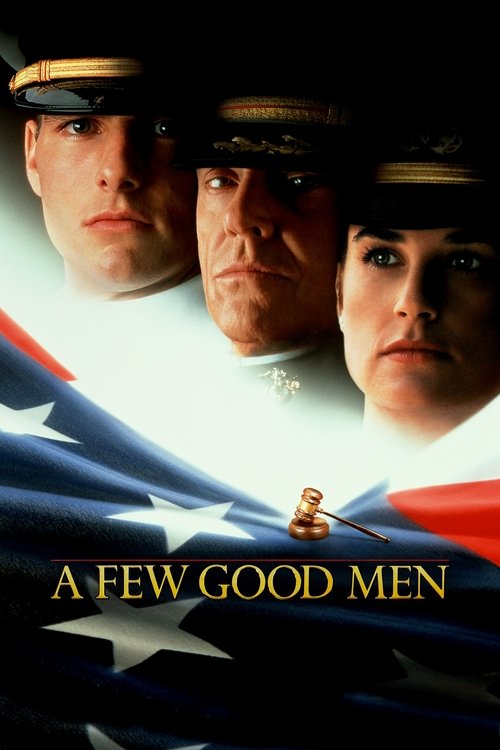
A Few Good Men1992
Swap swords for subpoenas and it's the same engine: an institution demands blind loyalty, and one man decides that following orders isn't the same as being right.
A courtroom thriller about a soldier crushed between conscience and chain of command, with Jack Nicholson's monologue on obedience as its molten core.
But Courtroom theatrics and Sorkin dialogue are a world away from Kobayashi's silences — this one shouts where Rebellion whispers.
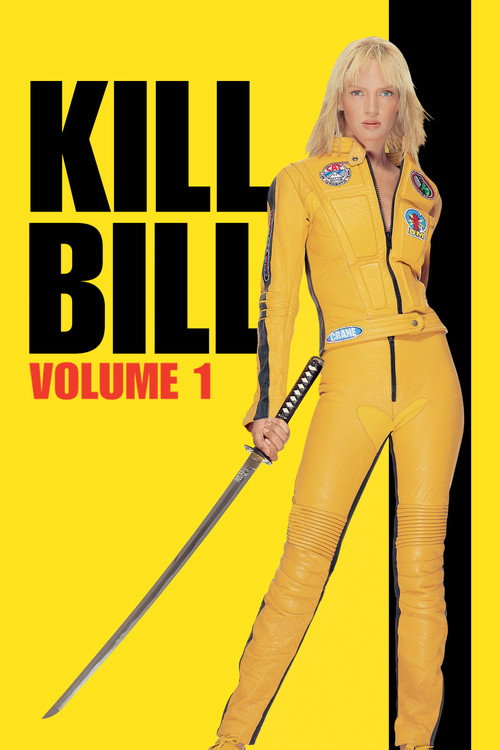
Kill Bill: Vol. 12003
Strip away the austerity and Rebellion's engine — a person defying a corrupt power structure for someone they love — is exactly what powers Kill Bill, just performed as trash instead of tragedy.
Tarantino's gleefully excessive homage to samurai revenge cinema, where righteous fury gets choreographed into blood-soaked ballet.
But Pure pulp spectacle with none of Rebellion's restraint — this is the same idea turned up to eleven and painted red.
People
Cast
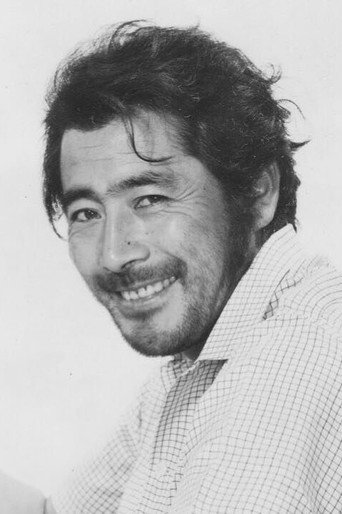 Toshirō MifuneIsaburo Sasahara
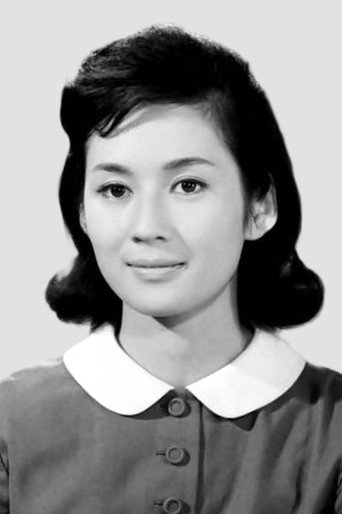 Yōko TsukasaIchi Sasahara
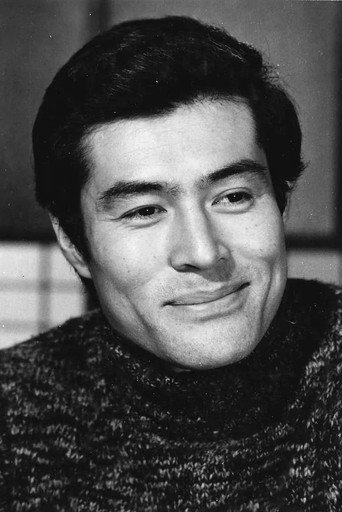 Gō KatōYogoro Sasahara
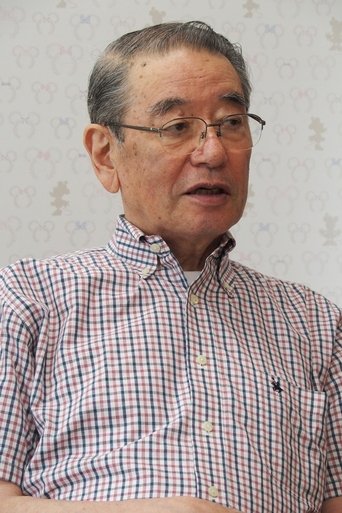 Tatsuyoshi EharaBunzo Sasahara
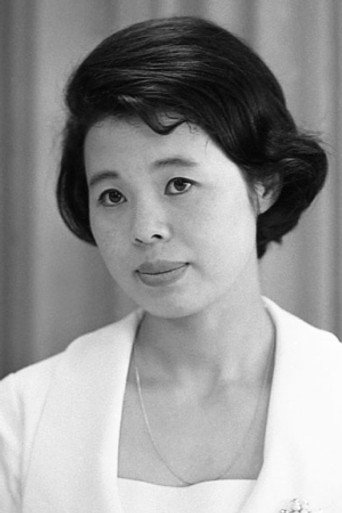 Etsuko IchiharaKiku
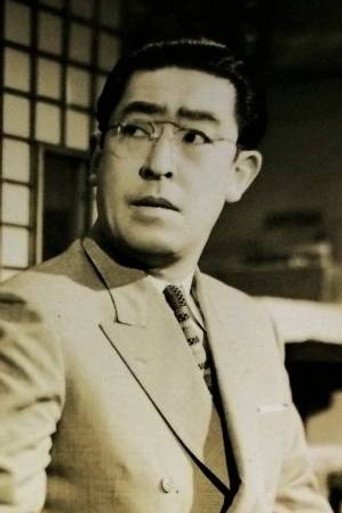 Isao YamagataShobei Tsuchiya
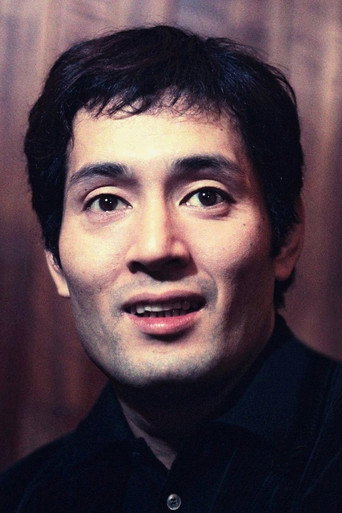 Tatsuya NakadaiTatewaki Asano
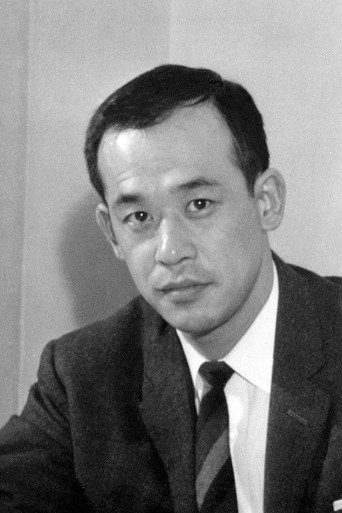 Shigeru KōyamaGeki Takahashi
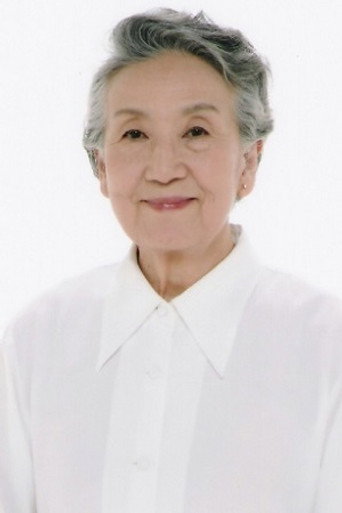 Michiko OtsukaSuga Sasahara
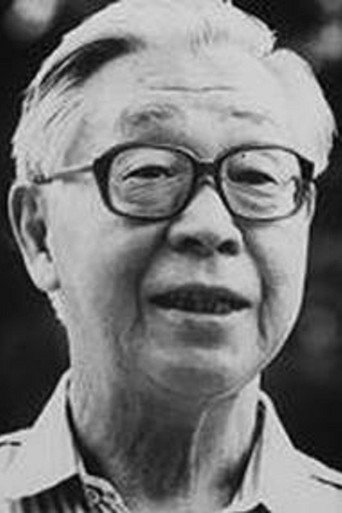 Tatsuo MatsumuraLord Masakata Matsudaira
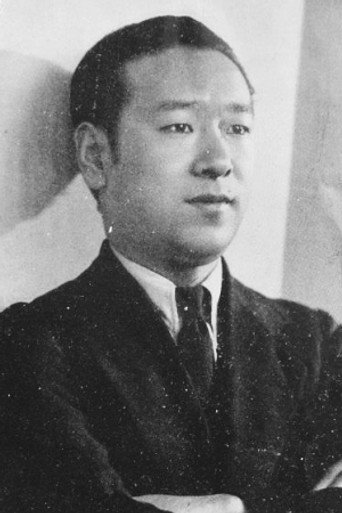 Masao MishimaSanzaemon Yanase
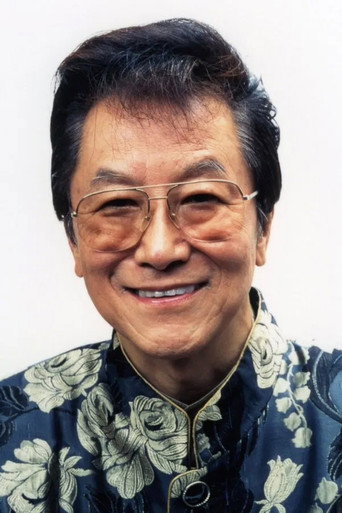 Jun HamamuraHyoemon Shiomi
Directing
- Masaki KobayashiDirector
Writing
- Yasuhiko TakiguchiNovel
- Shinobu HashimotoScreenplay
Production
- Tomoyuki TanakaProducer
- Toshirō MifuneProducer
Recommended by
Lone Wolf and Cub: Sword of Vengeance, Sanjuro, Harakiri, The Sword of Doom