
Film
Zatoichi and the Chess Expert
A blind swordsman with preternatural skill navigates a world of yakuza vengeance, dice games, and moral compromise. Zatoichi films are kinetic, funny, and violent—pulp entertainment elevated by Shintarō Katsu's magnetic performance and ingenious fight choreography. Perfect for anyone who wants samurai action with a mischievous edge and genuine warmth underneath.
If you liked this
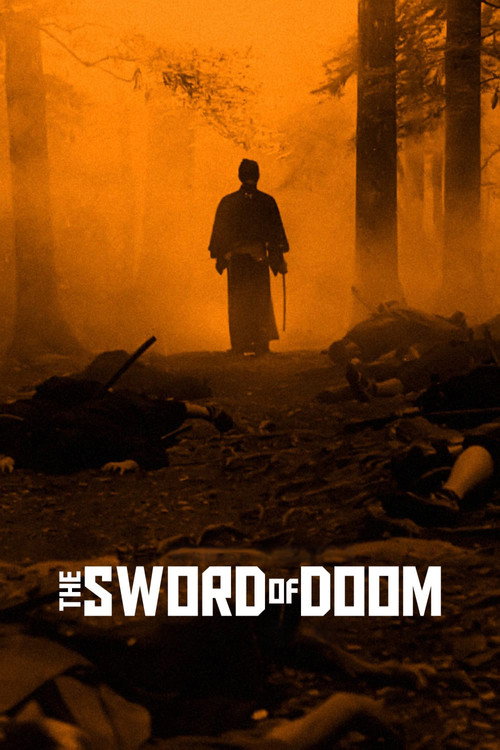
The Sword of Doom1966
A samurai's casual brutality spirals into existential crisis. Tatsuya Nakadai is mesmerizing as a man hollow with violence. Gorgeously shot, deeply unsettling, and it doesn't resolve—it just stops, like a wound that won't close.
But Bleak and slow-burning. There's almost no rooting interest; the protagonist is a void. If you want clarity or catharsis, this denies both.
Harakiri1962
A masterpiece about honor, poverty, and the yakuza system's cruelty. The formal compositions are stunning, every cut deliberate. It builds to something genuinely unbearable and asks real questions about loyalty.
But Emotionally punishing. The pacing can feel glacial if you want action over philosophy. Some will find it too austere.

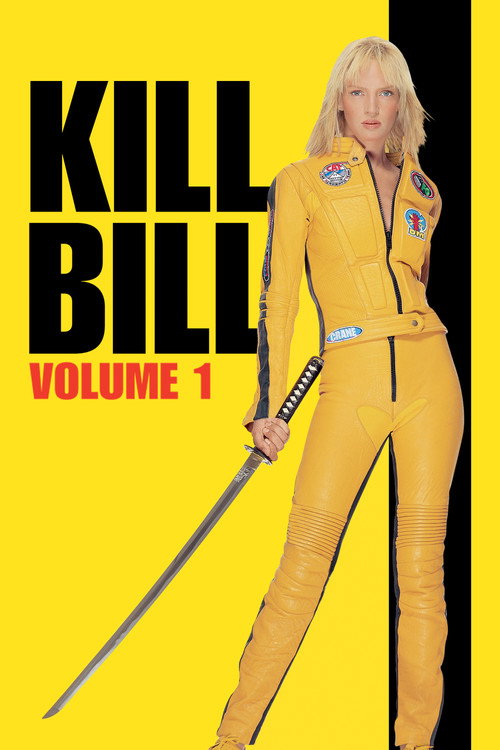
Kill Bill: Vol. 12003
Tarantino's love letter to samurai films, Shaw Brothers revenge flicks, and Zatoichi specifically. It moves like lightning, it's wildly entertaining, and the action sequences are genuinely inspired.
But Stylish to the point of silliness—it wears its homages so openly that some find it hollow. Very violent, very loud.
Not sure tonight? Get a pick in a minute, starting from Zatoichi and the Chess Expert
The wildcard
Something you would not have found on your own.
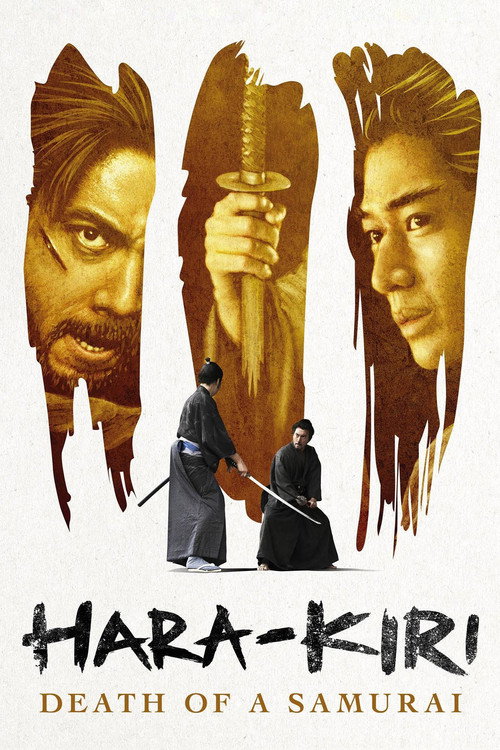
Hara-Kiri: Death of a Samurai2011
All three films depict a feudal order where skill and integrity are simultaneously useless and the only things that matter. All three argue that the system itself is the antagonist.
Masaki Kobayashi's 1962 masterpiece restored in 4K, or Takashi Miike's 2011 remake—both are stunning. Both wrestle with honor, poverty, and institutional cruelty in ways that echo Zatoichi's world, but from the inside out. Miike's version adds visual pyrotechnics to the existential dread.
But The 1962 original is slow and demanding; the Miike is bombastic and sometimes alienating. Both are brutal without release. Neither is entertainment in the usual sense—they're indictments.
More like this (6)
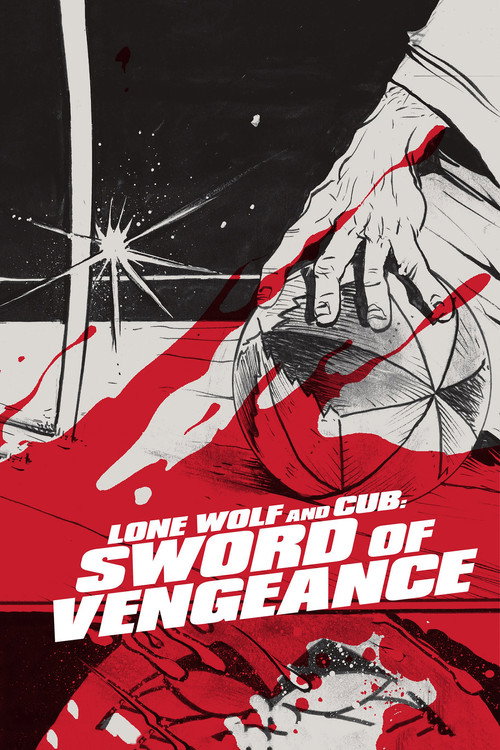
Lone Wolf and Cub: Sword of Vengeance1972
A masterless swordsman wanders with his young son, dispensing justice for hire. The action is inventive and bloody. It has the same world-weary humor and moral flexibility as Zatoichi, but scaled up into genuine tragedy.
But Episodic, and the first film doesn't resolve much. The series is better than any single entry. Slower than you'd expect.
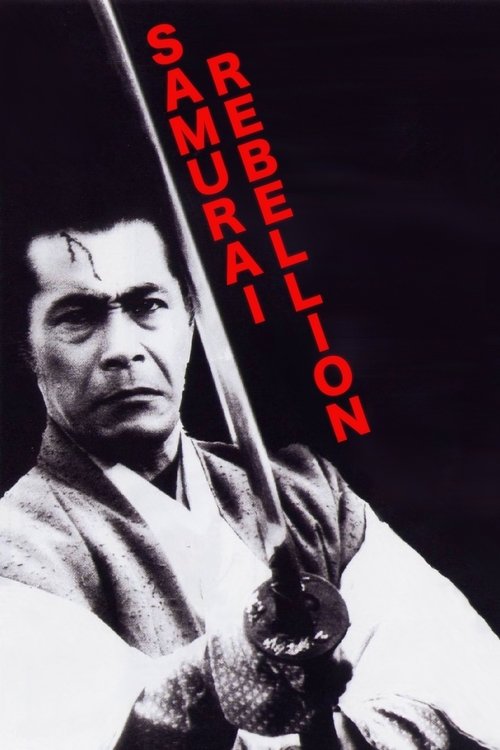
Samurai Rebellion1967
Masaki Kobayashi's masterwork about a samurai who rebels against his feudal lord over principle. Magnificent performances, a great screenplay, and the final duel is unforgettable.
But Very much a chamber piece. Long and talky. The action arrives late and matters because the dialogue mattered first.
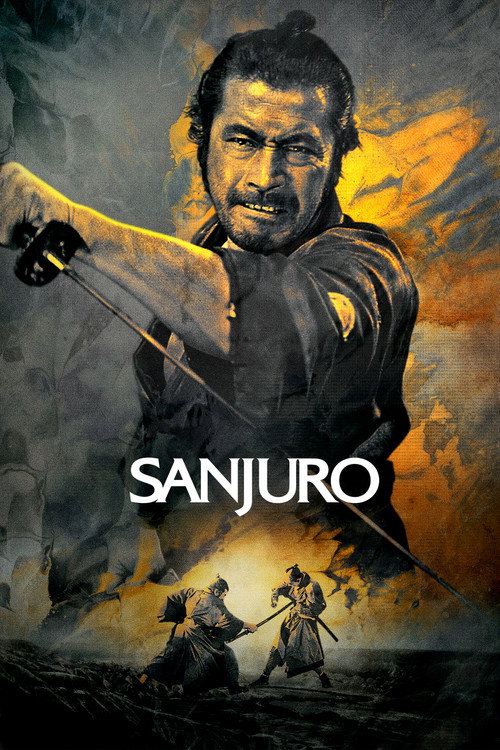
Sanjuro1962
Akira Kurosawa directing Toshiro Mifune in a samurai adventure with genuine wit and energy. The finale is bizarre and brilliant. It's lighter and faster than his more famous works.
But Often dismissed by Kurosawa devotees as minor. The plot is serviceable at best. Some of the humor hasn't aged.
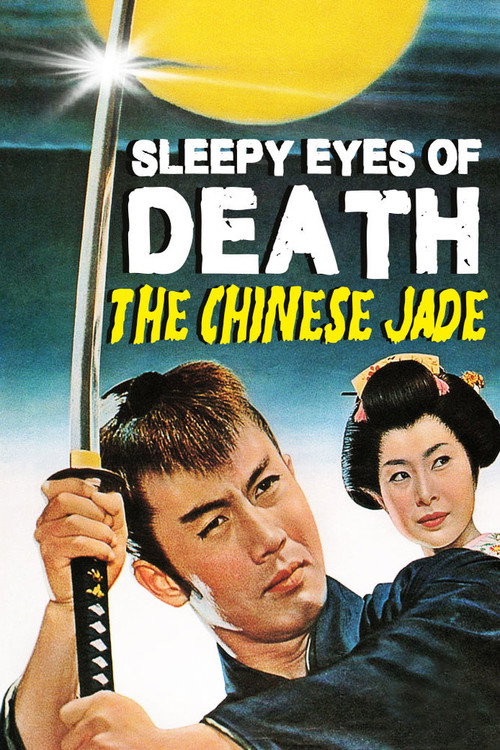
Sleepy Eyes of Death 1: The Chinese Jade1963
Raizō Ichikawa as another one-eyed swordsman in this series entry. Fast, a little trashy, and knowingly playful about its own pulp logic. Good fun if you're into the genre groove.
But Frankly disposable—a rubber-stamped series entry. Plot is thin. Matters mainly as an example of how prolific this era was.
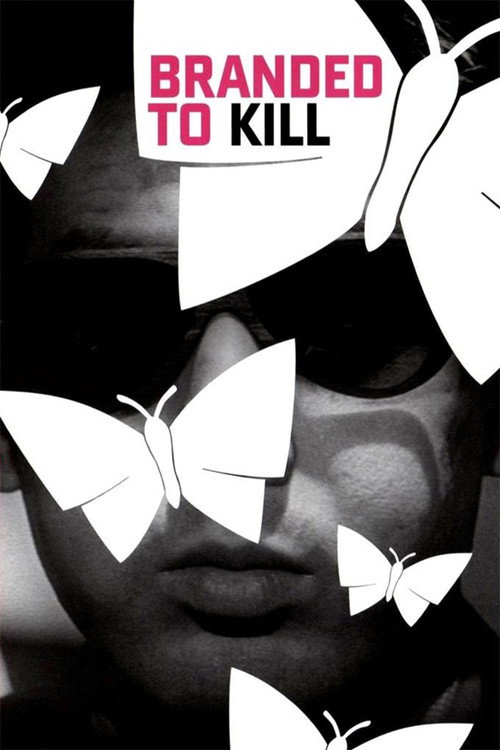
Branded to Kill1967
Both films feature protagonists defined by a single, almost supernatural skill. Both treat violence as a kind of choreography. Both accept moral emptiness as a premise rather than lamenting it.
Seijun Suzuki's surreal, formal masterpiece about a hitman with an obsessive detail. It looks like no other samurai or yakuza film—more like a nightmare than a narrative. The action is balletic and strange. Visually unlike anything you've seen.
But Actively hostile to plot coherence. The story is nearly opaque by design. If you want comprehensibility, this refuses you. Some viewers find it pretentious rather than profound.
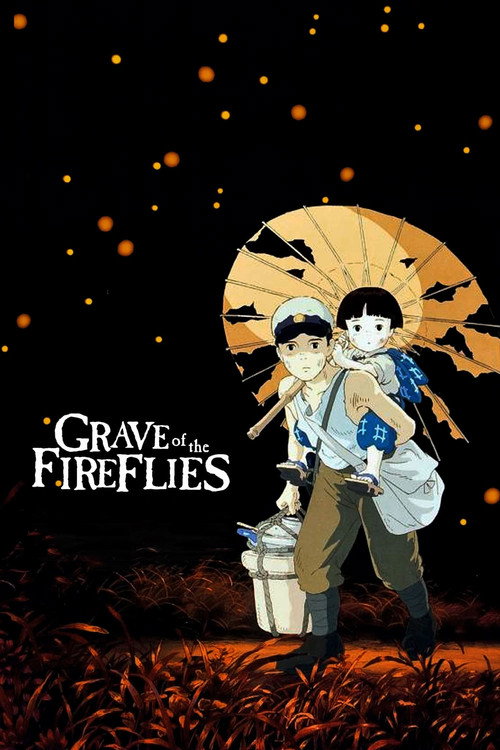
Grave of the Fireflies1988
Both films examine how individual virtue is helpless against institutional machinery. Both refuse sentimentality. Both accept that sometimes the best you can do is endure and help someone else endure.
Isao Takahata's animated masterpiece about two siblings starving during the firebombing of Tokyo. It has nothing to do with samurai, but it shares Zatoichi's unflinching gaze at how ordinary systems destroy ordinary people. Devastating and necessary.
But Not entertainment in any fun sense. Watching it is an act of witness, not escape. Deeply sad. You will need to sit quietly afterward.
People
Cast
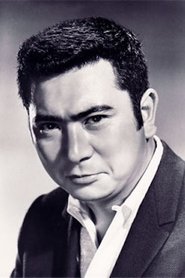 Shintarō KatsuZatoichi
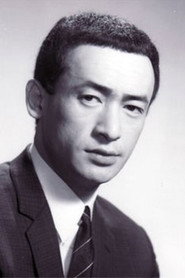 Mikio NaritaTadasu Jumonji
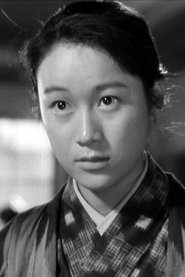 Kaneko IwasakiOtane
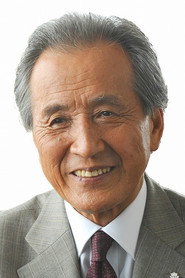 Gaku YamamotoTomonoshin Sagawa
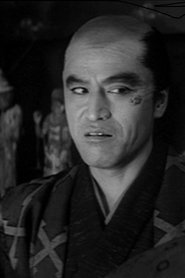
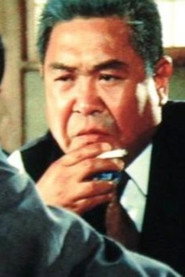 Tatsuo EndōYakuza boss of Ejimaya
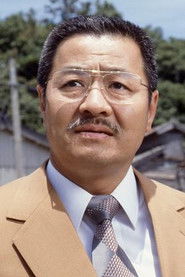

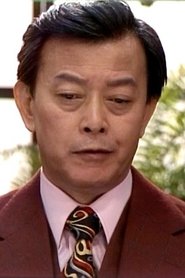
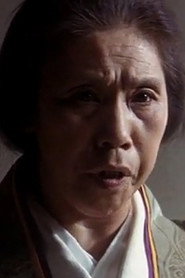 Kanae KobayashiWidow Tarozaemon
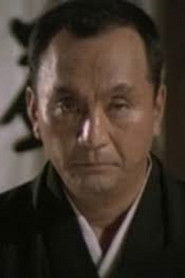 Fujio SugaInjury prone Banyu yakuza
- Rokkō TouraCrippled yakuza
Directing
- Kenji MisumiDirector
Writing
- Kan ShimozawaOriginal Story
- Daisuke ItōScreenplay
Production
- Hisashi OkudaProducer