
Film
Sleepy Eyes of Death 1: The Chinese Jade
A cynical masterless swordsman with a lethal technique gets pulled into a web of clan corruption, double-crossing, and unexpected love. This 1963 Japanese action film moves with lean efficiency—no wasted scenes, just skill, betrayal, and moral compromise. If you want samurai cinema that trusts you to keep up and doesn't pause for philosophy, this is it.
If you liked this
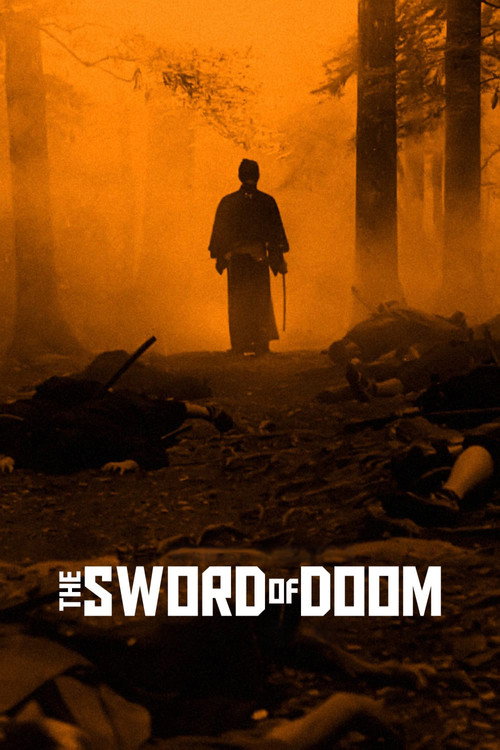
The Sword of Doom1966
Tatsuya Nakadai as an amoral swordsman navigating similar terrain: corruption, violence, and a protagonist too cynical for redemption. Same era, same moral ambiguity, same refusal to soften the edges.
But Slower and more austere than Sleepy Eyes. Less plot momentum, more existential dread. Some find it oppressively bleak.
Harakiri1962
The masterpiece of samurai cinema. Masaki Kobayashi's meditation on honor, corruption, and the cost of survival in a rigged system. A year earlier than Sleepy Eyes but operating in the same moral universe.
But Deliberately paced and formally composed. This is chamber drama in a duel film's body. Not for viewers who need constant movement.

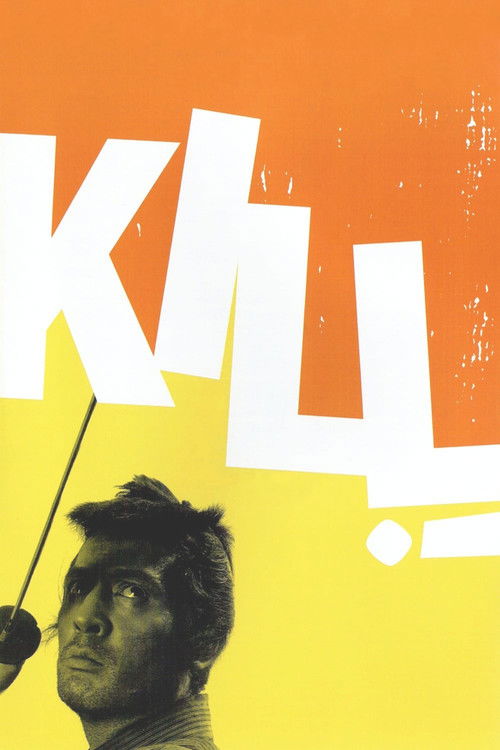
Kill!1968
Kihachi Okamoto's violent, cynical action film about masterless swordsmen scraping by. Raw, funny, brutal, and completely uninterested in samurai mythology. Pure kinetic storytelling.
But The humor is dark and the tone whipsaws. Some scenes feel cruel rather than cathartic. Uneven in a way that works for some viewers and alienates others.
Not sure tonight? Get a pick in a minute, starting from Sleepy Eyes of Death 1: The Chinese Jade
The wildcard
Something you would not have found on your own.
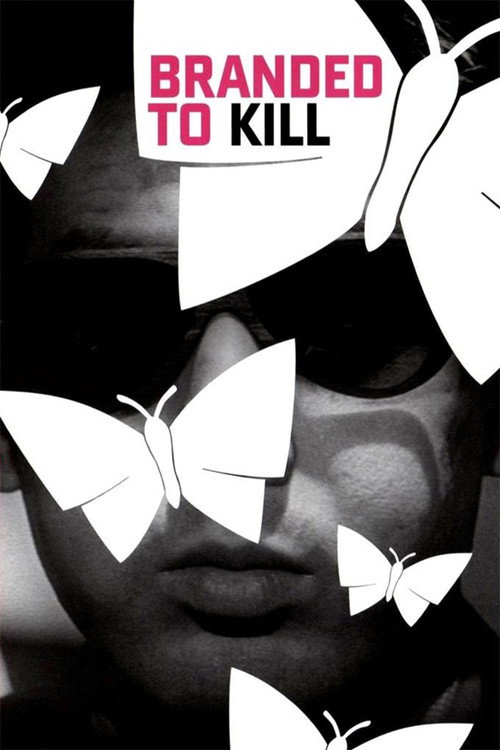
Branded to Kill1967
Both follow a hardened professional whose mastery becomes worthless against emotional vulnerability. Suzuki takes the concept and dissolves it into pure cinema.
Seijun Suzuki's surreal yakuza masterpiece about a contract killer destroyed by love and obsession. Same core as Sleepy Eyes—a skilled, cynical protagonist undone by feeling—but shot through a hallucinatory, avant-garde lens. Sees the same story from the future.
But Deliberately disorienting. The narrative fractures, dream logic governs pacing, and rational plot resolution is abandoned. Challenging for viewers who want clarity.
More like this (7)
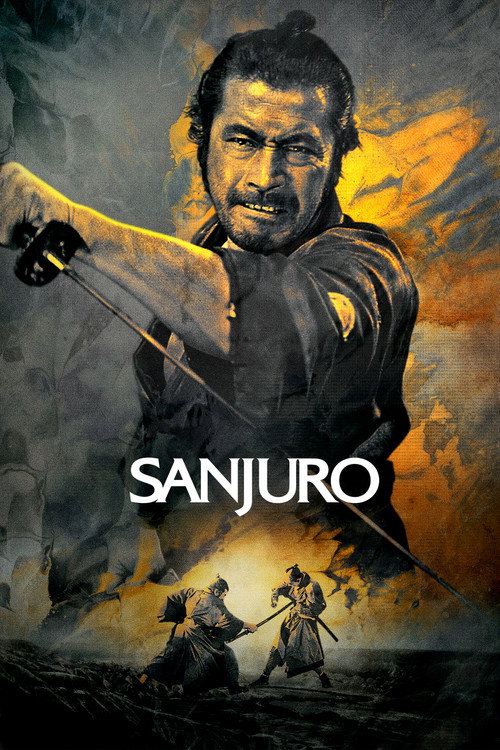
Sanjuro1962
Akira Kurosawa's lean action film about hired swords and divided loyalties. Gorgeous compositions and a famous explosive finale. Shows what the samurai film could do when focused purely on intrigue and skill.
But Only 96 minutes and sometimes feels like it's leaving things on the table. Kurosawa's reputation means you expect more depth than the script quite delivers.
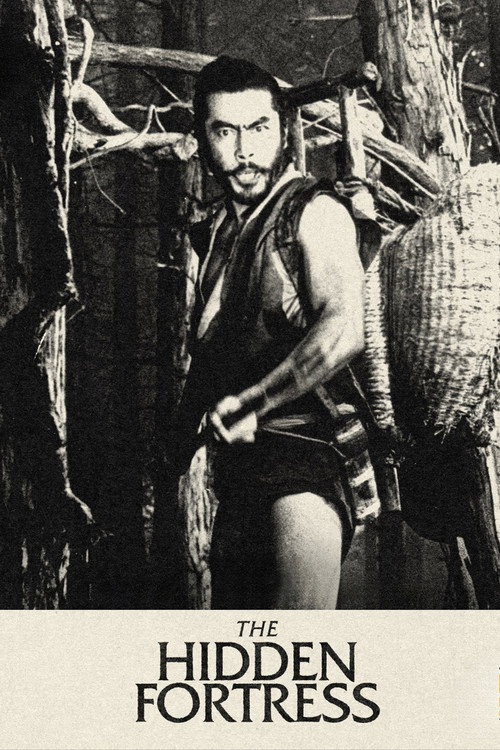
The Hidden Fortress1958
Kurosawa's adventure about a general protecting a princess through enemy territory. Rousing, clever, and endlessly influential. A reminder of what samurai cinema could accomplish with entertainment as the primary goal.
But Much more straightforward than Sleepy Eyes—heroes are heroes, the tone is rarely cynical. If you're seeking moral ambiguity, this isn't it.
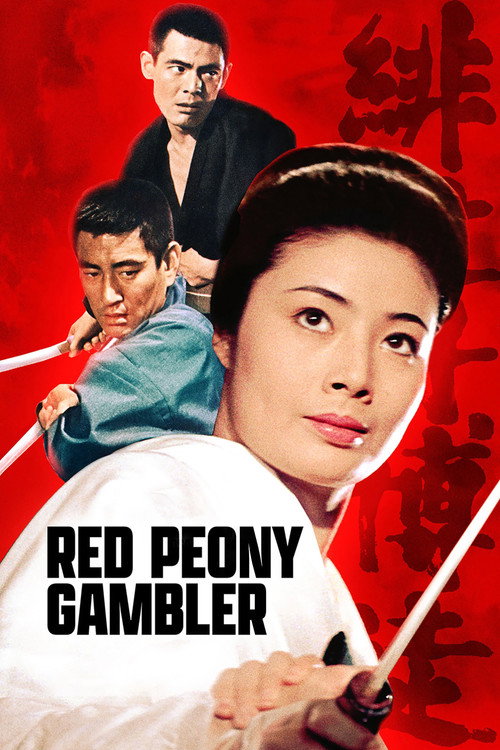
Red Peony Gambler1968
Masaru Tsushima's yakuza picture about a woman operating in criminal underworld. Female lead navigating male-dominated corruption with skill and calculation. Same era, same Japanese underworld sensibility, different setting.
But Less action-heavy than expected. More about psychology and poker faces than swordplay. Pacing assumes patience.
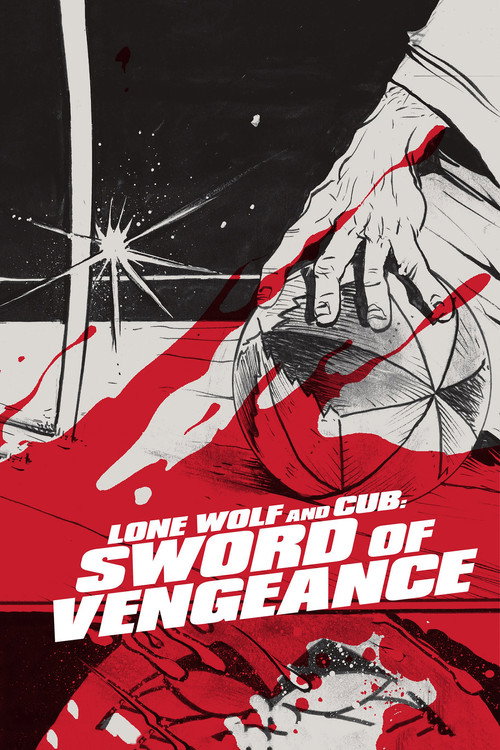
Lone Wolf and Cub: Sword of Vengeance1972
The first of the ultra-violent series about a ronin with a child, hunted by powerful enemies. Gorgeously composed, fantastically brutal, and utterly assured in its vision. Action cinema that trusts its own aesthetics.
But Genuinely shocking violence, including toward a child. The gore and sadism are not stylized away. Not a film for squeamish viewers.
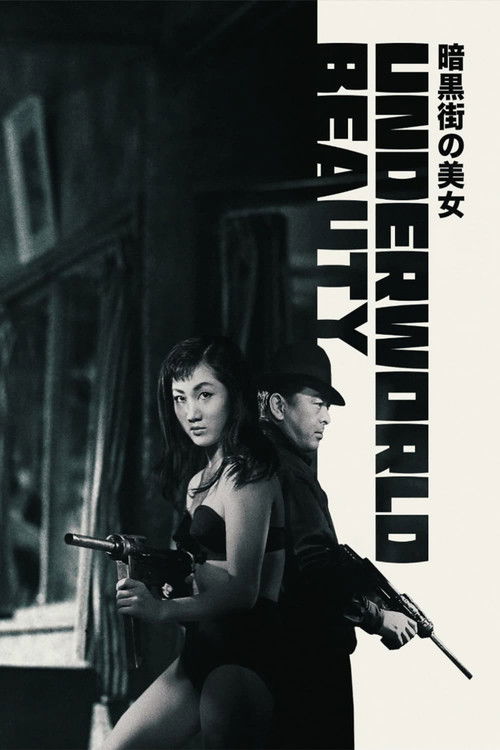
Underworld Beauty1958
Seijun Suzuki's yakuza noir about desire and betrayal in Tokyo's criminal scene. Stylish, cynical, and operating in the same moral fog as Sleepy Eyes. A window into Suzuki's sensibility before he became famous.
But Melodramatic by modern standards and the plot mechanics creak a little. Black-and-white, low budget, made quickly. Shows its seams.
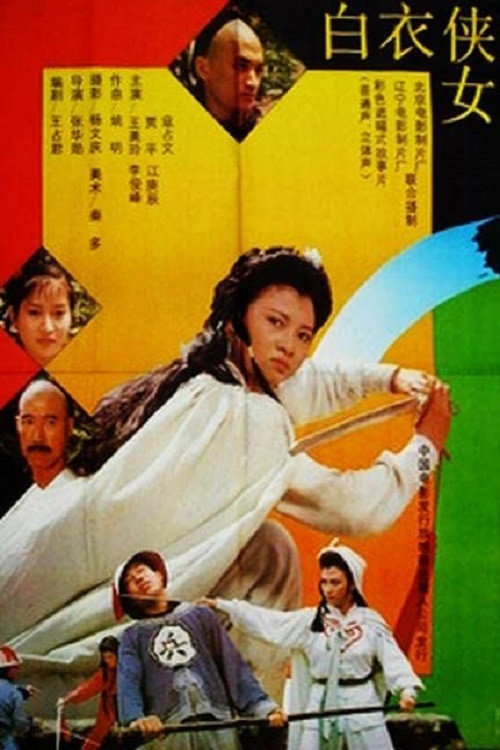
The Swordswoman in White1992
The DNA of every cynical action film about skilled outsiders caught between factions. This is where it began—Sleepy Eyes stands on its shoulders.
Ao Chen's silent Chinese wuxia film—the grandfather of everything that came after. A skilled fighter navigating male-dominated intrigue, corruption, and love. Sixty years before Sleepy Eyes, the template is already set. Thrilling proof of cinema's oldest language.
But Silent, fragile print, intertitles that sometimes confuse rather than clarify. The acting register is foreign to modern eyes. Requires active viewing.
In the Mood for Love2000
Both are obsessed with the moment skill fails—when the protagonist's mastery (swordplay, emotional control) cannot protect them from what they feel. One accelerates, one freezes.
Wong Kar-wai's dreamlike romance about two neighbors who discover their spouses are having an affair. Gorgeous, melancholic, obsessed with restraint and longing. Shows what happens when the love story in Sleepy Eyes becomes the entire film, slowed to unbearable poignancy.
But Glacially slow. Repetition as narrative strategy. No action, no plot momentum—purely mood and color. The antithesis of genre efficiency.

People
Cast
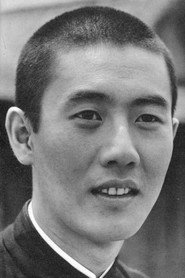 Raizō IchikawaNemuri Kyoshiro
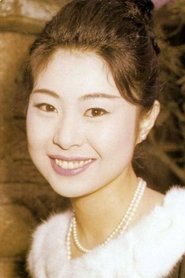 Tamao NakamuraChisa
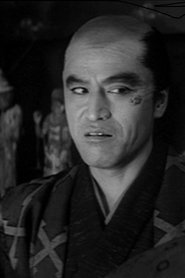 Saburo DateZeniya Gohei
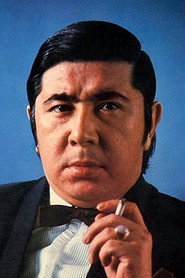 Tomisaburō WakayamaChen Sun
Directing
- Shigeru DoiAssistant Director
- Tokuzō TanakaDirector
Writing
- Renzaburō ShibataOriginal Story
- Seiji HoshikawaScreenplay
Production
- Kyuichi TsujiProducer