
Film
Underworld Beauty
A 1958 Japanese noir about an honorable yakuza fresh from prison, torn between debt and desire when a greedy boss circles his hidden diamonds. Mizushima carries the film with quiet dignity as Miyamoto navigates loyalty, betrayal, and temptation in postwar Tokyo's underworld. Stylish, lean, and morally complicated—for anyone who loves crime films that trust their audience.
If you liked this
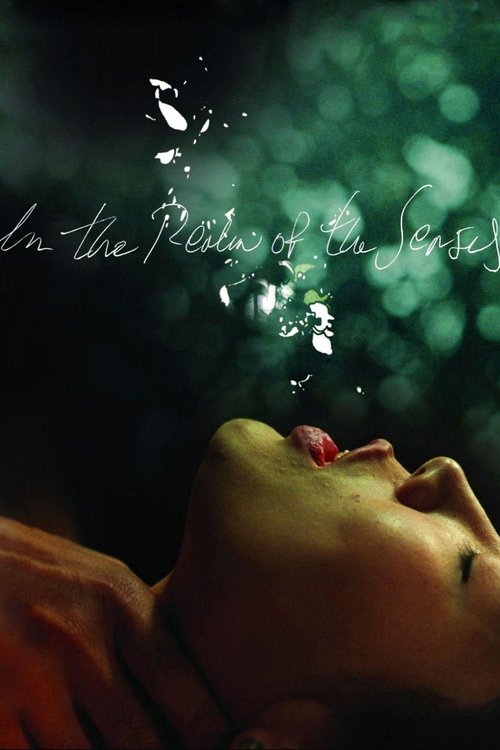
In the Realm of the Senses1976
Nagisa Oshima's landmark Japanese film shares Underworld Beauty's fixation on desire as a force that obliterates reason. Equally bold about the body and the psyche, equally willing to let transgression speak for itself.
But It's extremely explicit. The sex is not titillation; it's the subject. If you need narrative distance, this will feel confrontational rather than thrilling.
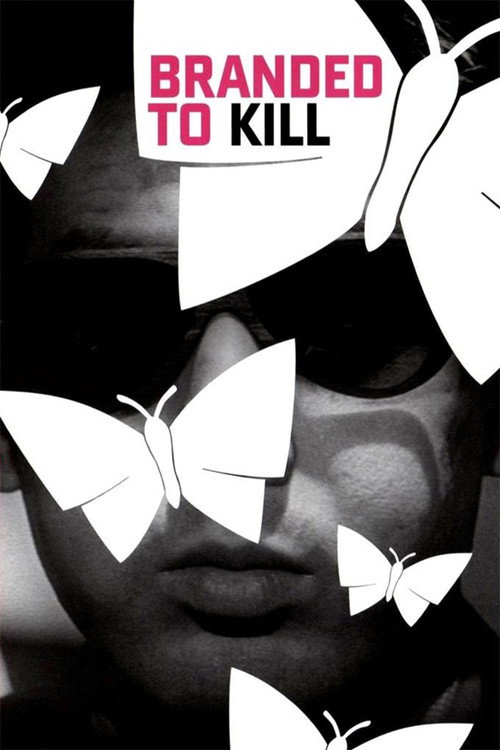
Branded to Kill1967
Suzuki Seijun's masterpiece of yakuza cinema shares the same postwar Tokyo setting and moral fog. Every frame bristles with style; the story spirals beautifully into madness. This is what happens when a crime film stops pretending logic matters.
But It's deliberately disorienting. The plot dissolves. If you want to follow a thread from A to B, you'll spend the runtime frustrated instead of enthralled.
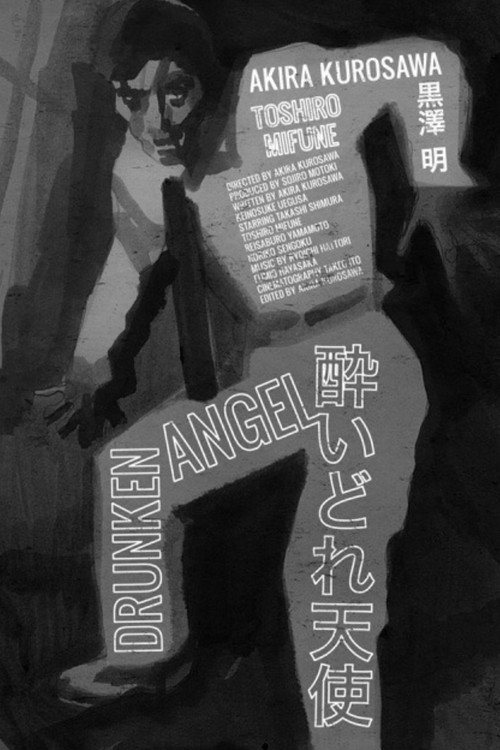
Drunken Angel1948
Kurosawa's portrait of a yakuza and a doctor in postwar Tokyo predates Underworld Beauty by a decade but shares its moral ambiguity and visual poetry. It's where the Japanese crime film learns to see itself as tragedy, not just spectacle.
But It moves slowly and relies on atmosphere over plot. The ending carries weight precisely because nothing has been resolved, which some viewers find unsatisfying.
Not sure tonight? Get a pick in a minute, starting from Underworld Beauty
The wildcard
Something you would not have found on your own.
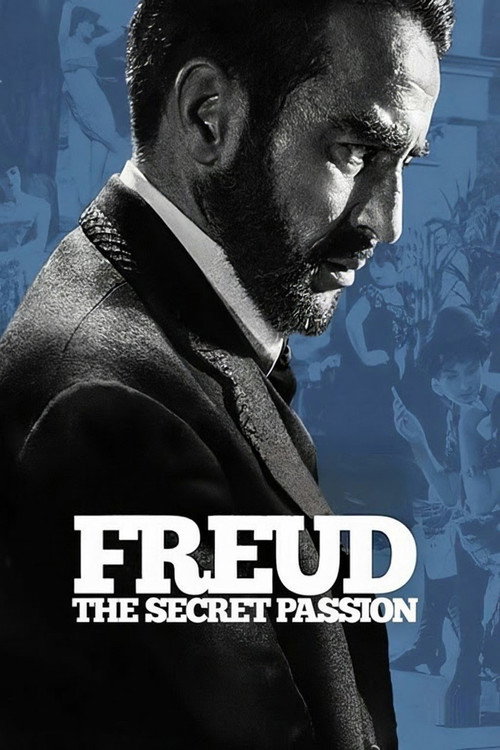
Freud: The Secret Passion1962
Both films use crime and honor as prisms for questions about authenticity and obligation. Both trust that the viewer can hold moral contradiction without resolution.
Jean-Luc Godard's film uses a crime plot as skeleton for something far stranger—meditations on morality, cinema, and how stories shape us. Like Underworld Beauty, it's obsessed with characters trapped by their own codes. But Godard makes the cinematic apparatus itself the subject.
But It's experimental and difficult. Godard abandons narrative logic for philosophical inquiry. If you need plot to hold you, this will feel like watching someone think, not watching a film.
More like this (8)
Harakiri1962
Masaki Kobayashi's film about honor, codes, and the yakuza world captures the same collision between personal loyalty and brutal systems. The cinematography is devastating. It asks what honor costs and never looks away from the answer.
But It's bleak and operatic. The final act is stomach-turning. This is not a film that lets you sit comfortably with the genre's romance.

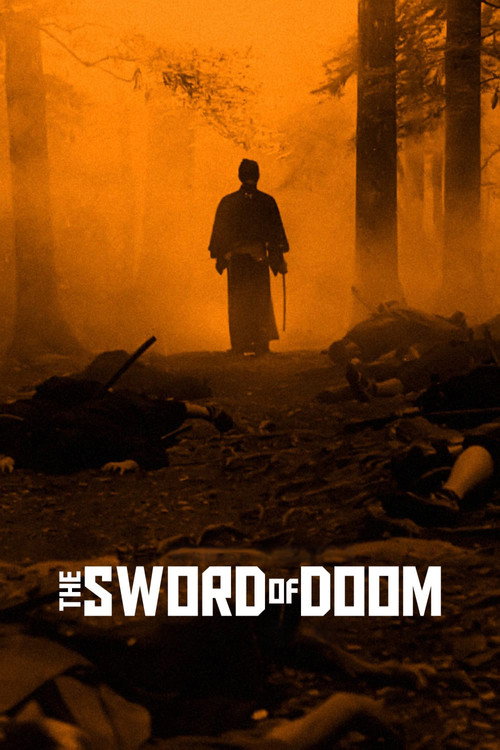
The Sword of Doom1966
Tatsuya Nakadai's wandering swordsman carries the same moral weight as Miyamoto—a man skilled at violence, trapped by obligation, watching the world calcify around him. It's violent and philosophical in equal measure, stunningly shot in black and white.
But It's deliberately unglamorous about what violence does to the soul. There's little catharsis, no triumph. If you want the samurai code celebrated, you'll find only its erosion.
Tokyo Story1953
Ozu's masterpiece isn't a crime film, but it shares Underworld Beauty's quiet observation of postwar Japanese life and moral complexity. It teaches you how to watch Japanese cinema—how much can be said without saying it.
But Almost nothing happens. It's contemplative to the point of stillness. This requires patience and a willingness to find meaning in silences.

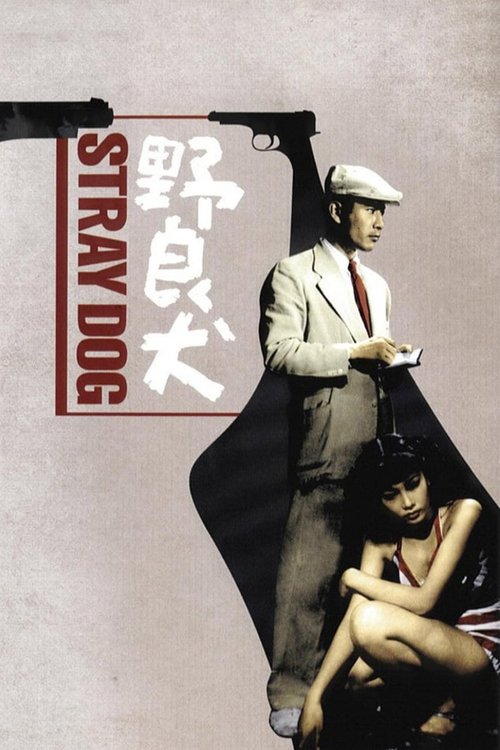
Stray Dog1949
Kurosawa's earlier police procedural shares the Tokyo setting and moral murkiness. A detective and a criminal shadow each other through the city; the line between them blurs. It's tense, humanist, and visually inventive throughout.
But The middle section drags as the detective retraces his steps. Procedural detail matters more than momentum. Some will find it deliberate; others will find it slow.
The Killing1956
Kubrick's racetrack heist film came out two years before Underworld Beauty and shares its fascination with men bound by codes they half-believe in. The structure is dazzling; the moral calculation is cool and precise.
But The genre mechanics dominate. If you're looking for emotional depth or psychological complexity, the film's surface perfection might feel like a magician refusing to show you how it's done.

The Asphalt Jungle1950
John Huston's American heist classic laid down many rules the Japanese crime film would adopt and adapt. It's efficient, beautifully choreographed, and full of men bound to a code that won't save them.
But It's a Hollywood film from 1950, which means it moves briskly but feels antiquated in rhythm. If you want the Japanese sensibility, this is the Western template, not the perfection.

The Seventh Seal1957
Both are postwar films about men bound by codes they inherit but don't entirely control. Both use crime or fate as a lens for asking what obligation means when the world has been remade.
Bergman's knight plays chess with Death; Miyamoto plays chess with Fate. Both films are about men confronting the systems that bind them. It's visually austere and philosophically dense, yet deeply human. A masterpiece that shares Underworld Beauty's gravity.
But It's Swedish, it's from 1957, and it's explicitly about mortality and God. If you want contemporary pacing or secular storytelling, you'll find it alien and slow.

In the Mood for Love2000
Both films are obsessed with characters bound by social codes that prevent them from acting on desire. Both use visual beauty as a way of expressing internal constraint. Both trust silence over speech.
Wong Kar-wai's Hong Kong film shares Underworld Beauty's visual intoxication and its interest in desire thwarted by circumstance and code. Two neighbors fall in love without touching; the film lives in what cannot be said. It's lush, aching, and utterly precise.
But Nothing dramatic happens. The entire film is restraint and atmosphere. If you need plot momentum or explicit emotion, you'll read this as glacial rather than hypnotic.

People
Cast
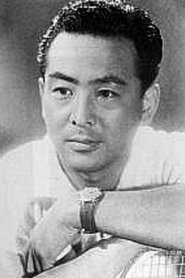 Michitarō MizushimaMiyamoto
 Mari ShirakiAkiko
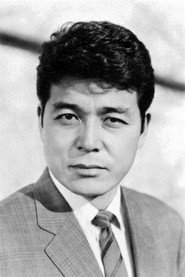 Hideaki NitaniDetective Watanabe
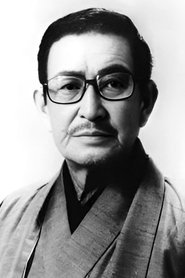 Shinsuke AshidaÔyane
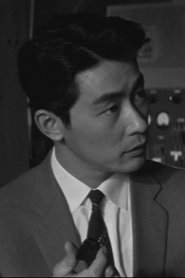 Hiroshi KondōArita
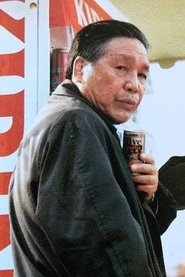 Kaku TakashinaOzawa
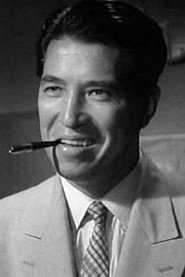 Tōru AbeMihara
- Bumon KaharaHatano
- Jun MiyazakiYoneyama
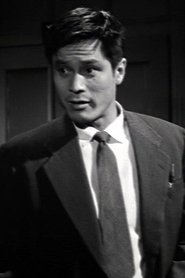 Shōki FukaeFujita
- Seijiro TakanoPolice Officer
Directing
- Kazunari TakedaAssistant Director
- Seijun SuzukiDirector
- Midori KuwabaraScript Supervisor
Writing
- Susumu SajiOriginal Story
- Susumu SajiScreenplay