
Film
Drunken Angel
- Drama
- Very dark
Kurosawa's debut feature pairs a dissolute doctor with a tubercular yakuza in postwar Tokyo, tracing their reluctant connection across moral decay and impossible redemption. It's intimate and furious, shot through ruins. A film about men who cannot save each other, only see each other clearly. Essential cinema.
If you liked this
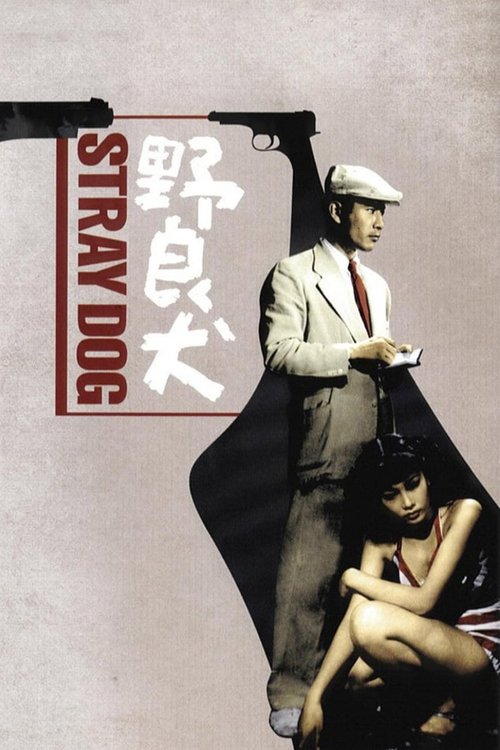
Stray Dog1949
Kurosawa again, a year later, with Mifune as a detective hunting a stolen pistol through Tokyo's black market. Leaner, darker, and it deepens every theme Drunken Angel raised about duty and the men society abandons.
But Postwar noir can feel remote from modern life. The pacing is deliberate—this is not a plot that rushes.
Harakiri1962
Masaki Kobayashi's masterwork about a samurai seeking seppuku in a feudal clan. Like Drunken Angel, it's a film about men trapped by codes they can't break, shot in stark black and white with terrible clarity.
But It is genuinely bleak and ends with almost no mercy. Not a film you watch again soon.

Tokyo Story1953
Ozu's elegiac meditation on family, time, and what remains after war. Shot with the same quiet intelligence as Drunken Angel, it finds grace in small moments between people who love each other and cannot quite say it.
But The pacing is glacial. If you need narrative momentum, you will feel it as stasis.

Not sure tonight? Get a pick in a minute, starting from Drunken Angel
The wildcard
Something you would not have found on your own.
The Asphalt Jungle1950
Both depict criminal worlds as places where men are trapped by circumstance and honor, filmed with documentary clarity and no sentimentality.
Huston's American heist film came out two years after Drunken Angel and shares its DNA—the underworld as a closed system, men bound by codes they didn't choose, class anxiety and survival. It's the proof that Kurosawa was reaching for something universal.
But It's a genre piece, so the emotional register is cooler. And it's American, which means a different temperament entirely.

More like this (8)
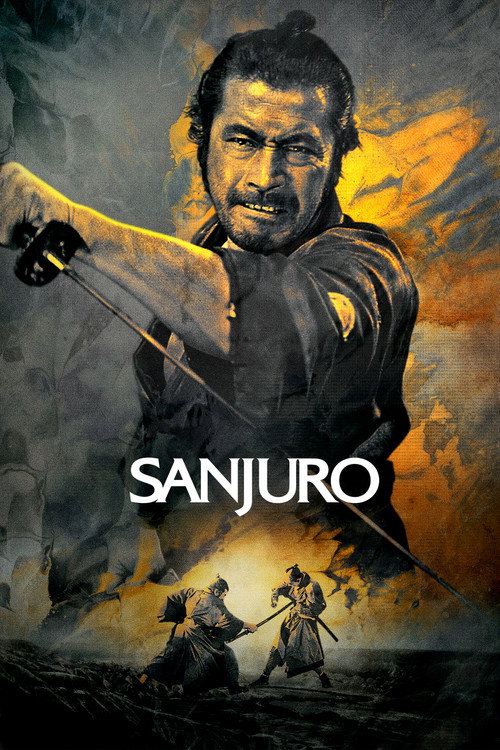
Sanjuro1962
Kurosawa's late samurai film, with Mifune again, but now playing a lord instead of a street thug. It echoes the class anxiety of Drunken Angel—the weight of honor, the men who cannot live up to it.
But It's less profound than his masterpieces and more plot-driven. Some find it uneven.
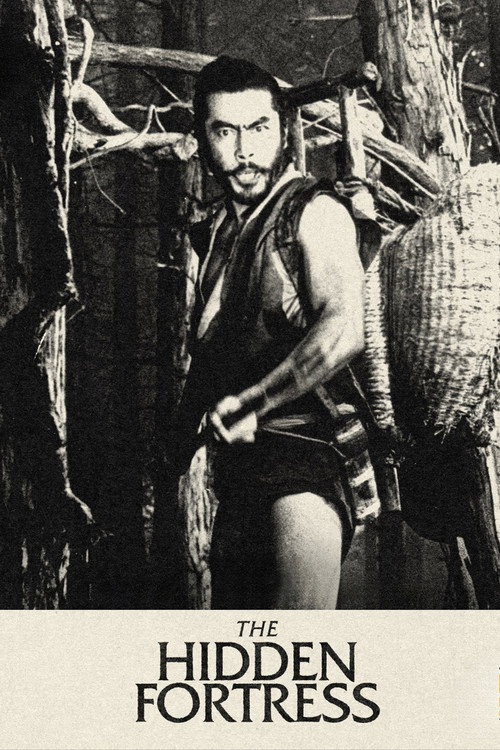
The Hidden Fortress1958
Kurosawa at his most exuberant, but beneath the adventure is the same moral exhaustion. Mifune plays a general protecting a princess through hostile country. It influenced Star Wars and The Great Escape.
But It's a romp, which means the character work sits lighter than in his finest films.
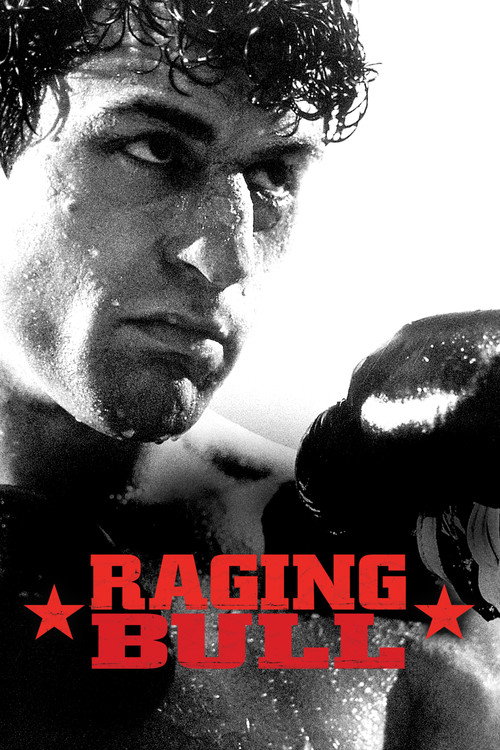
Raging Bull1980
Scorsese's portrait of a man unable to escape himself, shot in black and white to echo the boxing films Kurosawa loved. It's about violence, jealousy, and the impossibility of redemption—Drunken Angel's children.
But The protagonist is nearly impossible to like and the film does not soften that. Punishing.
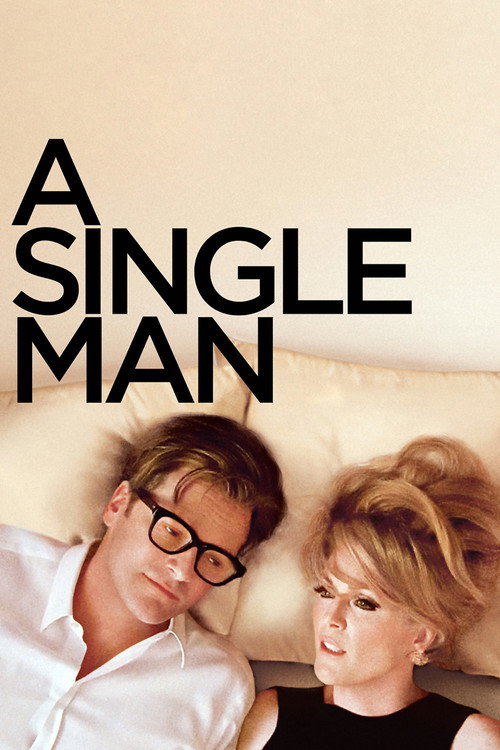
A Single Man2009
Tom Ford's debut, a study of grief and isolation in a single day. Like Drunken Angel, it finds depth in a man's face and the small refusals that constitute a life. Visually precise and heartbreaking.
But It's slow, interior, and offers no resolution. Some will find it too sad to endure.
The Third Man1949
Carol Reed's postwar Vienna noir, the same year as Stray Dog. A man searches for a friend in the ruins of a shattered city. It has Drunken Angel's moral confusion and its stunning black-and-white cinematography.
But The ending is ambiguous in ways that upset people. Some find the plot more important than the characters.

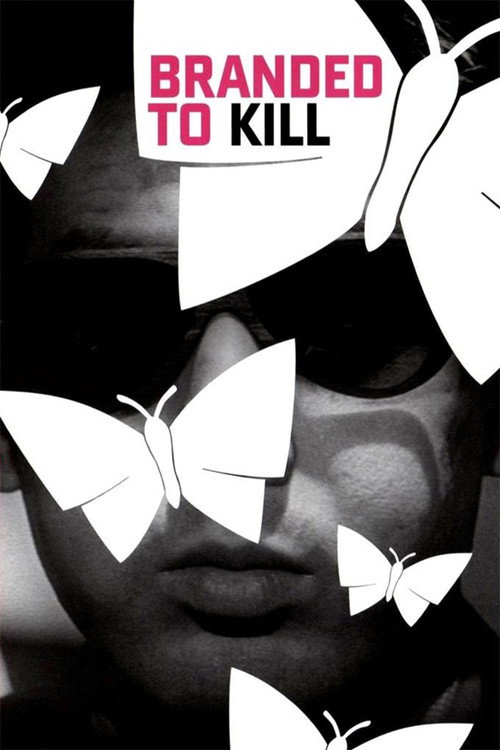
Branded to Kill1967
Seijun Suzuki's yakuza film, surreal and violent and desperate. It's a spiritual sibling to Drunken Angel—a man of the underworld who cannot escape, shot with such style it becomes poetry.
But It is deliberately difficult and oblique. The narrative is secondary to mood and image, which will frustrate some viewers.
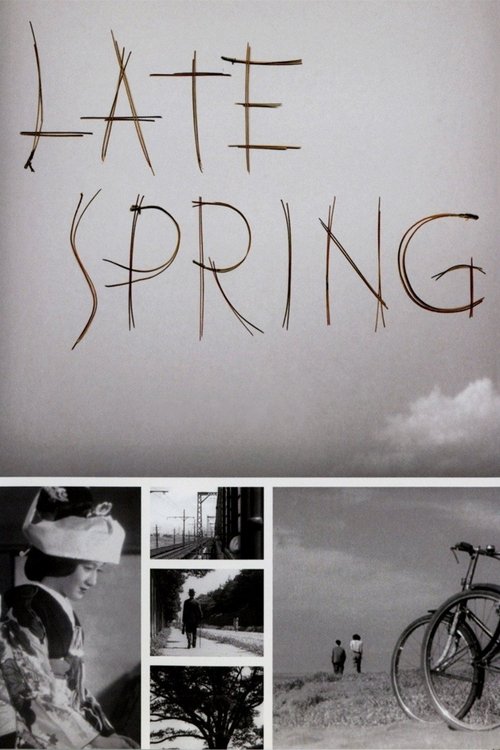
Late Spring1949
Both are Japanese films about connection between people who cannot quite save each other, using close observation instead of melodrama.
Ozu's film about a father and daughter, released the same year as Stray Dog. It's quieter than Drunken Angel but haunted by the same postwar melancholy—men and women unable to save each other from time and circumstance.
But If you don't attune to Ozu's rhythms, it can feel like nothing is happening. It rewards patience you may not have.
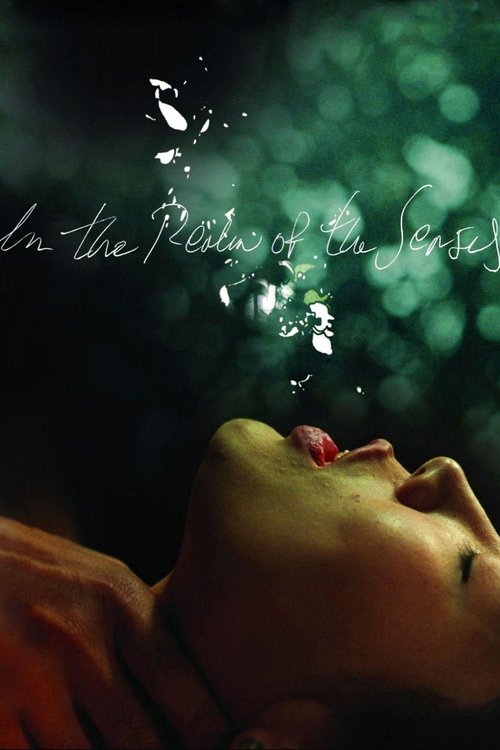
In the Realm of the Senses1976
Both are Japanese films about men and women trapped in cycles they cannot break, filmed with unflinching honesty about the body and about postwar alienation.
Nagisa Oshima's transgressive masterpiece about obsessive desire and the body's impossibility. It's as much about being trapped—in desire, in history, in postwar Japan's new freedoms and old constraints—as Drunken Angel, just at the opposite extreme of the body.
But It contains explicit sexual content and is graphically violent. It has been banned. It is difficult in every way a film can be.
People
Cast
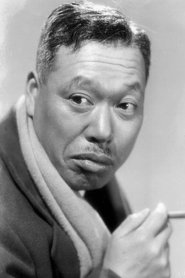 Takashi ShimuraSanada
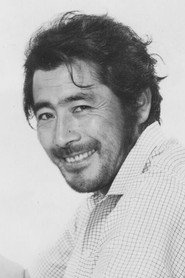 Toshirō MifuneMatsunaga
- Reizaburo YamamotoOkada
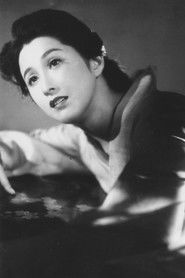 Michiyo KogureNanae
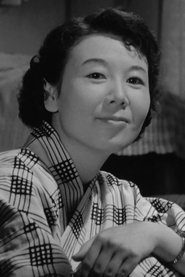 Chieko NakakitaMiyo
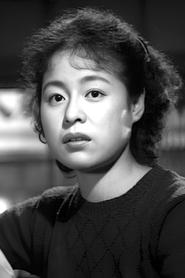
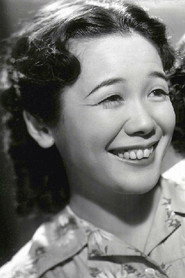 Shizuko KasagiSinger
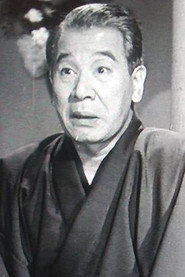 Eitarō ShindōTakahama
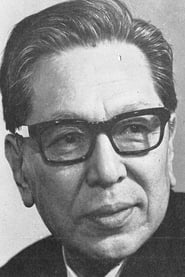 Masao ShimizuOyabun
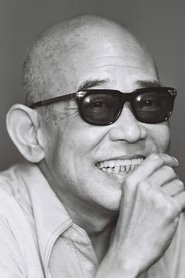 Taiji TonoyamaShop Proprietor
 Yoshiko KugaSchoolgirl
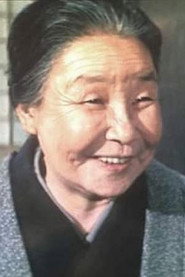 Chōko IidaBâya
Directing
- Akira KurosawaDirector
Writing
- Akira KurosawaWriter
- Keinosuke UekusaWriter
Production
- Sōjirō MotokiProducer