
Film
Kill!
Other titles called Kill!: the 2024 film.
A 1968 samurai comedy-action film where two broke swordsmen—one dreaming of nobility, one running from his past—stumble into a clan war. Tatsuya Nakadai's weathered charisma anchors a film that's funny without winking, brutal without preaching, and genuinely inventive about how bodies move through space. For anyone who thinks samurai films are all solemnity and tea ceremonies.
If you liked this
Harakiri1962
Masaki Kobayashi's masterpiece deconstructs samurai honour with devastating precision. If Kill! made you curious about what the genre was really capable of, this is the film that rewired it.
But It's punishing—methodical, cold, and designed to make you uncomfortable. Nearly three hours of beautiful, quiet cruelty.

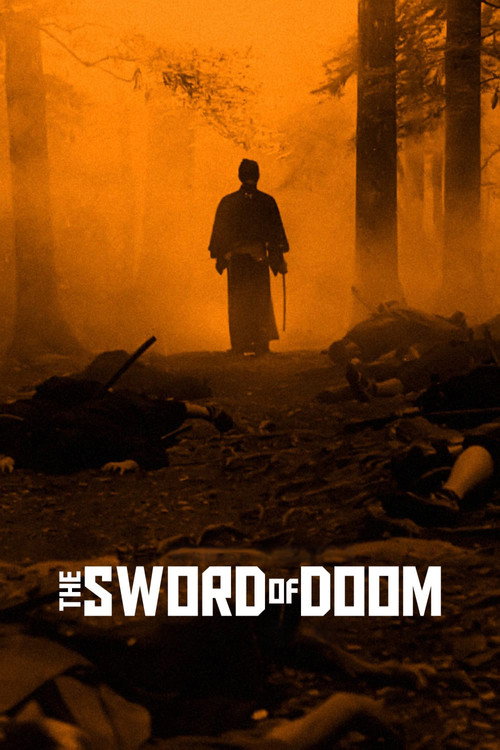
The Sword of Doom1966
Tatsuya Nakadai again, as a sociopathic swordsman in a film that's as strange and fractured as its protagonist. Bleak, hypnotic, visually daring in ways most samurai films wouldn't dare attempt.
But The narrative is deliberately oblique and the ending will leave you unsettled rather than satisfied. Not a comfortable watch.
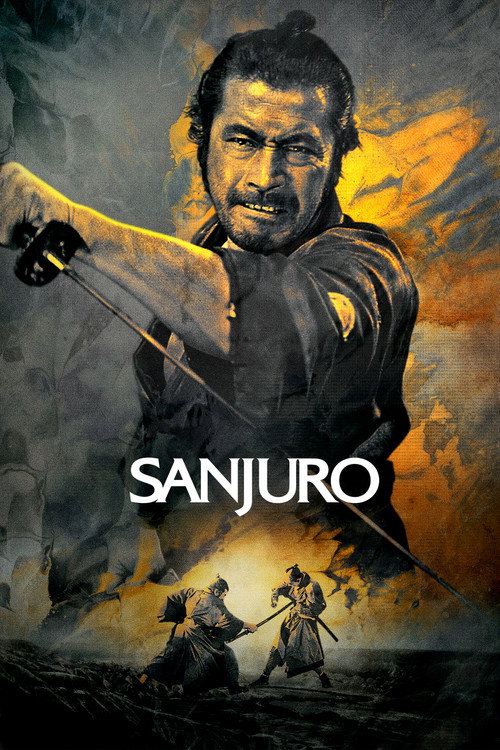
Sanjuro1962
Kurosawa's scrappy, funny action-comedy about masterless samurai causing chaos. Shares Kill!'s irreverent energy and its refusal to treat sword-fighting as sacred ritual.
But Kurosawa was experimenting here—it's looser and messier than his more famous work, and that doesn't always land.
Not sure tonight? Get a pick in a minute, starting from Kill!
The wildcard
Something you would not have found on your own.
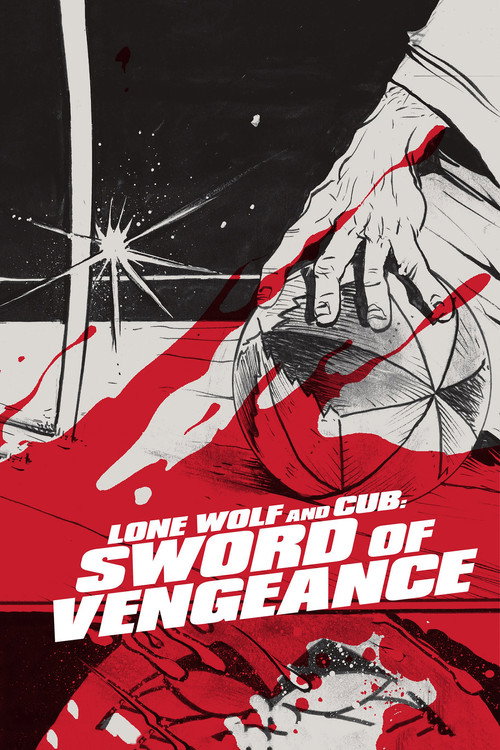
Lone Wolf and Cub: Sword of Vengeance1972
Both films reject samurai-film solemnity in favour of working-class, morally ambiguous protagonists; both are structured around wandering and hired work rather than noble purpose.
A samurai with a child in a cart becomes an instrument of revenge. It's technically a period action film, but it's structured like a Western—episodic, moral, balladic. Same DNA as Kill! but filtered through manga and a completely different aesthetic.
But The violence toward the child is not symbolic or off-screen. If you need your samurai films to be dignified, this will disturb you.
More like this (7)
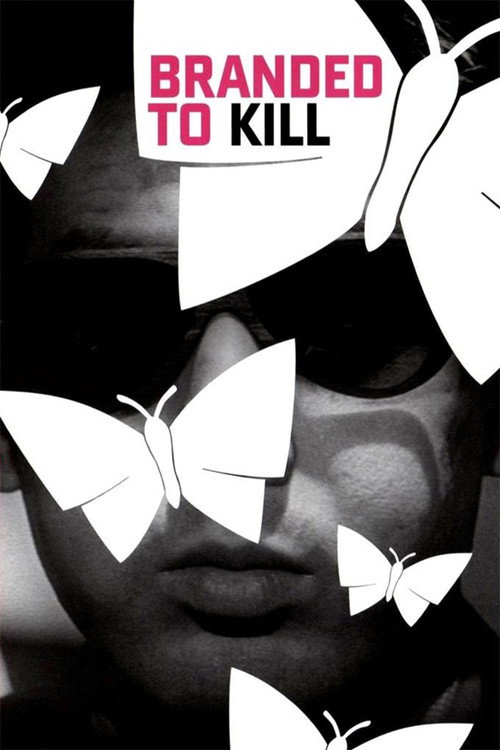
Branded to Kill1967
Seijun Suzuki's surreal yakuza masterpiece. Like Kill!, it takes a pulp premise and cranks the style and strangeness up until the film becomes something else entirely.
But The plot doesn't add up in conventional ways. If you need clear narrative logic, you'll be frustrated before the halfway point.
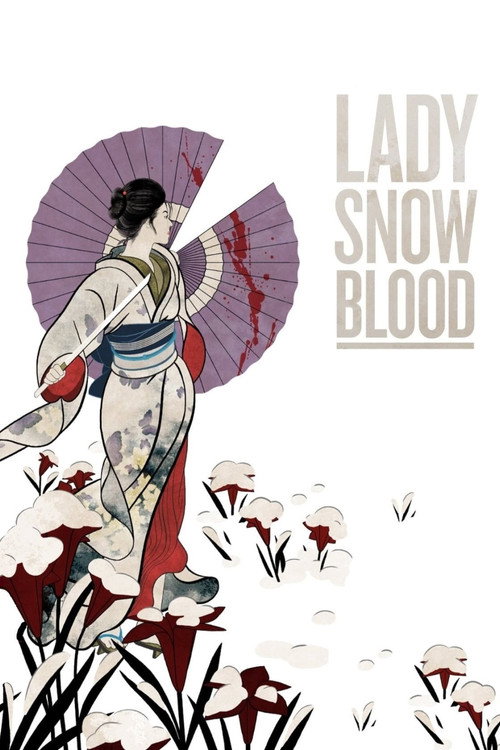
Lady Snowblood1973
A woman seeks revenge through beautiful, balletic violence. Gorgeously composed and darkly funny, it has Kill!'s blend of action and black comedy, with visual flourishes that belong in a museum.
But The colour palette and 1970s framing can make it feel dated to modern eyes, even as the filmmaking is undeniably elegant.
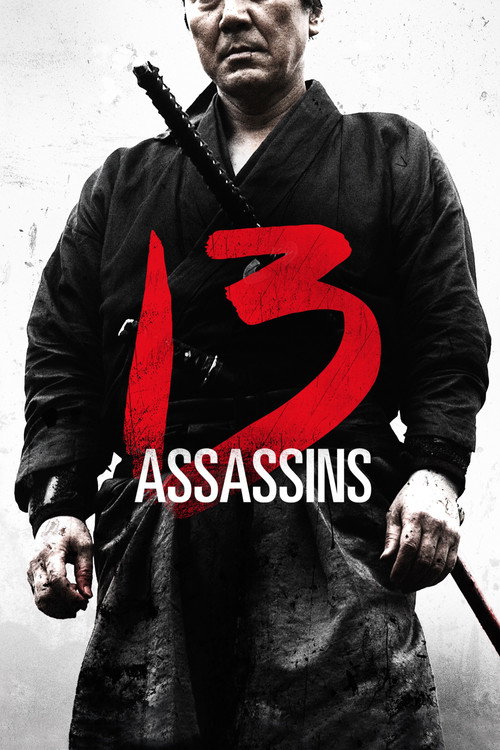
13 Assassins2010
Takashi Miike's visceral, funny samurai action film—a siege narrative with real stakes and real blood. Modern filmmaking with Kill!'s irreverence and energy.
But It's very modern in its brutality and pacing. If you prefer the meditative samurai films, this will feel loud.
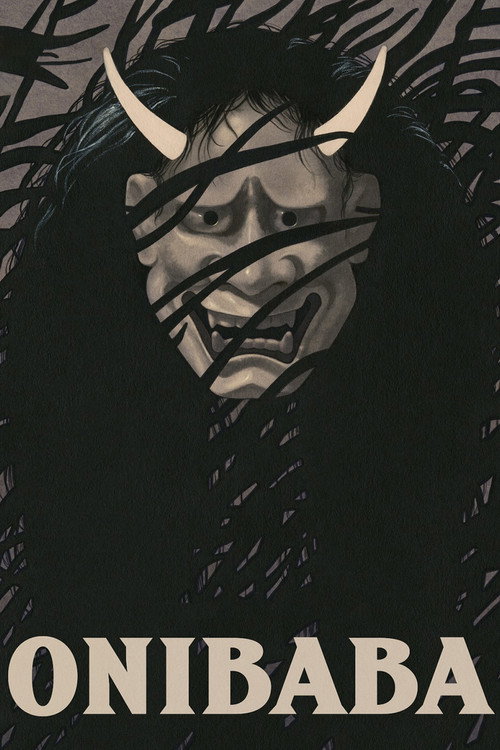
Onibaba1964
A haunting, erotically charged film about survival and deception in medieval Japan. Visually stunning in ways that feel completely different from Kill!, but equally inventive about violence and motivation.
But It's slow, atmospheric, and deeply unsettling. The sexual violence is real and unflinching—this isn't entertainment in the traditional sense.
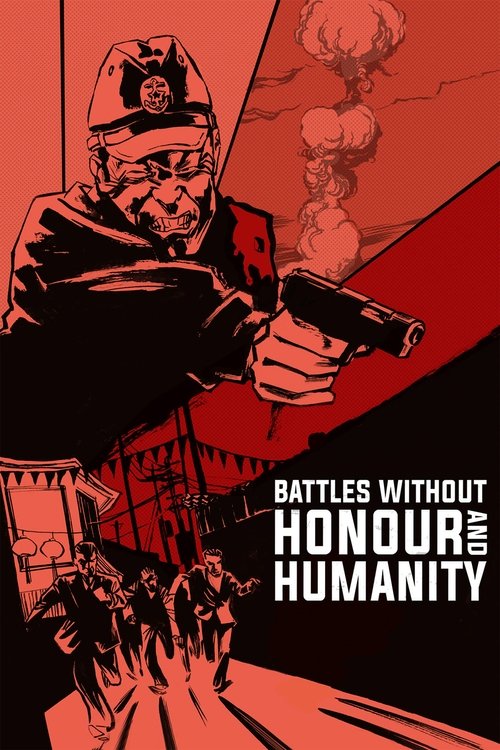
Battles Without Honor and Humanity1973
Kinji Fukasaku's documentary-style yakuza epic is kinetic and darkly comic, with the same gritty authenticity and genre-play that makes Kill! so watchable.
But It's fragmented and muddy in places, and the historical context helps more than it should. The energy keeps it afloat, but barely.
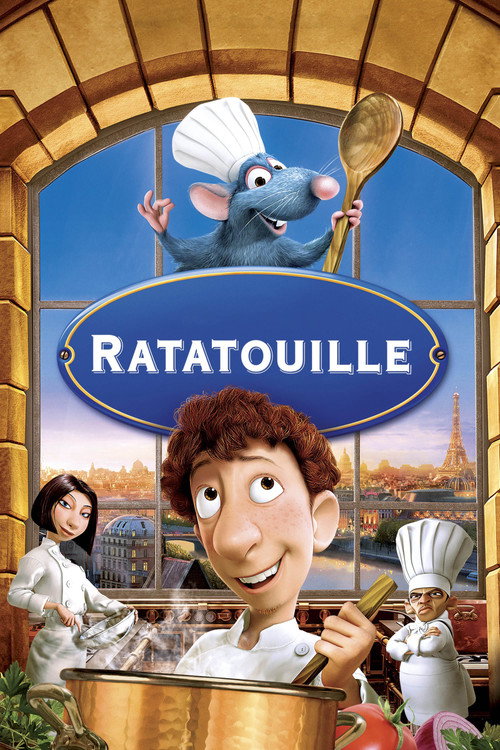
Ratatouille2007
Both are films about low-status characters whose ambition is treated as genuinely noble, not comic fodder. Both balance humour and real stakes without choosing a side.
A rat wants to cook in Paris. Kill! is about a farmer who wants to be a samurai; Ratatouille is about a rat who wants to create beauty in a kitchen. Both are comedies about the ridiculous hunger to transcend your station, and both earn their emotional payoff by never patronizing the dream.
But It's a Pixar film. If you came to Kill! for the sword-fighting, you won't find that here. The tone is completely different.
The Ballad of Little Jo1993
Both films centre on a protagonist trying to reinvent themselves—to become someone they're not—in a lawless place where that reinvention might actually work. Both ask what that costs.
Maggie Greenwald's Western about a woman who passes as a man to survive the frontier. Like Kill!, it's about performance, survival, and the distance between who you are and who you need to be. Quietly radical, visually stark, genuinely moving.
But It's a low-budget indie Western with a female perspective in a male genre. If you're expecting action or excitement, you'll be disappointed. It's introspective and slow.

People
Cast
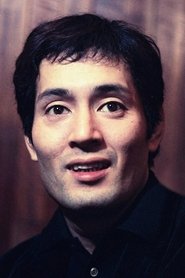 Tatsuya NakadaiGenta
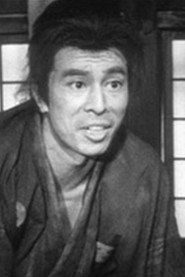 Etsushi TakahashiHanji (Hanjiro Tabata)
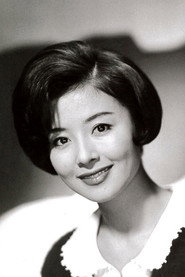 Yuriko HoshiChino Kajii
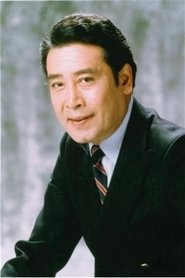 Tadao NakamaruMagobei Shôda
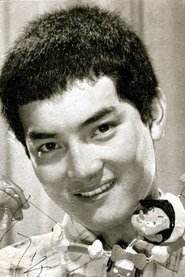 Akira KuboMonnosuke Takei
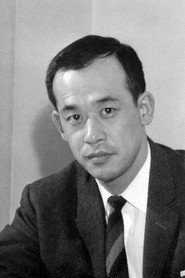 Shigeru KōyamaTamiya Ayuzawa
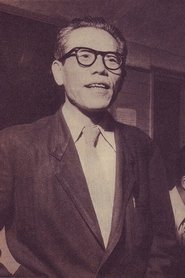 Eijirō TōnoHyogo Moriuchi
 Shin KishidaJurota Arao
 Atsuo NakamuraTetsutaro

 Hideyo AmamotoGendayu Shimada
 Yoshio TsuchiyaShinroku Matsuo
Directing
- Kunihiko WatanabeAssistant Director
- Kihachi OkamotoDirector
Writing
- Shūgorō YamamotoNovel
- Akira MuraoScreenplay
- Kihachi OkamotoScreenplay
Production
- Tomoyuki TanakaProducer
Recommended by
Sword of the Beast, Goyokin, Samurai Assassin, Sleepy Eyes of Death 1: The Chinese Jade, Zatoichi Meets Yojimbo, Zatoichi and the Fugitives