
Film
Sword of the Beast
Hideo Gosha's 1965 masterpiece is a kinetic study of honour fractured and remade. A samurai flees into the wilderness after betrayal, shedding the rigid codes that nearly destroyed him. It's violent, visually audacious, and built on the idea that survival and redemption aren't the same thing—one might cost you everything. For anyone who loves samurai cinema that thinks, not just swings.
Should you watch it?
Watch it if you like hard-edged samurai stories where honor is a wound rather than a costume, with grimy outlaw camps and a lead who broods in the mud more than he struts.
Skip it if you want swordplay that keeps moving, since this is a slow, talky build-up with long stretches of wandering and brooding before the blades come out in earnest.
What it asks of you: Eighty-five minutes, unhurried, and it wants patience in the dark: long quiet stretches in the wilderness, then sudden, brutal bursts of violence.
Not sure? Find tonight's pick in a minute.
If you liked this
Harakiri1962
Masaki Kobayashi's devastating masterpiece dismantles the samurai code from within. Like Gosha, he turns honour itself into the film's true antagonist, examining what loyalty costs when systems corrupt those who follow them.
But It's slower and more meditative than Sword of the Beast, with long stretches of stillness. The violence, when it comes, is as much about moral collapse as action.

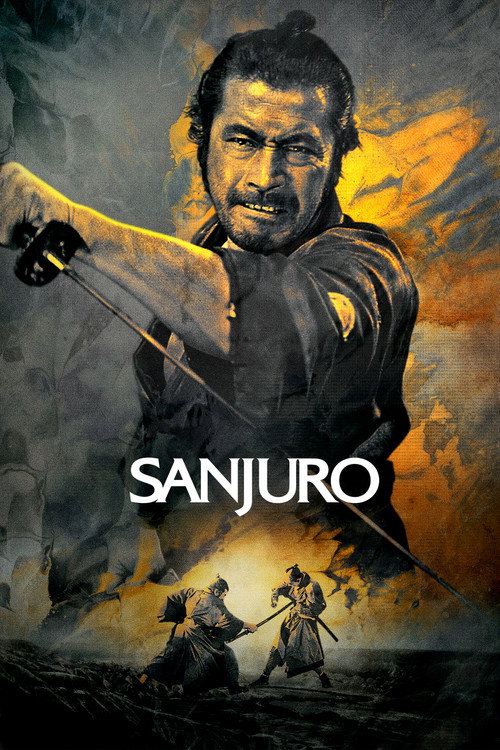
Sanjuro1962
Kurosawa's final samurai film shares Gosha's interest in men caught between feudal duty and survival. It has the same restless energy and an ending that rejects traditional honour entirely, shocking for its time.
But The colour palette can feel garish by modern standards. Some find Kurosawa's later work less focused than his earlier films.
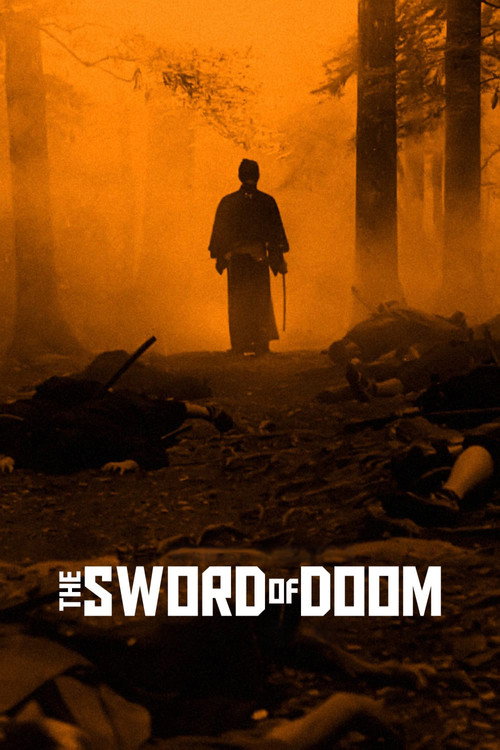
The Sword of Doom1966
Tatsuya Nakadai plays an amoral swordsman pursuing violence for its own sake, a perfect dark mirror to Gennosuke's journey toward redemption. Gosha shot this the year after Sword of the Beast; same sensibility, inverted morality.
But It's bleak and offers no catharsis. The protagonist remains unredeemable, which some find nihilistic rather than powerful.
Not sure tonight? Get a pick in a minute, starting from Sword of the Beast
The wildcard
Something you would not have found on your own.
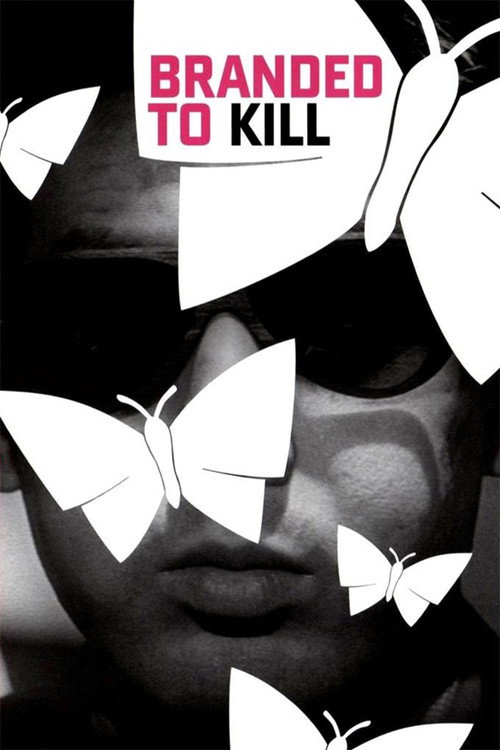
Branded to Kill1967
Both are 1960s Japanese action films about men fractured from their social place, rebuilding identity through violence. Suzuki brings surrealism where Gosha brings realism—the same question asked in two languages.
Seijun Suzuki's yakuza film is the closest thing in 1960s cinema to what Gosha does—a man without honour or home, navigating survival through violence. But Suzuki shoots it like a fever dream, abstract and hallucinatory where Gosha is concrete and muscular. Same engine, utterly different fuel.
But It's formally experimental in ways that can feel impenetrable. The plot is deliberately obscure. Some will find it pretentious rather than adventurous.
More like this (6)
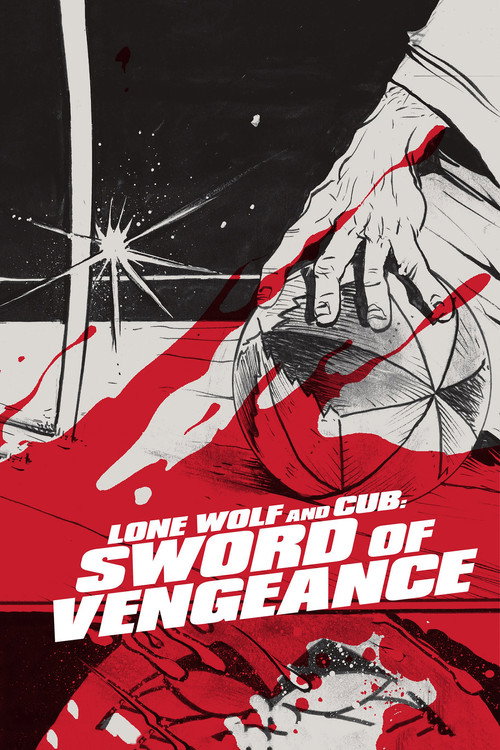
Lone Wolf and Cub: Sword of Vengeance1972
Kenji Misumi's adaptation captures the same lone-wanderer aesthetic—a man outside society, moving between bloodshed and survival. The visual composition rivals Gosha's, and the emotional core is equally complex.
But It's the first in a six-film series; this one feels like an entry point rather than a complete statement. The baby-cart gimmick takes adjustment.
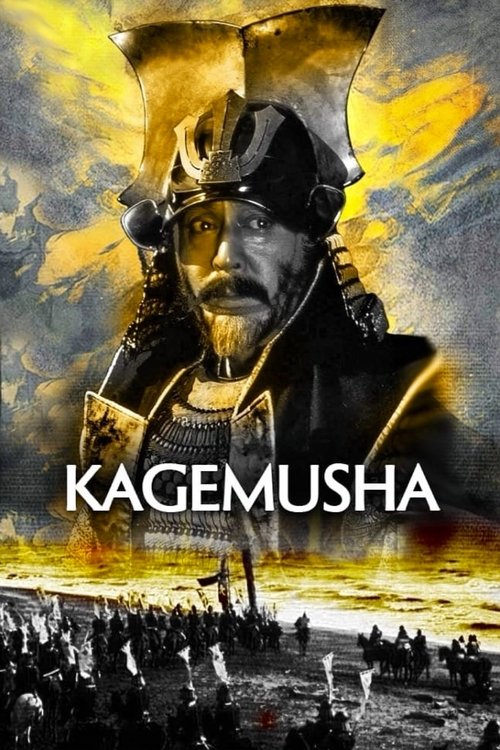
Kagemusha1980
Kurosawa's meditation on identity and imposture. Like Gosha, he's interested in men whose sense of self is fractured by duty and deception, forced to rebuild from nothing.
But At 159 minutes, it's nearly twice as long as Sword of the Beast and moves at a deliberate pace. Some find it a monument rather than an experience.
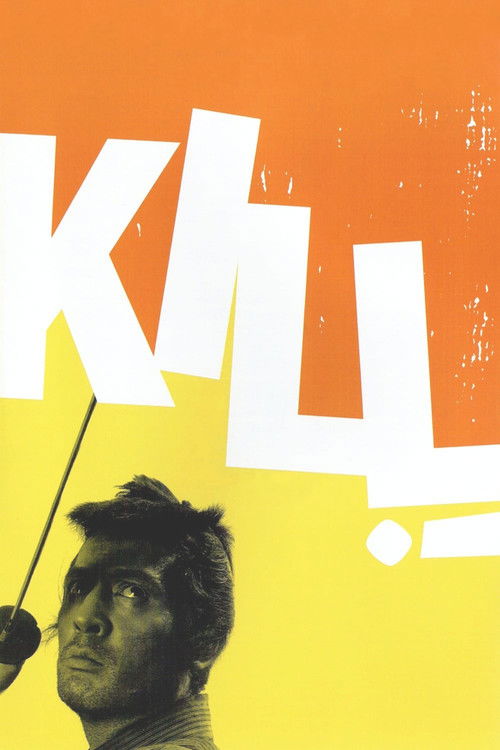
Kill!1968
Shigehiro Ozawa's quiet, brutal film about a ronin's last day. It shares Gosha's interest in men stripped of identity and status, finding themselves through violence. Deeply unsentimental.
But There is very little plot and almost no dialogue. It's an exercise in visual storytelling that requires patience and active viewing.
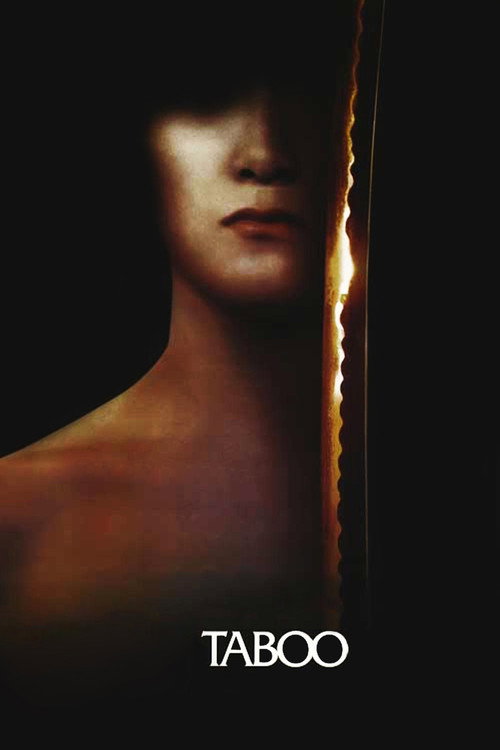
Taboo1999
Nagisa Oshima's final film is a fever dream about desire and power within a rigid institution. It's miles from samurai cinema in setting, but shares Sword of the Beast's core interest: how identity fractures under inhuman systems.
But It's sexually explicit and psychologically destabilizing. The structure is fractured deliberately. It's challenging in ways that have nothing to do with violence.
The Ballad of Little Jo1993
Both follow someone cast out from their original society, learning to survive through reinvention rather than return. Both are skeptical that your old life can be recovered—only a new one can be built.
Maggie Greenwald's Western about a woman passing as a man to survive in the frontier. It shares Gosha's fascination with honour as performance and the question of what identity means when survival is at stake. Also, it's gorgeous and criminally overlooked.
But It's a quiet, character-driven Western—not an action film. If you're coming to Sword of the Beast for swordplay, this will disappoint you. Patience required.

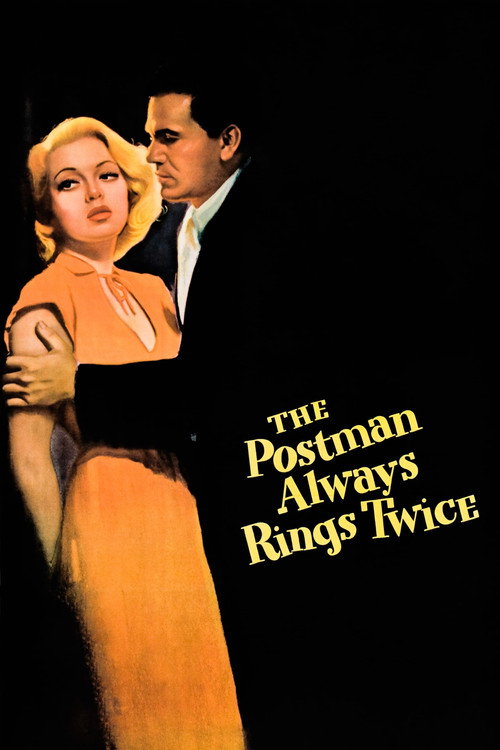
The Postman Always Rings Twice1946
Both are stories of people forged in transgression and isolation, rebuilding themselves outside the rules that once defined them. Both argue that survival and morality are not the same thing.
Bob Rafelson's 1981 remake (or David Garfield's source novella adapted here) captures the same thing Gosha does: two people bound together by transgression and desperation, learning each other in isolation from normal society. It's sensual, violent, and morally murky. No swords, but the same moral architecture.
But It's a Hollywood film noir from 1946 with period limitations. The sex is suggested rather than shown. Some will find it more historical artifact than living drama.
People
Cast
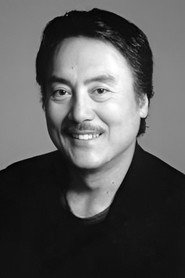 Mikijiro HiraYuuki Gennosuke
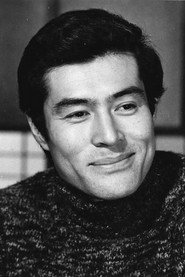 Gō KatōJurata Yamane
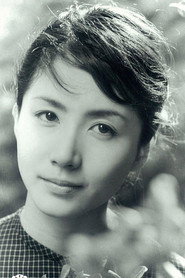 Shima IwashitaTaka
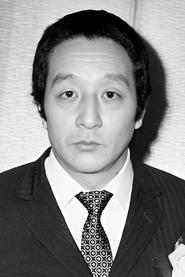 Kunie TanakaTanji
 Eijirō TōnoMinister
 Toshie KimuraMisa
 Kantarō SugaDaizaburo
 Yōko MiharaOsen
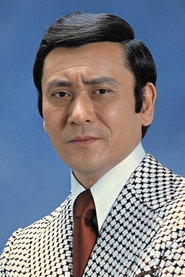 Shigeru AmachiVice-Counselor
Directing
- Hideo GoshaDirector
Writing
- Eizaburo ShibaWriter
- Hideo GoshaWriter
Production
- Gin'ichi KishimotoProducer
- Masayuki SatōProducer
Recommended by
Lone Wolf and Cub: Sword of Vengeance, Sanjuro, The Sword of Doom, Duel to the Death, Samurai Reincarnation