
Film
Battles Without Honor and Humanity
- Gangster
- Very dark
Kinji Fukasaku's ferocious 1973 yakuza film captures postwar Japan's criminal underworld in documentary detail. Blunt, violent, and shot like a heist picture, it treats gangsters as soldiers fighting for turf and survival. A landmark of Japanese cinema for those hungry for authentic crime drama without sentiment.
Should you watch it?
Watch it if you like crime stories told with jittery handheld camera work, freeze-frame captions and a cynical eye for how loyalty gets sold, where every alliance is a way to grab the next scrap of power.
Skip it if you need a story with a clear hero to root for, since nearly every man here is compromised and the violence arrives abruptly and often.
What it asks of you: Ninety-nine minutes of restless energy: short scenes, sudden bursts of brutality, and little room to catch your breath between factions turning on each other.
Not sure? Find tonight's pick in a minute.
If you liked this
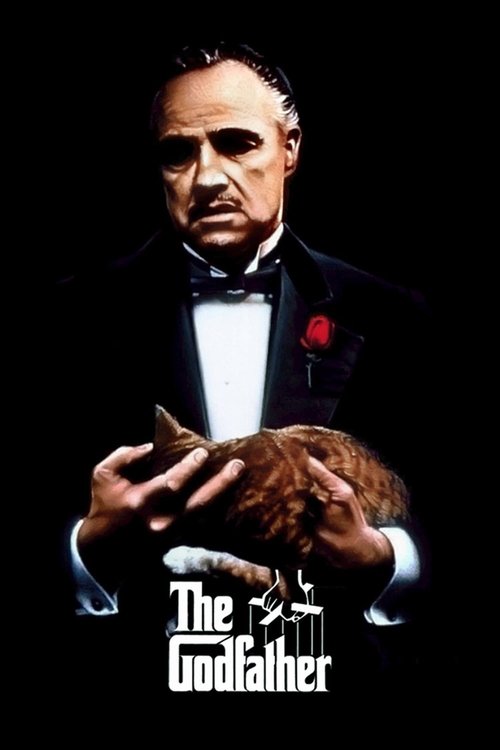
The Godfather1972
Both are sweeping crime sagas that follow the rise and fall of ambitious men within brutal hierarchies, told with unflinching realism and visual precision. Essential viewing if you want to understand what Fukasaku learned from and improved upon.
But Three and a half hours, and the meditative pacing will feel slow if you're expecting action rather than atmosphere and strategy.
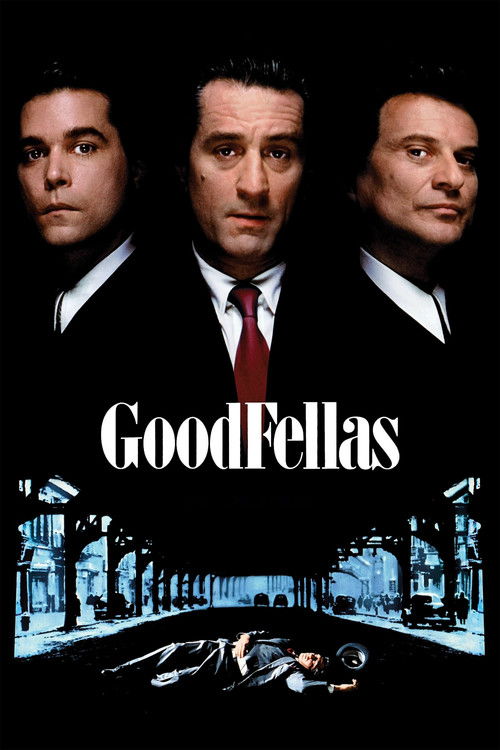
GoodFellas1990
Same DNA: a ground-level view of organized crime, fractious alliances, and the paranoia that comes with power. Scorsese uses Fukasaku's playbook—documentary detail, no mythmaking, brilliant use of music and violence as storytelling.
But The narration and pop songs might feel dated now, and Henry Hill's perspective lacks the cold professional distance that makes Battles so compelling.
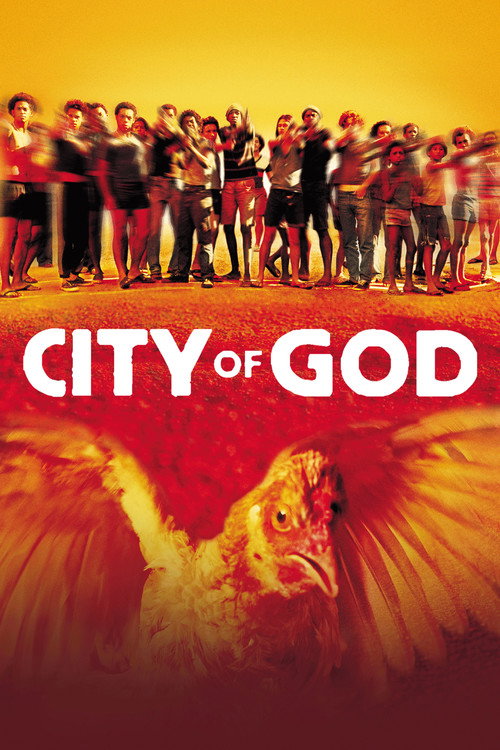
City of God2002
Both chart the rise of competing factions in marginalized communities through multiple perspectives and overlapping timelines. The kinetic editing and raw violence serve the story rather than glorifying it, exactly like Fukasaku's method.
But The handheld camera work is deliberately chaotic, which some find energizing and others find exhausting over two hours.
Not sure tonight? Get a pick in a minute, starting from Battles Without Honor and Humanity
The wildcard
Something you would not have found on your own.
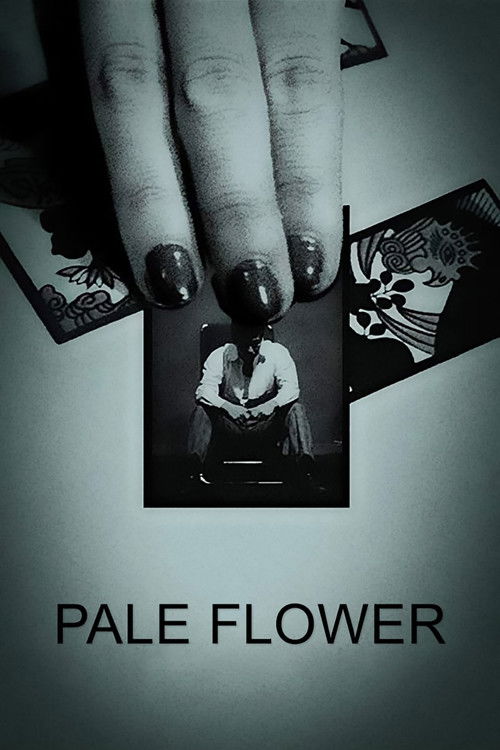
Pale Flower1964
Both are Japanese yakuza films made within a decade that refuse sentimentality about the criminal life, but Pale Flower is the philosophical predecessor—Battles took those ideas and made them explosive and procedural.
Masaki Kobayashi made this yakuza noir nine years before Battles, and it's the work Fukasaku was responding to and surpassing. The same world but filtered through existential dread rather than kinetic violence—a ghost story about men haunted by their own codes.
But Shot in black and white, paced like a dream, almost no action. If you watch Battles first, this will feel meditative and slow rather than propulsive.
More like this (7)
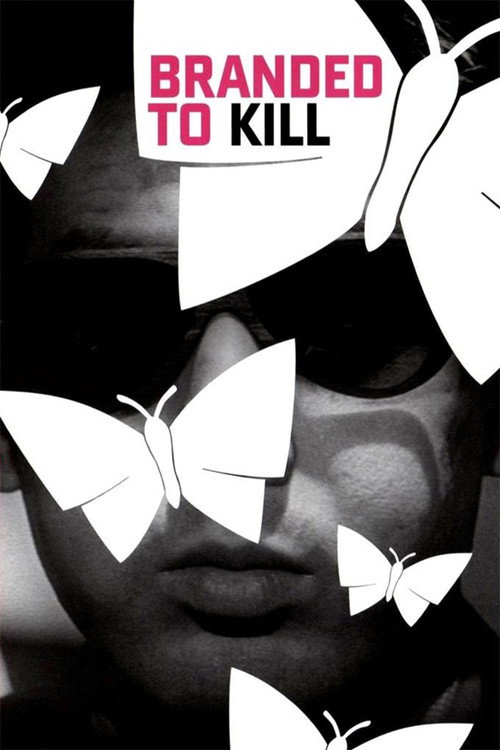
Branded to Kill1967
Shoji Terayama's surreal yakuza film shares Fukasaku's interest in honor, loyalty, and the strange codes that govern criminal life, but filters them through dreamlike sequences. A companion piece that shows different approaches to the same world.
But Far more stylized and abstract than Battles. If you want gritty realism, the surrealism will feel like a distraction rather than enhancement.
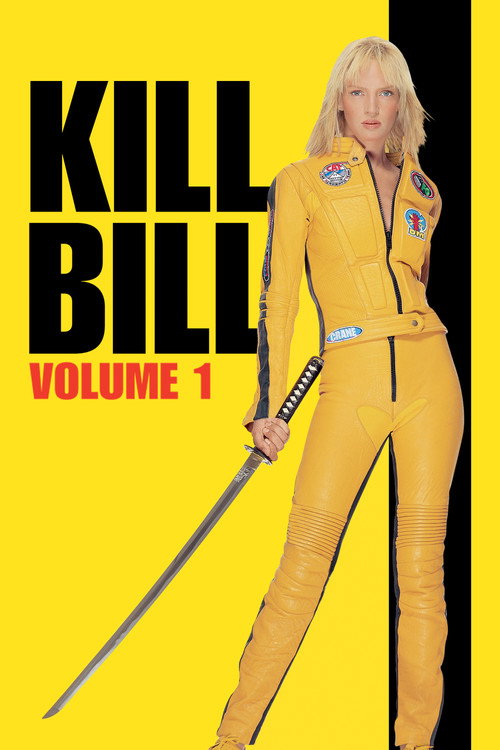
Kill Bill: Vol. 12003
Tarantino remade Fukasaku's visual grammar—sharp cuts, elliptical storytelling, the mythologizing of violence as a language. This is Battles Without Honor and Humanity filtered through anime and revenge fantasy, paying direct homage.
But The homage is so heavy-handed it tips into pastiche. If you want the original source, watching a reference instead feels backwards.
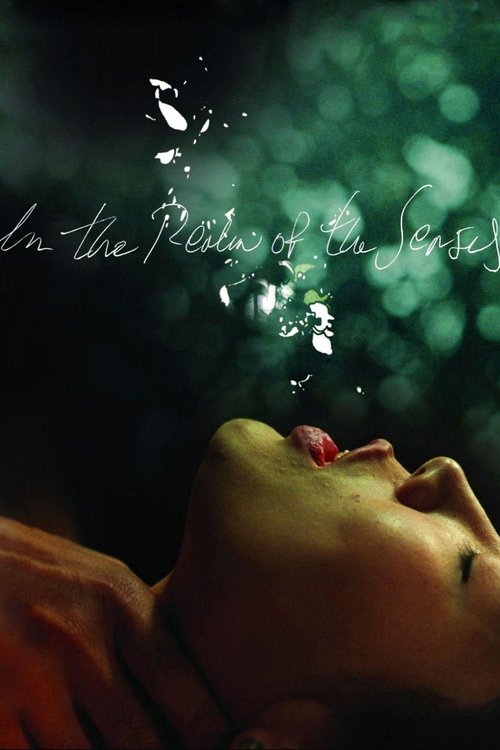
In the Realm of the Senses1976
Made three years later in the same country, it shares Fukasaku's commitment to showing the body and desire without flinching, and his interest in how passion destroys people from within. Both are films about obsession turning lethal.
But Extremely explicit sex scenes. The film is famous for its graphic nature, which serves the story but is not easy viewing and will derail anyone seeking a crime thriller.
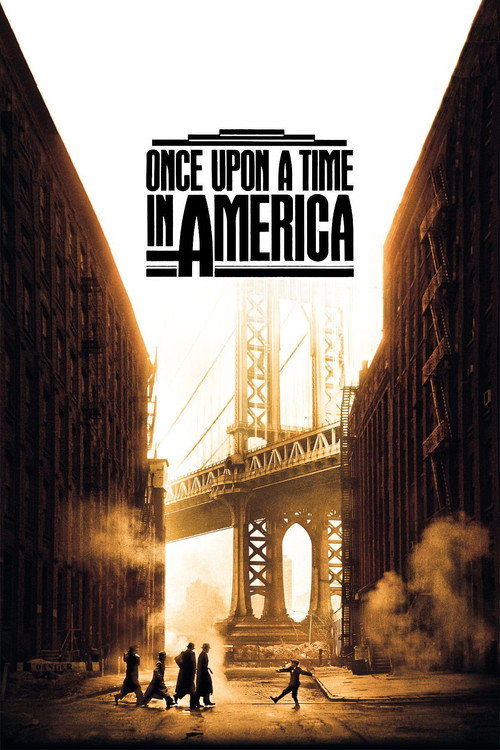
Once Upon a Time in America1984
Sergio Leone's meditation on organized crime loyalty spans decades and geographies. Like Fukasaku, he treats criminals as tragic figures bound by codes they didn't invent, showing how power and friendship corrode each other.
But Nearly four hours, and structured as a puzzle that requires your full attention. The pacing is glacial by design, which feels self-indulgent if you're not in the mood.
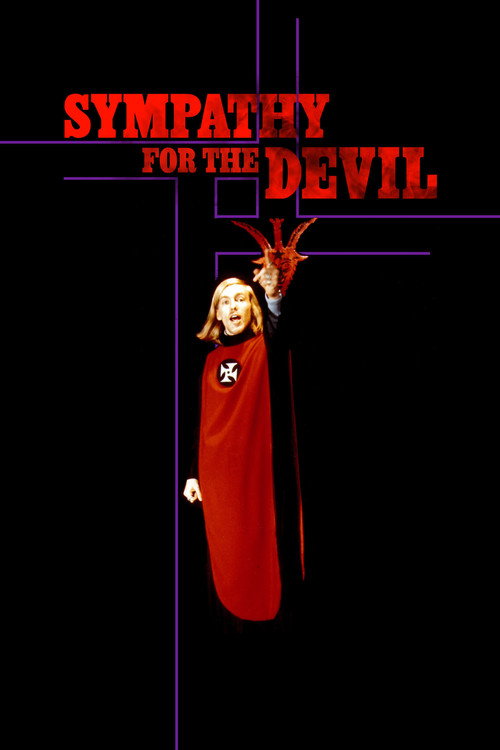
Sympathy for the Devil: The True Story of The Process Church of the Final Judgment2015
This modern yakuza film is directly descended from Fukasaku—it uses the same documentary approach to violence and honor, following a man caught between criminal factions. A living heir to Battles' legacy.
But A recent Korean film in Japanese crime cinema's style, which means it's trying to do something that's already been done perfectly. It can feel derivative even if it's solid.
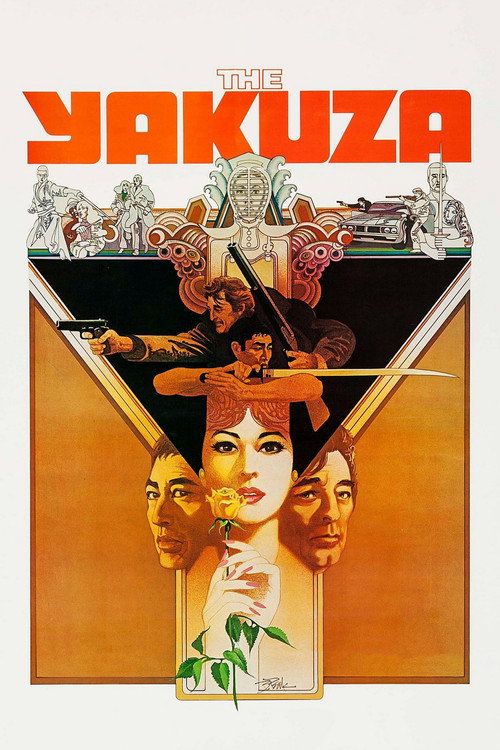
The Yakuza1974
Made the year after Battles, this American-Japanese hybrid with Robert Mitchum shows how Fukasaku's influence crossed the Pacific. A Western director trying to understand yakuza codes through an outsider's eyes, less assured but earnest.
But The cultural translation feels awkward now—Mitchum's gravitas doesn't quite fit the world, and the film wants to be both Western thriller and yakuza drama without fully committing to either.
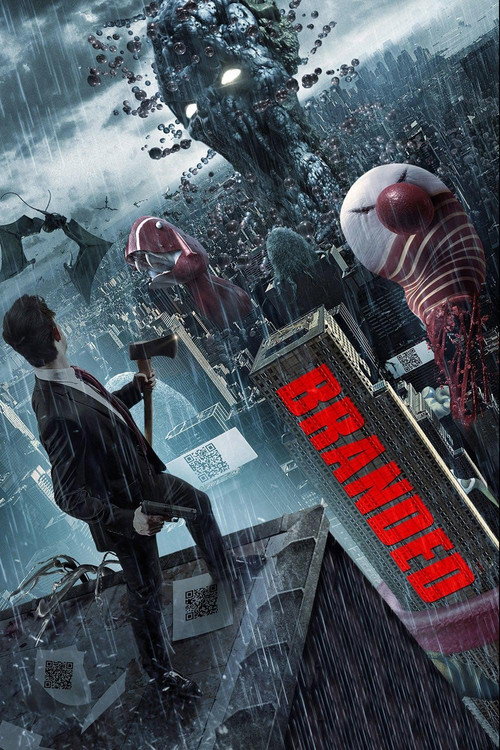
Branded2012
Both charts competing factions, fragile alliances, and the paranoia of men who know their allies are also their enemies. Battles shows Fukasaku's method; Branded shows it can work anywhere, which means the method matters more than the milieu.
Gabe Ibáñez's science-fiction film takes Fukasaku's technique—fractious groups, unstable hierarchies, loyalty tested to breaking—and removes the yakuza entirely. It's proof that what matters isn't the setting but the architecture of betrayal and ambition. A wildcard that shows the method working in a completely different world.
But A Russian-Spanish sci-fi thriller with heavy CGI and a philosophical bent. If you love Battles for its gritty postwar detail, this abstraction will feel like sacrilege and won't work anyway.
People
Cast
 Bunta SugawaraShozo Hirono
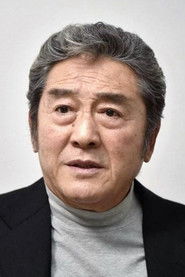 Hiroki MatsukataTetsuya Sakai
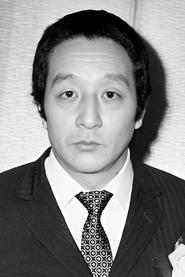 Kunie TanakaMasakichi Makihara
 Eiko NakamuraSuzue Kunihiro
 Tsunehiko WataseToshio Arita
 Gorō IbukiUeda
 Nobuo KanekoYoshio Yamamori
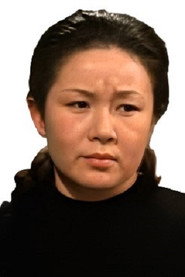 Toshie KimuraMrs. Yamamori
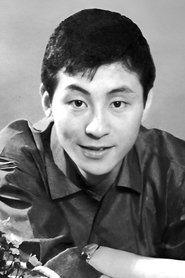 Tamio KawachiKanbara Seiichi
 Mayumi NagisaAkiko Shinjo
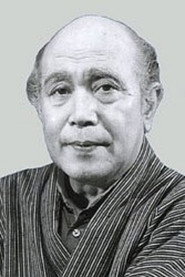 Asao UchidaOkubo Kenichi
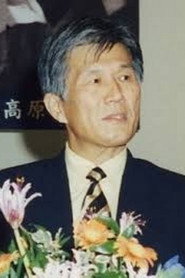 Shinichirō MikamiShinkai Uichi
Directing
- Akira ShimizuAssistant Director
- Misae TanakaContinuity
- Kinji FukasakuDirector
Writing
- Koichi IiboshiStory
- Kazuo KasaharaWriter