
Film
The Yakuza
A hardboiled American detective chases his past into the underworld of 1970s Japan. Robert Mitchum plays it weary and immovable against the formal brutality of yakuza tradition. It's a western transplanted to Tokyo: honour codes instead of gunslinger myths, katanas instead of six-shooters. Stylish, tense, genuinely strange.
Should you watch it?
Watch it if you like a weary American lead dropped into a foreign culture and worn down by its codes, where loyalty and honor matter more than the plot's mechanics.
Skip it if you want brisk genre thrills, since this moves at a measured pace and spends long stretches on ritual, silence and cultural friction rather than action.
What it asks of you: Expect a deliberate, mostly unhurried rhythm over roughly two hours, with customs and quiet exchanges carrying more weight than the dialogue spells out.
Not sure? Find tonight's pick in a minute.
If you liked this
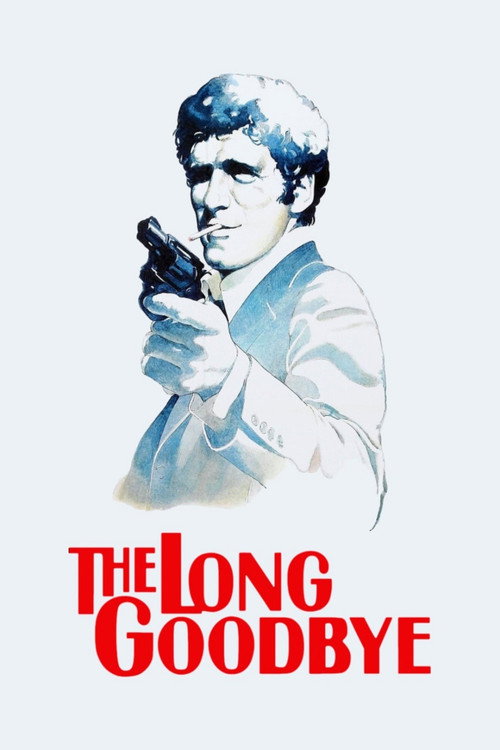
The Long Goodbye1973
Altman's Marlowe is as world-weary as Mitchum's Kilmer, wandering through a Los Angeles that doesn't want him. Same melancholic detective logic, same sense of a man out of step with his surroundings. Brilliant and unsettling.
But It's slow and digressive, more interested in mood than plot. The ending will divide you on purpose. Not a conventional thriller.
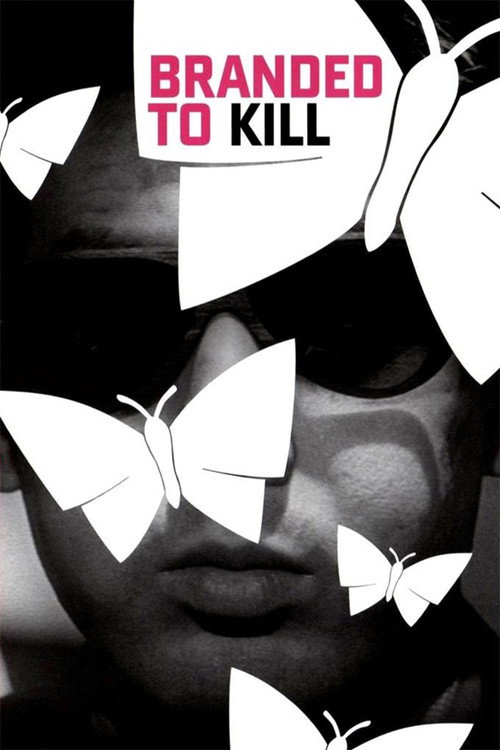
Branded to Kill1967
Seijun Suzuki's portrait of yakuza honour and ritual, shot with baroque intensity. If you loved the cultural collision in *The Yakuza*, this plunges deep into the yakuza code itself, wild and poetic and deeply strange.
But The plot is deliberately fractured and dreamlike. It doesn't clarify itself or hold your hand. Some will find it frustrating rather than hypnotic.
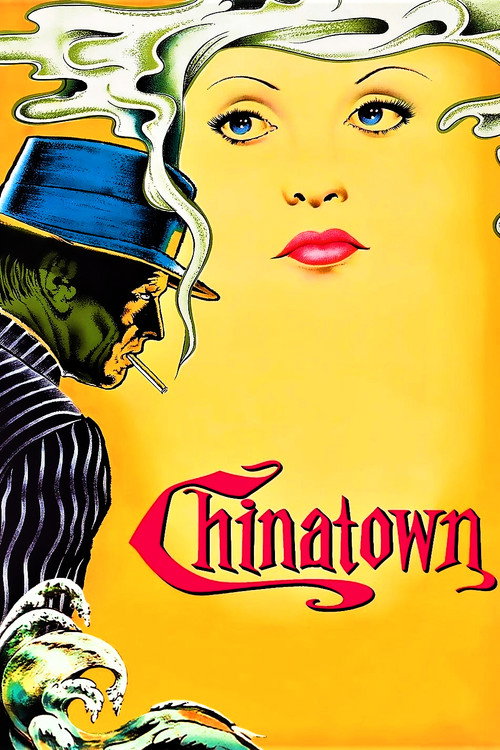
Chinatown1974
Released the same year, it's the perfect companion: a detective thriller about corruption, betrayal, and a man's inability to save anyone. Polanski's paranoia matches Friedkin's here. Absolutely essential.
But It's bleak and baroque in a way that can feel airless. The ending is deliberately defeatist. It doesn't offer comfort.
Not sure tonight? Get a pick in a minute, starting from The Yakuza
The wildcard
Something you would not have found on your own.
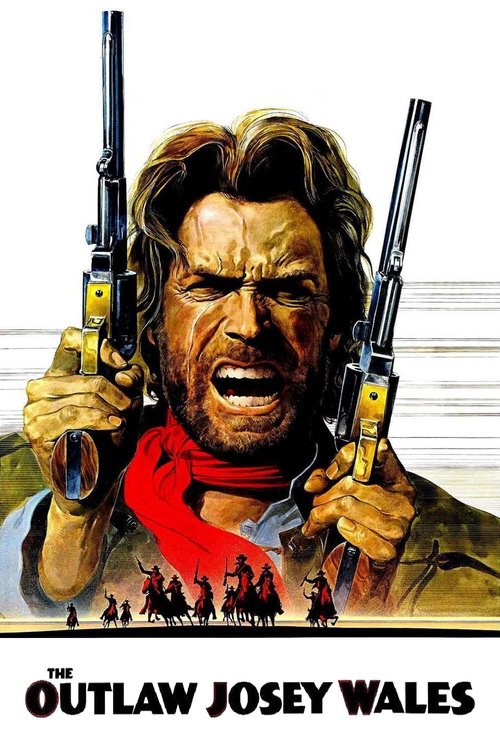
The Outlaw Josey Wales1976
Both are about men living by honour codes in worlds that are dying, pulled back into violence for love, unable to escape what they once were.
Eastwood's western is structurally identical to *The Yakuza*: a man pulled back into violence to protect someone he cares about, navigating codes and betrayal, learning that some debts can't be settled. Same story, different mythology. Proof that *The Yakuza* tapped into something timeless.
But It's a conventional western, which might feel less exotic or challenging than the Japan setting. Eastwood's acting is minimalist to the point of blankness.
More like this (8)
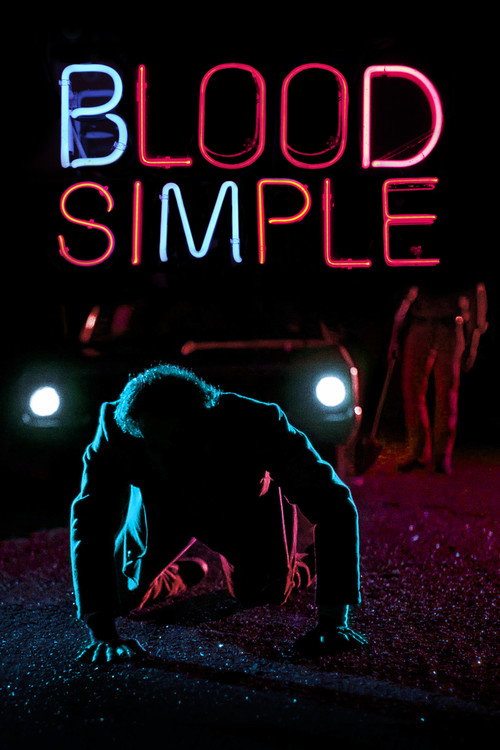
Blood Simple1985
The Coens' debut crackles with the same noir DNA: a private investigator pulled into a web he doesn't understand, stunning visual language, a world run by codes nobody from outside can fully grasp.
But It's relentlessly dark and the violence is graphic. Not a thriller that lets you breathe.
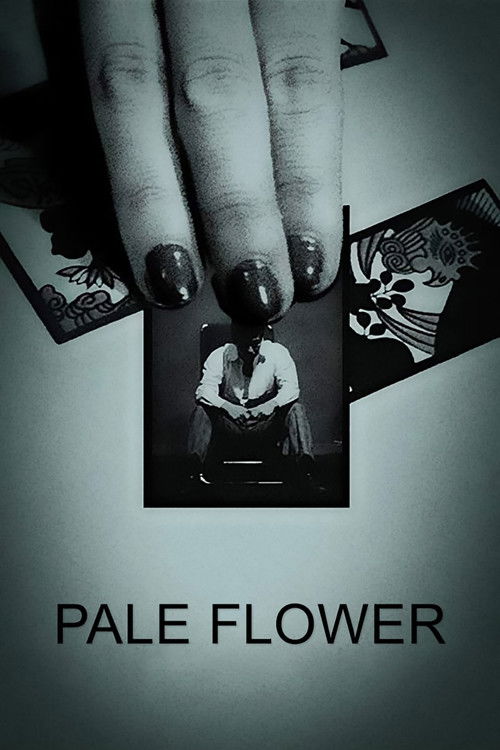
Pale Flower1964
Masaki Kobayashi's masterpiece about yakuza life and addiction, shot in black-and-white with glacial beauty. It's meditative and deadly serious about ritual and honour. Essential viewing if *The Yakuza* intrigued you.
But It's slow, interior, almost plotless. Patience required. The nihilism is absolute.
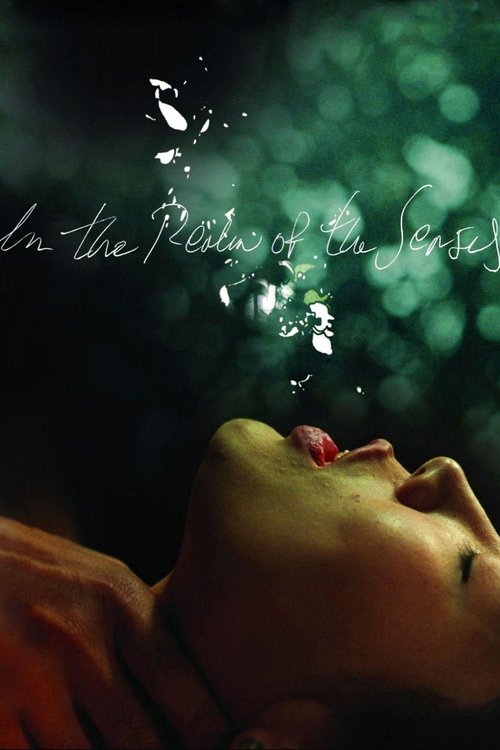
In the Realm of the Senses1976
Nagisa Oshima's incendiary film about obsession in 1930s Japan. Like *The Yakuza*, it takes Western transgression and filters it through Japanese culture. Visually stunning and utterly uncompromising.
But It's sexually explicit and extremely graphic. Not for anyone uncomfortable with that. Also, it can feel didactic about its themes.
The Killing1956
Kubrick's racetrack caper is the spiritual ancestor of neo-noir crime thrillers. Fractured chronology, small-time crooks, a sense that the scheme will fail. Lean and brilliant.
But The pacing is jerky by modern standards. The plot takes work to follow. Black-and-white '50s noir might feel dated.

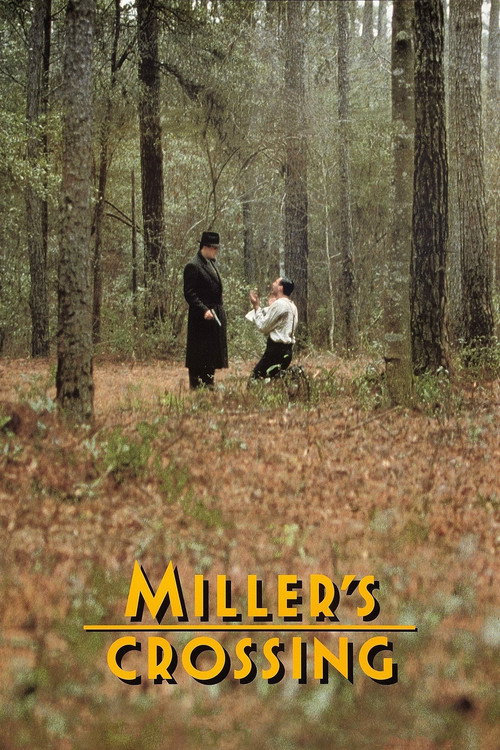
Miller's Crossing1990
The Coens dig deeper into Prohibition-era gang culture, honour codes, and men who won't bend. Like *The Yakuza*, it's about an outsider navigating a world with rules he doesn't fully belong in.
But It's stylized to the point of pastiche. The gangster-speak is thick and period-locked. Some will find it mannered rather than moving.
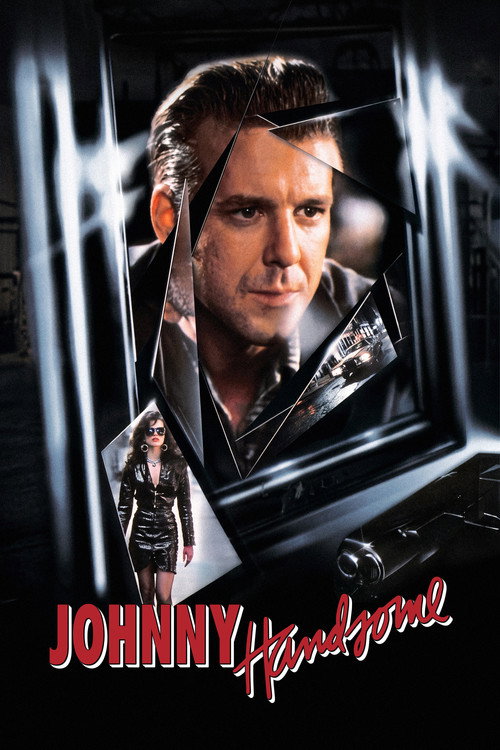
Johnny Handsome1989
Walter Hill's underrated crime thriller about a disfigured criminal returning to a world that wronged him. Tense, pulpy, with genuine stakes. Hill shoots it with the same muscular confidence as *The Yakuza*.
But It's a B-movie, unapologetically. The sentimentality will strike some as cheap. Not particularly interested in being subtle or complex.
Harakiri1962
Both examine what happens when Western pragmatism collides with Japanese codes of honour, and what gets lost or destroyed in the gap between them.
Masaki Kobayashi's devastating masterpiece about honour, sacrifice, and the cruelty hidden inside ritual. It dissects yakuza and samurai culture with surgical precision. If you want the cultural code explained from the inside, this is it.
But It's a black-and-white period film, deliberately slow, deeply tragic. Not a thriller. The beauty is devastating and can feel punishing.

Synecdoche, New York2008
Both are about protagonists lost in worlds with their own rules and logic, unable to step outside or fully comprehend the game they're playing, searching for connection in a system designed to prevent it.
Kaufman's labyrinthine masterpiece about a theatre director building a replica world inside a warehouse. Like *The Yakuza*, it's about a man trying to navigate codes he doesn't fully understand, losing himself in someone else's world, unable to distinguish his own life from the fiction he's entered.
But It's bewildering and long and deliberately frustrating. The narrative loops back on itself. By design, it resists interpretation. Many will find it exhausting rather than profound.

People
Cast
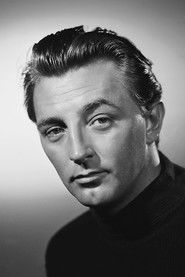 Robert MitchumHarry Kilmer
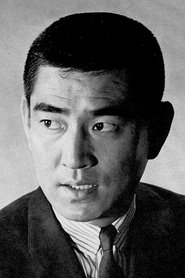 Ken TakakuraTanaka Ken
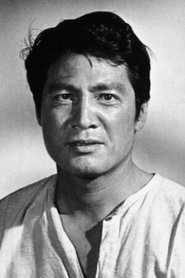 Eiji OkadaTono
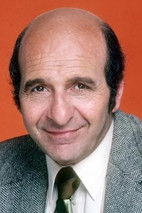 Herb EdelmanWheat
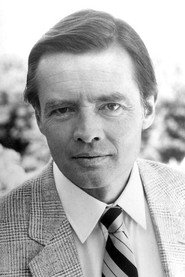 Richard JordanDusty
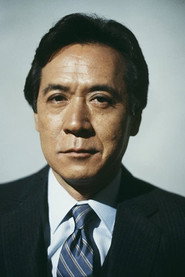 James ShigetaGoro
 Keiko KishiEiko
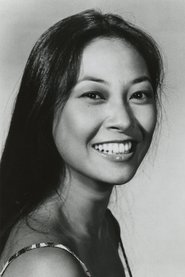 Christina KokuboHanako
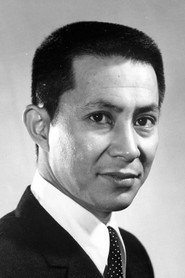 Kyōsuke MachidaKato
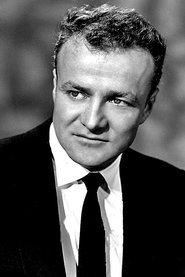 Brian KeithGeorge Tanner
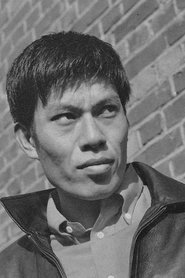 Eiji GōSpider
- Lee ChirilloLouise
Directing
- Michael D. MooreAssistant Director
- Sydney PollackDirector
- Stephen B. GrimesSecond Unit Director
Writing
- Paul SchraderScreenplay
- Robert TowneScreenplay
- Leonard SchraderStory
Production
- Michael HamilburgCo-Producer
- Sydney PollackProducer
Recommended by
Tokyo Drifter, Battles Without Honor and Humanity, Youth of the Beast, The Merciless, The Horsemen, McQ