
Film
McQ
John Wayne's final action vehicle casts him as a Seattle cop investigating his partner's murder through layers of institutional corruption. It's a '70s police procedural with real grit—grittier than Wayne's usual fare—where the aging star plays a man outmatched by systems bigger than himself. For fans of Wayne who want to see him tried, and for anyone who loves the paranoid cop dramas of that era.
If you liked this
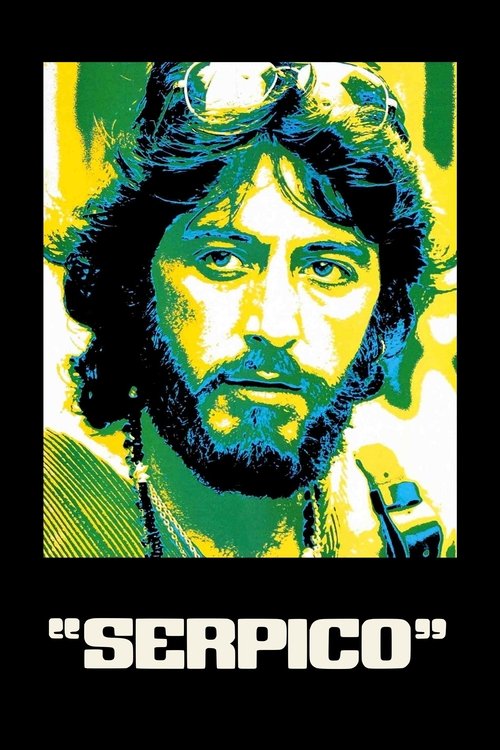
Serpico1973
Al Pacino as a New York cop fighting systemic corruption from inside the department. It has the same '70s paranoia and moral clarity as McQ, with a hero whose integrity isolates him from everyone around him.
But Pacino's performance can feel theatrical at times, and the procedural elements move slower than pure action junkies might want.
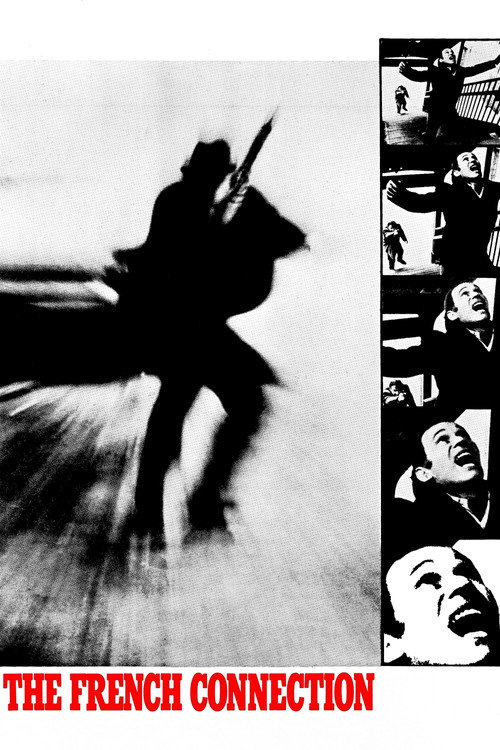
The French Connection1971
Gene Hackman hunting a drug kingpin through a corrupt police landscape. It's the definitive '70s cop thriller—taut, cynical, with real locations and a hero who's not entirely clean himself.
But It's deliberately unglamorous and the pacing is deliberate rather than propulsive. Some sequences drag if you're after constant momentum.
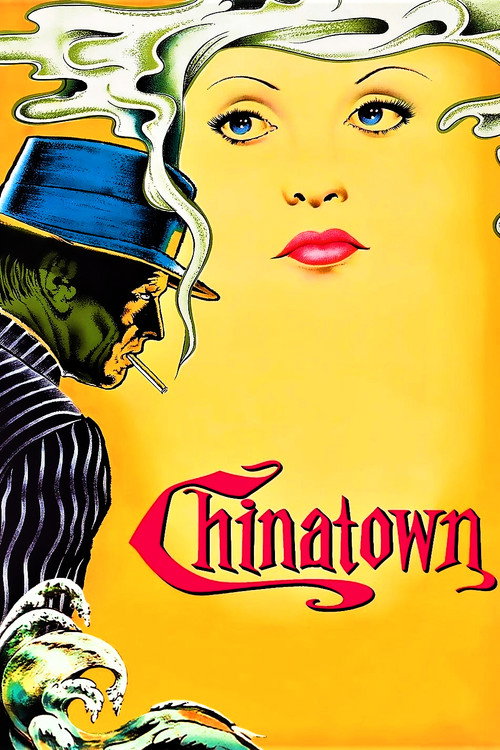
Chinatown1974
Jack Nicholson as a private investigator in 1930s LA, learning that corruption is too deep to fight. It shares McQ's theme: one man against institutions that cannot be beaten, filmed with stunning control.
But It's a labyrinthine mystery—you have to pay attention and accept ambiguity. Not a comfort watch, and the ending is bleak in ways some find punishing.
Not sure tonight? Get a pick in a minute, starting from McQ
The wildcard
Something you would not have found on your own.
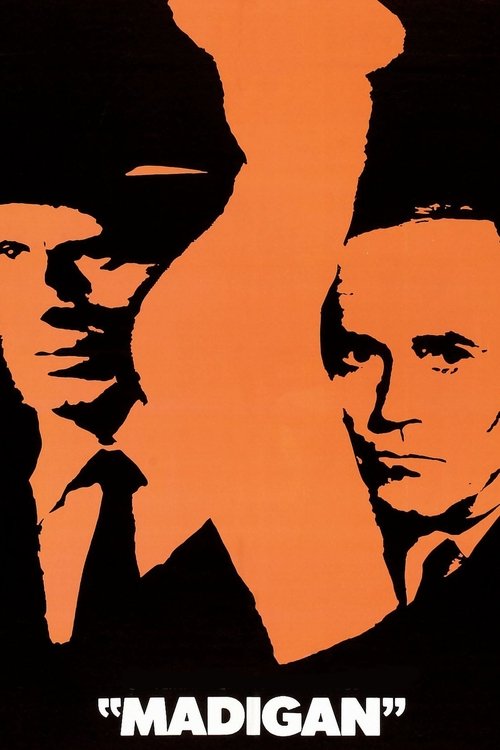
Madigan1968
Direct lineage. Madigan is the exact model McQ follows: Siegel's meditation on a cop who knows the system is broken and must work within it anyway.
Richard Widmark as a tough detective with a suspended partner, investigating a robbery and a murdered cop. It's the spiritual grandfather of McQ: Don Siegel's template for the aging cop dealing with corruption and systems that don't work. You can draw a direct line from this to Wayne's film.
But It's deliberately slow-burn and procedural. If you need things to happen quickly, Siegel's patient approach will test your patience.
More like this (8)
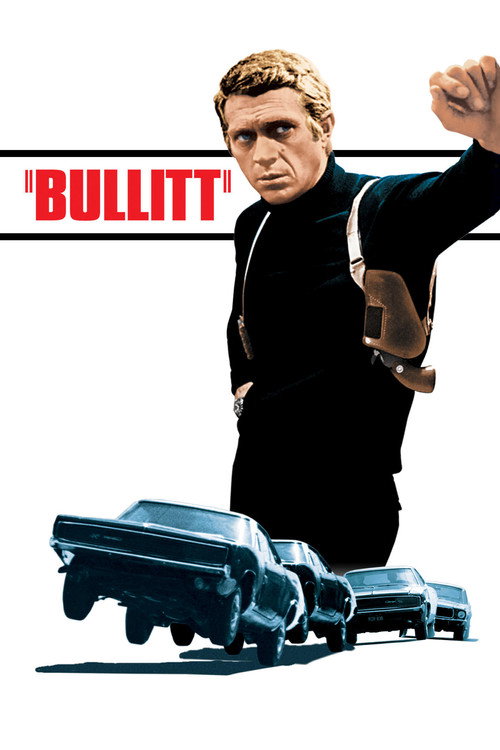
Bullitt1968
Steve McQueen as a cop protecting a witness while navigating department politics and murder. It's McQ's immediate ancestor: tough cop, institutional rot, that specific American paranoia about power.
But The plot is thinner than the promise—it mostly exists as a vehicle for the famous car chase and McQueen's cool detachment.
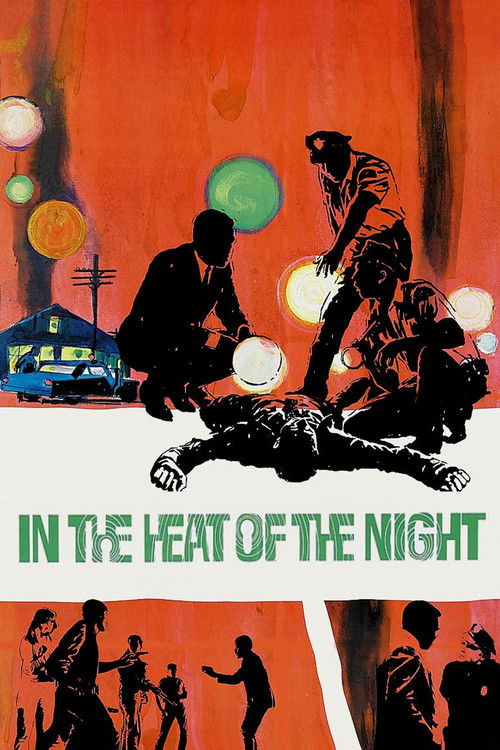
In the Heat of the Night1967
Sidney Poitier and Rod Steiger as cops of different races forced to work together, investigating a murder in a corrupt Southern town. It has McQ's stakes and moral weight, with the added urgency of racial tension.
But It's a police procedural first and foremost—if you want action, the climax delivers but most of the film is interview and inference.
The Killing1956
Kubrick's tight heist film about a racetrack robbery told from multiple angles. It establishes the template for the cynical cops-and-criminals-indistinguishable film that McQ inherits.
But It's shot in stark black and white on what looks like a modest budget. If you need slick production values, this feels like it belongs in a different era.

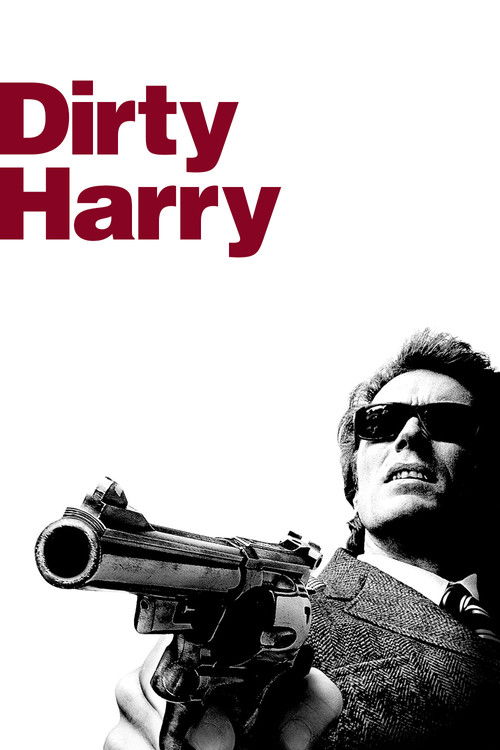
Dirty Harry1971
Clint Eastwood as a cop frustrated by the system, chasing a serial killer. It's the most obvious touchstone: the aging action hero fighting institutions that won't let him do his job cleanly.
But Dirty Harry is more mythic and less grounded than McQ. If you want realism, Eastwood's invincibility can feel like fantasy.
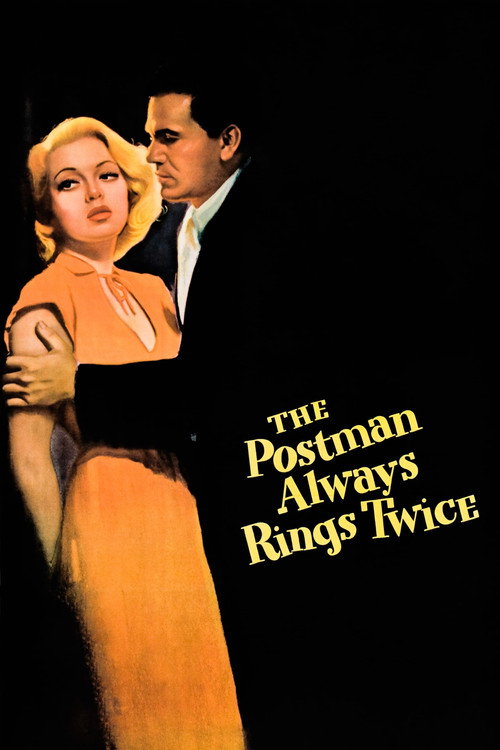
The Postman Always Rings Twice1946
A classic noir about corruption and betrayal in a small town. McQ borrows its architecture: good men corrupted or betrayed by systems, moral choices that have actual costs.
But It's a 1940s studio picture with restraint baked into the format. The violence is suggested, not shown, which can feel quaint.
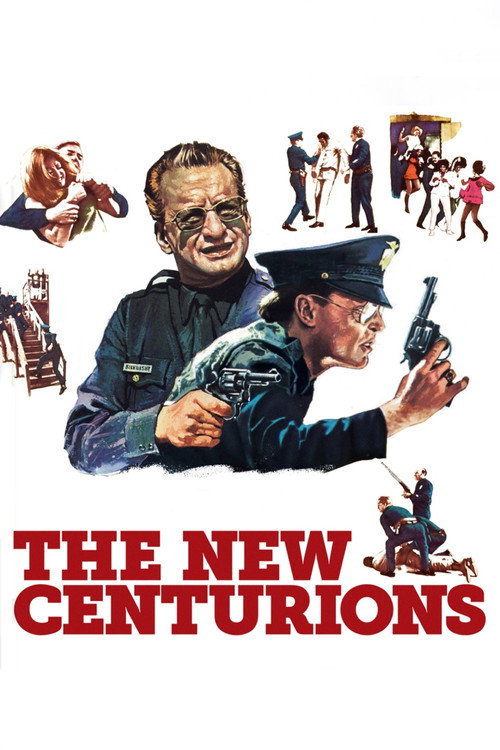
The New Centurions1972
George C. Scott and Stacy Keach as cops navigating the LAPD in the late '60s. It's an ensemble procedural about institutional life, told with the same unhappy realism as McQ.
But It's diffuse and episodic—there's no single throughline, which some viewers find structurally frustrating or simply boring.
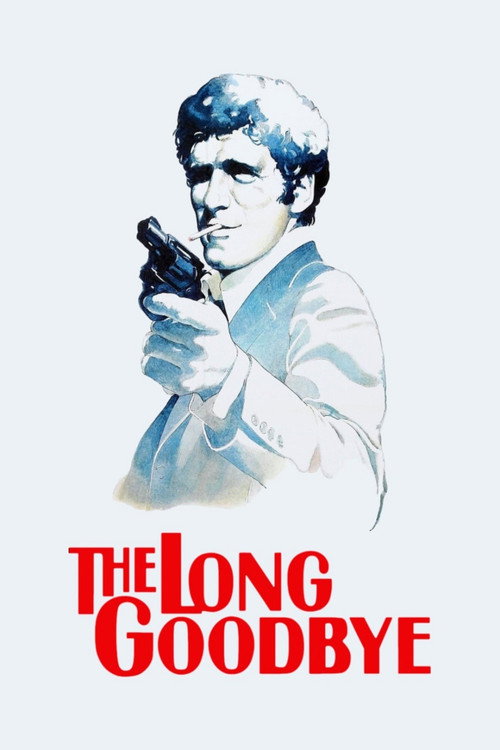
The Long Goodbye1973
Both are late-period reassessments of the masculine hero figure. McQ and Marlowe are both outdated men in systems that have moved past them.
Robert Altman's revisionist take on Chandler, with Elliott Gould as Marlowe in 1970s LA. It's a private eye film that deconstructs the myth—the hero is shabby, the world indifferent, violence is consequence rather than catharsis. Wayne's McQ carries similar doubts about whether the hero can still win.
But Altman's style is intentionally loose and overlapping, deliberately unmotivated. If you like clean narrative, this feels deliberately frustrating.
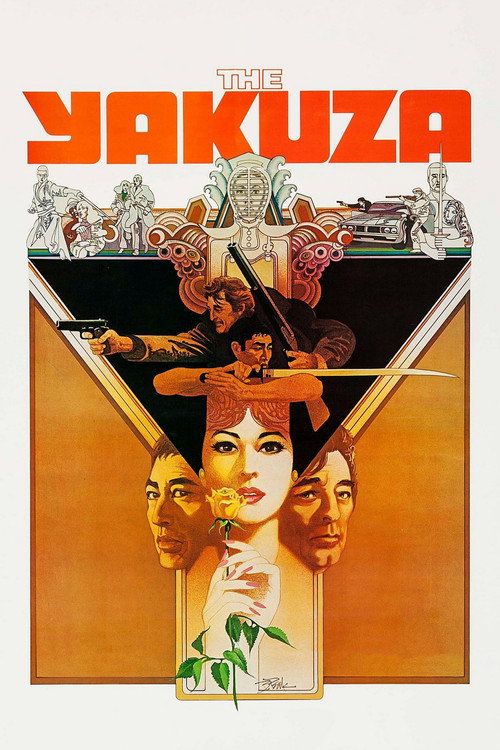
The Yakuza1974
Both are 1974 films about aging American men discovering they've been left behind by the systems they served. Mitchum and Wayne are working the same thematic material from opposite hemispheres.
Robert Mitchum in Japan investigating a kidnapping through yakuza underworlds. It's an American action film transplanted to another culture, with the same '70s fatalism—an aging hero who's lost something essential trying to recover it and learning he can't. Made the same year as McQ, from the same thematic DNA.
But It's exoticizing, with a white hero navigating Japanese crime. The cultural context sits uneasily by modern standards, and some sequences feel overlong.
People
Cast
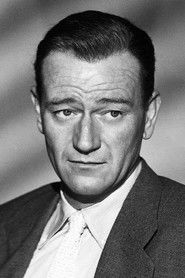 John WayneMcQ
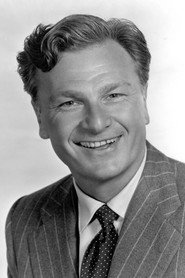 Eddie AlbertKosterman
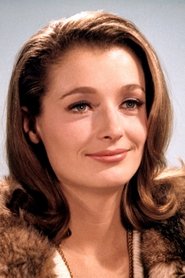 Diana MuldaurLois
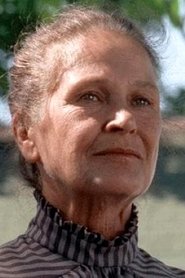 Colleen DewhurstMyra
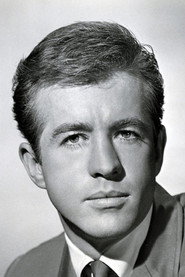 Clu GulagerToms
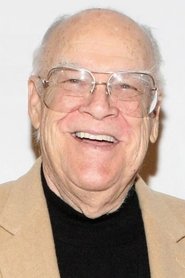 David HuddlestonPinky
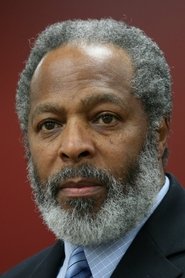
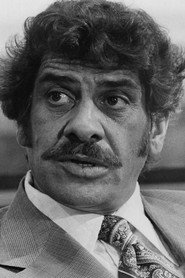 Al LettieriSantiago
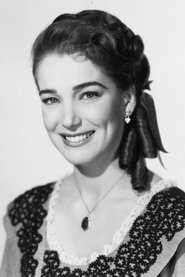 Julie AdamsElaine
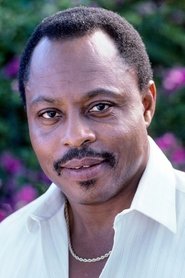 Roger E. MosleyRosey
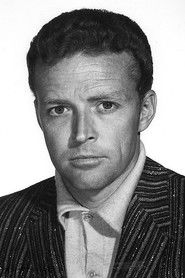 William BryantStan Boyle
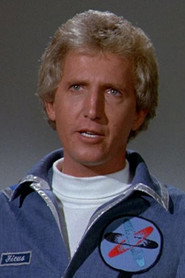 Richard KeltonRadical
Directing
- John SturgesDirector
- John FrancoScript Supervisor
Writing
- Lawrence RomanWriter
Production
- Nessa HyamsCasting
- Lawrence RomanCo-Producer
- John WayneExecutive Producer
- Michael WayneExecutive Producer
- Arthur GardnerProducer
- Jules V. LevyProducer