
Film
The Stone Killer
A gritty 1973 LA cop thriller that sends Charles Bronson to New York to untangle a Sicilian Mafia vendetta. It's lean, brutal, and built on the idea that violence begets violence—a meditation on revenge dressed up as a detective procedural. For fans of seventies crime cinema who want their heroes weathered and their plots to actually *matter*.
Should you watch it?
Watch it if you enjoy lean, gritty 1970s crime pictures where the pleasure is in a hard-edged cop working the streets rather than in tidy plotting, much like the Dirty Harry-era thrillers of its time.
Skip it if you want a fast, glossy action spectacle; this one is ragged and talky between its violent bursts, and the mob politics can feel more tangled than thrilling.
What it asks of you: About ninety-five minutes of patient legwork with blunt, sudden bursts of violence, so keep your attention on the conversations and the city rather than waiting for constant set pieces.
Not sure? Find tonight's pick in a minute.
If you liked this
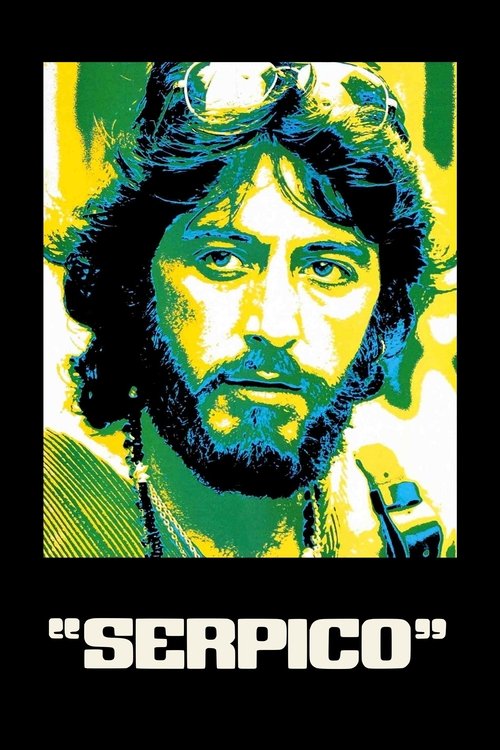
Serpico1973
Al Pacino as a cop fighting corruption from inside the NYPD, made the same year as *The Stone Killer*. Both are about men grinding against a system that doesn't want to change, shot with the gritty naturalism that made seventies crime films unmissable.
But Pacino's performance is deliberately mannered and high-strung in places—some find it theatrical rather than immersive.
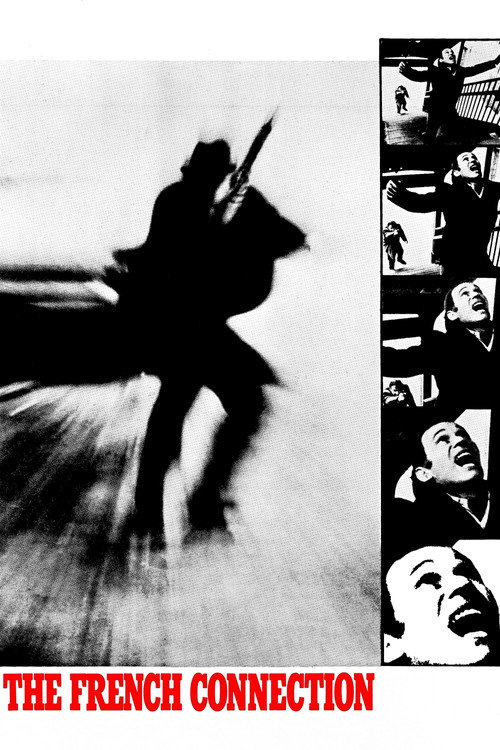
The French Connection1971
Gene Hackman's Popeye Doyle is obsessive, burnt out, and willing to break every rule to catch his man. The car chase is famous, but the real draw is how the film treats narcotics work as soul-crushing. It's spiritual kin to what Bronson does here.
But Slower paced than the title suggests, and the resolution is deliberately anticlimactic—some want their cop thrillers to *resolve*.
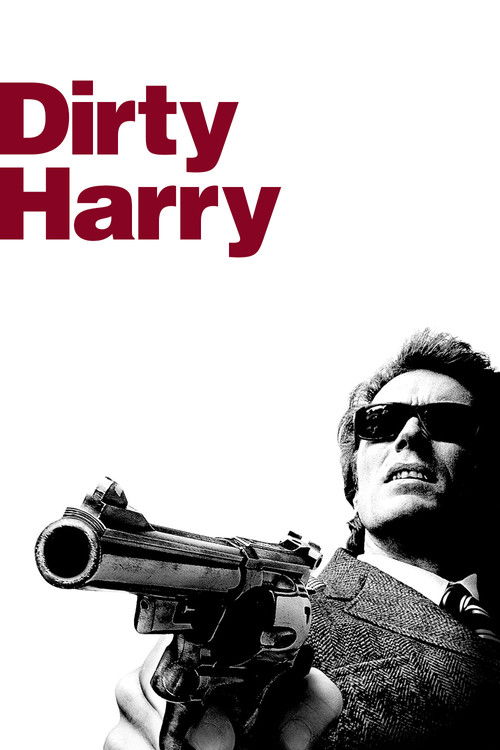
Dirty Harry1971
Clint Eastwood as a San Francisco cop who doesn't play by the rules and doesn't care who knows it. Like *The Stone Killer*, it's a lean 95 minutes of a man dealing with crime on his own terms, shot with noir-adjacent style and real menace.
But The politics are contentious—the film's sympathies clearly lie with a cop who disregards due process, which lands differently now than it did in 1971.
Not sure tonight? Get a pick in a minute, starting from The Stone Killer
The wildcard
Something you would not have found on your own.
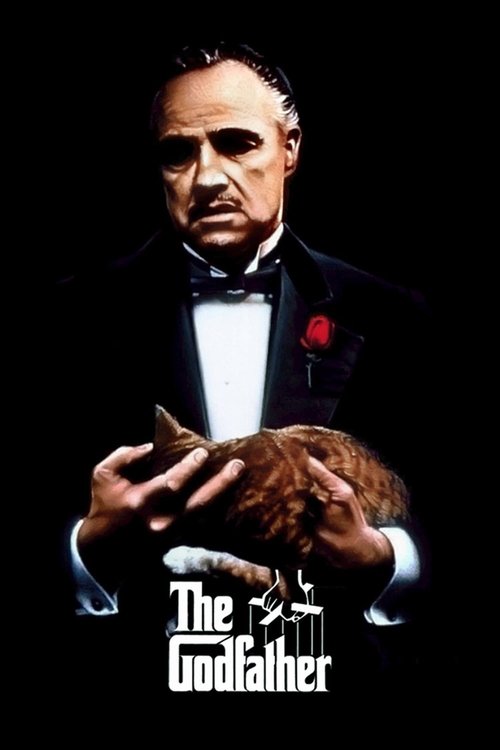
The Godfather1972
Same subject, opposite perspective: *The Stone Killer* is the cop's view of what *The Godfather* romanticizes.
Coppola's epic appeared the year before *The Stone Killer* and utterly redefined how cinema depicted organized crime. Both films are about the Mafia's hold on America, but *The Godfather* tells the story from inside the family. Watching them back-to-back shows you two sides of the same bloody coin: the myth versus the reality on the streets.
But At 175 minutes, it's a different commitment entirely—some find the pacing self-indulgent, and the scope can overwhelm those who prefer smaller stories.
More like this (8)
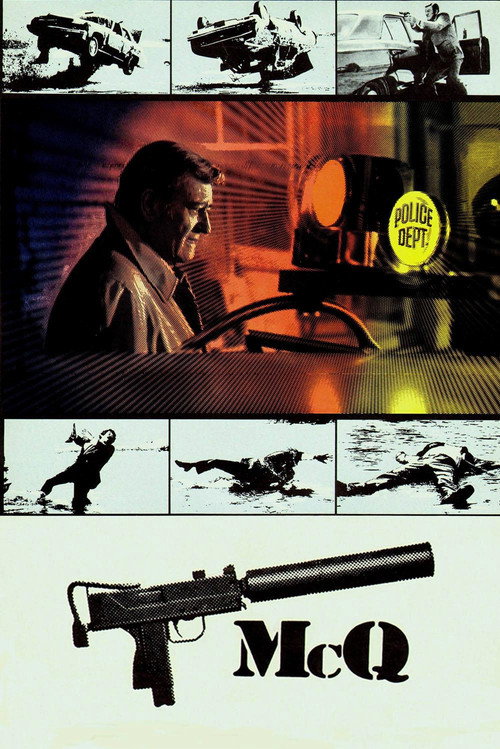
McQ1974
John Wayne's final action film, made just after *The Stone Killer*, with similar DNA: a detective investigating a crime ring, minimal sentimentality, an aging tough guy who refuses to bend. It's proof the seventies rewrote the cop movie entirely.
But Wayne's age shows, and the film doesn't have a real star's shine—it's a workmanlike procedural, not a showcase.
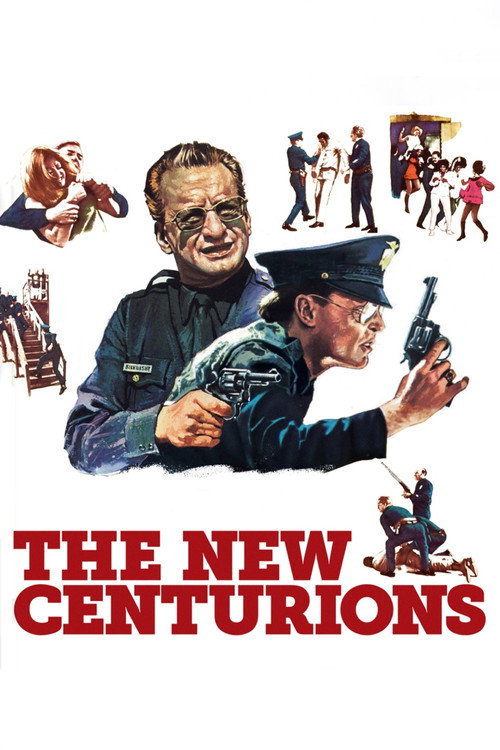
The New Centurions1972
George C. Scott and Stacy Keach as LAPD cops over a span of years. It's an ensemble portrait of police work as grinding, morally ambiguous, and ultimately corrupting. The same world *The Stone Killer* inhabits, just from the inside.
But It meanders across multiple cases and years—the narrative doesn't have the forward momentum some want from a thriller.
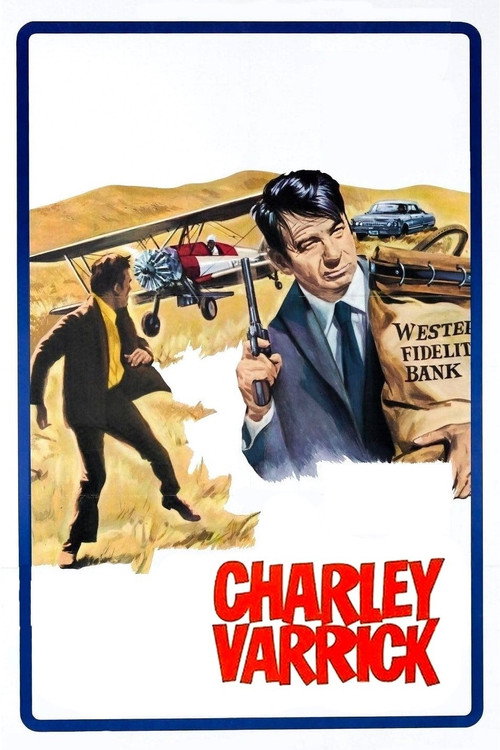
Charley Varrick1973
Walter Matthau as a small-time crook outsmarting the mob. Made the same year, same spirit of seventies crime cinema: intelligent, darkly funny, with a protagonist who survives by thinking, not just shooting.
But The tone is often tongue-in-cheek, which can feel at odds with the violence—some find it too clever for its own good.
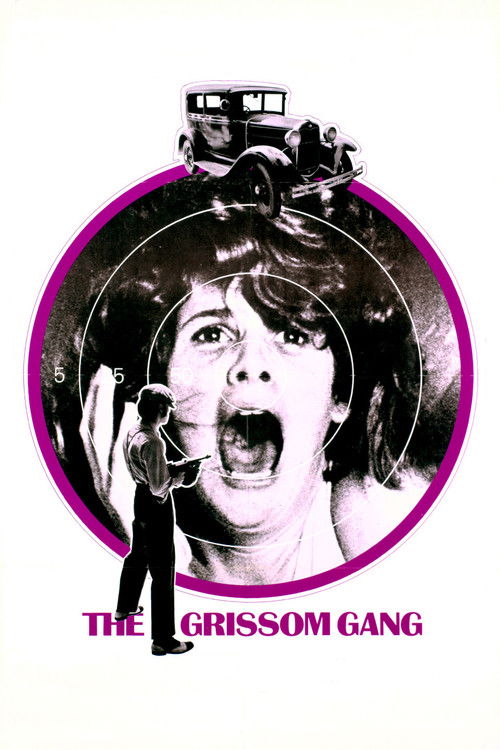
The Grissom Gang1971
Kim Darby trapped with a kidnapper's family during the Depression. It's a violent, disturbing piece of crime cinema that treats its material with unflinching seriousness. The seventies were unafraid to make ugly films about ugly crimes.
But Genuinely uncomfortable to watch in places—the violence is not cathartic or stylized, it just *happens*.
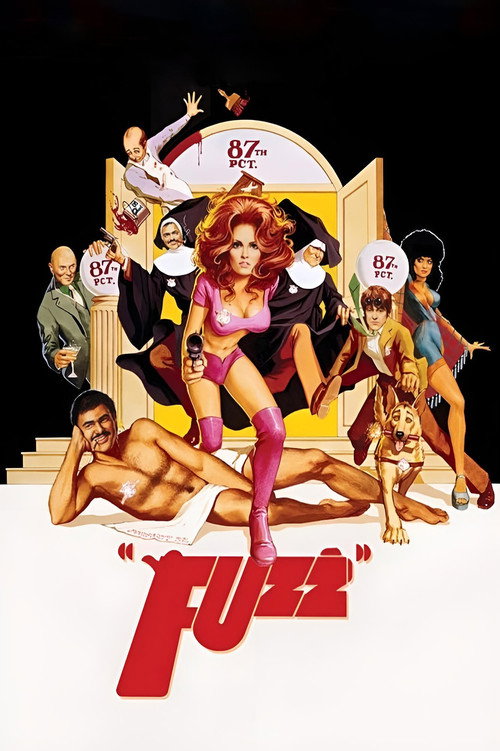
Fuzz1972
Burt Reynolds, Yul Brynner, and others as Boston cops dealing with a crackpot bombing a police station. It's lighter than *The Stone Killer*, but it shares the procedural DNA and the idea that cop work is repetitive, sometimes absurd, occasionally deadly.
But The tonal whiplash between comedy and violence hasn't aged well—the film never decides what it wants to be.
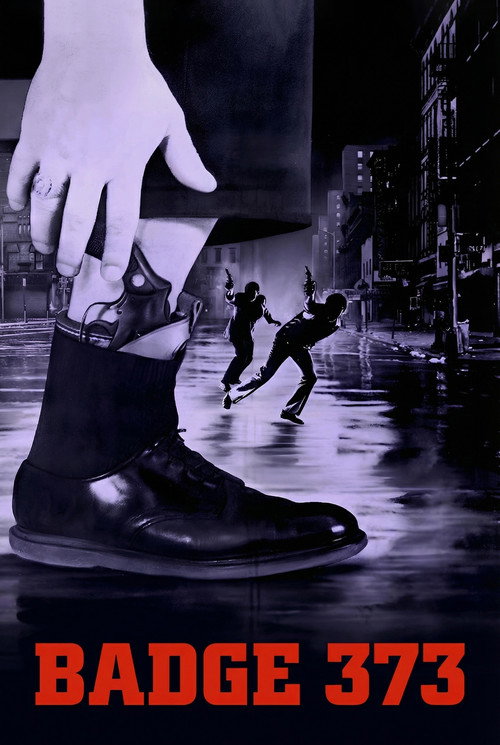
Badge 3731973
Robert Duvall as a NYC cop on the edges of legality, made the same year as *The Stone Killer*. Another lean, hard look at urban crime and a cop willing to do what the system won't. Duvall's performance is quietly, devastatingly good.
But It's a B-picture without *Dirty Harry*'s resources or reach—the production values show the budget, and some scenes feel rushed.
The Killing1956
Both are about how crime doesn't pay, told through fractured narratives where violence feels inevitable rather than exciting.
Kubrick's racetrack heist film, made seventeen years before *The Stone Killer*, uses non-linear narrative and explores how a small crime spirals into violence and betrayal. It's proof that seventies crime cinema didn't invent the form—it perfected it. Watching both shows how the genre matured from postwar noir into something harder and colder.
But Shot in black-and-white on a microbudget, it feels austere to modern eyes—the pacing is careful rather than propulsive.

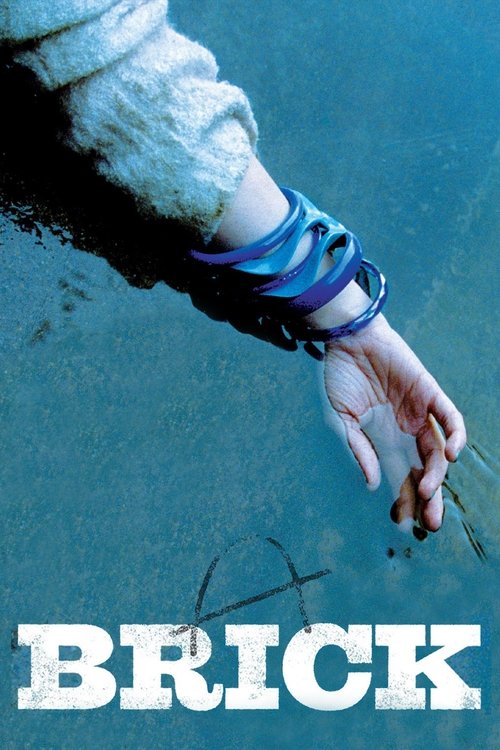
Brick2006
Both treat their world as a closed system with its own rules and hierarchies; both are about a tough investigator navigating a code they understand but don't respect.
Rian Johnson's debut transplants noir and crime-procedural logic to a high school in 2005. It's a wildcard because it proves the DNA of *The Stone Killer*—the hard-boiled detective solving a crime in a world governed by brutal codes—works in any era. It's *The Stone Killer* refracted through a completely different lens, but the moral skeleton is identical.
But The stylization is heavy-handed for some—the dialogue is deliberately anachronistic noir-speak, which can feel mannered rather than earned.
People
Cast
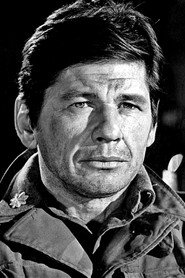 Charles BronsonLou Torrey
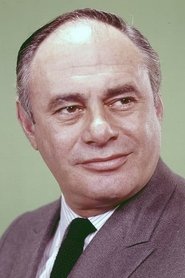 Martin BalsamAl Vescari
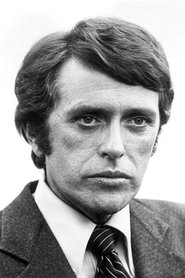 Jack ColvinJumper
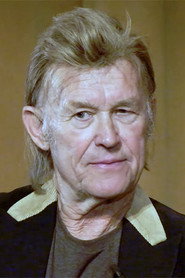 Paul KosloLangley
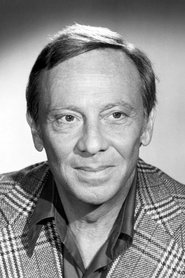 Norman FellLes Daniels
 David SheinerGuido Lorenz
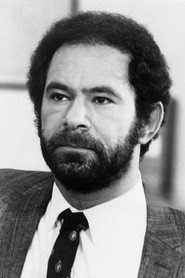 Stuart MargolinLawrence
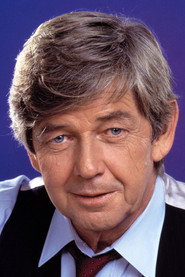 Ralph WaiteMathews
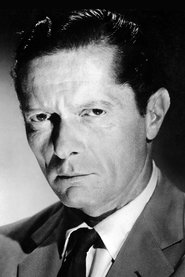 Alfred RyderTony Champion
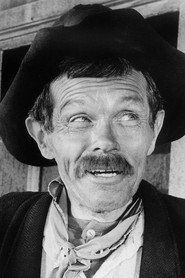 Walter BurkeJ D
- Kelley MilesGeraldine Wexton
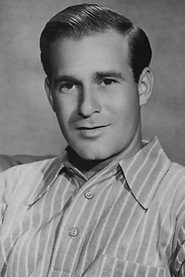 Eddie FirestoneArmitage
Directing
- Joseph M. EllisAssistant Director
- Mel EfrosAssistant Director
- Michael WinnerDirector
- June SamsonScript Supervisor
Writing
- John GardnerNovel
- Gerald WilsonScreenplay
Production
- Joe ScullyCasting
- Dino De LaurentiisExecutive Producer
- Michael WinnerProducer
- Ralph E. BlackProduction Manager
- Herb WallersteinUnit Manager