
Film
Fuzz
A scrappy 1972 Boston police comedy about detectives chasing a bomber-blackmailer through the city. It's chaotic, breezy, and oddly warm despite the crime plot—less interested in procedural realism than in letting a talented ensemble riff on the absurdities of the job. Funny, rough-edged, and utterly of its era.
If you liked this
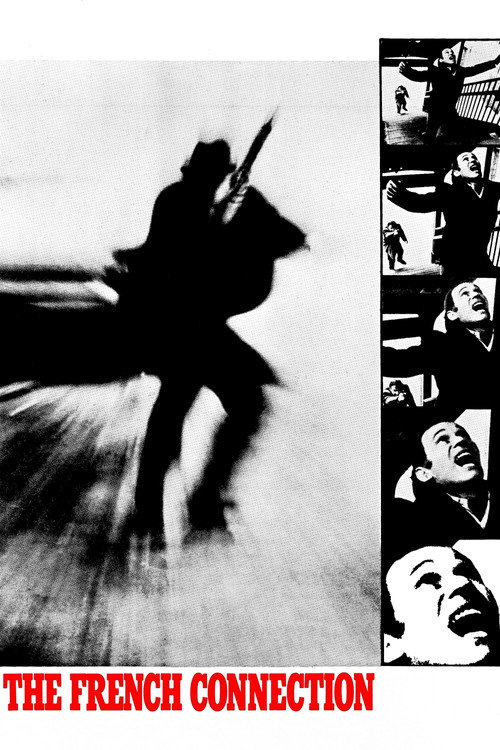
The French Connection1971
The gold standard of '70s cop cinema: gritty, kinetic, propelled by obsession. Popeye Doyle's feverish pursuit of a drug shipment has genuine moral stakes and a famous car chase that still dazzles.
But Deliberately unglamorous and heavy. It's a procedural that asks you to care about surveillance footage and bureaucracy, not wisecracks and banter.
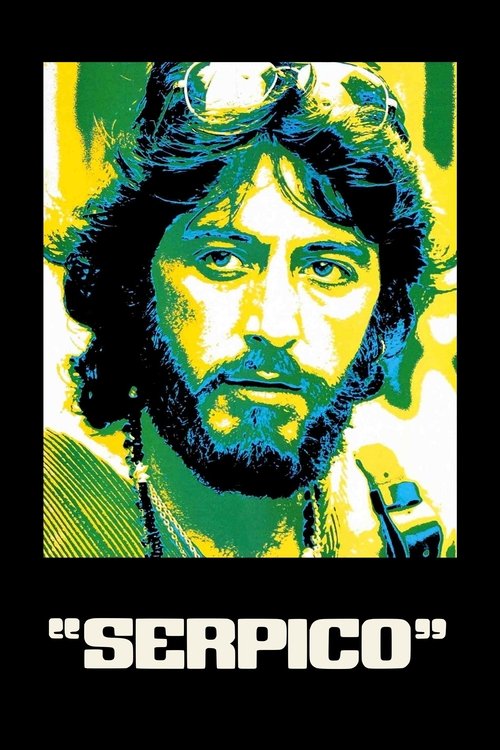
Serpico1973
Al Pacino as a whistleblower cop fighting corruption from inside. It's angry and principled without being preachy, and the New York City location feels as much like a character as any detective.
But It's a serious film about systemic rot. There's wit but not levity; the ending doesn't resolve neatly.
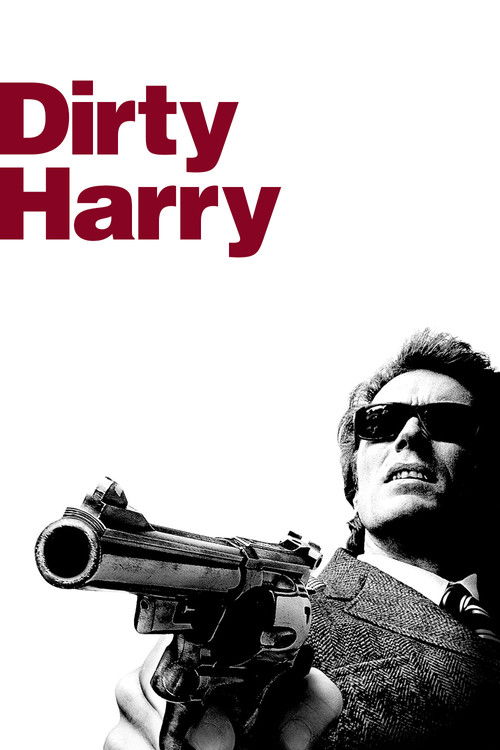
Dirty Harry1971
Clint Eastwood's Callahan is a brilliant variation on the cop archetype: taciturn, effective, morally ambiguous. The film lets the violence matter and the politics breathe.
But Dated political arguments and treatment of women. It's also become iconic enough that it can feel more famous than fresh.
Not sure tonight? Get a pick in a minute, starting from Fuzz
The wildcard
Something you would not have found on your own.
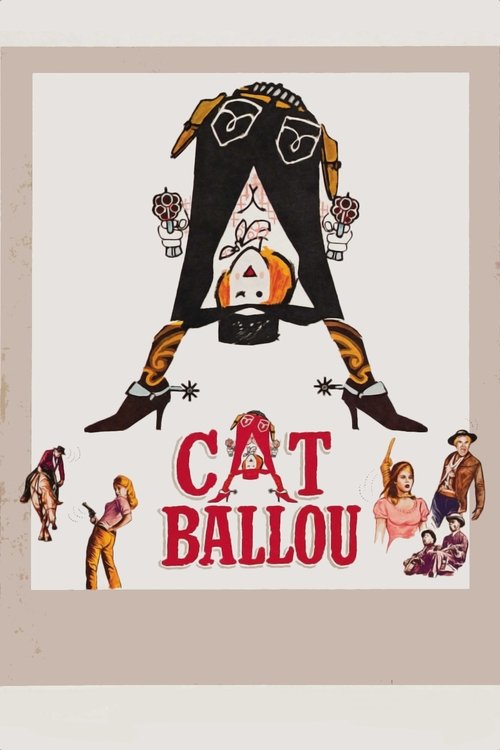
Cat Ballou1965
Both Fuzz and Cat Ballou treat their genre premises as launchpads for tone and character rather than constraints. They want to entertain first, convince second.
A Western comedy where Lee Marvin camps it up as a drunk gunslinger, the plot is thin, and the tone is pure mischief. It proves that genre films—including cop films—have room for playfulness and personality.
But Hokey in places. Modern audiences often dismiss '60s comedies as corny before giving them a chance.
More like this (8)
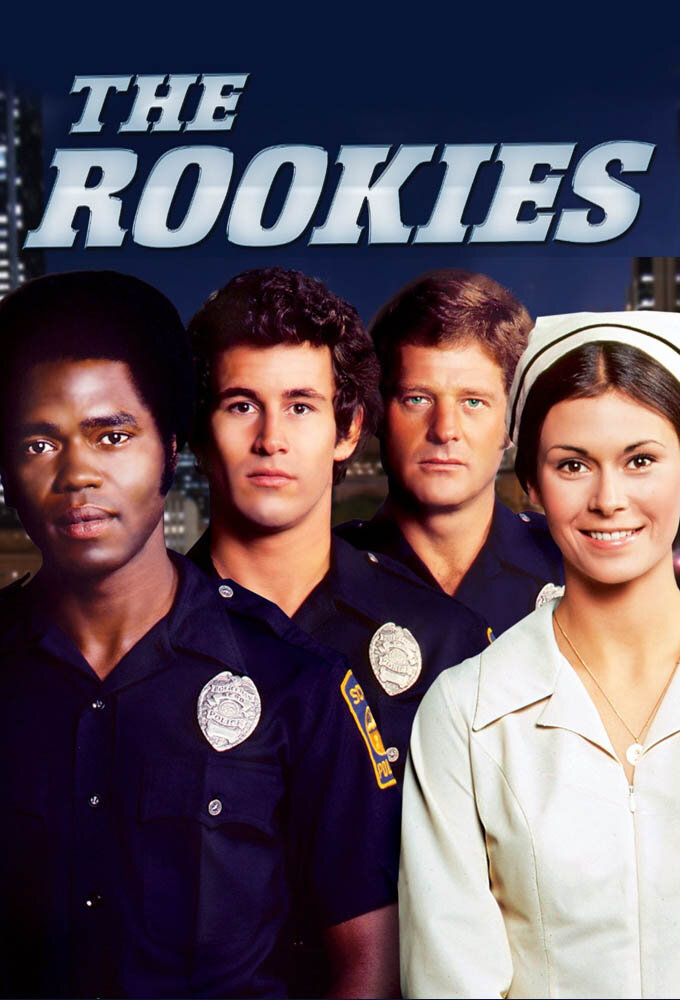
The Rookies1972
This police procedural has warmth and humour alongside genuine stakes. The ensemble cast clicks, and it doesn't take itself so seriously that it forgets to entertain.
But Very much a network TV product of its time: formulaic, gentler than Fuzz, aimed at a broader audience.
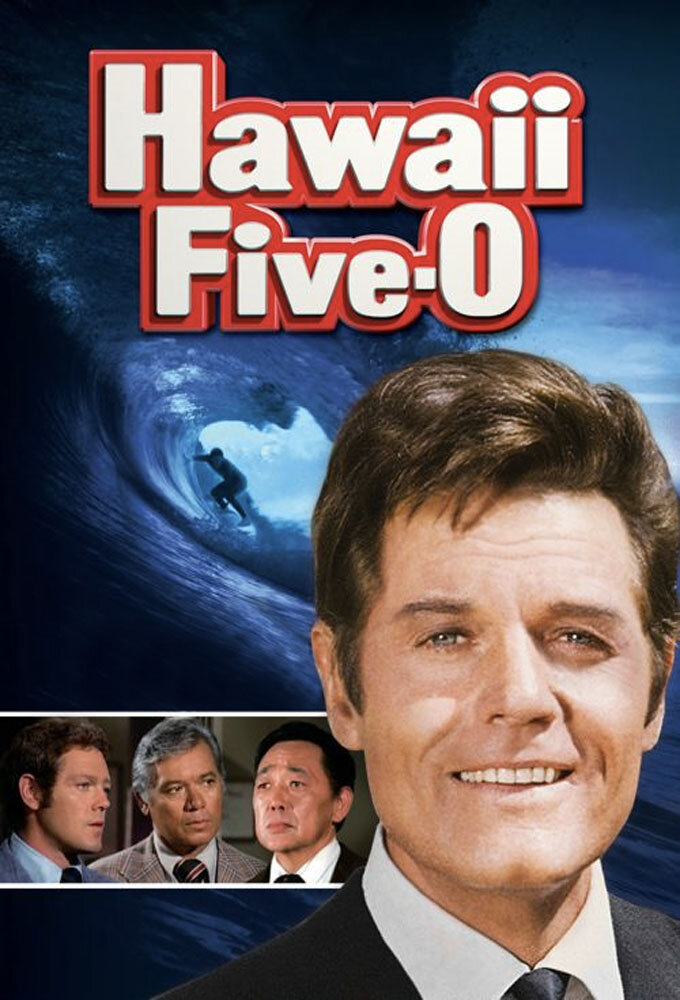
Hawaii Five-O1968
Effortlessly cool, beautifully shot, featuring Jack Lord as an authoritative presence with just enough personality to keep things from feeling sterile. The Hawaiian setting helps; the cases are taut.
But Long-running shows often repeat themselves. Some episodes feel like drafts of better ones.
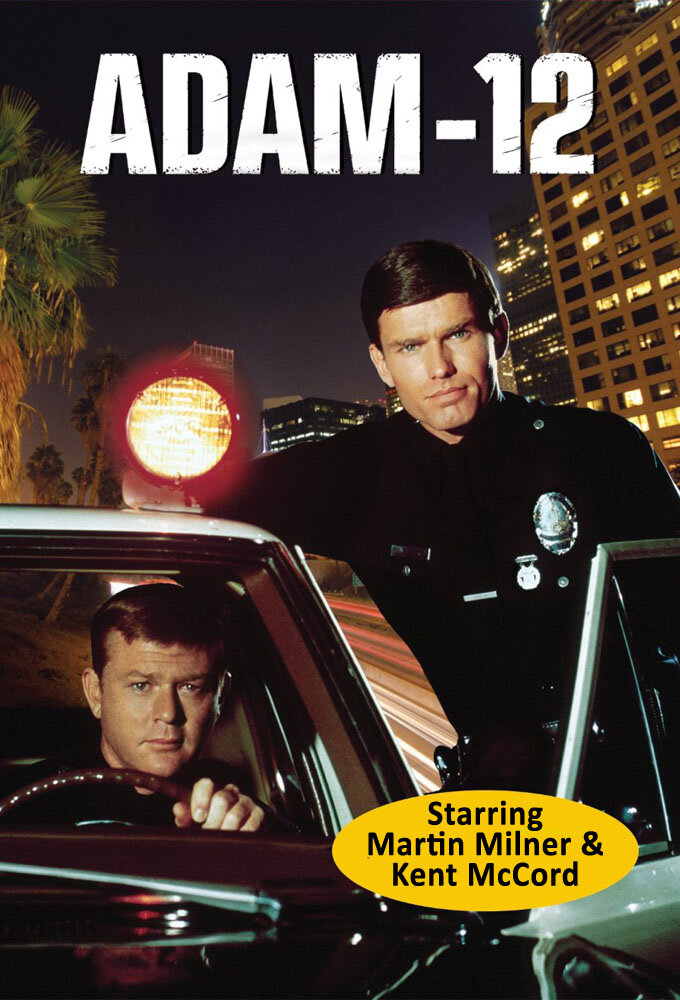
Adam-121968
The granddaddy of the modern police procedural: straightforward, informative, and oddly soothing. Real LAPD cooperation gives it authenticity. It's comforting rather than thrilling.
But Intentionally mundane. Excitement comes from structure and propriety, not character fireworks. The tone is reverent toward authority.
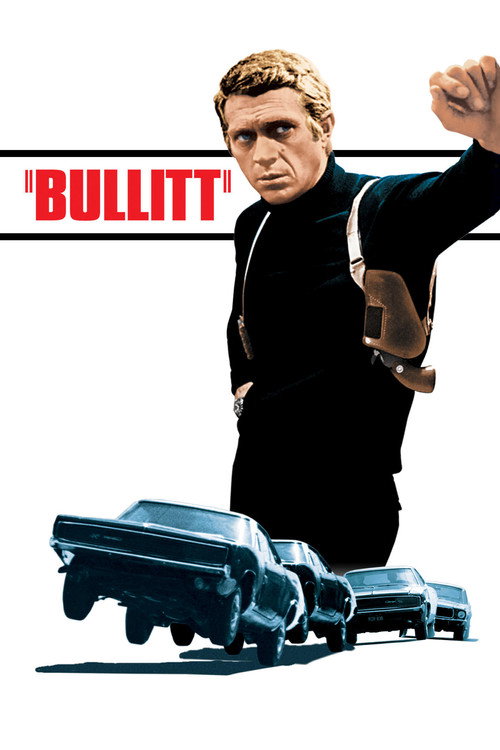
Bullitt1968
Steve McQueen in a lean, efficient thriller. The famous car chase is magnificent, but what lingers is McQueen's stillness—he conveys everything through presence, not dialogue.
But Spare to the point of austerity. Long stretches have little dialogue. It rewards patience more than it demands it.
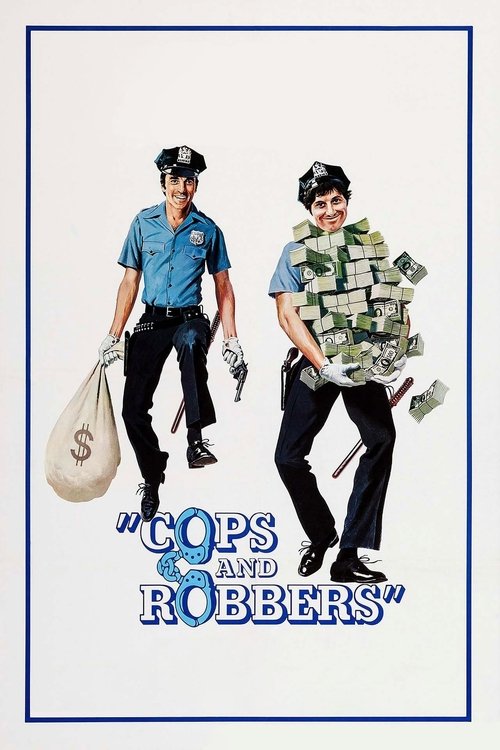
Cops and Robbers1973
A lighter heist-caper about two dirty cops in New York. It has genuine energy and a devil-may-care spirit that makes the crimes feel almost playful rather than tragic.
But The morality is muddier. If you need your heroes clearly heroic, this film's cynicism might grate.
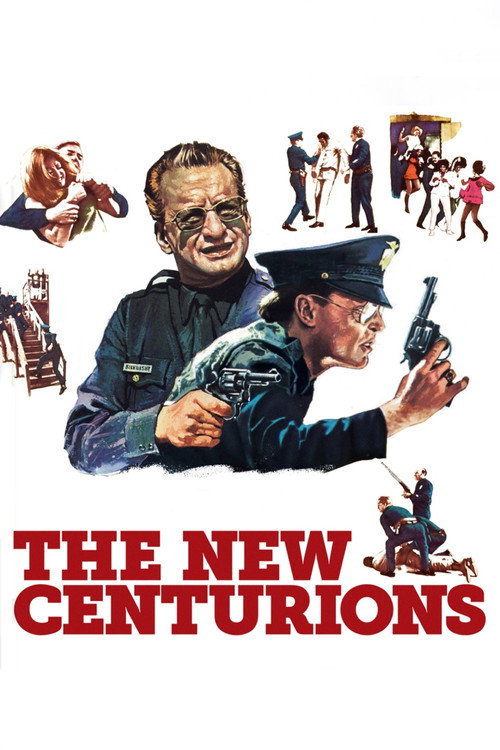
The New Centurions1972
George C. Scott and Stacy Keach as LAPD veterans. It's episodic and intimate, catching cops in small moments that accumulate into something touching and true.
But Episodic can mean scattered. It doesn't have the propulsive momentum of a traditional narrative arc.
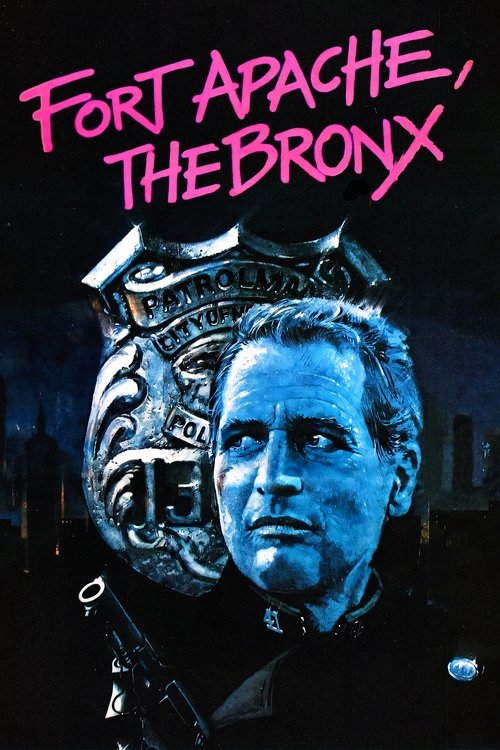
Fort Apache, the Bronx1981
Both films centre ensembles of flawed working cops in a specific city. Both balance humour with real consequences. But where Fuzz is breezy, this is jagged and unresolved.
Paul Newman in a police drama that's oddly sympathetic to burned-out cops without excusing their corruption. It moves between dark comedy, brutality, and grace with impressive tonal control and real anger beneath.
But Controversial then and now for its depiction of the Bronx. Some see it as cynical about communities and institutions; others find it painfully honest.
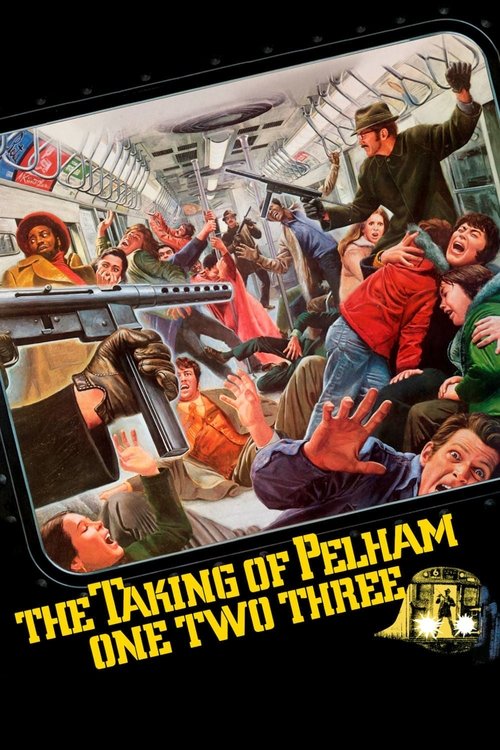
The Taking of Pelham One Two Three1974
Both films feature diverse ensembles of New York-area cops riffing together under pressure. Both balance action and humour without letting the jokes undercut stakes. Fuzz is looser; this is tighter, meaner, more calculated.
A hijacking thriller with New York grit, Robert Shaw as a villain with actual charisma, and Walter Matthau bringing world-weary humour to the cop side. It's tense but never forgets to be funny.
But The racial politics reflect 1974 New York in ways that land uncomfortably. Some jokes haven't aged well.
People
Cast
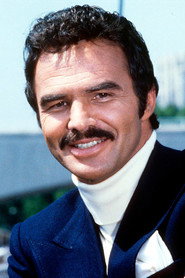 Burt ReynoldsDet. Steve Carella
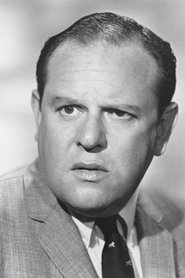 Jack WestonDet. Meyer Meyer
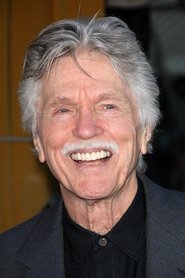 Tom SkerrittDet. Bert Kling
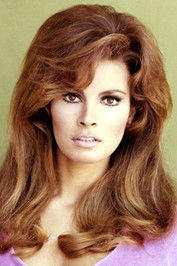 Raquel WelchDet. Eileen McHenry
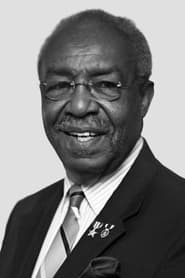 James McEachinDet. Arthur Brown
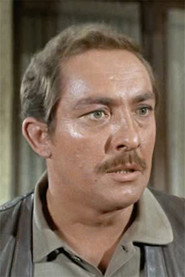 Steve IhnatDet. Andy Parker
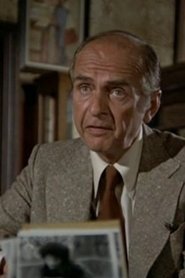 Dan FrazerLt. Byrnes
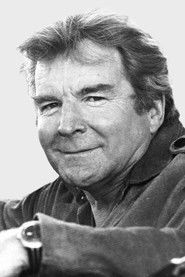 Bert RemsenSgt. Murchison
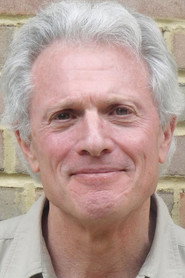 Stewart MossDet. Hal Willis
- H. Benny MarkowitzPatrolman Levine
- James VictorPatrolman Gomez
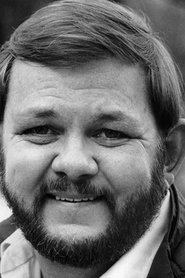 Royce D. ApplegatePatrolman Cramer
Directing
- Art LevinsonAssistant Director
- Richard A. CollaDirector
- Lester HoyleScript Supervisor
- Don HendersonSecond Unit Director
- Donald HendersonSecond Unit Director
Writing
- Evan HunterNovel
- Evan HunterScreenplay
Production
- Charles H. MaguireAssociate Producer
- Caro JonesCasting
- Edward S. FeldmanExecutive Producer
- Kenneth UttLocation Manager
- Jack FarrenProducer
- Martin RansohoffProducer