
Film
The New Centurions
- Police procedural
- Workplace drama
- Very dark
A 1972 procedural about two LAPD cops—an idealistic rookie and a burnt-out veteran—and how the job grinds away at everything else in their lives. It's unglamorous and unflinching, less interested in crime-solving than in the quiet corrosion of a life spent enforcing order. A serious, melancholic portrait of institutional damage. For those who want their police drama raw and unhappy.
If you liked this
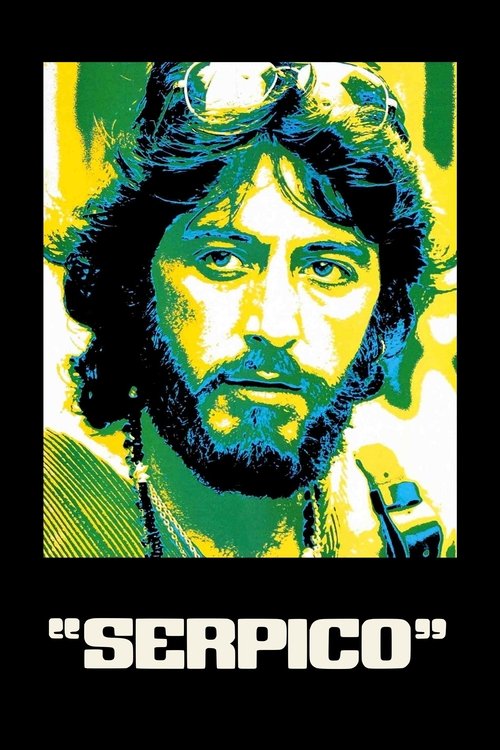
Serpico1973
Al Pacino as an honest cop fighting corruption in the NYPD. Like The New Centurions, it's a character study about integrity under institutional pressure, but Serpico finds a thread of rebellion where Centurions finds only surrender.
But It's earnest and occasionally preachy in a way that can feel dated, and the thriller elements sometimes override the quieter moral examination you came for.
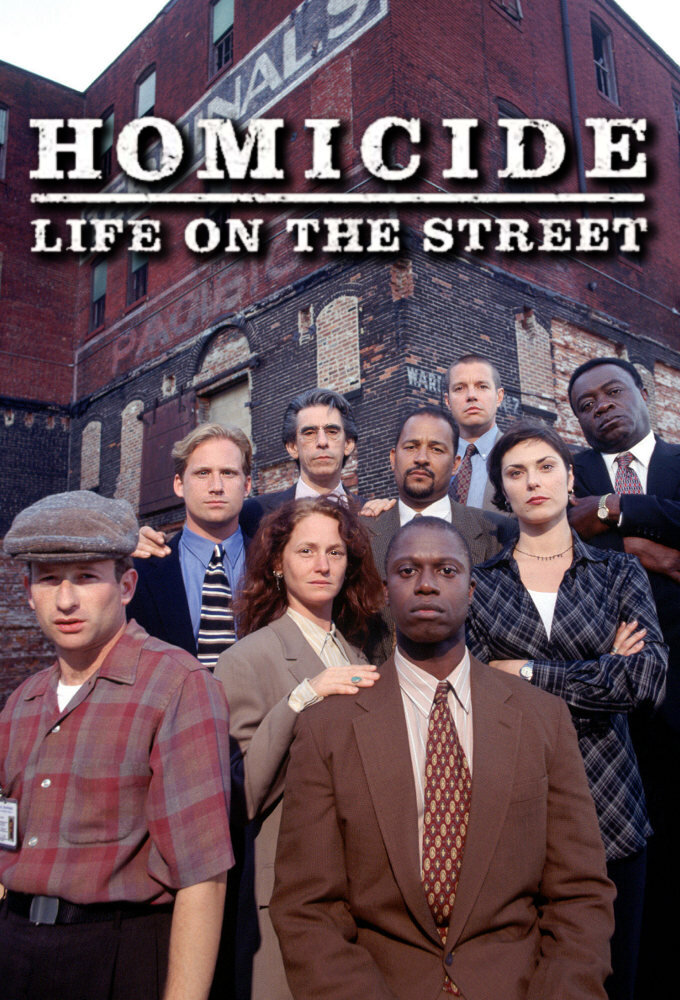
Homicide: Life on the Street1993
Baltimore detectives dealing with murder and bureaucracy. The show shares Centurions' refusal to let police work be clean or heroic—it's about exhaustion, compromise, and what the job takes from you, but with more humanity and dark humour.
But Slow-burning television from the 90s. If you need plot momentum or conventional satisfaction, you'll find the pacing punishing.
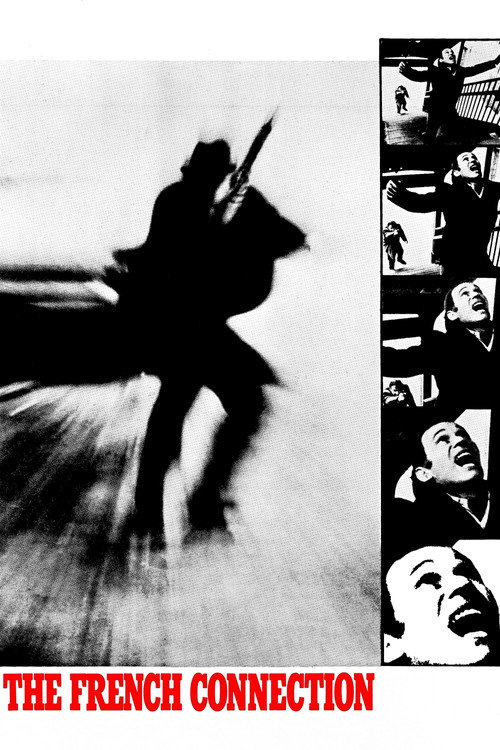
The French Connection1971
Gene Hackman's detective is as ground-down and compromised as the cops in Centurions, but chasing something concrete. A masterclass in the texture of police work—the footwork, the waiting, the moral shortcuts that compound.
But The action, when it comes, is brutal and sudden. Some find its portrait of urban decay visually relentless rather than gripping.
Not sure tonight? Get a pick in a minute, starting from The New Centurions
The wildcard
Something you would not have found on your own.
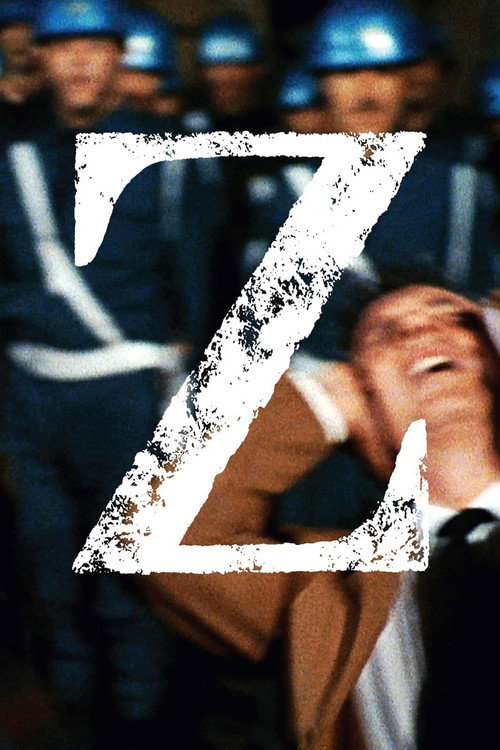
Z1969
Both are procedurals about how systems grind down individuals, but Z traces active conspiracy while Centurions documents passive institutional corruption.
Costa-Gavras's Algerian political thriller about a murdered dissident. The connection: both are procedurals about institutions crushing individuals, but Z treats the state apparatus as active conspiracy while Centurions sees it as passive entropy. Different diagnosis, same disease.
But A French-Algerian film from 1969 about Cold War politics. If you need context or patience with subtitles and political philosophy, it will feel inaccessible.
More like this (7)
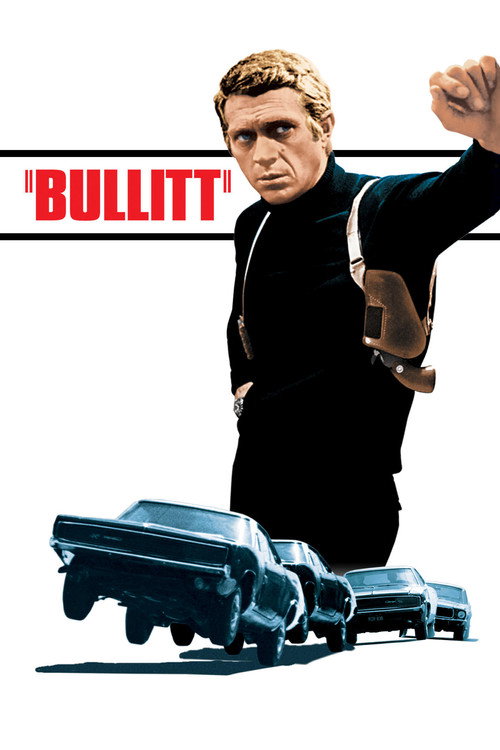
Bullitt1968
Steve McQueen as a cop in San Francisco, bored by procedure and politics. It has Centurions' interest in police as a job rather than a calling, and famous for one reason but genuinely excellent for many more.
But The car chase overshadows everything in memory. The character study underneath can feel overlooked if you're expecting action.
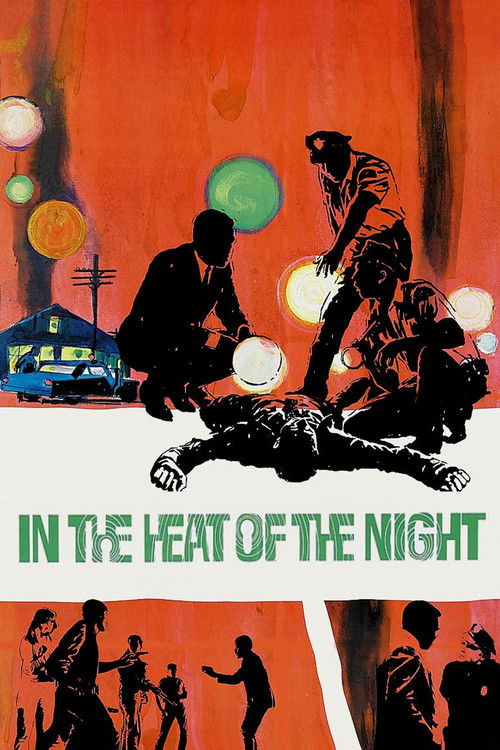
In the Heat of the Night1967
Sidney Poitier and Rod Steiger as cops on a murder case. Shares Centurions' interest in how police work reveals and creates tension, though it's more politically urgent and less interested in institutional decay.
But The mystery plot is secondary to the social drama, which some find heavy-handed, and the resolution feels neater than the best police procedurals allow.
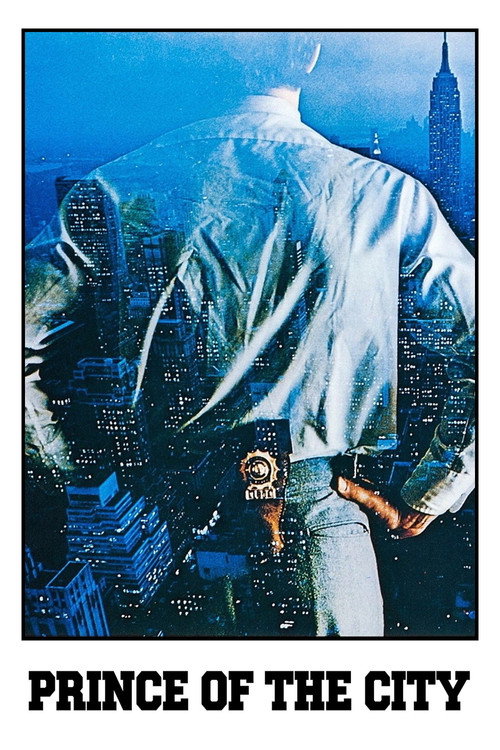
Prince of the City1981
A narcotics detective betrays colleagues to the feds. Longer and more ambitious than Centurions, and obsessed with the same thing: how police culture corrupts even those who think they're above it.
But Nearly three hours and morally murky in ways that leave you unsettled rather than satisfied. The main character's compromise becomes yours as a viewer.
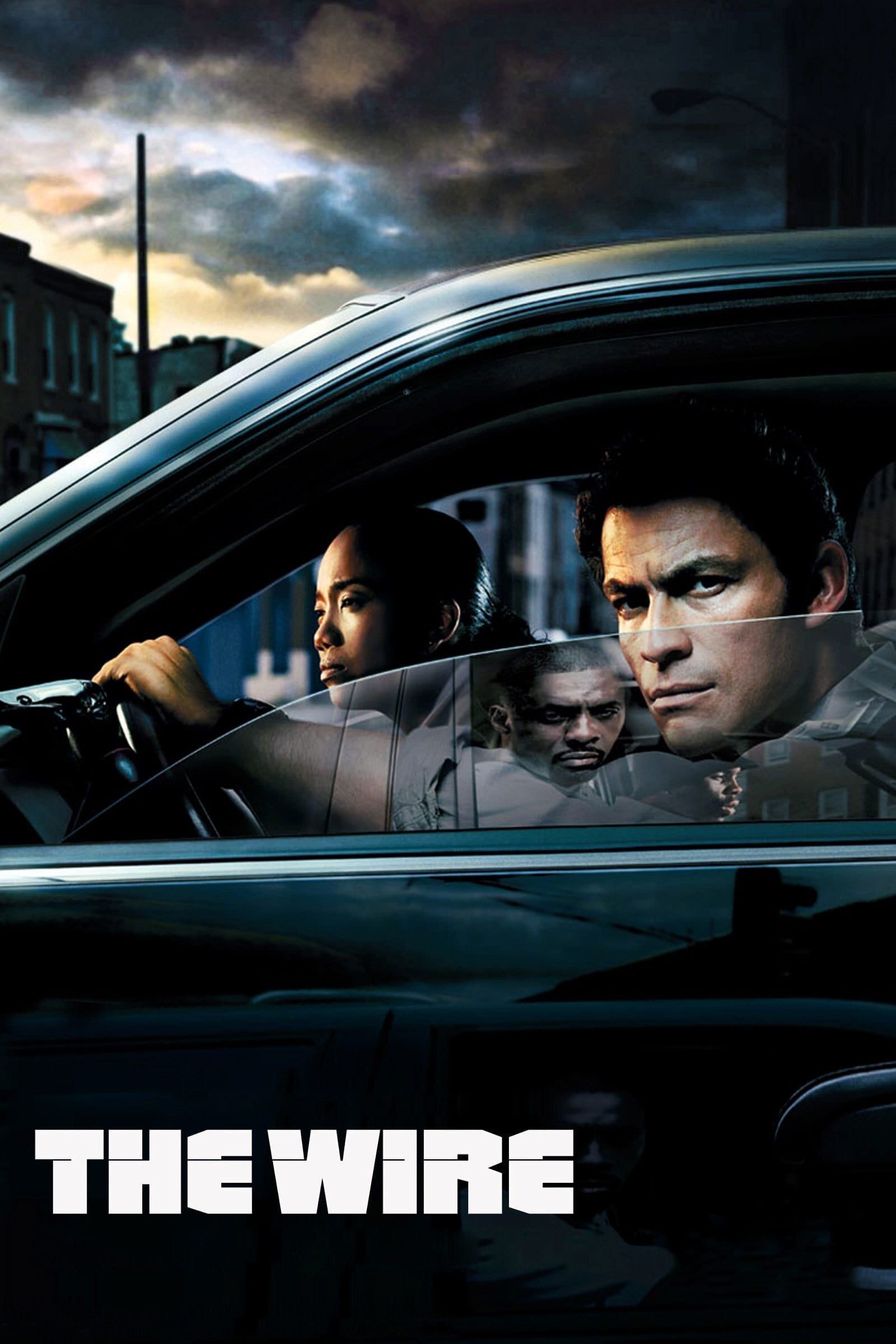
The Wire2002
Five seasons of Baltimore—cops, dealers, politics, schools. It's the fullest realisation of what Centurions hints at: how institutions grind people down and how that damage spreads. Documentary-realist in its ambitions.
But Demanding television that requires patience and attention. The first few episodes are deliberately unglamorous, which is the point but also a barrier.
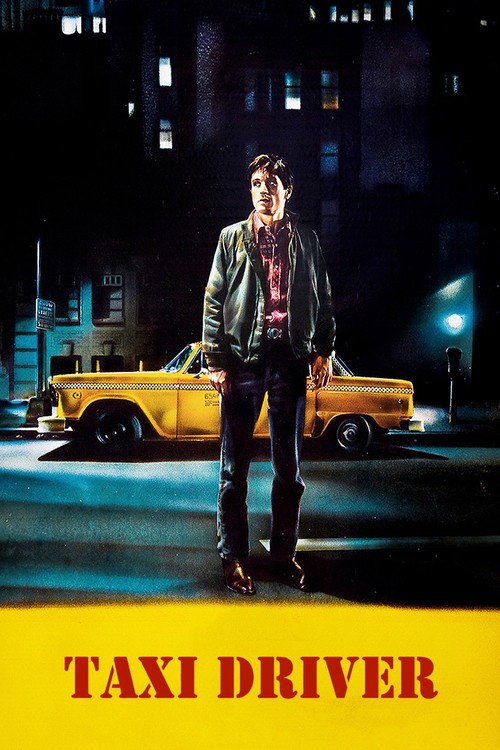
Taxi Driver1976
Not a cop, but Travis Bickle moves through the same urban alienation and moral decay that Centurions documents. A fever dream where Centurions is a hangover—both about men who've been corroded by their world.
But Violent and claustrophobic. Scorsese's style can feel mannered, and the ending will divide you on what it means.
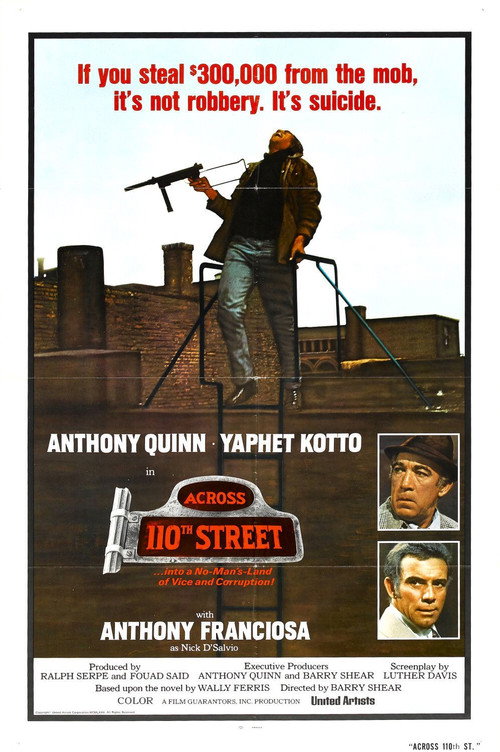
Across 110th Street1972
Released the same year as Centurions, a gritty New York crime film with Anthony Quinn as a weary cop. Shares the same DNA—unglamorous, unsentimentalised, interested in the city as a machine that ruins people.
But Rarely discussed because it sits awkwardly between exploitation and serious film. The tonal shifts can feel erratic if you're not expecting them.
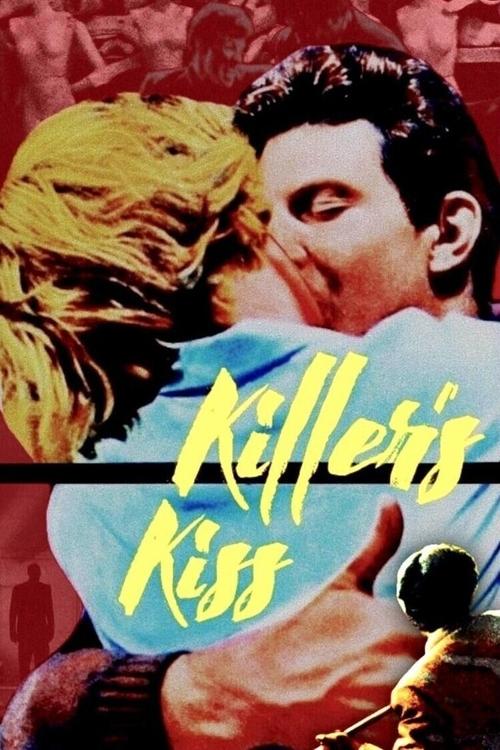
Killer's Kiss1955
Both capture urban alienation and the impossibility of escape, but Killer's Kiss is pure mood and texture where Centurions is documental and clear.
Kubrick's second film, black-and-white, 67 minutes. A boxer and a woman try to escape the city's underworld. It's Centurions' spiritual ancestor—the same alienation and corruption, but in an earlier, harder visual style, and without dialogue's explanations.
But Visually cryptic and occasionally incoherent. Some of the plot will elude you, which is either the point or deeply frustrating.
People
Cast
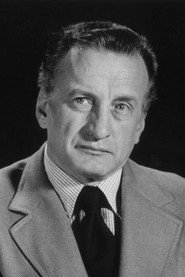 George C. ScottKilvinski
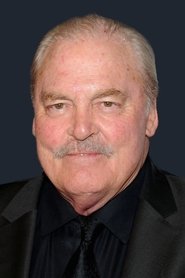 Stacy KeachRoy Fehle
 Jane AlexanderDorothy Fehler
 Scott WilsonGus
 Rosalind CashLorrie
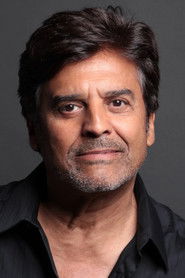 Erik EstradaSergio
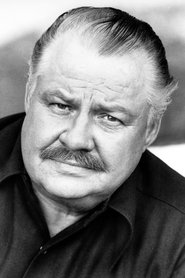 Clifton JamesWhitey
- Richard E. KalkMilton
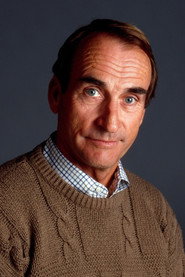 James B. SikkingSergeant Anders
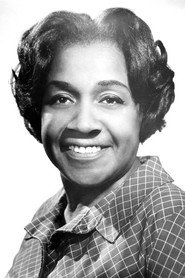 Isabel SanfordWilma
 Carol SpeedMartha
 Burke ByrnesPhillips
Directing
- Richard FleischerDirector
Writing
- Joseph WambaughNovel
- Stirling SilliphantScreenplay
Production
- Irwin WinklerProducer
- Robert ChartoffProducer